

Are you wondering when your puppy is ready to switch to adult dog food? It’s an important step for your furry friend’s health and happiness.
Feed them too early, and they might miss out on vital nutrients. Wait too long, and they could gain unwanted weight or digestive issues. You’ll discover the signs to look for and the best time to make the transition smoothly.
Keep reading to make sure your dog gets the nutrition they need at every stage of life.
Puppy Growth Stages
Puppies grow fast in their first year of life. Their bodies and brains change a lot during this time. Knowing their growth stages helps you feed them right. Proper nutrition supports healthy bones, muscles, and energy levels. Feeding the right food at the right time is very important. This keeps your puppy strong and happy.
Each stage has different needs. Puppies need special food that matches their size and age. Understanding these stages helps you know when to switch to adult food. It also helps avoid health problems caused by wrong feeding.
Early Development Milestones
The first stage is from birth to 8 weeks. Puppies rely on their mother’s milk. They start opening their eyes around 2 weeks. By 3 to 4 weeks, puppies begin to explore and play. They learn to walk and bark. Social skills develop during this time. Play helps them understand how to interact with others.
From 8 to 16 weeks, puppies grow quickly. They start eating soft puppy food. Vaccinations and vet visits are important now. This stage shapes their behavior and health. Training and gentle handling help build trust.
Nutritional Needs By Age
Newborn puppies need mother’s milk for nutrients and antibodies. After 4 weeks, they try solid food. This food must be easy to digest and rich in calories. From 8 to 12 weeks, puppies need more protein and fat for growth. Balanced vitamins and minerals support their bones and immune system.
At 3 to 6 months, puppies become more active. Their food must support energy and muscle building. Large breed puppies need special care to avoid joint problems. After 6 months, many puppies start switching to adult food. This depends on breed and size. Proper nutrition helps them grow into healthy adults.
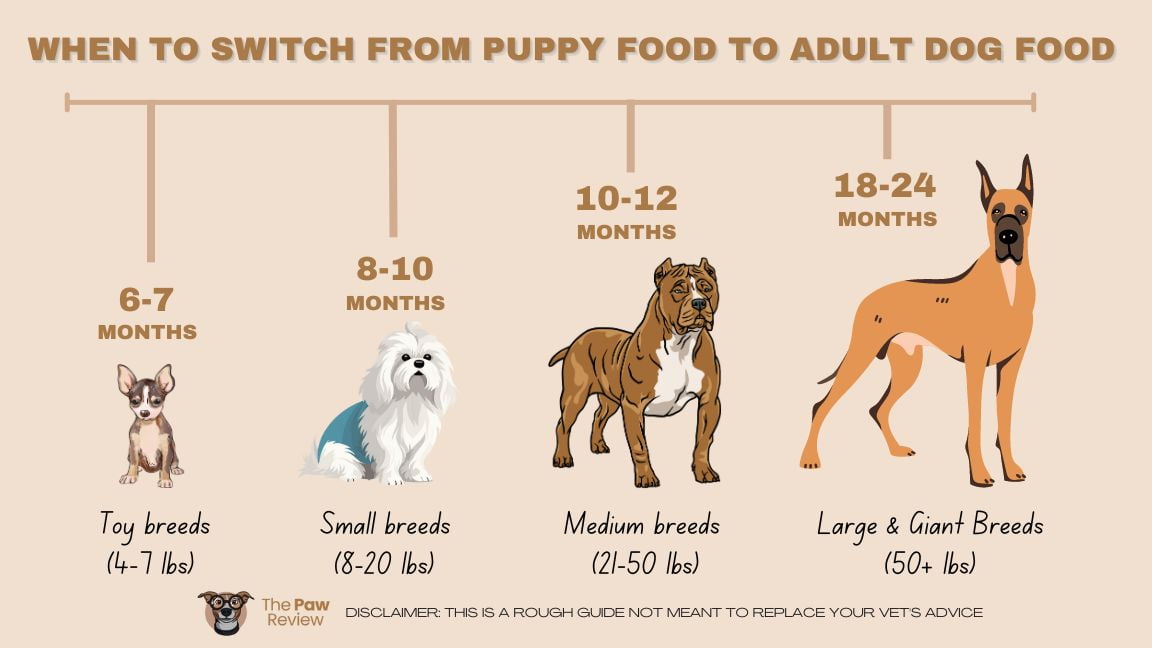
Credit: paw-review.com
Signs Your Dog Is Ready
Knowing when your dog is ready to switch to adult food is important. It helps keep your pet healthy and happy. Watching for clear signs makes this change smooth. Dogs grow fast, and their diet must match their needs.
Physical Indicators
Your dog’s body shows clues about the right time to change food. Check their teeth. Puppy teeth fall out and adult teeth appear around six months. Their size also matters. If your dog looks full-grown, they may be ready. Coat texture changes too. A shinier, thicker coat can mean maturity. Weight gain slows down as well. These signs show your dog’s growth stage.
Behavioral Changes
Behavior shifts can signal readiness for adult food. Puppies often have more energy bursts. When energy steadies, it suggests growth slows. Eating habits change too. Puppies may eat smaller, frequent meals. Adult dogs eat fewer, larger meals. Attention span increases as well. Your dog may focus more and play less wild. These behaviors help you decide the right feeding time.
Choosing The Right Adult Food
Choosing the right adult food for your dog is a big step. It helps keep your dog healthy and happy. Adult food has different nutrients than puppy food. These nutrients support your dog’s changing needs as it grows.
Not all adult dog foods are the same. Some are made for small breeds, others for large breeds. Picking the right one depends on your dog’s size and health. Good adult food gives energy and supports strong muscles and bones.
Key Nutritional Components
Adult dog food should have a good balance of protein, fat, and carbohydrates. Protein helps build and repair muscles. Fat gives energy and keeps the coat shiny. Carbohydrates provide fuel for daily activities. Fiber is also important for digestion. Vitamins and minerals support the immune system and overall health.
Breed And Size Considerations
Small breeds need food with more calories in less volume. Large breeds need food that supports joint health. Some breeds have special needs, like sensitive stomachs or allergies. Choose food designed for your dog’s breed size and health conditions. This helps your dog live a long, healthy life.
Transitioning Process
Transitioning your dog from puppy food to adult food requires care and patience. This process helps your pet adjust without stomach upset. A smooth change supports your dog’s health and energy levels. Follow clear steps to make the transition easy and safe.
Gradual Introduction Tips
Start by mixing 25% adult food with 75% puppy food. Keep this mix for three to four days. Slowly increase adult food to 50% for the next few days. Then raise it to 75% adult food. Finish by feeding 100% adult food after about two weeks. This slow change helps your dog’s stomach adjust. Avoid sudden switches to prevent digestive problems.
Monitoring For Reactions
Watch your dog closely during the change. Check for diarrhea, vomiting, or loss of appetite. Look for signs of itching or skin problems. If any issues appear, slow down the transition. Give your dog more time with the current food mix. Consult a vet if reactions continue or worsen. Early detection keeps your dog healthy and happy.
Common Mistakes To Avoid
Transitioning your dog to adult food requires careful timing and attention. Mistakes during this change can cause health problems or stress for your pet. Knowing what to avoid helps keep your dog healthy and happy. Here are common errors to watch out for.
Switching Too Early Or Late
Changing to adult food too soon can leave puppies missing vital nutrients. Their growing bodies need special care. Waiting too long may cause weight gain or digestive issues. Follow your vet’s advice about the right age for switching. Each breed grows at its own pace, so timing matters.
Ignoring Dietary Sensitivities
Some dogs have food allergies or sensitivities. New adult food might trigger reactions like itching or upset stomach. Watch for signs of discomfort after switching food. Choose formulas that suit your dog’s needs. Consult your vet before making changes to prevent problems.

Credit: www.iams.com
Expert Recommendations
Expert advice helps guide the transition from puppy to adult dog food. It ensures your dog gets the right nutrients at the right time. Following expert tips can keep your dog healthy and happy.
Veterinarian Advice
Veterinarians suggest switching to adult food between 9 and 12 months. Large breeds may need longer puppy food to support growth. Small breeds often switch earlier than large breeds. Regular check-ups help monitor your dog’s growth and health. Vets recommend gradual change over 7 to 10 days. Sudden diet changes can cause stomach upset or diarrhea.
Adjusting Diet For Health Issues
Some dogs need special diets due to health problems. Dogs with allergies might need hypoallergenic adult food. Dogs with weight issues require low-calorie or weight management food. Dogs with sensitive stomachs may need easy-to-digest formulas. Consult your vet to find the best food for these needs. Adjust the diet slowly to avoid digestive problems.
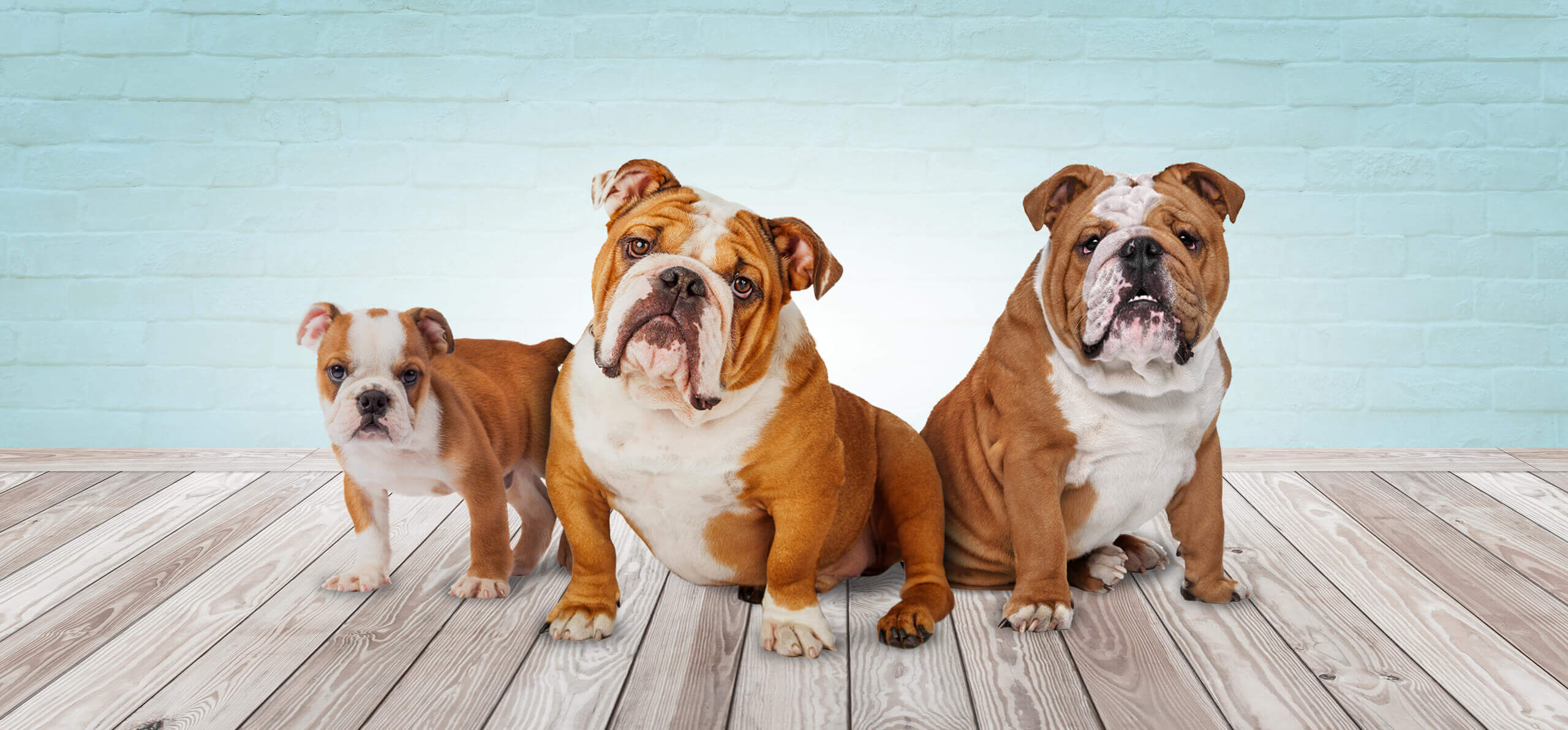
Credit: www.bluebuffalo.com
Frequently Asked Questions
When Should Puppies Switch To Adult Dog Food?
Puppies typically transition to adult food between 9 to 12 months. Large breeds may switch later, around 12 to 18 months. Consult your vet for precise timing based on your dog’s size and growth rate to ensure proper nutrition.
What Are Signs To Change Dog Food Age?
Signs include slowed growth, decreased energy needs, and changes in weight. If your dog is no longer a puppy but seems less active, it may be time to switch. Always observe your dog’s health and consult a vet before changing food.
Can Switching To Adult Food Too Early Harm Dogs?
Yes, switching too early can cause nutrient deficiencies and digestive issues. Puppies need higher protein and calorie levels for growth. Transition gradually to avoid upsetting your dog’s digestive system and ensure balanced nutrition during growth stages.
How To Transition Dogs From Puppy To Adult Food?
Mix increasing amounts of adult food with puppy food over 7 to 10 days. This gradual change helps prevent digestive upset. Monitor your dog’s reaction and adjust the transition pace accordingly to ensure a smooth switch.
Conclusion
Dogs need adult food at the right time for healthy growth. Usually, they switch around one year old, but size matters. Small breeds may change sooner, large breeds later. Watch their weight and energy to guide you. Choose food with good nutrients for strong bones and muscles.
Always ask your vet if unsure about the change. This helps your dog stay happy and healthy. Feeding the right food keeps tails wagging and spirits high. Simple steps make a big difference in your dog’s life.


