

Are you wondering when to switch your furry friend to adult dog food? Feeding your dog the right food at the right time is crucial for their health and happiness.
Choosing the perfect moment to make this change can be confusing. But don’t worry—this guide will help you understand exactly when and why you should start feeding adult dog food. Keep reading to learn how to give your dog the best nutrition at every stage of their life.
Credit: www.pedigree.com
Signs Your Dog Is Ready
Knowing when your dog is ready for adult food is important. Feeding the right diet helps keep your dog healthy. Watch for key signs that show your dog has grown enough. These signs guide you on the best time to switch foods.
Age Milestones For Feeding
Most dogs switch to adult food between 12 and 24 months. Small breeds usually change closer to 12 months. Large breeds may need up to 24 months. Breed size affects growth speed and food needs.
Behavioral Changes To Watch
Your dog may eat less puppy food as it grows. They might seem less hungry or more interested in adult food smells. Energy levels could change, with less constant play. These behavior changes signal readiness for new food.
Growth Plate Development
Growth plates are areas of new bone growth. They close as your dog finishes growing. A vet can check these plates with an X-ray. Closed growth plates usually mean your dog can eat adult food safely.
Choosing The Right Adult Food
Choosing the right adult dog food is important for your pet’s health. Adult dogs have different needs than puppies. Their food should support their energy, weight, and overall wellbeing. The right food helps keep your dog active and happy. It also prevents health problems later in life. Understanding what to look for makes feeding time easier and safer.
Nutritional Needs Of Adult Dogs
Adult dogs need balanced nutrition to stay healthy. Protein supports muscles and repair. Fat provides energy and keeps the coat shiny. Carbohydrates offer fuel for daily activities. Vitamins and minerals help with body functions. Fiber aids digestion and keeps the gut healthy. The right mix helps maintain ideal weight and vitality.
Ingredients To Look For
Choose foods with real meat or fish as the first ingredient. Whole grains like brown rice and oats are good sources of carbs. Vegetables add fiber, vitamins, and antioxidants. Healthy fats come from sources like fish oil or flaxseed. Natural ingredients support better digestion and absorption. Avoid foods with vague labels like “meat by-products.”
Avoiding Harmful Additives
Stay away from artificial colors, flavors, and preservatives. These can cause allergies or upset your dog’s stomach. Avoid foods with high sugar or salt content. Some additives may harm your dog’s organs over time. Choose products with clear labels and simple ingredients. Your dog’s health depends on clean, safe food choices.
Transitioning To Adult Food
Switching your dog from puppy food to adult food is an important step. This change supports their growth and health at the right stage of life. Making the switch carefully helps avoid stomach problems and keeps your dog happy.
Gradual Food Changes
Start by mixing a small amount of adult food with puppy food. Slowly increase the adult food amount over 7 to 10 days. This helps your dog’s stomach adjust without causing upset. Sudden changes can lead to diarrhea or vomiting.
Monitoring Digestive Health
Watch your dog’s stool and energy levels during the change. Soft stools or less energy may signal a problem. If issues continue, slow the transition or check with your vet. Healthy digestion means your dog is adapting well.
Adjusting Portion Sizes
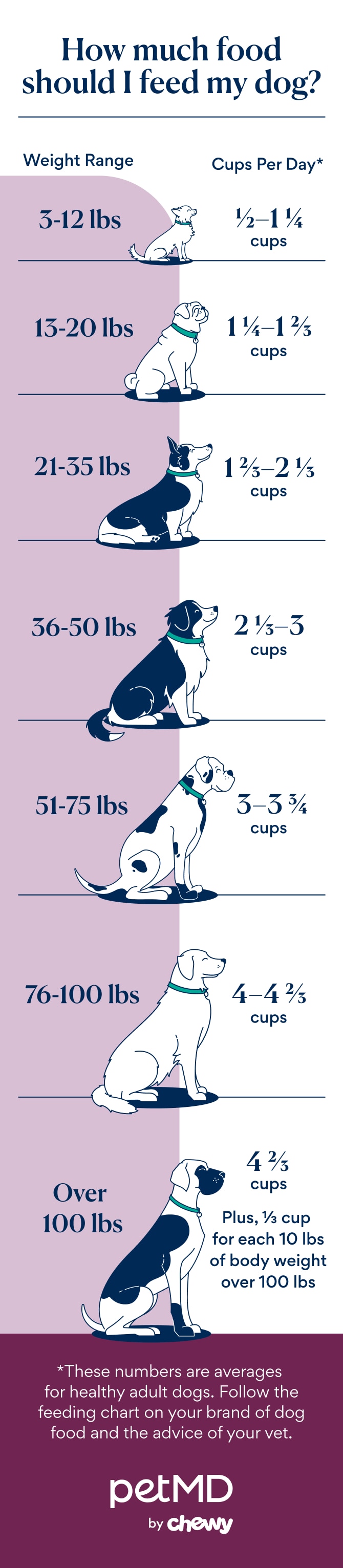
Adult dogs need fewer calories than puppies. Reduce food portions as you switch to adult food. Follow the package guide based on your dog’s weight and activity. Proper portions help maintain a healthy weight and prevent overeating.
Credit: www.petmd.com
Feeding Frequency And Portions
Feeding adult dogs the right amount of food at the right times is key to keeping them healthy. The amount and frequency of feeding affect their energy, weight, and overall well-being. Understanding how often and how much to feed helps avoid problems like obesity or hunger.
Daily Feeding Schedules
Most adult dogs do well with two meals per day. Feeding once in the morning and once in the evening fits their natural routine. Some dogs may need three smaller meals, especially if they have special health needs. Stick to regular times to help your dog feel secure and maintain a healthy digestion.
Portion Control Tips
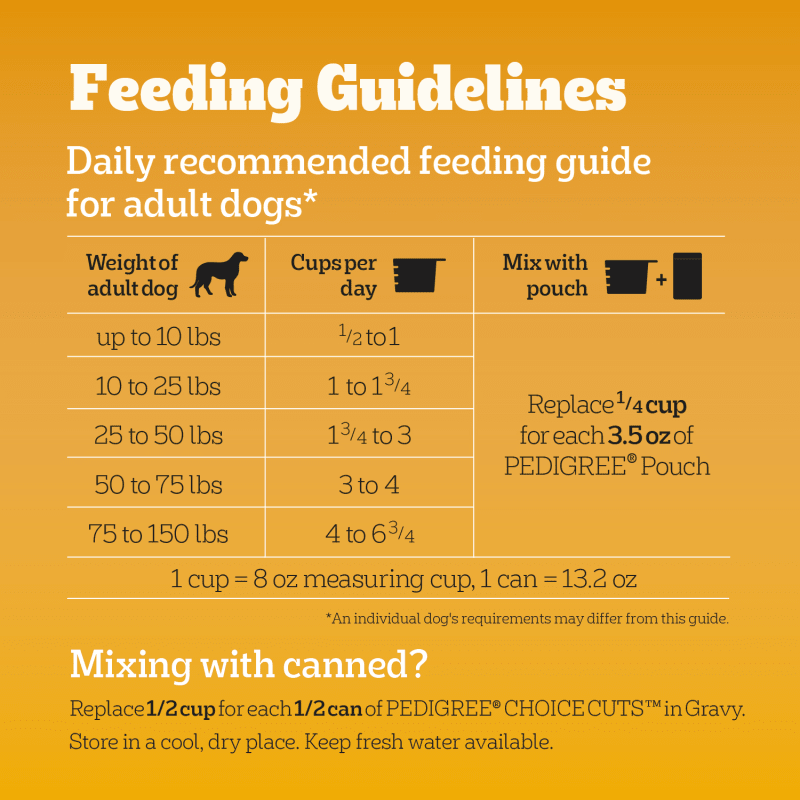
Use the feeding guide on the dog food package as a start. Adjust portions based on your dog’s size, age, and activity level. Measure the food with a cup or scale for accuracy. Avoid free-feeding, which means leaving food out all day. Controlled portions prevent overeating and weight gain.
Dealing With Overfeeding
Watch your dog’s weight and body shape closely. If your dog is gaining too much weight, reduce the portion size slowly. Cut back on treats and table scraps. Increase exercise to help burn extra calories. Consult your vet if your dog keeps gaining weight despite changes.
Special Considerations
Feeding adult dog food is not the same for every dog. Dogs have different needs based on their breed, size, and health. Some dogs need special care in their diet to stay healthy and happy. Knowing these special considerations helps you feed your dog the right food at the right time.
Pay close attention to your dog’s unique needs. This makes a big difference in their health and energy. Let’s explore some key factors to keep in mind.
Breed And Size Differences
Small breeds burn energy faster than large breeds. They need more calories in smaller meals. Large breeds require food that supports strong bones and joints. Some breeds have sensitive stomachs or allergies. Choose foods made for your dog’s breed size and needs.
Health Conditions Impacting Diet
Dogs with health problems need special diets. Dogs with diabetes need controlled sugar and carb levels. Dogs with kidney issues need less protein and salt. Always follow your vet’s advice about food for sick dogs. Proper diet helps manage and improve health issues.
Senior Dogs And Food Adjustments
Older dogs need fewer calories but more nutrients. Their metabolism slows down, so they gain weight easily. Senior dog food has vitamins and minerals for joint health. It also supports brain function and digestion. Adjust feeding amounts and types to keep seniors healthy.
Signs Of A Healthy Diet
Knowing the signs of a healthy diet helps you care for your adult dog well. A good diet supports their overall health and happiness. Watch for key signs that show your dog is eating right. These signs include the condition of their coat and skin, energy levels and weight, and results from regular vet checkups.
Coat And Skin Health
A shiny, smooth coat shows good nutrition. Dry or flaky skin may mean a lack of nutrients. Healthy skin is soft and free from sores or redness. Proper food gives dogs the vitamins and oils they need for a healthy coat.
Energy Levels And Weight
Steady energy throughout the day means your dog’s diet is balanced. Too much weight can cause health problems. Too little weight may show poor food quality or health issues. A good diet helps maintain a strong, fit body and steady energy.
Regular Vet Checkups
Vet visits reveal important health details. Regular checkups help catch problems early. Your vet can advise if your dog’s diet meets their needs. Blood tests and exams show if nutrition is on track.
Credit: www.pedigree.com
Frequently Asked Questions
When Should I Switch My Puppy To Adult Dog Food?
Switch to adult dog food when your dog reaches one year old. Large breeds may need to switch later, around 18-24 months. This ensures balanced nutrition for their growth stage and maintains their health.
How Do I Know If My Dog Needs Adult Food?
If your dog is fully grown and less active, it’s time. Adult dog food suits their energy needs better. Check age, weight, and activity to decide the right time for transition.
Can Feeding Adult Dog Food Too Early Harm Puppies?
Yes, feeding adult food too early can cause nutritional gaps. Puppies need extra nutrients for growth. Premature switching may lead to deficiencies and health problems.
What Are The Signs My Adult Dog Needs A Diet Change?
Signs include weight gain, low energy, or digestive issues. Adjusting food type or portion size can help maintain their health. Consult your vet for personalized advice.
Conclusion
Feeding your dog adult food at the right time keeps them healthy. Watch for signs like age and weight changes. Dogs need proper nutrition as they grow older. Switching food too early or too late can cause problems. Choose a quality adult dog food that fits your pet’s needs.
Regular vet visits help decide the best feeding time. Healthy dogs are happy dogs. Feeding well means a longer, active life for your dog. Keep learning and caring for your furry friend every day.


