Are you wondering when to switch your furry friend to adult dog food? Choosing the right time can make a big difference in your dog’s health and happiness.
Feeding your dog the appropriate food for their age ensures they get the nutrients they need to stay strong and energetic. You’ll discover exactly when to make the change and how to spot the signs that your pup is ready.
Keep reading to give your dog the best care possible at every stage of life.
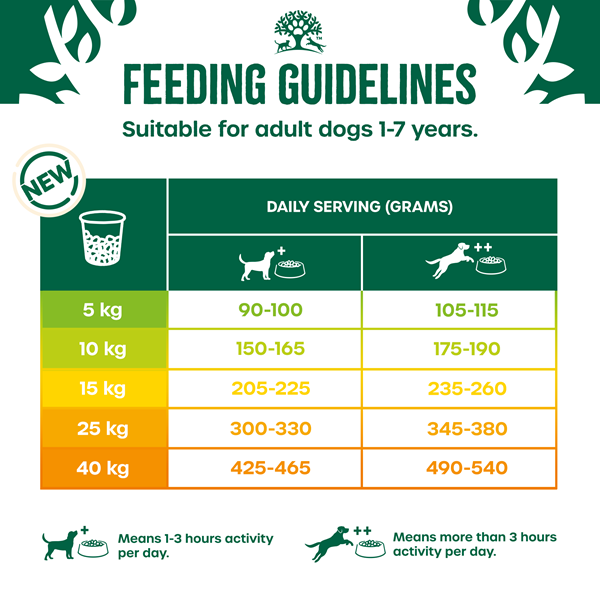
Credit: wellbeloved.com
When To Switch To Adult Dog Food
Knowing when to switch your puppy to adult dog food is important. The right timing supports healthy growth and keeps your dog strong. Puppies and adult dogs have different nutritional needs. Giving adult food too early or too late can cause issues.
Several factors help decide the best time for this change. Breed size, physical signs, and veterinary advice all play a role. This section explains these points to guide you in feeding your dog properly.
Age Guidelines By Breed Size
Small breeds grow faster than large breeds. Most small dogs can switch to adult food at about 9 to 12 months old. Medium-sized dogs usually change at 12 months. Large and giant breeds may need puppy food longer, up to 18 or 24 months.
These age ranges fit general growth stages. Always consider your dog’s breed size for the best timing.
Signs Your Puppy Is Ready
Watch your puppy closely for signs of readiness. When growth slows, it might be time to change food. Adult dogs have less energy need than puppies. If your dog looks full of energy but is no longer growing, adult food is likely suitable.
Teeth development can also show readiness. Puppies with adult teeth usually handle adult food better.
Consulting Your Veterinarian
Your vet knows your dog’s health needs best. A professional check-up helps confirm the right time to switch food. Vets consider weight, growth, and overall health. They may suggest a gradual change to avoid stomach upset.
Always ask your vet before changing your dog’s diet. Their advice ensures your dog stays healthy and happy.
Nutritional Needs Of Adult Dogs
Adult dogs have different nutritional needs than puppies or seniors. Their bodies require balanced nutrients to stay healthy and active. Feeding the right diet helps maintain strong muscles, a shiny coat, and good energy levels. It also supports digestion and overall well-being. Understanding these needs is important for choosing the best adult dog food.
Key Nutrients For Adult Dogs
Proteins build and repair muscles. Adult dogs need moderate amounts of high-quality protein. Fats provide energy and support skin health. Omega-3 and omega-6 fatty acids keep the coat shiny. Carbohydrates supply energy but should be given in controlled amounts. Vitamins and minerals boost immunity and help body functions. Fiber aids digestion and keeps the gut healthy.
Adjusting Portions And Calories
Adult dogs need fewer calories than puppies. Their growth phase is over, so energy needs drop. Portion size depends on the dog’s weight, age, and activity level. Overfeeding causes weight gain and health issues. Regularly measure food and watch for body changes. Adjust calories to keep your dog fit and healthy.
Avoiding Common Feeding Mistakes
Do not overfeed or free-feed all day. This leads to obesity and joint problems. Avoid sudden diet changes that upset digestion. Provide fresh water with every meal. Do not feed dogs human food often, especially harmful items. Monitor your dog’s weight and health regularly. Consult a vet for personalized feeding advice.
Choosing The Right Adult Dog Food
Choosing the right adult dog food is important for your dog’s health. Adult dogs have different needs than puppies. Good nutrition supports their energy, weight, and overall wellness. Knowing what type of food fits your dog helps keep them happy and strong.
Types Of Adult Dog Food
There are dry, wet, and raw types of adult dog food. Dry food is easy to store and helps clean teeth. Wet food has more moisture and can be tastier. Raw food mimics a natural diet but needs careful handling. Each type has pros and cons. Choose the one your dog prefers and digests well.
Reading Dog Food Labels
Labels show important information about dog food. Look for protein sources like chicken, beef, or fish. Check the guaranteed analysis for fat and fiber levels. Avoid foods with too many fillers like corn or soy. Ingredients are listed by amount, from most to least. This helps you know what your dog eats.
Special Diets And Allergies
Some dogs need special diets because of allergies or health issues. Common allergens include wheat, dairy, and certain proteins. Your vet can help find the best food for sensitive dogs. Limited ingredient diets reduce allergy risks. Prescription diets support conditions like kidney or weight problems. Watch your dog for any signs of food reaction.
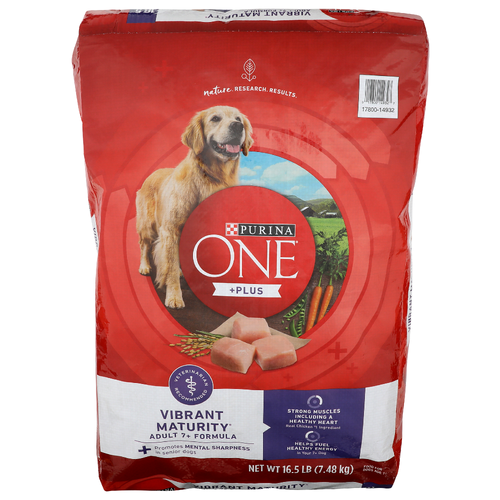
Credit: www.brookshires.com
Transitioning Your Dog’s Diet
Changing your dog’s food from puppy to adult requires care. Sudden diet shifts can upset their stomach. A smooth transition supports your dog’s health and happiness. It helps them adjust to new nutrients and flavors.
Gradual Food Changes
Switch dog food slowly over 7 to 10 days. Mix a small amount of adult food with puppy food. Increase adult food and decrease puppy food each day. This helps your dog get used to the new diet.
Managing Digestive Sensitivity
Watch for signs of stomach upset like diarrhea or vomiting. Stop the switch if your dog shows these signs. Give a few days with the old food before trying again. Some dogs need more time to adjust.
Monitoring Your Dog’s Response
Check your dog’s energy and coat condition during the switch. Healthy dogs stay active and have shiny fur. If your dog seems tired or dull, consult a vet. Proper monitoring ensures your dog thrives on adult food.
Maintaining Healthy Feeding Habits
Maintaining healthy feeding habits is key for your adult dog’s wellness. Proper nutrition supports energy, growth, and overall health. It also helps prevent obesity and digestive problems. Establishing good routines benefits your dog’s body and mind. Consistency in feeding habits creates a happy, healthy pet.
Feeding Schedules And Portions
Set regular feeding times each day. Most adult dogs do well with two meals daily. Avoid free feeding to control portions and weight. Measure food carefully using a cup or scale. Adjust portions based on your dog’s size, age, and activity level. Avoid overfeeding to keep your dog fit.
Importance Of Hydration
Water is vital for your dog’s health. Fresh water must always be available. Hydration helps digestion and keeps your dog cool. Check water bowls often and refill as needed. Encourage your dog to drink by placing bowls in quiet, accessible spots.
Regular Health Checkups
Schedule vet visits at least once a year. Health checkups catch problems early and maintain wellness. Your vet can advise on diet changes as your dog ages. Keep vaccinations and parasite control updated. Regular exams ensure your dog stays healthy and happy.
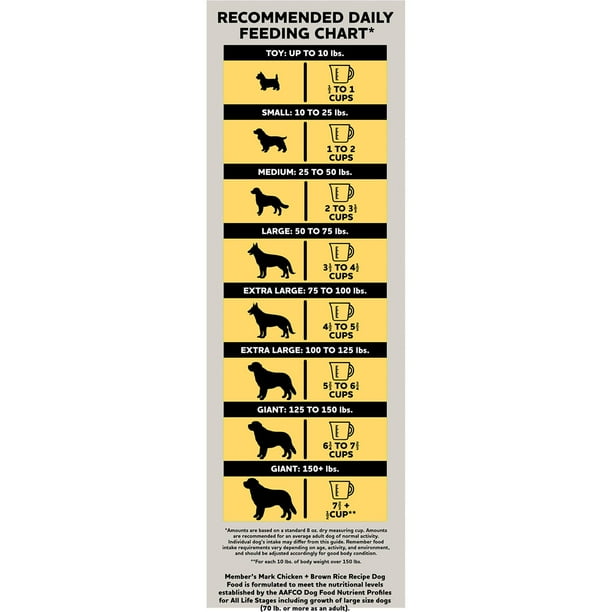
Credit: www.samsclub.com
Frequently Asked Questions
When Should I Switch My Puppy To Adult Dog Food?
Most dogs switch to adult dog food between 12 and 18 months. Smaller breeds mature faster and may switch earlier. Larger breeds may need puppy food longer for proper growth. Always consult your vet for the best timing based on your dog’s breed and size.
How Does Adult Dog Food Differ From Puppy Food?
Adult dog food has fewer calories and less fat than puppy food. It focuses on maintaining weight and overall health. Puppy food is richer to support growth and energy needs. Feeding the right type prevents obesity and nutritional imbalances in adult dogs.
Can I Feed Adult Dog Food To Puppies?
No, adult dog food lacks essential nutrients for puppy growth. Puppies need more protein, fat, and vitamins for healthy development. Feeding adult food too early can cause deficiencies and health issues. Always choose age-appropriate food to support your puppy’s needs.
What Factors Determine The Right Age For Adult Dog Food?
Breed size, growth rate, and health status influence when to switch. Small breeds mature faster than large breeds. Health conditions may require special dietary considerations. Your vet can guide the best age and food type for your dog’s needs.
Conclusion
Adult dog food suits dogs around one year old. Puppies need special food for growth. Switching too early or too late can cause problems. Watch your dog’s size, energy, and health signs. Consult a vet for the best advice. Proper nutrition helps dogs stay happy and strong.
Choosing the right time to change food matters. Keep your dog healthy with the right diet. Simple steps make feeding easier and safer. Your dog will thank you with good health.