

Are you wondering when to switch your furry friend from puppy food to adult dog food? It’s a common question every dog owner faces.
Choosing the right time to make this change can impact your dog’s health, energy, and happiness. If you’re unsure whether your pup is ready for adult food or worried about making the switch too soon or too late, you’re in the right place.
Keep reading to discover clear signs and expert tips that will help you feed your dog the best way possible. Your dog’s well-being depends on it!
Credit: www.petmd.com
Puppy Growth Stages
Puppies grow fast and their food needs change with each stage. Knowing the growth stages helps decide when to switch to adult food. Each phase has clear signs of development and dietary needs. Understanding these stages ensures your dog stays healthy and strong.
From Newborn To Weaning
Puppies start life nursing from their mother. Their diet is only milk during the first few weeks. This milk gives all the nutrients they need. Around three to four weeks, puppies begin to nibble solid food. This stage is called weaning. It slowly introduces them to puppy food. This transition is gentle and gradual.
Rapid Growth Phase
Between six weeks and six months, puppies grow very fast. They need more calories and nutrients than adult dogs. Puppy food is rich in protein and fat. It supports muscle and bone development. Feeding the right food during this phase is crucial. It helps puppies develop strong bodies and stay active.
Signs Of Maturity
Puppies reach maturity at different ages, depending on their breed. Small breeds mature around nine to twelve months. Larger breeds may take up to two years. Signs of maturity include slower growth and less energy. Teeth become adult size and body shape changes. When these signs appear, it’s time to think about adult food.

Credit: www.hladnovrockchoir.com
Differences Between Puppy And Adult Food
Understanding the differences between puppy food and adult food helps you feed your dog right. Puppies grow fast. Their bodies need special care and nutrition. Adult dogs have different needs. Feeding the right food supports health and energy at every life stage.
Puppy food and adult food vary in many ways. Each type is made to meet specific needs. Let’s explore the key differences to help you choose the best diet for your dog.
Nutritional Needs
Puppies need more protein and fat to grow strong. Their food supports muscle and brain development. Adult dogs need balanced nutrition for maintenance. Their food has fewer calories but enough nutrients for energy and health.
Calorie Content
Puppy food contains more calories per serving. Growing puppies burn a lot of energy. Adult dog food has fewer calories to prevent weight gain. Calories match the dog’s activity and life stage.
Ingredient Variations
Puppy food often has added vitamins and minerals. These help build bones and support immunity. Adult food focuses on joint health and digestion. Ingredients adjust to meet changing needs of adult dogs.
Timing To Switch To Adult Food
Knowing the right time to switch your dog to adult food helps keep them healthy. Puppies need special nutrition to grow. Adult dogs have different needs. Changing their diet too soon or too late can cause problems. Watch your dog’s growth and health to decide the best time.
Breed Size Considerations
Small and large breeds grow at different rates. Small breeds usually mature faster. They may be ready for adult food around 9 to 12 months. Large breeds take longer to grow. They might need puppy food until 12 to 18 months old. Feeding large breeds adult food too early can harm their joints.
Age Guidelines
Puppies generally switch to adult food between 9 and 18 months. Use your dog’s breed size to guide you. Most small breeds change by one year old. Medium breeds can switch at 12 months. Large and giant breeds need more time on puppy food. Always check your dog’s behavior and energy levels too.
Weight And Health Factors
Healthy weight matters when changing food. Overweight puppies may need adult food sooner. Dogs with special health issues need different diets. Consult your vet before switching food. Your vet can suggest the best time based on health. Monitor your dog’s weight and activity during the switch.
Credit: www.alhefzi.com
Transitioning Your Dog’s Diet
Changing your dog’s food from puppy to adult is important for their health. This change should be smooth to avoid stomach problems. Dogs need time to get used to new food. Watch how your dog reacts during this change.
Gradual Food Introduction
Start by mixing a small amount of adult food with puppy food. Increase the adult food amount slowly over 7 to 10 days. This helps your dog’s stomach adjust. Sudden changes can cause upset tummy or diarrhea.
Monitoring Digestive Health
Check your dog’s stool for changes during the transition. Soft or loose stools may mean the food change is too fast. Also, watch for vomiting or lack of appetite. These signs need attention and may mean slowing the transition.
Adjusting Portion Sizes
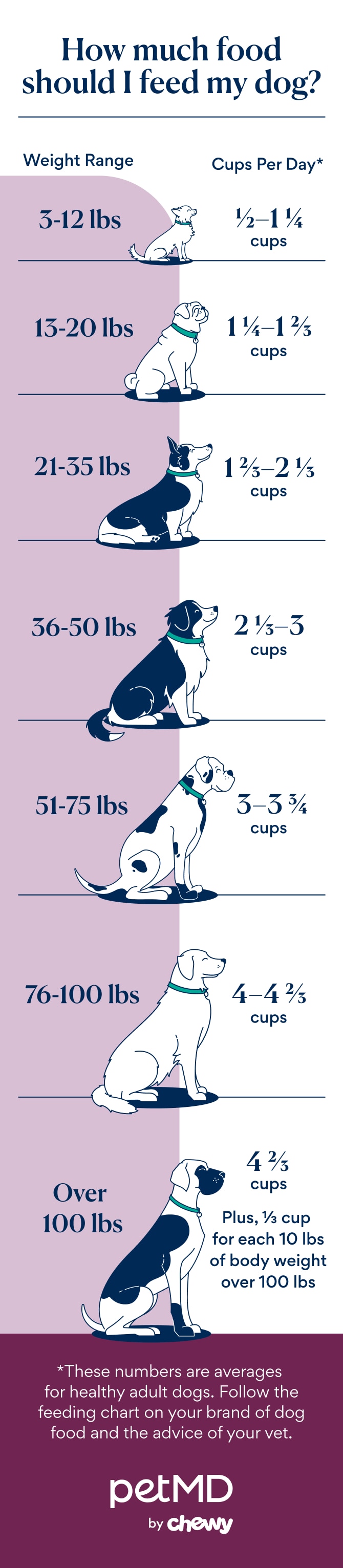
Adult dogs need different amounts of food than puppies. Follow feeding guidelines on the dog food package. Adjust the portions based on your dog’s weight and activity. Avoid overfeeding to keep your dog at a healthy weight.
Common Mistakes To Avoid
Feeding your dog adult food is an important step in their growth. Many dog owners make mistakes during this change. These errors can cause health problems or slow growth. Knowing what to avoid helps your dog stay healthy and happy.
Switching Too Early Or Late
Switching your dog to adult food too early can cause poor nutrition. Puppies need extra nutrients to grow strong. Changing too late means your dog eats food not fit for its age. This can lead to weight gain or lack of energy. Follow your vet’s advice on the right time to switch.
Ignoring Breed Specifics
Different breeds have different needs. Large breeds grow slower and need special adult food. Small breeds mature faster and require different nutrients. Using one type of food for all breeds can cause problems. Learn about your dog’s breed to choose the best food.
Overfeeding During Transition
Many owners feed too much during the change. Overfeeding leads to weight gain and stomach upset. Gradually mix adult food with puppy food over 7-10 days. Watch your dog’s weight and energy levels. Feed the right amount to keep your dog healthy.
Special Cases And Exceptions
Some dogs need a different feeding schedule than others. Special cases and exceptions affect the switch to adult dog food. Breed size and health play a key role. Understanding these helps you make the best choice for your dog’s diet.
Small Breed Dogs
Small breed dogs grow faster than large dogs. They often need adult food earlier, around 9 to 12 months. Their metabolism is high. So, adult food with more calories suits them better. Watch their weight and energy levels closely.
Large And Giant Breeds
Large and giant breeds take longer to mature. They stay puppies for 12 to 24 months. Switching to adult food too soon can harm their growth. Use puppy food designed for big breeds until fully grown. This supports strong bones and joints.
Dogs With Health Issues
Health problems affect diet needs. Dogs with allergies or digestive issues may need special adult food. Some conditions require veterinary advice before switching food. Follow the vet’s plan to avoid risks and support health.
Tips For Choosing The Right Adult Food
Choosing the right adult food for your dog is very important. It helps keep your dog healthy and happy. There are many options available. Knowing what to look for makes the choice easier. These tips will guide you to select the best food for your dog’s needs.
Reading Labels
Start by checking the food label carefully. Look for high-quality protein as the first ingredient. Avoid foods with too many fillers like corn or wheat. Check for added vitamins and minerals. These support your dog’s health. Also, note the calorie content to avoid overfeeding.
Consulting Your Veterinarian
Your vet knows your dog’s health well. Ask them what type of adult food suits your dog. They can recommend brands and formulas. This advice is especially helpful if your dog has health issues. Follow their guidance for the best results.
Considering Lifestyle And Activity Level
Think about how active your dog is daily. Dogs that exercise more need food with higher energy. Less active dogs need fewer calories to avoid weight gain. Also, consider your dog’s size and breed. These factors affect the type of food needed.
Frequently Asked Questions
When Should I Switch My Puppy To Adult Dog Food?
You should switch your puppy to adult dog food between 9 to 12 months old. Large breeds may need up to 18 months. Consult your vet to ensure the timing suits your dog’s growth and health needs.
How Do I Know If My Dog Is Ready For Adult Food?
Signs your dog is ready include reaching full size and slowing growth. Puppies lose their puppy coat and teeth fully. Your vet can help confirm if the dog is ready for adult food.
What Risks Come From Switching Dog Food Too Early?
Switching too early can cause nutritional imbalances and digestive issues. Puppies need higher calories and nutrients for growth. Premature change might stunt development or cause health problems.
Can Adult Dog Food Support Large Breed Puppies?
Adult dog food is usually not suitable for large breed puppies. Large breeds need special nutrients for bone and joint growth. Always feed large breed puppy food until vet advises otherwise.
Conclusion
Feeding your dog adult food at the right time helps keep them healthy. Watch your dog’s growth and behavior closely. Most dogs need adult food around one year old. Small breeds may switch sooner; large breeds might take longer. Choose food that matches their size and energy needs.
Always introduce new food slowly to avoid stomach upset. Consult your vet if you feel unsure about timing. Your dog will thank you with good health and happiness. Simple steps lead to a strong, active adult dog.


