
Knowing exactly when to switch your furry friend to adult dog food can make a huge difference in their health and happiness. You want to give your dog the best nutrition at the right time, but it’s not always clear when that moment comes.
Are you wondering if your puppy is ready? Or maybe you’re unsure how to tell if it’s time to make the change? Keep reading, because understanding the perfect timing for adult dog food will help you keep your dog strong, energetic, and thriving for years to come.
Let’s dive into what you need to know to make the best choice for your loyal companion.
Choosing The Right Feeding Schedule
Choosing the right feeding schedule for your adult dog is important for their health. It helps keep their energy steady and supports digestion. A good schedule fits your dog’s needs and your daily routine. This balance keeps your dog happy and healthy.
Morning Vs Evening Feeding
Feeding your dog in the morning gives them energy for the day. Morning meals can help regulate their bathroom schedule. Evening feeding can calm your dog before bedtime. Some dogs do better with one big meal in the evening. Others prefer smaller meals spread out. Watch your dog’s behavior to decide what works best.
Frequency Of Meals
Most adult dogs do well with two meals a day. This helps control hunger and keeps blood sugar steady. Some dogs need three smaller meals, especially if they are very active. Avoid free feeding, which can cause overeating. Set times help your dog know when to expect food.
Consistent Timing Benefits
Feeding your dog at the same times each day builds routine. Dogs feel more secure with a set schedule. It helps prevent digestive problems like vomiting or diarrhea. Regular timing also makes it easier to notice any changes in appetite. Consistency supports good habits and healthy digestion.
Credit: www.pedigree.com
Factors Affecting Feeding Time
Feeding adult dog food depends on several important factors. Each dog is unique, so feeding times vary. Understanding these factors helps you give the right food at the right time. This keeps your dog healthy and happy.
Dog’s Age And Activity Level
Age plays a big role in feeding schedules. Puppies need more meals than adult dogs. Active dogs burn more energy and need more food. Older dogs may eat less but need nutrient-rich food. Adjust feeding times based on your dog’s daily activity.
Health Conditions
Health issues affect when and how much to feed. Dogs with diabetes may need smaller, frequent meals. Dogs with digestive problems may require special diets. Always follow your vet’s advice for feeding times. Watch for changes in your dog’s appetite or behavior.
Breed-specific Needs
Different breeds have different feeding needs. Large breeds may benefit from slower feeding times to prevent bloating. Small breeds might need more frequent meals. Some breeds require special diets for coat or joint health. Know your breed’s needs to set proper feeding times.
Signs Your Dog Is Hungry Or Full
Knowing when your dog is hungry or full helps you feed them properly. Dogs show clear signs through their behavior and body. Watching these signs can improve your dog’s health and happiness. This section explains how to spot hunger and fullness in your dog.
Behavioral Cues
Dogs act differently when hungry or full. A hungry dog may pace or whine near their food bowl. They might follow you around or nudge your hand for food. A full dog often walks away or ignores their bowl. They may lose interest in treats or toys.
Physical Indicators
Look for physical signs of hunger or fullness. A hungry dog’s stomach may growl or feel empty. They might lick their lips or drool more than usual. A full dog’s stomach feels soft and round. Their energy may slow down after eating.
Adjusting Meal Times
Feed your dog based on their hunger and fullness signs. Adjust meal times if they seem too hungry or not hungry enough. Some dogs do better with two meals a day, others need three. Consistent feeding times help your dog feel secure and satisfied.
Credit: www.petmd.com
Avoiding Common Feeding Mistakes
Feeding your dog the right amount of adult dog food is crucial for their health. Many pet owners make common feeding mistakes that can harm their pets. Understanding these errors helps keep your dog healthy and happy. Here are some key points to consider.
Overfeeding Risks
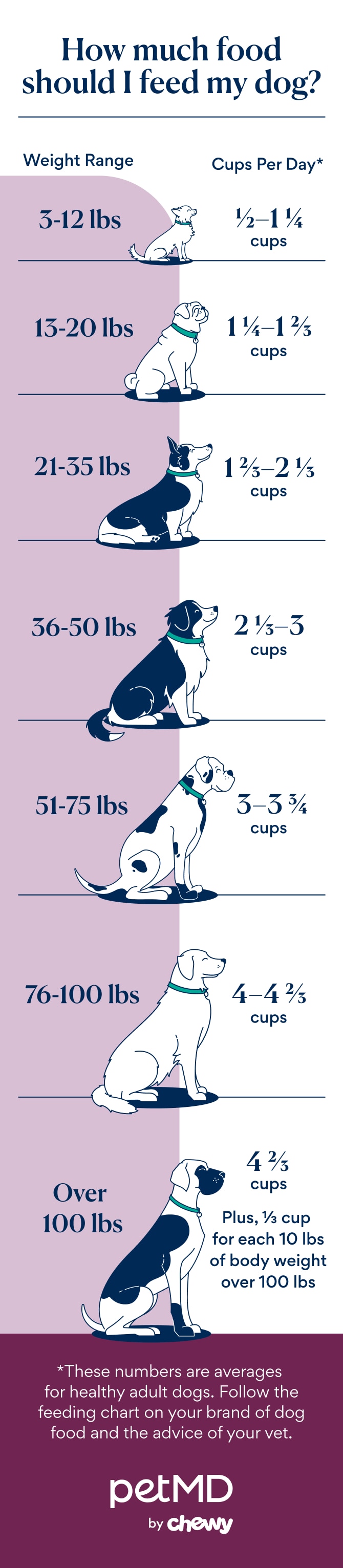
Giving too much food causes weight gain and obesity. Overweight dogs face joint problems and heart disease. Overfeeding can also lead to digestive issues. Controlling portions keeps your dog fit and active. Follow feeding guidelines on the dog food package. Adjust portions based on your dog’s activity and size.
Underfeeding Consequences
Feeding too little causes weakness and poor growth. Dogs may lose energy and have dull coats. Underfeeding can lower their immune system. It affects your dog’s overall health and happiness. Make sure your dog gets enough nutrients every day. Consult a vet if unsure about the right amount.
Timing And Exercise
Feed your dog at regular times to create a routine. Avoid feeding right before or after exercise. Exercise on a full stomach can cause stomach upset. Wait at least one hour after meals before exercise. Regular feeding and exercise improve digestion and energy. A balanced schedule helps your dog feel good daily.
Special Considerations For Adult Dogs
Adult dogs have unique nutritional needs that differ from puppies and seniors. Their diet must support health, energy, and weight. Feeding the right adult dog food helps maintain their well-being. Consider special factors before choosing the food type and amount. Age, activity, and health all play roles in this decision.
Senior Dogs
Senior dogs need food that supports aging joints and organs. Their metabolism slows down, so fewer calories may be necessary. Foods with added vitamins and minerals can help keep them active. Ingredients that support joint health, like glucosamine, are important. Adjust feeding amounts to prevent weight gain or loss. Monitor their health closely during this stage.
Weight Management
Maintaining a healthy weight is vital for adult dogs. Overweight dogs risk many health problems. Choose foods lower in fat and calories for these dogs. Portion control matters more than ever. Feeding smaller, frequent meals can help control weight. Regular exercise combined with proper diet keeps dogs fit and happy.
Transitioning From Puppy To Adult Food
Switching from puppy to adult food requires care. Puppies have more energy needs than adults. A gradual change over 7-10 days avoids stomach upset. Mix increasing amounts of adult food with puppy food daily. Watch for any signs of digestive trouble. Proper transition ensures good digestion and nutrient absorption.
Tips For Successful Feeding Routine
Creating a good feeding routine helps your adult dog stay healthy and happy. Dogs like regular meal times. It keeps their digestion steady and their energy balanced. A clear routine also makes your life easier. Here are some useful tips for a successful feeding routine.
Using Timers And Reminders
Timers and reminders help you feed your dog on time every day. Set alarms on your phone or use a kitchen timer. This stops you from forgetting or feeding too late. Consistent meal times keep your dog calm and well-behaved.
Meal Preparation Techniques
Prepare your dog’s meals in advance to save time. Measure the right amount of food for each meal. Store portions in separate containers for quick access. This keeps the food fresh and the feeding process smooth. Clean bowls before each meal to keep your dog healthy.
Involving Family Members
Ask family members to help with feeding. Make sure everyone knows the feeding schedule and portions. This avoids overfeeding or missed meals. Sharing the task creates teamwork and keeps your dog’s routine steady.
Credit: www.fredmeyer.com
Frequently Asked Questions
When Should I Switch My Puppy To Adult Dog Food?
Switch to adult dog food when your puppy reaches 12 months. Large breeds may need up to 18-24 months. This ensures balanced nutrition for their growth and development stages.
What Are Signs My Dog Is Ready For Adult Food?
Signs include slowed growth, stable weight, and reduced energy needs. Consult your vet to confirm your dog’s age and health before switching food.
Can I Feed Adult Dog Food To Puppies?
Adult dog food lacks the nutrients puppies need for growth. Feeding adult food too early can cause deficiencies and health issues. Always use age-appropriate food.
How Does Adult Dog Food Differ From Puppy Food?
Adult dog food has fewer calories and different nutrient ratios. It supports maintenance, not rapid growth. Puppy food is richer in protein and fat for development.
Conclusion
Choosing the right time to switch to adult dog food helps your pet stay healthy. Puppies need special nutrition, but adult dogs have different needs. Watch your dog’s growth and behavior for signs of readiness. Changing food too soon or too late can cause problems.
Keep your vet informed about your dog’s diet changes. A good diet supports energy, coat, and overall health. Feeding adult dog food at the right time gives your dog the best care. Simple steps make feeding easier and keep your dog happy.


