

Are you wondering if your 6-month-old puppy can start eating adult dog food? It’s a common question that many dog owners face as their furry friend grows.
Feeding your puppy the right food at the right time is crucial for their health and development. Choosing the wrong diet can lead to problems down the road, and you want to make sure you’re giving your puppy the best start in life.
You’ll discover exactly when and why you might switch your puppy’s food, and how to do it safely. Keep reading to make sure your puppy stays happy, healthy, and full of energy.

Credit: gentledogtrainers.com.au
Nutritional Needs Of 6-month-old Puppies
Puppies at six months old grow fast and need special food. Their bodies change quickly as they move from baby to adult dogs. Feeding them the right food helps them stay healthy and strong. Understanding their nutritional needs ensures they get the best start in life.
Choosing the correct diet supports their bones, muscles, and energy. It also helps their brain and immune system develop well. Puppies need more than just filling their stomachs. Their food must provide what their growing bodies demand.
Growth Requirements
Puppies need more calories than adult dogs. Their bodies work hard to grow bones and muscles. Energy fuels their active play and learning. Good growth depends on balanced meals with enough protein and fat. Too little food slows growth. Too much can cause weight problems.
Key Nutrients For Puppies
Protein is vital for muscle and tissue building. Fat provides energy and supports brain growth. Calcium and phosphorus strengthen bones and teeth. Vitamins and minerals keep organs healthy and immune strong. DHA helps develop the brain and eyes. Water is critical to keep puppies hydrated and healthy.
Differences From Adult Dogs
Adult dogs need fewer calories and less fat. Their growth has slowed or stopped. Puppies require food higher in protein and fat. Adult dog food lacks some nutrients puppies must have. Feeding adult food to puppies might cause health problems. Puppy food matches their fast growth and energy needs better.

Credit: www.poochandmutt.co.uk
Risks Of Feeding Adult Dog Food To Puppies
Feeding adult dog food to a 6-month-old puppy carries several risks. Puppies have unique needs that adult food does not meet. Their growing bodies require special nutrients and energy. Using adult food can cause health problems now and later.
Nutrient Deficiencies
Adult dog food lacks some vital nutrients puppies need. Puppies need more protein and fat to grow strong. Adult food usually has less of these nutrients. This can lead to slow growth and weak muscles. Important vitamins and minerals may also be missing. This can affect bone and brain development.
Digestive Issues
Puppies have sensitive stomachs that need gentle food. Adult food can be harder to digest for puppies. This may cause upset stomach, diarrhea, or vomiting. Poor digestion can reduce nutrient absorption. This means your puppy may not get the nutrients it needs.
Long-term Health Effects
Feeding adult food too early can harm your puppy’s future health. Lack of proper nutrients may cause lasting bone and joint problems. It can also weaken the immune system. This makes your dog more prone to illness. Early diet mistakes can affect your dog for life.
When To Transition To Adult Dog Food
Knowing when to switch your puppy from puppy food to adult dog food is important. The right timing supports healthy growth and development. A sudden change can upset their digestion. Understanding the signs and recommended age helps make this transition smooth. Follow simple steps for a gradual change to avoid stomach problems.
Signs Your Puppy Is Ready
Your puppy shows certain signs before switching. Their growth slows down and energy levels become steadier. Teeth are fully grown and stronger. Appetite remains good but their body shape starts to look leaner. They no longer have the rapid weight gain typical of young puppies. These clues show they need adult food nutrients.
Recommended Age Range
Most puppies transition between six and twelve months old. Small breeds often switch earlier, around six months. Larger breeds may need puppy food longer, up to twelve months. Check your vet’s advice based on your dog’s breed and size. Age is a guide, not a strict rule.
Gradual Transition Tips
Mix a small amount of adult food into puppy food at first. Increase adult food over 7 to 10 days. Watch for any signs of upset stomach or refusal to eat. Keep fresh water available at all times. This slow change helps your puppy adjust to new taste and texture.
Choosing The Right Food For Your Puppy
Choosing the right food for your puppy is very important for their health. Puppies have different needs than adult dogs. Their food must support growth and strong bones. Feeding the wrong food can cause problems later.
At six months, many puppies are still growing. They need a balanced diet made for their age. Understanding what to feed helps your puppy stay healthy and happy.
Puppy-specific Formulas
Puppy-specific formulas have extra nutrients for growth. These foods include more protein and fat than adult dog food. The vitamins and minerals support bone and brain development. Switching too early to adult food can miss these benefits.
Choose a formula made for your puppy’s size and breed. Large breeds need different nutrition than small breeds. This helps avoid problems like joint issues in the future.
Reading Dog Food Labels
Dog food labels show what ingredients and nutrients are inside. Look for words like “complete and balanced” for puppies. Check the protein and fat percentages to match puppy needs. Avoid foods with too many fillers or artificial ingredients.
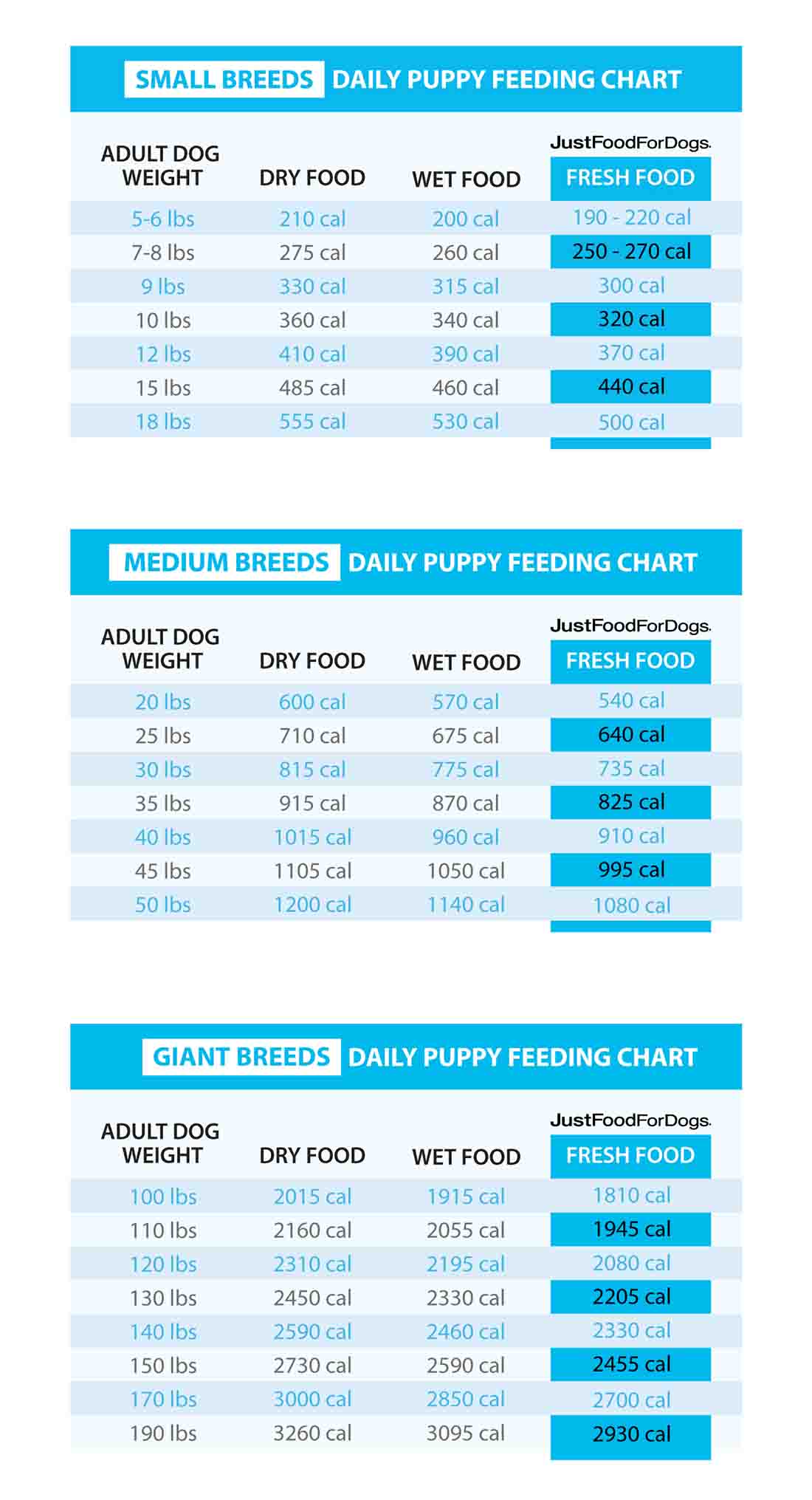
Labels also show the recommended feeding amounts. Follow these to avoid overfeeding or underfeeding your puppy. Proper portions help keep your puppy at a healthy weight.
Consulting Your Veterinarian
Your veterinarian knows what food suits your puppy best. They can suggest brands or formulas based on health and breed. Discuss any allergies or special dietary needs your puppy has.
Regular check-ups let the vet track your puppy’s growth and health. They can advise when to switch from puppy to adult food. Trust their advice to keep your puppy thriving.
Expert Opinions On Puppy Nutrition
Puppy nutrition is a key topic for pet owners. Experts share their views on feeding puppies, especially around six months old. Puppies grow fast and need the right food to stay healthy. The choice between puppy and adult dog food is important. Expert advice helps guide this decision.
Veterinarians’ Advice
Veterinarians stress the importance of puppy food for young dogs. Puppy food has more nutrients that support growth. Adult dog food often lacks these essential nutrients. At six months, many puppies still need the extra protein and fat. Vets recommend transitioning to adult food closer to one year old. Sudden changes in diet can upset digestion. A slow switch is best for a puppy’s tummy.
Nutritionists’ Recommendations
Pet nutritionists focus on balanced diets for puppies. They say puppy food supports brain and bone development. Adult food may not meet these needs fully. Nutritionists suggest checking food labels for key nutrients. Ingredients like DHA, calcium, and protein are vital. At six months, some larger breeds may need longer puppy feeding. Nutritionists advise following breed-specific guidelines for best results.
Common Myths Debunked
Many believe six-month-old puppies can eat adult food without issues. This is not always true. Puppy food is designed for rapid growth stages. Feeding adult food too early can cause nutrient gaps. Some think puppy food is just pricier adult food. Actually, it has a different nutrient balance. Experts warn against switching too soon. The right diet supports a healthy puppy future.
Credit: www.justfoodfordogs.com
Frequently Asked Questions
Can 6 Month Old Puppies Eat Adult Dog Food Safely?
Yes, some 6 month old puppies can start eating adult dog food. Consult your vet first, as nutritional needs vary by breed and size.
When Should I Switch My Puppy To Adult Dog Food?
Most puppies transition to adult dog food between 6 to 12 months. Timing depends on their growth rate and breed size.
What Are The Risks Of Feeding Puppies Adult Food Early?
Feeding adult food too early can cause nutrient deficiencies. Puppies need higher protein, fat, and calories for healthy growth.
How To Gradually Switch Puppies To Adult Dog Food?
Mix increasing amounts of adult food with puppy food over 7-10 days. This helps avoid digestive upset during the transition.
Conclusion
Six-month-old puppies need the right food for healthy growth. Adult dog food may not meet their nutritional needs. Feeding puppy food supports strong bones and energy. Always check with your vet before changing diets. Watch your puppy’s health and weight closely.
Good nutrition helps your puppy grow into a happy adult dog. Choose food that fits their age and activity. Keeping your puppy healthy starts with smart feeding choices.


