

Are you wondering when to switch your Cavalier to adult dog food? Knowing the right time can make a big difference in your dog’s health and happiness.
Feeding your furry friend the right food at the right age helps them grow strong and stay active. You’ll discover clear signs to look for and easy tips to make the transition smooth. Keep reading to ensure your Cavalier gets the best nutrition exactly when they need it.
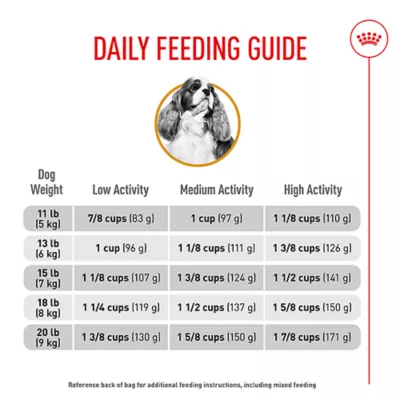
Credit: www.petsmart.com
Cavalier Puppy Growth Stages
The growth of a Cavalier puppy happens in clear stages. Each stage shapes its health and behavior. Understanding these stages helps know when to start adult dog food. Nutrition needs change as the puppy grows. Feeding the right food at the right time supports strong bones, muscles, and a healthy immune system.
Watch your puppy closely during these stages. They show signs of readiness for new food types. This guide covers the key growth stages of Cavalier puppies.
From Birth To Weaning
Newborn Cavaliers depend fully on their mother’s milk. Milk gives all needed nutrients for the first few weeks. Puppies cannot eat solid food yet. Their digestive systems are still very fragile. This stage lasts about four weeks. The puppy grows fast and sleeps a lot. Keep the area warm and clean for health.
Transition To Solid Food
At about four weeks, puppies start tasting solid food. Begin with soft, moist puppy food mixed with water. This helps them chew and digest easier. Gradually reduce the water over two weeks. By eight weeks, most puppies eat solid food well. This period is important to avoid stomach upset.
Key Development Milestones
Puppies grow teeth between three and six weeks. They become more active and curious. Social skills develop as they interact with littermates. Around 12 months, they reach full size. At this time, switch to adult dog food. The switch supports energy needs and keeps weight healthy.

Credit: concordpetfoods.com
Signs Your Cavalier Is Ready
Knowing the right time to switch your Cavalier to adult dog food is important. This change supports their growth and health as they mature. Watch for clear signs your dog is ready. These signs include physical changes, behavior shifts, and new nutritional needs. Understanding these can help you make a smooth transition.
Physical Indicators
Your Cavalier’s body shows when it is time to change food. Look for changes in size and weight. Puppies grow fast but slow down as they near adulthood. Their teeth also change from baby teeth to adult teeth. Coat texture may become thicker or shinier. These signs mean your dog is maturing and may need adult food.
Behavioral Changes
Behavior can tell you when to switch to adult food. Your Cavalier might seem less energetic than before. They may lose interest in puppy toys or chew less. Appetite might change, becoming more stable and less frequent. These shifts show your dog is growing out of puppyhood.
Nutritional Needs Shift
Puppies need more calories and nutrients for growth. Adult dogs need balanced nutrition for maintenance. Your Cavalier’s needs will change as growth slows. Adult food has different nutrient ratios to support health. Feeding the right food helps prevent obesity and supports energy levels.
Ideal Age To Switch To Adult Food
Knowing the right time to switch your Cavalier King Charles Spaniel to adult dog food is important. This change supports their growth and health. Feeding adult food too soon or too late can affect their nutrition and energy. Understanding the ideal age helps you give your dog the best care.
General Age Guidelines
Most dogs move to adult food between 9 and 12 months old. Puppies grow fast and need more calories in the first year. After this, their growth slows down. Adult food has the right nutrients for slower growth and adult energy levels. Switching around one year old works for many dogs.
Breed-specific Considerations
Cavalier King Charles Spaniels are small to medium-sized dogs. They grow a bit faster than large breeds. Usually, they are ready for adult food by 10 to 12 months old. Watch their body shape and energy. If your dog seems full-grown and less playful, adult food suits them better.
Veterinarian Recommendations
Your vet knows your dog’s health best. They can tell you the perfect time to switch foods. Regular check-ups help track your dog’s growth and weight. Vets may suggest waiting or changing diet earlier based on health. Always ask your vet before changing your dog’s food.

Credit: shop.wihumane.org
Choosing The Right Adult Food
Choosing the right adult food for your Cavalier is essential for its health. Adult dog food has different nutrients than puppy food. These nutrients support your dog’s energy and body maintenance. Feeding the right food helps keep your Cavalier happy and active.
Nutritional Requirements
Cavalier adults need a balanced diet with proteins, fats, and carbohydrates. Protein helps build and repair muscles. Healthy fats give energy and keep the coat shiny. Carbohydrates provide fuel for daily activities. Vitamins and minerals support immune health and bone strength. Make sure the food meets these basic needs.
Quality Ingredients
Look for foods with real meat as the first ingredient. Avoid products with fillers like corn or soy. Whole grains and vegetables add fiber and nutrients. Natural preservatives are better than artificial ones. High-quality ingredients improve digestion and overall health. Your Cavalier will enjoy meals made with care.
Avoiding Common Pitfalls
Do not feed adult food too early. Puppies need extra nutrients for growth. Switching too late can cause weight gain or nutrient gaps. Avoid foods with too many fillers or artificial additives. Watch for allergies or sensitivities to certain ingredients. Check the food label carefully before buying. Proper timing and choice prevent health problems.
Transitioning Tips For A Smooth Switch
Switching your Cavalier to adult dog food needs care and patience. A smooth change helps avoid stomach issues and keeps your dog happy. Follow these simple tips for a good transition.
Gradual Food Introduction
Start by mixing a small amount of adult food with puppy food. Increase the adult food portion over 7 to 10 days. This slow change helps your dog’s stomach adjust easily. Sudden food changes can cause diarrhea or vomiting.
Monitoring Health And Behavior
Watch your Cavalier closely during the switch. Check for signs like vomiting, diarrhea, or loss of appetite. Also, notice changes in energy or mood. Contact your vet if problems last more than a few days.
Adjusting Portion Sizes
Adult dogs need fewer calories than puppies. Follow feeding guidelines on the adult food package. Adjust portions based on your dog’s weight and activity level. Overfeeding can lead to weight gain and health issues.
Common Mistakes To Avoid
Feeding your Cavalier adult dog food at the right time is important. Many dog owners make common mistakes that can harm their pet’s health. These errors can cause digestion problems, poor nutrition, and other issues. Avoiding these mistakes helps your dog stay healthy and happy.
Switching Too Early Or Late
Changing your Cavalier’s food too soon can upset their stomach. Their body may not be ready for adult food. Switching too late means missing important nutrients for growth. Follow age guidelines but watch your dog’s weight and energy. Balance is key for a smooth transition.
Ignoring Veterinary Advice
Veterinarians know the best time to change your dog’s diet. Ignoring their advice can cause health problems. Each dog is different and needs personalized care. Talk to your vet about your Cavalier’s needs. Trust professional advice to keep your dog safe.
Feeding Inappropriate Food Types
Adult dog food is designed for mature dogs. Puppy food has more calories and nutrients for growth. Feeding the wrong type can lead to weight gain or nutrient gaps. Check labels carefully to pick the right food. Your Cavalier deserves food made just for them.
Special Considerations For Cavaliers
Cavalier King Charles Spaniels need special care with their diet as they grow. Their size, health, and activity level affect the best time to feed adult dog food. Understanding these factors helps you keep your Cavalier healthy and happy. This section covers the key points to consider.
Size And Metabolism
Cavaliers are small dogs with a moderate metabolism. They burn calories faster than bigger breeds. This means they may need food that supports their energy needs. Adult dog food should match their size to avoid weight gain. Feeding the right portion helps maintain a healthy weight.
Health Issues Impacting Diet
Cavaliers often face heart problems and joint issues. These conditions influence their diet choices. Foods rich in omega-3 and antioxidants support heart and joint health. Avoid foods with excessive fillers or artificial additives. A balanced diet can reduce the risk of health problems.
Activity Level Adjustments
Cavaliers vary in activity from calm to playful. More active dogs need higher calorie intake. Less active dogs require fewer calories to avoid weight gain. Adjust food portions based on daily exercise. This keeps your dog fit without overfeeding.
Frequently Asked Questions
When Should I Switch Cavalier To Adult Dog Food?
Switch your Cavalier to adult food around 12 months old. This age marks their transition from puppy to adult nutritional needs. Consult your vet for exact timing based on your dog’s growth and health.
What Signs Show Cavalier Is Ready For Adult Food?
Look for signs like slowed growth and stable weight. Your Cavalier may also have less playful puppy energy. These signs indicate it’s time to change to adult dog food.
Can Feeding Adult Food Too Early Harm My Cavalier?
Yes, feeding adult food too early can cause nutrient deficiencies. Puppies need specific nutrients for growth. Always feed age-appropriate food to support healthy development.
How To Choose The Best Adult Food For Cavalier?
Choose high-quality adult dog food with balanced protein and fats. Look for ingredients supporting joint health and a shiny coat. Always check for breed-specific formulas when possible.
Conclusion
Feeding adult food to your Cavalier at the right time supports their health. Usually, this happens around one year of age. Watch for signs like slower growth or less energy. Choose high-quality adult dog food made for small breeds. Keep an eye on their weight and activity levels.
Adjust food amounts as needed to keep them healthy. Always consult your vet for personalized advice. Feeding the right food at the right time helps your dog live happily and well.


