

Are you curious about whether puppy food has more calories than adult dog food? If you want to give your furry friend the best nutrition, understanding the difference in calorie content is key.
Knowing this can help you choose the right food for your dog’s age and energy needs. Keep reading to discover what sets puppy food apart and how it can affect your dog’s health and growth. This simple insight could make a big difference in your pet’s well-being.
Calorie Needs Of Puppies
Puppies have special calorie needs. Their bodies grow fast. They use energy differently than adult dogs. Understanding these needs helps choose the right food. Puppy food usually has more calories. This supports healthy growth and activity.
Growth And Energy Demands
Puppies grow quickly in their first year. Their bones, muscles, and organs develop fast. This growth needs many calories. Energy fuels this process and keeps puppies active. They play, explore, and learn every day. These activities burn a lot of energy. Puppies need food that meets these high demands. Without enough calories, growth can slow down.
Metabolic Rate Differences
Puppies have a faster metabolism than adult dogs. Their bodies burn calories quicker to support growth. This means they need more calories per pound of body weight. Adult dogs have slower metabolisms and need fewer calories. Puppy food is made to match this faster rate. It provides the energy puppies need for healthy development.
Credit: www.gallant.com
Calorie Content In Puppy Food
Puppy food has a different calorie content than adult dog food. Puppies need more energy for growth and play. Their food must support strong muscles, bones, and brain development. Calories in puppy food are higher to meet these needs.
Typical Caloric Density
Puppy food usually contains 350 to 450 calories per cup. Adult dog food has fewer calories, around 300 to 400 per cup. This difference helps puppies get enough energy without eating too much. Caloric density varies by brand and recipe but stays higher in puppy formulas.
Common Ingredients Boosting Calories
Puppy food often includes ingredients that raise calorie levels. Fats like chicken fat or fish oil add healthy calories. Proteins from meat or eggs provide energy and support growth. Carbohydrates like rice and oats give steady energy. These ingredients work together to keep puppies active and healthy.
Calorie Content In Adult Dog Food
Understanding the calorie content in adult dog food helps pet owners feed their dogs properly. Adult dogs have different energy needs than puppies. Their food is designed to match these needs. The calorie content in adult dog food is usually lower than in puppy food. This supports healthy weight and good health for adult dogs.
Nutritional Focus For Adults
Adult dog food focuses on maintaining health and energy. It contains balanced proteins, fats, and carbohydrates. The goal is to keep muscles strong and support daily activities. Vitamins and minerals in adult food support immune health and digestion. The calorie content is set to avoid weight gain. This is important because adult dogs are less active than puppies.
Calorie Levels Compared To Puppies
Puppy food has higher calories to support growth and energy needs. Adult dog food has fewer calories to prevent obesity. Puppies burn more energy as they grow fast. Adults need fewer calories because growth slows. Feeding adult dogs high-calorie puppy food can lead to weight problems. Choosing the right calorie level helps dogs stay fit and healthy.
Why Puppies Need More Calories
Puppies need more calories than adult dogs for important reasons. Their bodies are growing fast and need extra energy. The right amount of calories helps puppies stay healthy and strong. Understanding why puppies need more calories helps pet owners choose the best food for them.
Supporting Rapid Growth
Puppies grow quickly in their first months. Their bones, muscles, and organs develop fast. This rapid growth uses a lot of energy. Calories provide the fuel to build strong bodies. Without enough calories, growth can slow down or stop. Puppy food is designed with higher calories to support this fast development.
Fueling High Activity Levels
Puppies are very active and playful. They run, jump, and explore their world every day. This high activity burns many calories. Extra calories replace the energy spent on play and learning. Adult dogs usually have less energy needs. That is why puppy food contains more calories to keep up with their busy lives.
How To Read Dog Food Labels
Reading dog food labels helps you choose the right food for your pet. Labels provide key details about nutrition and calories. Understanding these details ensures your dog gets proper energy and nutrients. This guide explains how to read dog food labels clearly.
Finding Calorie Information
Calorie content shows the energy in the food. It is often listed as “kcal/kg” or “calories per cup.” This information helps compare puppy food and adult dog food. Puppies usually need more calories for growth and play. Check the calorie number to meet your dog’s needs.
Understanding Guaranteed Analysis
The guaranteed analysis lists nutrients in the food. It shows percentages of protein, fat, fiber, and moisture. Protein and fat are sources of calories. Higher protein and fat mean more energy for puppies. Fiber and moisture support digestion and hydration. Compare these values to know the food’s quality.
Feeding Tips For Different Life Stages
Feeding dogs changes as they grow. Their bodies need different nutrients at each stage. Puppies need more energy and nutrients to grow strong and healthy. Adult dogs need fewer calories but balanced nutrition to stay fit. Feeding the right amount and type of food supports their health and happiness.
Follow these tips to feed your dog well throughout life.
Adjusting Portions For Puppies
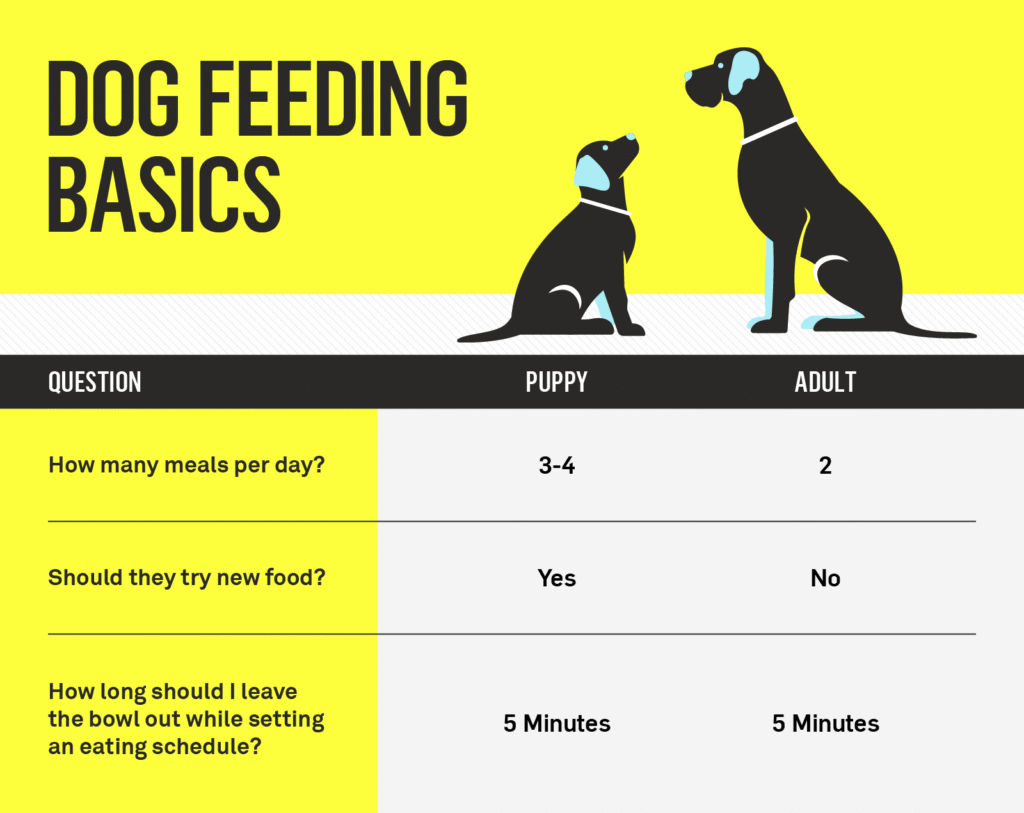
Puppies eat more calories than adult dogs. They use this energy to grow fast. Feed smaller meals often, about three to four times a day. Watch their weight and adjust portions if needed. Avoid overfeeding to prevent obesity. Use puppy food that has higher calories and nutrients.
Transitioning To Adult Food
Switch from puppy to adult food gradually. Start at about one year old or when your vet says. Mix adult food with puppy food over 7 to 10 days. This helps avoid stomach upset. Adult food has fewer calories but keeps your dog healthy. Keep an eye on their weight and adjust portions.
Potential Risks Of Overfeeding Calories
Feeding puppies with food meant for their growth is important. But too many calories can cause health problems. Puppies need more energy, but overfeeding can lead to risks. Knowing these risks helps keep your dog healthy.
Obesity Concerns
Puppies who eat too many calories may gain too much weight. Obesity can cause joint pain and slow movement. It also raises risks of heart and diabetes problems. Overweight dogs often have shorter lives. Controlling calories helps maintain a healthy weight.
Digestive Issues
Too many calories can upset a puppy’s stomach. It may cause diarrhea or vomiting. Overfeeding stresses the digestive system and reduces nutrient absorption. Puppies may feel uncomfortable and lose energy. Feeding the right amount supports good digestion and growth.
Credit: www.gallant.com
Choosing The Right Food For Your Dog
Choosing the right food for your dog is very important. Dogs need different nutrients at different life stages. Puppy food and adult dog food are not the same. Each type supports specific growth and health needs. Picking the correct food helps your dog stay healthy and active.
Understanding your dog’s breed and size helps in selecting the best food. Also, talking to a veterinarian ensures the food meets your dog’s needs. These steps make feeding easier and better for your dog.
Considering Breed And Size
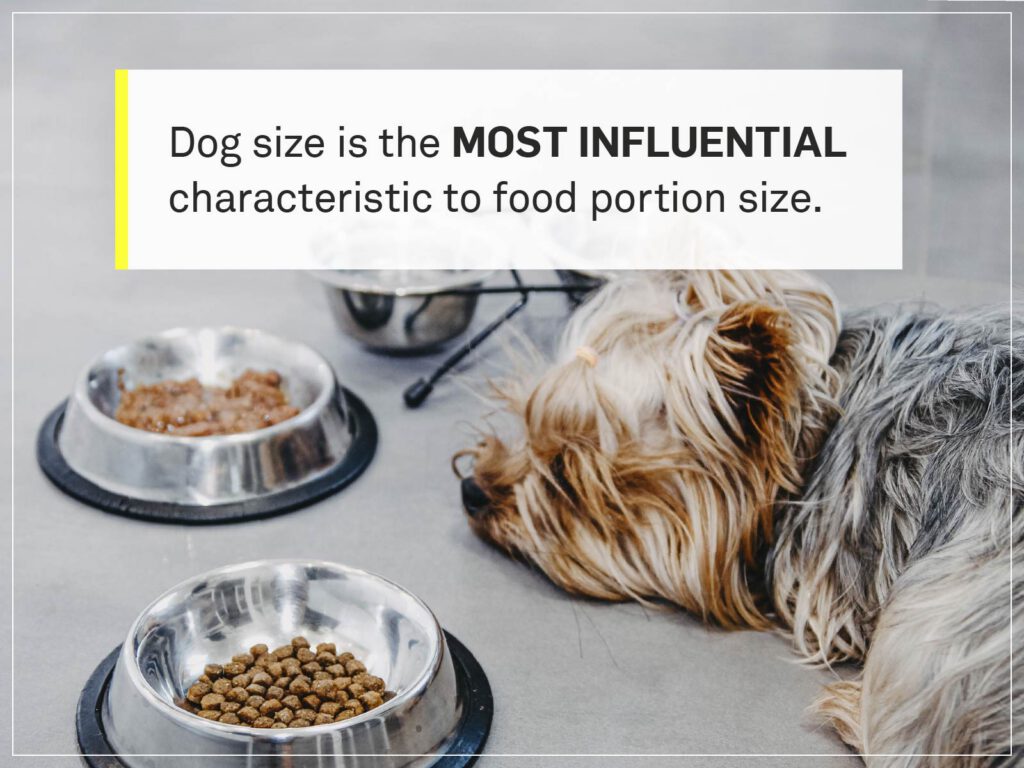
Different breeds have different energy needs. Small breeds often need more calories per pound. Large breeds require food that supports joint health. Puppies of large breeds grow slower but need more nutrients. Choosing food based on size helps your dog grow strong and healthy.
Consulting Your Veterinarian
Your veterinarian knows your dog’s health history. They can recommend the best food type and brand. Vets help adjust food as your dog grows or if health issues arise. Getting professional advice protects your dog’s well-being.

Credit: www.bowlerspets.com
Frequently Asked Questions
Does Puppy Food Contain More Calories Than Adult Dog Food?
Yes, puppy food generally has more calories to support rapid growth and high energy needs. Adult dog food has fewer calories to maintain a healthy weight.
Why Do Puppies Need Higher Calorie Food?
Puppies burn more energy growing and playing. Higher calories provide essential nutrients and energy for their development and immune system.
Can Adult Dogs Eat Puppy Food Safely?
Occasionally, yes. However, puppy food’s high calories may cause weight gain in adult dogs if fed regularly. Consult a vet for advice.
How Do Calorie Needs Differ Between Puppies And Adult Dogs?
Puppies require more calories per pound to fuel growth, while adults need fewer calories to maintain weight and activity levels.
Conclusion
Puppy food usually has more calories than adult dog food. Puppies need extra energy to grow strong and healthy. Adult dogs need fewer calories to maintain their weight. Feeding the right food helps your dog stay active and fit. Always check the label for calorie content and ingredients.
Choose food based on your dog’s age and activity level. Proper nutrition supports a happy and healthy life for your dog. Understanding these differences helps you make the best choice. Keep your furry friend healthy with the right diet.


