

Are you wondering when it’s the right time to switch your furry friend to adult dog food? Making this change is important for your dog’s health and growth, but knowing exactly when to do it can be tricky.
You want to give your dog the best nutrition without causing any upset stomach or missing out on essential nutrients. Keep reading to discover the signs that show your dog is ready for adult food and how to make the switch smoothly.
Your dog’s well-being depends on it!
Signs Your Puppy Is Ready
Knowing when to switch your puppy to adult dog food is important. Puppies grow fast and need proper nutrition at every stage. Watch for clear signs that your puppy is ready for this change. These signs help you feed your dog the right food at the right time.
Age Milestones To Watch
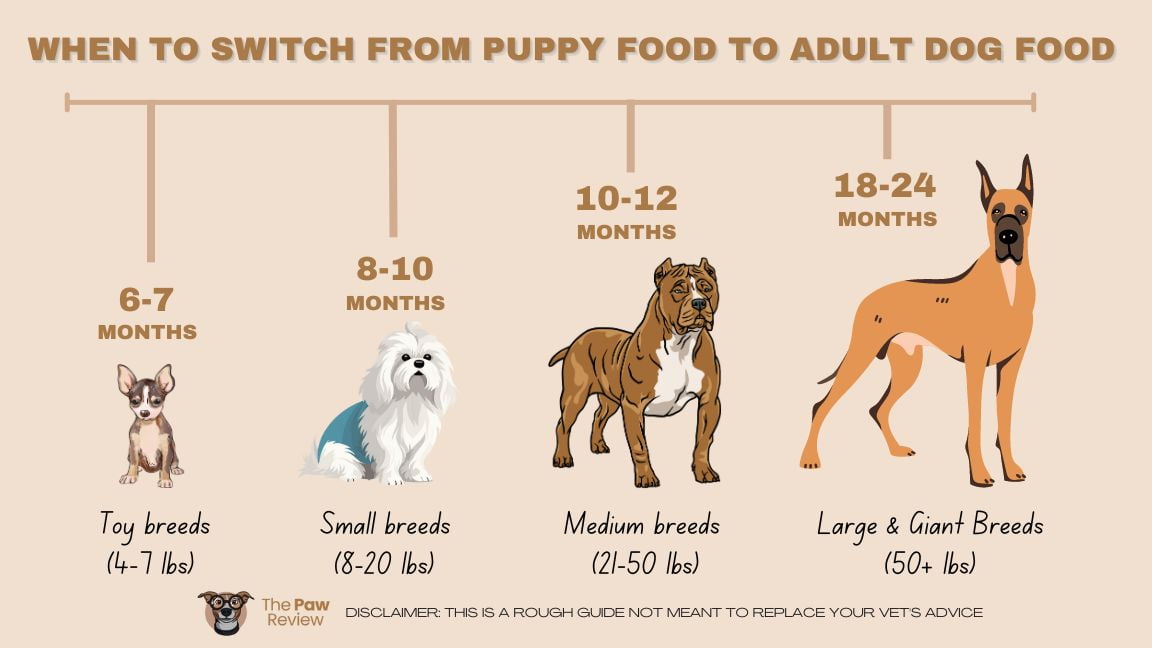
Puppies usually start eating adult dog food between 9 and 12 months old. Small breeds may switch earlier, around 9 months. Larger breeds often need puppy food longer, up to 12 months or more. Age is a key factor, but not the only one.
Behavioral Changes
Your puppy’s eating habits may change as they grow. They might eat less often but larger meals. Puppies become less hyperactive and more calm. Increased energy levels or slower growth hint at readiness for adult food. Notice how your puppy acts around meal times.
Physical Growth Indicators
Look for signs like steady weight and size gain. Teeth should be fully developed with fewer sharp baby teeth. Muscle tone improves and bones grow stronger. If your puppy looks less “puppy-like,” adult food could be the next step. Healthy growth signals their body is ready.
Differences Between Puppy And Adult Food
Choosing the right food for your dog is very important for its health. Puppy food and adult dog food are not the same. Each type supports different stages of your dog’s life. Understanding their differences helps you decide the best time to switch your dog to adult food.
Nutritional Needs
Puppies need more protein and fat than adult dogs. Their bodies grow fast and need extra nutrients. Puppy food has vitamins and minerals that support growth. Adult dog food focuses on maintaining health, not growth. It has balanced nutrients for energy and body repair.
Calorie Content
Puppies burn more calories because they are active and growing. Puppy food contains more calories to meet this high energy need. Adult dogs need fewer calories to avoid weight gain. Adult dog food has fewer calories to keep dogs fit and healthy.
Texture And Size
Puppy food often has smaller pieces that are easier to chew. Puppies have smaller mouths and developing teeth. Adult dog food has bigger pieces suited for stronger jaws. The texture of adult food helps clean teeth and reduce plaque.
Transitioning To Adult Food
Transitioning your dog to adult food is an important step. It supports their growth and health as they mature. Changing food too fast can upset their stomach. A smooth switch helps your dog adjust well. It also keeps their digestion steady and strong.
Gradual Introduction Tips
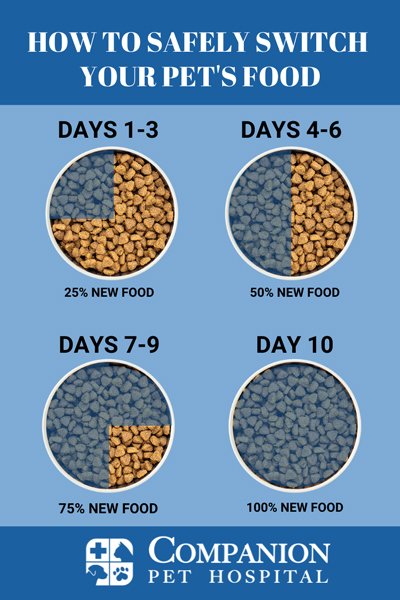
Start by mixing 25% adult food with 75% puppy food. Do this for three to five days. Then, increase adult food to 50%. Next, move to 75% adult food for another few days. Finally, feed only adult food. This slow change helps your dog’s body adapt. It lowers the risk of tummy problems.
Monitoring Your Dog’s Reaction
Watch your dog closely during the change. Check for signs like vomiting or diarrhea. Look for changes in energy or appetite. Healthy dogs eat well and stay active. If your dog shows problems, slow the transition. Sometimes, a vet visit is needed. Keep an eye on their stool quality. Firm, regular stools mean good digestion.
Common Challenges And Solutions
Dogs may refuse new food at first. Mix it well with their old food. Warm the food slightly to bring out the smell. Some dogs get soft stools or gas. Give them probiotics or fiber supplements. Sudden changes can cause upset stomachs. Always switch food slowly to avoid this. If problems last more than a week, ask a vet.

Credit: shop.bullymax.com
Breed And Size Considerations
Choosing the right time to switch your puppy to adult dog food depends on breed and size. Different breeds grow at different rates. This affects when their diet should change. Paying attention to these factors helps keep your dog healthy.
Small Vs. Large Breeds
Small breed dogs mature faster than large breeds. They often need adult food by 9 to 12 months. Large breeds grow slower and need puppy food longer. Usually, 12 to 18 months is best for large dogs. Feeding adult food too early can cause health problems.
Special Dietary Needs
Some breeds have special dietary needs. For example, some large breeds require food that supports joint health. Small breeds may need more calories in smaller portions. Understanding your dog’s breed helps you choose the right food. This keeps them strong and active.
Consulting Your Veterinarian
Your vet knows your dog’s exact needs. They can suggest the best time to switch foods. Vets also recommend diets based on your dog’s health and growth. Checking with a vet ensures your dog stays healthy during changes.
Benefits Of Timely Switching
Switching your dog to adult food at the right time is very important. It helps your dog stay healthy and happy. Changing too early or too late can cause problems with digestion and nutrition. Feeding the correct food for your dog’s age supports growth and energy. Timely switching gives many health benefits that last for years.
Improved Digestion
Adult dog food is easier to digest for mature dogs. Puppy food has more fat and calories, which can upset adult dogs’ stomachs. Changing on time helps avoid diarrhea and stomach pain. Adult food has the right fiber to keep digestion smooth. This means fewer trips to the vet and a happier dog.
Balanced Nutrient Intake
Adult dogs need different nutrients than puppies. Adult food has the right balance of protein, fat, and vitamins. Feeding adult food too early can mean missing nutrients needed for growth. Feeding it too late can cause weight gain and poor health. Switching at the right age keeps your dog’s diet balanced and healthy.
Long-term Health Impact
Proper nutrition affects your dog’s health for life. Timely switching can reduce risks of obesity and joint problems. It supports a strong immune system and healthy skin. Good food helps your dog stay active and live longer. Feeding the right food at the right time sets your dog up for a healthy future.
Credit: paw-review.com
When To Delay The Switch
Knowing when to delay the switch to adult dog food is important for your puppy’s health. Some puppies need to stay on puppy food longer. This helps ensure they get all the nutrients they need to grow strong. Watch your puppy closely and learn what signs mean you should wait before changing their diet.
Health Issues To Watch For
Some puppies may have health problems that need extra care. Digestive troubles or allergies can make switching food risky. Puppies with slow growth or weak bones also benefit from staying on puppy food. Watch for vomiting, diarrhea, or skin problems. These signs mean your puppy needs more time on puppy food.
Puppy Food Extensions
Certain breeds grow slower than others. Large or giant breeds often need puppy food for a longer time. Their bones and muscles develop over many months. Feeding them adult food too soon can harm their growth. Extending puppy food helps support their slow and steady development.
Veterinary Advice
Your vet knows your puppy’s health best. They can suggest the right time to switch foods. Bring your puppy for regular check-ups. Talk about their diet and growth progress. Vets can spot problems early and guide you on feeding choices. Trust their advice to keep your puppy healthy.
Credit: companionpethospital.com
Frequently Asked Questions
When Should I Switch To Adult Dog Food?
Switch to adult dog food when your puppy is about 12 months old. Small breeds may switch earlier, around 9-12 months. Larger breeds might need up to 18 months. This ensures proper nutrition for your dog’s growth stage and maintains their health.
Why Not Feed Puppy Food To Adult Dogs?
Puppy food is higher in calories and nutrients for growth. Feeding it to adults can lead to weight gain and health issues. Adult dogs require balanced nutrition to maintain their weight and energy levels without excess calories.
Can I Mix Puppy And Adult Dog Food?
Yes, you can mix puppy and adult dog food during transition. Gradually blend increasing amounts of adult food over 7-10 days. This helps your dog adjust without digestive upset or food refusal.
How Do I Know My Dog Is Ready For Adult Food?
Signs include reaching full size and maturity, usually 9-12 months. Your vet can confirm readiness based on breed and health. Proper growth and stable weight also indicate it’s time to switch.
Conclusion
Choosing the right time to start adult dog food helps your dog stay healthy. Watch your puppy’s age and size for clues. Most dogs switch around one year old. Some breeds need adult food earlier or later. Talk with your vet for the best advice.
Good nutrition supports energy and growth. Changing food slowly avoids tummy problems. Your dog will thank you with a happy, strong life. Careful feeding means a happy pet and peace of mind. Keep learning about your dog’s needs as they grow.


