If you have a new puppy, you probably wonder when it’s time to switch from puppy food to adult dog food. Choosing the right moment can affect your puppy’s health, growth, and energy.
You want to make sure your furry friend gets all the nutrients needed without causing any problems. You’ll discover clear signs and expert tips on when to make this important change. Keep reading to give your puppy the best start for a strong and happy life.
Puppy Nutrition Basics
Puppies grow fast. Their bodies need special care and food. Feeding the right diet helps build strong bones and muscles. It also supports brain development and energy levels. Choosing the right food is key to healthy growth. Understanding what puppies need helps you make the best choices for their meals.
Nutrition plays a big role in a puppy’s life. The diet must provide all essential nutrients. These nutrients support their immune system and overall health. Feeding adult dog food too soon can cause problems. Knowing the differences between puppy and adult food can guide you.
Nutritional Needs Of Puppies
Puppies require more protein than adult dogs. Protein builds tissues and muscles. They also need extra calories for energy. Vitamins and minerals support their rapid growth. Calcium and phosphorus strengthen bones and teeth. DHA helps brain and eye development. Puppies need food rich in these nutrients every day.
Differences Between Puppy And Adult Food
Puppy food has higher calories than adult dog food. It contains more protein and fat for growth. Adult food has fewer calories to maintain weight. Puppy food is softer and easier to chew. It contains nutrients to support immune health. Feeding adult food early lacks these benefits. Proper nutrition helps puppies grow strong and healthy.

Credit: www.hladnovrockchoir.com
Growth Stages And Feeding
Puppies grow fast during their first year. Their feeding needs change as they pass through different stages. Proper nutrition supports healthy bones, muscles, and brain development. Knowing when to switch from puppy food to adult dog food helps maintain their health and energy.
From Weaning To 6 Months
Puppies start eating solid food around 3 to 4 weeks old. Puppy food is rich in nutrients and calories. It supports their rapid growth and high energy needs. Meals should be small and frequent to match their tiny stomachs. By 6 months, puppies still need a diet designed for growth. This food keeps their immune system strong and helps with muscle building.
6 To 12 Months Transition Phase
Between 6 and 12 months, puppies begin to slow their growth. Their energy needs start to change. This is the time to gradually switch to adult dog food. Mixing adult food with puppy food helps the puppy adjust. The transition should take about 1 to 2 weeks. Adult food has fewer calories and supports maintenance rather than growth. Feeding the right food prevents obesity and health problems later on.
Signs To Switch To Adult Food
Puppies need special food for growth. But they do not stay puppies forever. At some point, their diet should change. Recognizing signs to switch to adult food is important. It helps keep dogs healthy and strong.
Watch your puppy closely. Their body and behavior tell when it’s time to change food. This guide covers key signs that show the right moment to switch.
Physical Development Indicators
Growth slows down as puppies get older. Their bones and muscles become stronger. Teeth fully grow in and baby teeth fall out. Adult teeth are bigger and tougher. Weight gain starts to stabilize. Coat texture may change, becoming shinier and thicker. These signs mean the puppy’s body needs different nutrients. Adult dog food suits these new needs better. It has the right balance of proteins and fats for mature dogs.
Behavioral Changes
Puppies become less hyperactive as they age. Energy levels even out during the day. They play less and rest more. Appetite may change, sometimes becoming steadier. Puppies also begin to eat less often. They might show less interest in puppy food. This behavior hints their digestive system is ready. Adult food is easier to digest for older dogs. It supports their changing energy and health requirements.
Breed And Size Considerations
Choosing the right time for puppies to switch to adult dog food depends on their breed and size. Different breeds grow at different speeds. Their nutritional needs change as they grow. Understanding these differences helps you feed your puppy properly. This keeps your dog healthy and strong.
Small Breeds
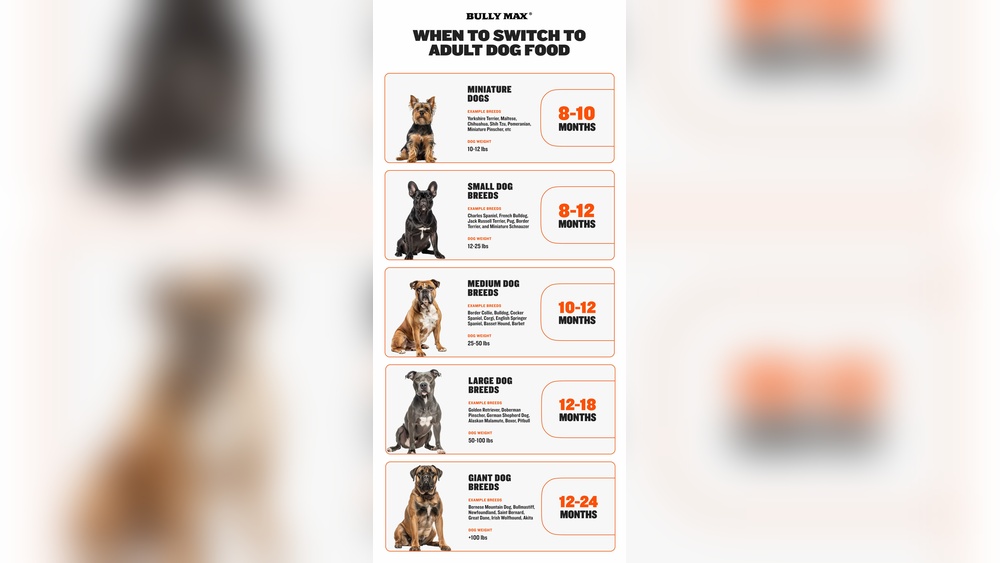
Small breed puppies grow fast. They often reach adult size by 9 to 12 months. Their metabolism is high. They need food rich in calories and nutrients during growth. Feeding adult dog food too early can cause nutrient gaps. Wait until your small breed puppy is about one year old. Then you can start switching to adult dog food slowly.
Large And Giant Breeds
Large and giant breed puppies grow slower. They can take 12 to 24 months to reach full size. Their bones and joints need careful nutrition. Too many calories or wrong nutrients can harm their growth. Use puppy food designed for large breeds until they are at least 12 months old. Some giant breeds need puppy food up to 18 or 24 months. Only then should you switch to adult dog food.
Risks Of Early Or Late Switching
Switching a puppy to adult dog food at the wrong time can cause problems. Puppies have special needs that adult food may not meet. Adult food may be too rich or too low in nutrients for growing puppies. Waiting too long to switch can also create issues as puppies outgrow their high-energy diets.
Potential Health Issues
Feeding adult food too early can cause stomach upset and poor digestion. Puppies may lose weight or get diarrhea. Their immune system may weaken without proper nutrients. Late switching can lead to obesity and joint problems. Puppies may get too many calories for their activity level. Both early and late switching harm a puppy’s health.
Impact On Growth And Energy
Puppies need extra protein, fat, and calories to grow well. Early adult food switching can slow growth and reduce energy. Puppies may become tired or less playful. Late switching may cause energy spikes and crashes. It can also delay muscle and bone development. Timing the switch right supports healthy growth and strong energy.
Credit: www.raisedrightpets.com
Transitioning Smoothly
Transitioning your puppy from puppy food to adult dog food needs care. Sudden changes can upset their stomach. A smooth switch helps your puppy adjust easily. This keeps them healthy and happy during the change.
Gradual Food Mixing
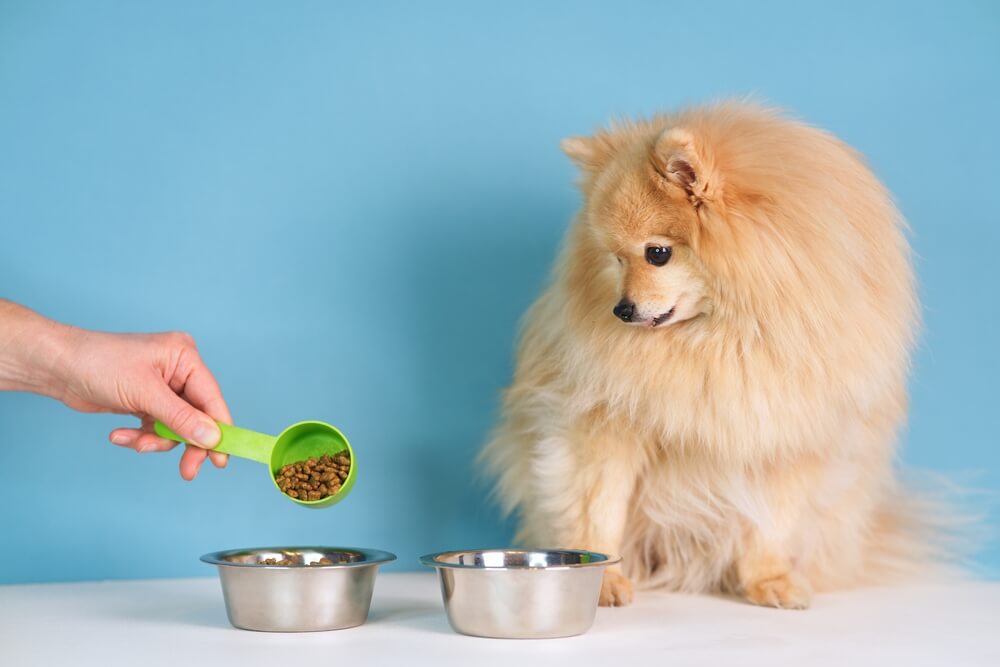
Start by mixing a small amount of adult food with puppy food. Slowly increase the adult food portion over 7 to 10 days. This helps your puppy’s stomach get used to new food. Mix well so the taste stays consistent. Watch your puppy eat to make sure they like the new blend.
Monitoring Your Puppy’s Response
Check your puppy’s stool for any changes. Soft or loose stools may mean the transition is too fast. Watch for signs like vomiting or lack of appetite. If these happen, slow down the food change. Keep an eye on their energy and mood. Healthy puppies stay active and playful during transition.
Veterinarian Recommendations
Veterinarians offer valuable advice on when puppies should switch to adult dog food. They consider the puppy’s breed, size, and health. This helps ensure a smooth and healthy food transition. Following vet advice reduces risks of nutrition problems and supports growth.
When To Consult A Vet
Talk to a vet before changing your puppy’s diet. Small breeds may switch earlier than large breeds. Puppies with health issues need special care. A vet checks if your puppy is ready for adult food. They watch weight, teeth, and energy levels. This helps decide the best time to change food.
Tailoring Food Plans
Vets create food plans for each puppy’s needs. They adjust food types and amounts. Some puppies need more protein or fat. Others may require supplements or special diets. Custom plans support healthy growth and strong bones. Tailored feeding helps puppies stay active and happy.

Credit: www.lur.cat
Frequently Asked Questions
When Can Puppies Start Eating Adult Dog Food?
Puppies can start eating adult dog food around 12 months old. Large breeds may switch closer to 18 months. Consult your vet for the best transition time based on your puppy’s growth and breed.
Why Not Feed Puppies Adult Dog Food Early?
Adult dog food lacks essential nutrients for growing puppies. It has less protein and calories, which are vital for development. Feeding adult food too early can stunt growth and cause health issues.
How To Transition Puppies To Adult Dog Food?
Transition gradually over 7-10 days by mixing increasing amounts of adult food with puppy food. This helps avoid digestive upset. Monitor your puppy’s response and adjust the ratio slowly until fully switched.
What Are Signs Puppies Need Adult Dog Food?
Signs include reaching full size, lower energy needs, and decreased growth rate. Also, your vet’s advice based on breed and health will guide you when it’s time to switch foods.
Conclusion
Puppies need special food to grow strong and healthy. Adult dog food lacks some important nutrients for puppies. Usually, puppies switch to adult food around one year old. Each dog is different, so watch their growth and health closely. Ask your vet if you are unsure about the right time.
Feeding the right food helps your dog live a long, happy life. Keep their diet balanced and adjust as they grow. Good food supports energy, bones, and a shiny coat. Small changes make a big difference in your puppy’s health.