
Are you wondering if a grain free diet is the right choice for your dog? With so many options out there, it’s easy to feel confused about what’s best for your furry friend.
You want to give your dog the healthiest food, but is cutting out grains really the answer? This article will help you understand the benefits and risks of a grain free diet, so you can make the best decision for your dog’s health and happiness.
Keep reading to find out what experts say and what might work for your pet.
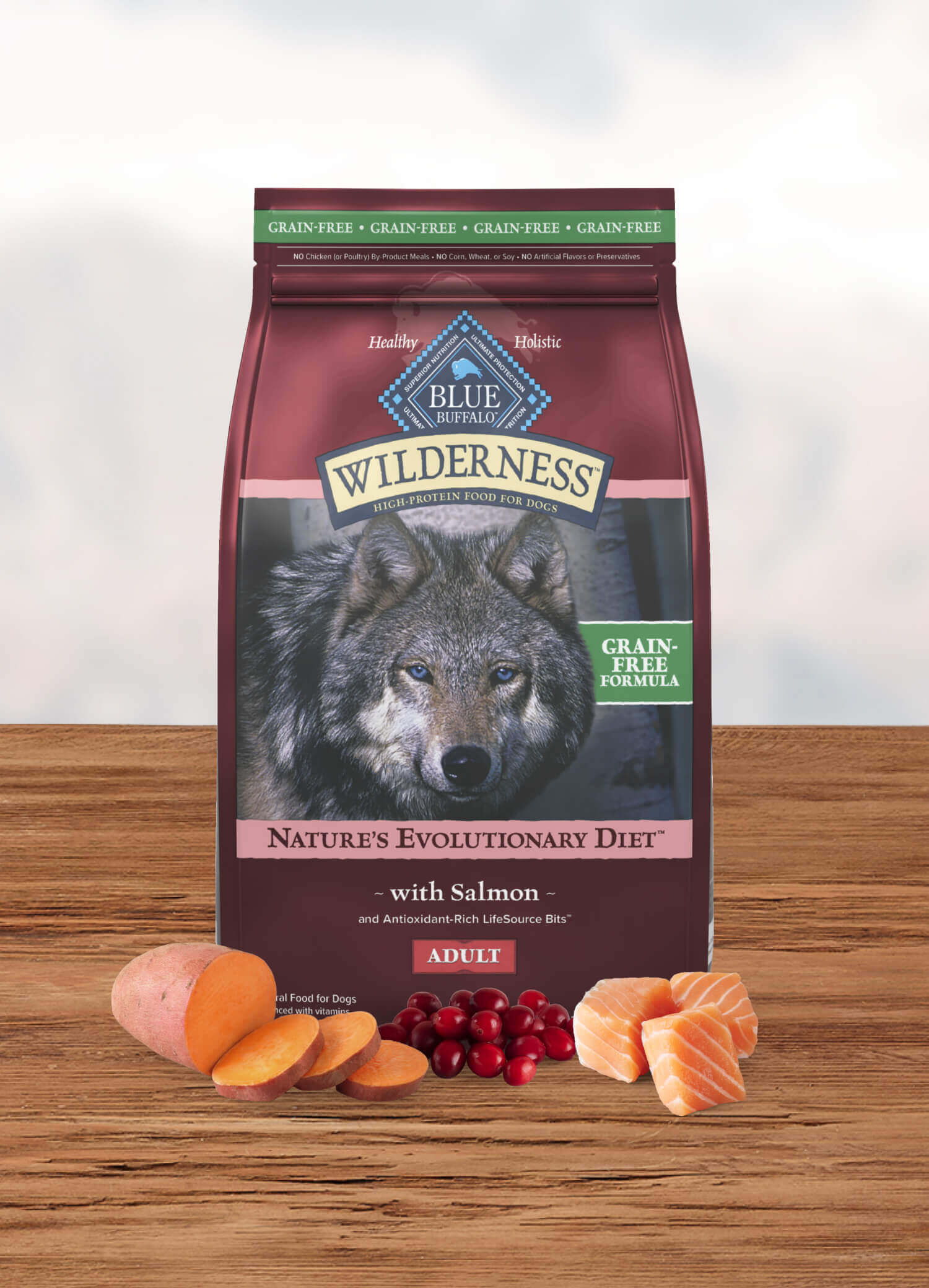
Credit: www.bluebuffalo.com
Grain Free Diet Basics
A grain free diet for dogs means feeding without common grains like wheat, corn, or rice. It focuses on other sources of nutrients. This diet style has grown popular among pet owners. Understanding the basics helps decide if it suits your dog.
Grain free dog food offers an alternative for dogs with certain allergies or sensitivities. It often uses different ingredients to provide energy and nutrition. Knowing what is replaced and why owners choose this diet gives clear insight.
What Is Grain Free Dog Food
Grain free dog food contains no traditional grains. It avoids ingredients like wheat, barley, oats, and corn. Instead, it uses other carbohydrate sources such as potatoes or peas. Protein and fat come from meat, fish, or plant sources. This food type aims to be easier to digest for some dogs.
Common Ingredients Replaced
Grains are usually replaced with vegetables and legumes. Ingredients like sweet potatoes, lentils, chickpeas, and peas are common. These provide energy and fiber without using grains. Meat and fish remain key parts of the recipe. This swap helps dogs with grain allergies or sensitivities.
Reasons Owners Choose Grain Free
Many owners pick grain free food for allergy relief. Some dogs show better digestion and less itching. Others believe it matches a dog’s natural diet better. Some dogs have trouble with grains and feel healthier without them. Owners also want to avoid fillers and artificial ingredients often found in grain foods.
Benefits Of Grain Free Diets
Grain free diets offer several benefits for dogs. These diets remove grains like wheat, corn, and rice. Many dogs digest these ingredients poorly. Grain free foods focus on proteins and vegetables. This can lead to better health and comfort for your dog.
Here are some key benefits of grain free diets for dogs.
Improved Digestion
Grain free diets often improve digestion in dogs. Grains can cause stomach upset in some dogs. Removing grains reduces the risk of bloating and gas. Dogs may have firmer stools and less diarrhea. These diets use easier-to-digest ingredients. This helps dogs absorb more nutrients from their food.
Allergy Management
Many dogs suffer from grain allergies or sensitivities. Grain free diets help manage these issues. Removing grains reduces itching and skin problems. It also lowers the chance of ear infections caused by allergies. Dogs often show better skin and coat health. This diet is a good choice for sensitive dogs.
Increased Energy Levels
Grain free diets can boost a dog’s energy. These diets provide high-quality protein and fats. Protein helps build strong muscles and supports activity. Healthy fats supply long-lasting energy. Dogs on grain free diets often feel more lively. They may enjoy playtime and exercise more.
Potential Risks And Concerns
Choosing a grain-free diet for dogs comes with some risks and concerns. Owners must understand what these potential issues are. Not all grain-free foods provide balanced nutrition. Some may cause health problems.
Nutritional Imbalances
Grains provide important nutrients like fiber and vitamins. Removing grains can lead to missing nutrients. Some grain-free foods lack enough fiber. This can cause digestive issues in dogs. Also, certain essential minerals might be low. Dogs need a balanced diet for good health.
Heart Health Issues
Some studies link grain-free diets to heart problems in dogs. Dilated cardiomyopathy (DCM) is a concern. This condition weakens the heart muscle. It has been reported in dogs eating grain-free diets. The exact cause is unclear. More research is needed to understand this risk fully.
Lack Of Scientific Consensus
Experts do not agree on grain-free diets. Some support it for dogs with allergies. Others warn about potential dangers. Research is ongoing, with no clear answers yet. Dog owners should consult their vets before switching diets. Careful choices ensure the best health for pets.
Dogs That May Need Grain Free Diets
Some dogs benefit more from grain free diets than others. Their bodies react differently to grains and carbohydrates. Understanding which dogs may need grain free diets helps pet owners make smart choices.
Dogs With Allergies
Grain allergies are common in some dogs. These allergies cause itching, redness, and skin problems. Grain free diets reduce exposure to allergens. This can improve their comfort and skin health quickly.
Sensitive Stomachs
Dogs with sensitive stomachs often struggle to digest grains. This leads to vomiting, diarrhea, or gas. Grain free diets use easier-to-digest ingredients. This helps calm their digestive system and improve nutrient absorption.
Breed Specific Needs
Certain dog breeds are more prone to grain intolerance. Breeds like Bulldogs, Boxers, and Retrievers may need grain free diets. Their genetic makeup can make grain digestion harder. Feeding grain free food supports their overall health and energy.
How To Choose The Right Dog Food
Choosing the right dog food takes careful thought. Dogs need balanced nutrition to stay healthy and happy. Grain free diets suit some dogs but not all. Knowing how to pick the best food helps you meet your dog’s needs well.
Reading Labels Carefully
Look closely at the ingredients list on dog food packages. The first few ingredients matter most. High-quality protein like chicken or beef should be near the top. Avoid foods with too many fillers or artificial additives. Check for grains only if your dog has allergies or sensitivities. The guaranteed analysis shows protein, fat, and fiber percentages. These numbers help you compare foods easily.
Consulting Your Veterinarian
Ask your vet for advice about your dog’s diet. Vets know your dog’s health and medical history. They can suggest if grain free food is right or not. Your dog’s weight, allergies, and digestion all matter. A vet’s guidance helps avoid nutrition problems and keeps your dog safe.
Considering Life Stage And Activity
Puppies need more calories and nutrients than adult dogs. Senior dogs may require food with fewer calories and joint support. Active dogs need energy-rich meals for exercise and play. Sedentary dogs do better on lighter diets. Match the food to your dog’s age and activity level. This ensures good health and energy every day.
Alternatives To Grain Free Diets
Not all dogs need grain free diets to stay healthy. Some dogs do well on other types of food that meet their needs. These alternatives offer good nutrition and can help dogs with allergies or sensitive stomachs. Choosing the right diet depends on the dog’s health and preferences.
Limited Ingredient Diets
Limited ingredient diets use fewer ingredients to reduce allergy risks. They focus on simple recipes with one protein and one carbohydrate source. These diets help identify food sensitivities. Many dogs tolerate them well and feel better.
Hypoallergenic Options
Hypoallergenic dog foods avoid common allergens like beef, dairy, and wheat. They include novel proteins such as duck or venison. These foods support dogs with skin or digestive issues. They are often recommended by veterinarians.
Balanced Grain Inclusive Foods
Grains like rice, oats, and barley provide energy and fiber. Balanced grain inclusive foods combine grains with proteins and fats. These diets meet most dogs’ nutritional needs. They support healthy digestion and maintain energy levels.
Monitoring Your Dog On A Grain Free Diet
Switching your dog to a grain free diet requires careful monitoring. Watch your dog closely to see how the new diet affects their health and behavior. Not all dogs respond the same way, so tracking changes is important. This helps you decide if the diet suits your dog’s needs.
Signs Of Improvement
Look for better coat shine and less itching. Your dog may have more energy and feel happier. Digestion often improves, with fewer stomach upset or loose stools. Weight might stabilize if your dog was overweight. Clearer eyes and cleaner teeth can also appear. These signs show the diet may be working well.
Warning Signs To Watch For
Some dogs might have allergies or new problems. Watch for increased itching or redness on skin. Vomiting or diarrhea can signal trouble. Loss of appetite or unusual tiredness is a concern. If your dog seems weak or has swelling, stop the diet. These signs need quick action and vet advice.
Regular Health Checkups
Visit the vet regularly to track your dog’s health. Blood tests can check for nutrient balance and organ health. The vet can spot problems you might miss. Keep a diet diary to share with the vet. This helps adjust the diet for your dog’s best health.
Credit: www.aspca.org

Credit: portlandpetfoodcompany.com
Frequently Asked Questions
What Is A Grain Free Diet For Dogs?
A grain free diet excludes wheat, corn, and rice from dog food. It focuses on proteins and vegetables instead. This diet aims to reduce allergies and improve digestion for some dogs.
Are Grain Free Diets Healthier For Dogs?
Grain free diets can benefit dogs with grain allergies. However, they are not always healthier for every dog. Consult your vet before switching to ensure balanced nutrition.
Can Grain Free Diets Cause Health Issues In Dogs?
Some studies link grain free diets to heart problems in dogs. Dogs need taurine, which may be low in some grain free foods. Always choose high-quality, vet-approved grain free options.
How To Know If My Dog Needs A Grain Free Diet?
If your dog has allergies or digestive problems, a grain free diet might help. Look for symptoms like itching, vomiting, or diarrhea. Consult your vet for a proper diagnosis.
Conclusion
Choosing a grain-free diet for dogs depends on their health needs. Some dogs may benefit from it, especially with allergies. Others do well with grains included in their meals. Always watch how your dog reacts to new food. Consult a vet before making big diet changes.
Balanced nutrition matters most for your dog’s wellbeing. Remember, every dog is unique in their dietary needs. Grain-free is not the best for all dogs. Careful choices lead to happy, healthy pets.

