

Have you ever stopped to wonder if the dog food you give your pet truly meets their nutritional needs? You want the best for your furry friend, but with so many options out there, it’s hard to know what’s really inside that bag or can.
Understanding whether dog food has the right nutrition can make a big difference in your dog’s health and happiness. You’ll discover what to look for, what to avoid, and how to make sure your dog is getting the fuel they need to thrive.
Keep reading—your dog’s well-being depends on it.
Nutrients Essential For Dogs
Dogs need a variety of nutrients to stay healthy and active. These nutrients support their growth, energy, and body functions. Good dog food contains the right balance of these essential nutrients. Understanding these nutrients helps you choose better food for your dog.
Proteins And Amino Acids
Proteins build and repair muscles, skin, and organs. Dogs need high-quality protein from meat or fish. Amino acids are the building blocks of protein. Some amino acids are essential, meaning dogs cannot make them. Dog food must provide these essential amino acids for health.
Fats And Fatty Acids
Fats give dogs energy and help absorb vitamins. Fatty acids support brain and skin health. Omega-3 and Omega-6 are important fatty acids for dogs. Balanced fats keep the coat shiny and the immune system strong. Too little fat can cause dull fur and poor energy.
Carbohydrates Role
Carbohydrates provide a quick source of energy. They also help with digestion by adding fiber. Whole grains and vegetables are good carb sources. Carbs are not essential but can improve digestion and energy. Proper carbs keep dogs active without weight gain.
Vitamins And Minerals
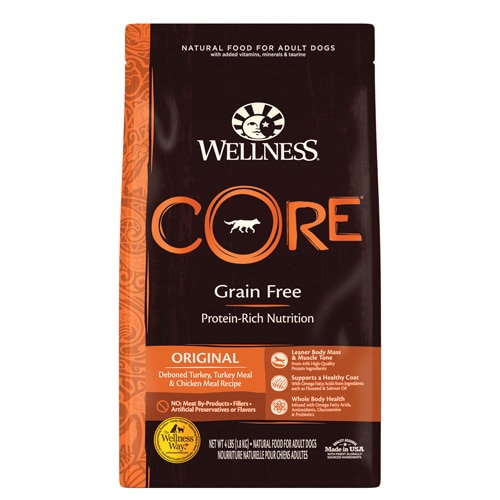
Vitamins and minerals support many body functions. Calcium and phosphorus strengthen bones and teeth. Vitamins A, D, and E help vision, skin, and immunity. Minerals like zinc and iron aid healing and oxygen transport. Balanced vitamins and minerals prevent many health problems.
Credit: www.vitacost.com
Types Of Dog Food Available
Dogs need good nutrition for health and energy. Choosing the right food type matters. There are several dog food options. Each type offers unique benefits. Understanding these helps pick the best food for your dog.
Dry Kibble Benefits
Dry kibble is the most common dog food. It stays fresh for a long time. Kibble helps keep teeth clean by reducing plaque. It is easy to store and serve. Many kibble brands offer balanced nutrition.
Wet Food Advantages
Wet food has more moisture than dry food. It appeals to picky eaters with its strong smell. Wet food is softer, helping dogs with dental issues. It often contains higher protein and fat. This food supports hydration, especially in hot weather.
Raw And Homemade Diets
Raw and homemade diets use fresh ingredients. They include raw meat, vegetables, and grains. These diets offer natural nutrients without additives. Careful preparation ensures safety and balance. Many owners prefer this for control over ingredients.
Specialty And Prescription Foods
Specialty foods target specific health needs. Prescription diets help manage allergies, digestion, or kidney problems. These foods are made with vet guidance. They provide nutrients suited for health conditions. Such diets support long-term well-being.
Reading Dog Food Labels
Reading dog food labels helps you choose the right nutrition for your pet. Labels show what ingredients are inside and how much of each nutrient the food contains. Understanding these labels can keep your dog healthy and happy.
Interpreting Ingredient Lists
The ingredient list shows what is in the dog food. Ingredients are listed by weight, starting with the heaviest. The first few ingredients matter most. Look for real meat, like chicken or beef, near the top. Avoid foods with too many fillers like corn or wheat.
Understanding Nutritional Guarantees
Dog food labels include a nutritional guarantee. This shows the minimum amount of protein and fat. It also shows the maximum amount of fiber and moisture. These numbers tell you if the food meets basic nutrition needs. Choose food with balanced protein and fat for energy.
Identifying Additives And Preservatives
Some dog foods have additives to improve taste or shelf life. Natural preservatives like vitamin E are safe. Avoid foods with artificial colors or flavors. Some preservatives may cause allergies or health problems. Check labels carefully to find healthy options.
Common Nutritional Deficiencies
Dogs need a balanced diet to stay healthy and active. Common nutritional deficiencies can harm their growth, energy, and overall well-being. These deficiencies often come from poor-quality dog food or an unbalanced diet. Understanding these issues helps you choose better food for your pet.
Signs Of Protein Deficiency
Protein is vital for muscle growth and repair. Dogs lacking protein may lose weight and feel weak. Their coat might become dull and thin. You may notice slow healing from wounds. Constant tiredness and poor muscle tone also signal low protein.
Vitamin And Mineral Shortfalls
Vitamins and minerals support many body functions. Deficiency in vitamins like A, D, or E can cause vision problems and weak bones. Lack of minerals such as calcium or iron may lead to anemia or brittle bones. Dogs might show signs like poor appetite or lethargy.
Impact Of Poor Quality Ingredients
Low-quality ingredients lack essential nutrients. Fillers and artificial additives reduce food value. This can cause digestive issues and nutrient gaps. Dogs may develop allergies or skin problems. Quality ingredients ensure a balanced and healthy diet.
Choosing The Right Dog Food
Choosing the right dog food is essential for your pet’s health. Dogs need food that matches their life stage, size, and health. Proper nutrition helps them stay active and live longer. Not all dog food is the same. Understanding what your dog needs makes a big difference.
Age And Size Considerations
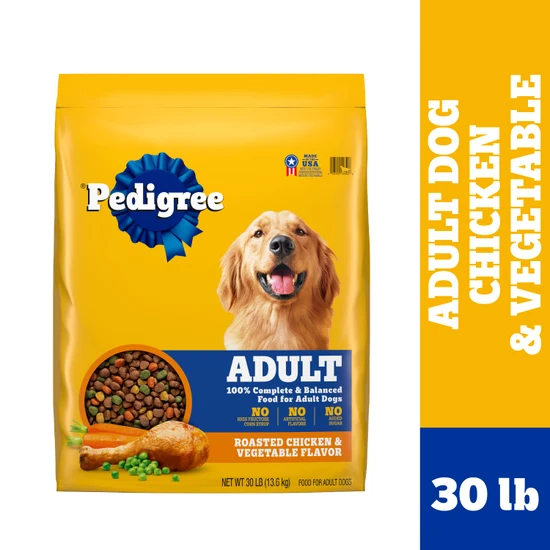
Puppies need food rich in protein and fat for growth. Adult dogs require balanced nutrients for maintenance. Senior dogs benefit from lower calories and joint support. Small breeds have faster metabolisms and need calorie-dense food. Large breeds need food that supports bone and joint health. Age and size shape nutritional needs clearly.
Breed-specific Needs
Some breeds need special nutrients. For example, large breeds like Great Danes need glucosamine for joints. Small breeds often need smaller kibble size. Active breeds may require more protein and fat. Sensitive breeds might need limited ingredients to avoid allergies. Breed details help pick the perfect food.
Health Conditions And Diet
Health issues change diet needs. Dogs with kidney problems need low-protein food. Overweight dogs require food with fewer calories. Allergies call for hypoallergenic or limited-ingredient diets. Dogs with digestive issues benefit from added fiber. Tailoring food to health supports recovery and comfort.
Credit: www.pedigree.com
Myths About Dog Food Nutrition
Many people have wrong ideas about dog food and its nutrition. These myths can confuse dog owners and affect their pet’s health. Understanding the truth helps you give your dog the best diet. Let’s clear up some common myths about dog food nutrition.
Grain-free Diet Misconceptions
Grain-free dog food is not always better. Dogs can digest grains well. Grains provide important nutrients and fiber. Removing grains does not guarantee better health. Some grain-free diets may lack essential vitamins. Talk to your vet before changing your dog’s diet.
Myth Of Human Food Superiority
Human food is not always safer or healthier for dogs. Many human foods can cause harm or upset their stomach. Dog food is made to meet their unique needs. Feeding only human food can lead to missing nutrients. Balanced dog food keeps your pet strong and active.
Overfeeding And Obesity Risks
Overfeeding is a common problem. Too much food leads to obesity and health issues. Obese dogs can get diabetes, joint pain, and heart problems. Follow feeding guidelines on dog food packages. Regular exercise and portion control help maintain a healthy weight.
Tips For Maintaining Pet Health
Keeping your pet healthy requires more than good food. Careful habits support their well-being. Healthy pets live longer and feel better. Simple steps can make a big difference every day.
Focus on balanced meals, regular checkups, and safe supplement use. These tips help maintain strong health for your dog.
Balanced Feeding Schedules
Feed your dog at the same times daily. Consistent meals help digestion and energy levels. Avoid free feeding to prevent overeating. Measure portions to match your dog’s size and age. A balanced schedule supports steady weight and good health.
Regular Vet Checkups
Take your dog to the vet regularly. Checkups catch health issues early. Vaccinations and parasite control keep your pet safe. Discuss diet changes with your vet. Regular visits ensure your pet stays in top shape.
Supplement Use And Safety
Use supplements only if your vet suggests them. Some pets need extra vitamins or minerals. Avoid giving human supplements to dogs. Too much can harm your pet. Follow the vet’s advice for safe and helpful use.

Credit: www.brookshires.com
Frequently Asked Questions
Does Dog Food Provide Complete Nutrition For Dogs?
Yes, quality dog food offers balanced nutrition with proteins, fats, vitamins, and minerals essential for dogs’ health and growth.
How To Check If Dog Food Is Nutritious?
Look for AAFCO certification and a well-balanced ingredient list including meat, grains, vegetables, and added nutrients.
Are Homemade Meals As Nutritious As Commercial Dog Food?
Homemade meals can be nutritious but require careful planning to meet all dietary needs and avoid nutrient deficiencies.
Can Dog Food Nutrition Vary By Brand?
Yes, nutrition varies by brand based on ingredient quality, formulation, and added supplements targeting specific dog health needs.
Conclusion
Dog food can provide essential nutrients for your pet’s health. Good quality dog food contains protein, vitamins, and minerals. These help dogs grow strong and stay active. Always check the labels for balanced nutrition. Different dogs need different nutrients based on age and size.
Feeding the right food supports their immune system and coat health. Choosing proper dog food helps your pet live a happy life. Simple care and good nutrition make a big difference. Keep your dog’s diet healthy and balanced every day.


