

Are you wondering when your furry friend should switch to adult dog food? Knowing the right time can make a big difference in your dog’s health and happiness.
Feeding your dog the right food at the right age helps them grow strong, stay energetic, and avoid health problems. But how do you know when your puppy is ready to make the change? Keep reading, and you’ll discover simple signs and expert tips to guide you through this important step.
Your dog’s best life starts with the right nutrition at the right time—and you’re about to learn exactly how to make that happen.
Transitioning To Adult Food
Switching your puppy to adult dog food is an important step. It supports their growth and keeps them healthy. Transitioning too early or too late can cause problems. Watch your puppy closely to know the right time. A smooth change helps avoid tummy troubles. Gradually mix adult food with puppy food over days. This helps your dog adjust to the new taste and texture.
Signs Your Puppy Is Ready
Look for changes in your puppy’s size and energy. They may seem less hungry than before. Their baby teeth start falling out. Their coat looks shinier and thicker. They act more calm and less playful. These signs show they are growing up fast. Their body needs different nutrition than before. These clues tell you it’s time to start adult food.
Common Age Milestones
Most puppies switch to adult food between 9 and 12 months old. Small breeds may change closer to 9 months. Large breeds often wait until 12 to 18 months. Age is a simple guide but not the only one. Watch your puppy’s growth and health closely. Following age milestones helps prevent feeding mistakes. It ensures your dog gets the right nutrients at the right time.
Breed And Size Considerations
Size affects how fast puppies grow. Small dogs mature quickly. Large breeds take longer to become adults. Giant breeds may need special food longer than usual. Breed traits influence how your dog handles food changes. Some need more calories or specific vitamins. Check breed advice for the best feeding plan. Tailor the transition to your dog’s unique needs.
Nutritional Needs Of Adult Dogs
Adult dogs need a balanced diet to stay healthy and active. Their nutritional needs change after they grow out of puppyhood. Feeding adult food helps maintain their weight, energy, and overall health. Understanding these needs helps you choose the right food and feeding schedule for your dog.
Key Nutrients In Adult Dog Food
Adult dog food contains proteins, fats, vitamins, and minerals. Proteins support muscle maintenance and repair. Healthy fats provide energy and keep the coat shiny. Vitamins and minerals support the immune system and bone health. Fiber aids digestion and keeps the gut healthy. Each nutrient has a specific role in your dog’s wellbeing.
Differences From Puppy Food
Puppy food has more calories and nutrients for growth. It contains higher protein and fat levels to support their development. Adult food has fewer calories to prevent weight gain. The nutrient balance shifts to maintain health, not growth. Feeding adult food too early may cause nutritional gaps.
Adjusting Portions And Frequency
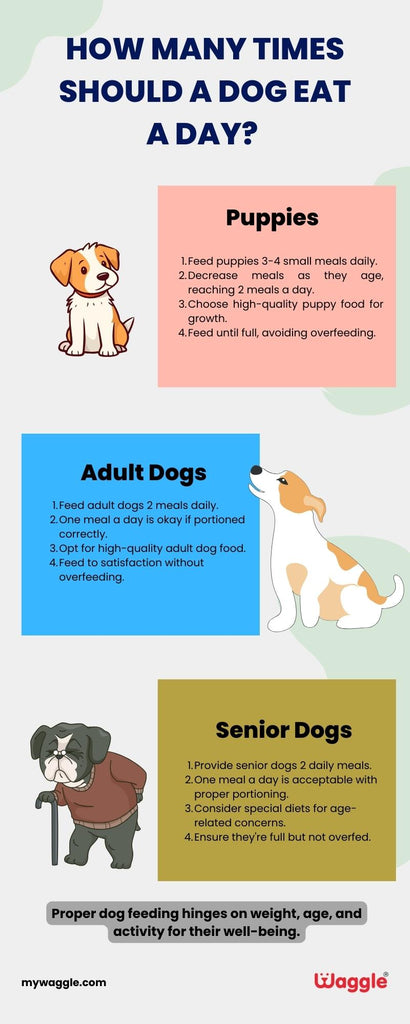
Adult dogs usually eat less often than puppies. Most adult dogs eat twice a day. Portion sizes depend on weight, age, and activity level. Overfeeding can lead to obesity and health problems. Underfeeding causes lack of energy and poor health. Watch your dog’s body condition and adjust food amounts.
Risks Of Early Or Late Transition
Changing your dog’s food at the right time is very important. Feeding adult food too early or too late can cause problems. Dogs need the right nutrients for their age. The wrong timing may affect their growth and health. Understanding the risks helps you keep your dog healthy and happy.
Health Issues From Premature Switching
Switching to adult food too soon can harm your dog. Puppies need more calories and nutrients than adults. Adult food may not have enough energy for growth. This can slow down their development. It may also cause stomach upset and diarrhea. Puppies may lose weight or become weak. Their bones and joints might not grow properly.
Consequences Of Delayed Transition
Waiting too long to switch to adult food also has risks. Adult dogs have different nutrient needs than puppies. Puppy food is richer and can cause weight gain. Extra calories may lead to obesity in adult dogs. This can cause joint pain and heart problems. Overfeeding can also create digestive issues. Your dog might become less active and feel tired.
Monitoring Your Dog’s Response
Watch your dog carefully during the food change. Check their weight and energy levels every week. Look for any signs of upset stomach or allergies. Changes in stool or behavior may mean a problem. Talk to your vet if your dog seems unwell. Adjust the feeding plan based on your dog’s needs. This helps ensure a smooth and safe transition.

Credit: www.visco-foam.com
Tips For A Smooth Food Change
Changing your dog’s food to adult food needs care. A smooth change helps your dog accept the new food well. It also prevents stomach problems and keeps your dog happy. Use simple steps to make the switch easy and safe for your dog.
Follow these tips for a smooth food change. They protect your dog’s health and comfort.
Gradual Mixing Technique
Start by mixing a small amount of adult food with your dog’s current food. Slowly increase the amount of adult food over 7 to 10 days. This slow change helps your dog’s stomach adjust. Sudden changes can cause refusal or upset stomach.
Avoiding Digestive Upset
Watch for signs like vomiting or diarrhea. Give your dog plenty of fresh water during the change. Feed smaller meals more often to ease digestion. Keep the feeding area clean and calm to reduce stress.
When To Consult A Vet
Contact your vet if your dog has severe stomach problems. Also reach out if your dog refuses food for more than two days. The vet can check for health issues and give advice on food changes.
Special Cases And Exceptions
Some dogs need special care when switching to adult food. Changes in age, health, and lifestyle can affect the best diet choice. These special cases need careful attention to keep your dog healthy and happy.
Senior Dogs And Food Adjustments
Older dogs often need different nutrients than younger adults. Their metabolism slows down and joints may ache. Choose food with fewer calories but more fiber and vitamins. This helps maintain a healthy weight and good digestion. Foods rich in omega-3 can support joint health and reduce inflammation.
Dogs With Medical Conditions
Medical issues can change dietary needs. Dogs with kidney problems need low-protein diets. Those with allergies require hypoallergenic or limited-ingredient foods. Diabetes calls for foods with controlled sugar and carbohydrates. Always follow your vet’s advice for these special diets.
Customized Feeding Schedules
Some dogs do better with tailored feeding times. Active dogs may need more frequent meals to keep energy steady. Dogs with slow digestion might benefit from smaller portions throughout the day. Adjusting meal times can prevent overeating and improve digestion.

Credit: www.hladnovrockchoir.com
Credit: www.scala-santa.com
Frequently Asked Questions
When Is The Right Age For My Dog To Eat Adult Food?
Most dogs switch to adult food between 12 to 18 months. Small breeds mature faster, often by 12 months. Larger breeds may need up to 18 months. Always consult your vet to ensure the timing suits your dog’s breed and health needs.
How Do I Know If My Dog Is Ready For Adult Food?
Look for signs like full adult teeth and slowed growth. Puppies losing their baby teeth and eating less often may be ready. Consult your vet for a health check before switching to adult food.
Can I Feed Adult Food To My Puppy Early?
Feeding adult food too early can cause nutritional gaps and growth issues. Puppies need higher protein and fat for development. Wait until your vet confirms your puppy is mature enough before switching.
What Changes Should I Expect When Switching To Adult Dog Food?
Adult food is lower in calories and fat to prevent weight gain. You may notice changes in your dog’s energy levels and stool consistency. Monitor your dog closely and adjust portions if necessary.
Conclusion
Choosing the right time for your dog to eat adult food helps their health. Usually, dogs switch to adult food around one year old. Watch their growth, size, and energy to decide the best time. Always check with your vet for advice specific to your dog.
Feeding the right food supports strong bones and good energy. A smooth change keeps your dog happy and healthy. Remember, every dog is different. Careful attention makes a big difference in your dog’s life.


