

Are you wondering if puppy food is really different from adult dog food? If you want your furry friend to grow healthy and strong, choosing the right food is one of the most important decisions you’ll make.
Feeding your puppy the wrong food could affect their growth and energy in ways you might not expect. You’ll discover the key differences between puppy and adult dog food, so you can give your dog exactly what they need at every stage of life.
Keep reading to learn how to make the best choice for your loyal companion.
Nutritional Needs Of Puppies
Puppies have special nutritional needs that differ from adult dogs. Their bodies grow fast and need the right fuel. Feeding the right food supports strong bones, muscles, and a healthy immune system. Puppy food is made to meet these needs with balanced nutrients. Understanding these needs helps you choose the best diet for your puppy’s health and happiness.
Growth And Development Requirements
Puppies grow quickly in the first year. Their bodies need nutrients to build bones and muscles. Proper food supports brain and organ development. Without enough nutrients, growth can slow or stop. Puppy food contains the right balance to help puppies grow strong and healthy. It meets the demands of rapid development better than adult dog food.
Higher Protein And Fat Levels
Protein helps build muscle and repair tissues. Puppies need more protein than adult dogs. Fat gives puppies energy for play and learning. Puppy food has higher protein and fat to support active growth. These levels help puppies stay energetic and build a strong body. Adult dog food often lacks these higher amounts.
Essential Vitamins And Minerals
Vitamins and minerals keep puppies healthy and prevent illness. Calcium and phosphorus support strong bones and teeth. Vitamins A, D, and E help the immune system and vision. Puppy food has the right mix of these nutrients. Adult dog food may not provide enough for growing puppies. Proper vitamins and minerals ensure puppies develop fully and stay healthy.

Credit: www.purina.com
Nutritional Profile Of Adult Dog Food
Adult dog food has a special nutritional profile made to support grown dogs. It focuses on keeping dogs healthy and active. The nutrients help with daily energy and body functions. Understanding this profile helps you choose the best food for your adult dog.
The nutrients in adult dog food differ from puppy food. Adult dogs need different amounts of protein, fat, and calories. The food also supports a healthy weight and good digestion.
Maintenance Vs. Growth Nutrition
Adult dog food focuses on maintenance, not growth. It has less protein and fat than puppy food. Puppies need more nutrients to grow strong and develop. Adult dogs require balanced nutrition to maintain muscle and organ health. The food supports steady energy without promoting extra weight.
Calorie And Fat Content
Calories in adult dog food are lower than in puppy food. Adults burn fewer calories because they are less active than puppies. Fat content is also reduced to prevent weight gain. Healthy fats remain to keep the skin and coat shiny. This balance helps adult dogs stay fit and energetic.
Balanced Nutrients For Adults
Adult dog food has balanced vitamins and minerals. It includes antioxidants to support the immune system. Fiber aids digestion and keeps the gut healthy. Calcium and phosphorus support bones but in lower amounts than puppy food. This balance helps adult dogs stay strong and healthy.
Differences In Ingredients
Puppy food and adult dog food differ mainly in ingredients. These differences support the unique needs of growing puppies versus mature dogs. Puppies need more nutrients to help them grow strong and healthy. Adult dogs require ingredients that maintain their health and energy.
Protein Sources And Quality
Puppy food contains higher quality protein. This helps build muscles and tissues faster. Proteins come from meats like chicken, beef, or fish. These sources provide essential amino acids for growth. Adult dog food has protein too, but in smaller amounts. It focuses on maintenance rather than growth.
Fatty Acids And Omega Content
Puppies need extra fatty acids for brain and eye development. Puppy food has more omega-3 and omega-6 fats. These healthy fats support the nervous system and skin health. Adult dog food contains fats but usually less than puppy formulas. The fat level matches their slower metabolism.
Additives And Supplements
Puppy food has added vitamins and minerals. Calcium and phosphorus are higher to support bone growth. It may also include DHA for brain development. Adult dog food includes supplements to keep joints healthy. Glucosamine and antioxidants are common additives in adult formulas.
Feeding Guidelines For Puppies
Puppies need special care in their diet to grow strong and healthy. Feeding them the right food at the right time is very important. Their bodies and energy needs change fast during their early months. Good feeding helps prevent health problems later.
Understanding how much and how often to feed puppies supports their development. Changing their diet to adult food needs careful attention too. Watching for signs of poor nutrition helps keep puppies safe and well.
Portion Sizes And Frequency
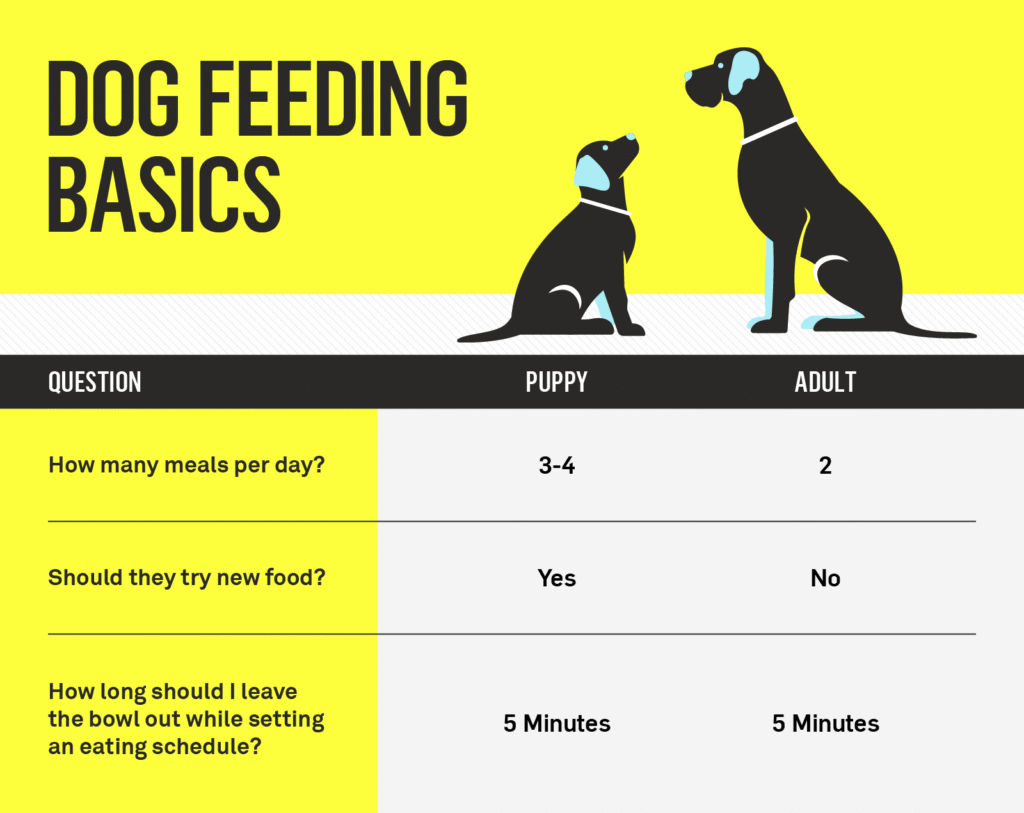
Puppies need smaller meals more often than adult dogs. They usually eat three to four times a day. This keeps their energy steady throughout the day. Portion sizes depend on the puppy’s breed and weight. Follow the feeding guide on the food package. Adjust portions as the puppy grows and gains weight.
Transitioning To Adult Food
Start switching to adult dog food around one year old. Large breeds may need more time before changing. Mix adult food with puppy food slowly over 7 to 10 days. This helps the puppy’s stomach adjust without upset. Watch your puppy’s reaction during the change. Stop if you notice vomiting or diarrhea and try again later.
Signs Of Nutritional Deficiency
Look for dull coat, low energy, or slow growth. Weakness or frequent illness also shows poor nutrition. Puppies may have trouble chewing or digesting food. If these signs appear, visit a vet quickly. Early action can fix most problems. Proper feeding is key to avoid these issues.
Health Risks Of Improper Feeding
Feeding puppies and adult dogs the wrong food can cause serious health problems. Puppies need special nutrition to grow strong bones and muscles. Adult dogs have different needs to stay healthy and active.
Feeding the wrong food or too much can harm your dog’s health. It can lead to obesity, nutrient problems, and long-term diseases. Understanding these risks helps you keep your dog healthy.
Overfeeding And Obesity
Giving puppies adult dog food can cause overfeeding. Puppy food is made for fast growth and higher energy needs. Adult dog food may not meet these needs, leading to extra eating. Overfeeding causes weight gain and obesity.
Obesity puts strain on joints and the heart. It reduces your dog’s energy and life quality. Controlling portion size and feeding the right food prevents these issues.
Nutritional Imbalances
Puppies need more protein, fat, and certain vitamins than adult dogs. Feeding adult food can cause nutritional gaps. This slows growth and weakens the immune system. Feeding puppy food to adult dogs can cause too much nutrition, leading to other health problems.
Proper nutrition supports healthy bones, muscles, and organs. Balanced food keeps your dog strong and happy.
Long-term Consequences
Improper feeding in puppyhood can cause lifelong health problems. Poor nutrition can lead to bone deformities and joint issues. It may also affect brain development and energy levels.
Adult dogs fed wrong food can develop obesity, diabetes, and heart disease. Early care helps your dog live longer and better. Healthy feeding habits protect your dog’s future.
Credit: www.gallant.com
Choosing The Right Food
Choosing the right food for your puppy or adult dog is very important. Their needs change as they grow. Picking the correct food supports their health and energy. It also helps them grow strong and stay active. Careful selection avoids nutrition problems later. Focus on ingredients, nutrition, and quality to find the best option for your pet.
Reading Labels Effectively
Check the label for clear ingredient lists. Look for named meats like chicken or beef first. Avoid foods with many fillers such as corn or wheat. See if the food meets AAFCO standards. This ensures the food is balanced for your dog’s age. Notice the protein and fat percentages for proper growth and energy. Labels also show vitamins and minerals included.
Consulting With Veterinarians
Talk to your vet before choosing food. Vets know about your dog’s health needs. They can suggest food brands or types that suit your dog. Vets also help if your dog has allergies or special diets. Regular check-ups make sure the food supports your dog well. Follow your vet’s advice to keep your dog healthy.
Quality Brands And Ingredients
Choose brands with good reputations for quality. These brands use better ingredients and have strict safety checks. Natural ingredients with real meat help your dog’s digestion. Avoid foods with artificial colors, flavors, or preservatives. High-quality food often costs more but benefits your dog’s health. Quality ingredients give your dog energy and keep their coat shiny.

Credit: blog.thepetstable.com
Frequently Asked Questions
What Makes Puppy Food Different From Adult Dog Food?
Puppy food contains higher protein, fat, and calories to support growth. It also includes essential vitamins and minerals for developing bones and immune systems.
Can Adult Dogs Eat Puppy Food Safely?
Adult dogs can eat puppy food, but it’s not ideal long-term. Puppy food’s rich nutrients may cause weight gain in adult dogs if fed regularly.
When Should I Switch From Puppy To Adult Dog Food?
Switch when your dog reaches about 80% of their expected adult size. This usually occurs around 12 months but varies by breed and size.
Is Puppy Food More Expensive Than Adult Dog Food?
Yes, puppy food is generally pricier due to its nutrient-rich formulation. It uses higher quality ingredients to meet puppies’ specific growth needs.
Conclusion
Puppy food and adult dog food serve different needs. Puppies need extra nutrients for growth and energy. Adult dogs require balanced food to maintain health. Feeding the right food helps dogs stay strong and happy. Switching food at the right time supports their well-being.
Always check labels to choose suitable dog food. Your dog’s health depends on good nutrition every day. Keep their diet simple and proper for best results. Choosing correctly shows you care about your furry friend.


