

Choosing the right food for your dog can feel overwhelming. You see the labels on the bags or cans, but do you really understand what all those numbers and words mean?
Knowing how to read a dog food nutrition label is key to making the best choice for your furry friend’s health and happiness. You’ll learn simple tips to decode those labels quickly and confidently. By the end, you’ll feel empowered to pick the perfect meal that keeps your dog strong, energetic, and thriving.
Keep reading—your dog’s well-being depends on it!
Credit: www.gallant.com
Decoding Dog Food Labels
Reading a dog food label can feel confusing. Labels have many words and numbers. Understanding them helps you choose better food for your dog. Learning the basics of dog food labels saves time and worry. You can spot good ingredients and avoid harmful ones. Let’s explore how to decode these labels.
Key Terms To Know
Dog food labels use special words. Knowing these terms helps you read labels well. “Crude protein” shows how much protein is in the food. Protein is important for your dog’s muscles and energy. “Crude fat” means the fat content. Fat gives your dog energy and helps absorb vitamins.
“Moisture” tells how much water is in the food. Too much moisture means less real food. “Ash” means minerals left after burning the food. Minerals are good but too much ash is not healthy.
Ingredients List Insights
The ingredient list shows what is in the dog food. Ingredients are listed by weight, from most to least. The first ingredient is the main one. Look for named meats like “chicken” or “beef.” These are better than vague words like “meat meal.”
Check for fillers like corn or wheat. These add calories but less nutrition. Avoid foods with many artificial colors or flavors. Natural ingredients help your dog stay healthy and strong.
Credit: www.gallant.com
Nutritional Components To Check
Understanding the key nutritional components on a dog food label helps you choose the right diet. Each part plays a role in your dog’s health and energy. Checking these components ensures your pet gets balanced nutrition every day.
Focus on proteins, fats, carbohydrates, vitamins, and minerals. These provide essential nutrients for growth, repair, and overall well-being. Reading these sections carefully makes feeding decisions easier.
Proteins And Amino Acids
Proteins build muscles and repair tissues. Look for named meat sources like chicken or beef. These provide essential amino acids your dog cannot make. High-quality proteins support strong bones and a shiny coat.
Avoid vague terms like “meat meal” without details. Check the percentage of protein to ensure enough for your dog’s size and age.
Fats And Fatty Acids
Fats provide energy and help absorb vitamins. Look for sources like fish oil or chicken fat. These contain omega-3 and omega-6 fatty acids that support skin and brain health.
Too much fat can cause weight gain. Check the label for balanced fat content suitable for your dog’s activity level.
Carbohydrates And Fiber
Carbohydrates give energy and aid digestion. Common sources include rice, barley, and sweet potatoes. Fiber helps keep your dog’s digestive system healthy and regular.
Adequate fiber prevents constipation and supports gut bacteria. Avoid foods with too many fillers like corn or wheat.
Vitamins And Minerals
Vitamins and minerals keep your dog’s body working well. Look for vitamin A, D, E, and minerals like calcium and phosphorus. These support bones, immune system, and overall health.
Check for added supplements to ensure your dog meets daily nutritional needs. Balanced vitamins and minerals promote long-term wellness.
Understanding Guaranteed Analysis
The guaranteed analysis on a dog food label shows the nutrient content. It tells you the minimum or maximum amounts of certain nutrients. This helps you understand what your dog is eating. The label focuses on key nutrients like protein, fat, fiber, and moisture.
Reading this section carefully helps you choose the right food. It ensures your dog gets enough nutrients for good health. The guaranteed analysis is a quick guide to the food’s quality and balance.
Minimums And Maximums Explained
Guaranteed analysis lists minimums and maximums. Minimum means the food has at least that amount of a nutrient. For example, minimum protein shows the lowest protein level. Maximum means the food has no more than that amount. For example, maximum moisture limits water content in the food.
Minimums protect your dog from lack of nutrients. Maximums prevent too much of some ingredients. Nutrients like fiber have minimums. Moisture and ash have maximums. This balance keeps food safe and healthy.
What Percentages Really Mean
The percentages on the label show nutrient amounts by weight. For example, 25% protein means 25 grams of protein in 100 grams of food. These numbers are not exact but minimum or maximum levels.
Guaranteed analysis uses dry matter basis for accuracy. This removes moisture from the calculation. It helps compare foods with different water content. Percentages give a basic idea of nutrient content. They do not show exact amounts in every serving.

Credit: www.amazon.com
Assessing Caloric Content
Understanding the calories in dog food helps keep pets healthy. Calories provide energy for daily activities and body functions. Reading the label’s caloric content guides feeding amounts. It also helps prevent overfeeding or underfeeding your dog.
Knowing how much energy your dog needs depends on several factors. Age, size, and activity level all affect calorie needs. Assessing these needs ensures your dog gets the right nutrition.
Calories Per Serving
The label shows calories as kcal per serving or per cup. This number tells how much energy one portion provides. Check the serving size carefully to avoid feeding too much. Smaller dogs need fewer calories per serving. Larger dogs require more to maintain their weight.
Energy Needs For Different Dogs
Puppies need more calories for growth and play. Active dogs burn more energy and need extra calories. Older or less active dogs require fewer calories to stay healthy. Overweight dogs benefit from lower-calorie diets. Adjust feeding amounts based on your dog’s lifestyle.
Special Diet Labels
Special diet labels on dog food packages help owners choose the best food for their pets. These labels highlight foods made for specific health needs or preferences. Understanding these labels ensures your dog gets the right nutrition.
Grain-free And Limited Ingredient Diets
Grain-free diets exclude grains like wheat, corn, and rice. They suit dogs with grain allergies or sensitivities. Limited ingredient diets use fewer ingredients to reduce allergy risks. These diets often focus on one protein and a few carbs. Both types can help dogs with sensitive stomachs or allergies.
Organic And Natural Claims
Organic dog food uses ingredients grown without synthetic pesticides or fertilizers. These foods avoid artificial additives and preservatives. Natural dog food means minimal processing and no artificial chemicals. Both labels suggest cleaner, less processed ingredients. They appeal to owners who want pure, simple nutrition for their dogs.
Tips For Choosing The Best Dog Food
Choosing the best dog food is important for your pet’s health. The right food supports growth, energy, and overall well-being. Understanding how to read nutrition labels helps you make good choices.
Focus on your dog’s needs and the quality of ingredients. Avoid foods with too many fillers or artificial additives. Here are some tips to guide you.
Matching Food To Your Dog’s Life Stage
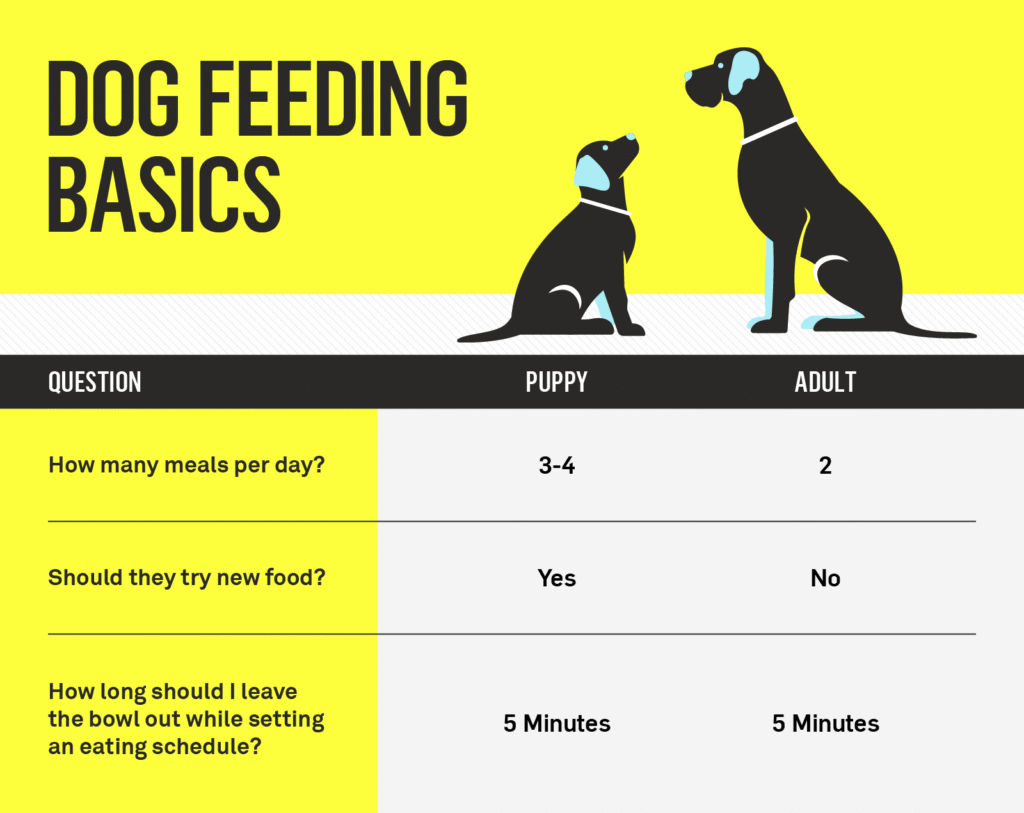
Puppies, adults, and senior dogs have different nutrition needs. Puppies need more protein and calories for growth. Adult dogs require balanced nutrients for maintenance. Older dogs benefit from food that supports joint health and digestion. Check the label to see if the food suits your dog’s age.
Consulting With Your Veterinarian
Your vet knows your dog’s health best. Ask them for food recommendations based on your dog’s condition. They can help with allergies, weight issues, or special diets. Always follow your vet’s advice to keep your dog healthy and happy.
Frequently Asked Questions
What Key Nutrients Should I Look For On Dog Food Labels?
Look for protein, fat, fiber, vitamins, and minerals. These nutrients support your dog’s health and energy. Check ingredient quality and nutrient amounts for balance.
How Do I Understand Ingredient Order On Dog Food Packaging?
Ingredients are listed by weight, from most to least. The first few ingredients are the main components. Prioritize high-quality proteins and whole foods at the top.
What Does “guaranteed Analysis” Mean On Dog Food Labels?
Guaranteed analysis shows minimum nutrient percentages like protein and fat. It ensures the food meets nutritional standards set by regulators.
How Can I Identify Harmful Additives In Dog Food?
Avoid artificial colors, flavors, and preservatives. Look for natural ingredients and limited chemical additives to keep your dog safe and healthy.
Conclusion
Reading a dog food label helps you choose the best food. Check ingredients and nutrient amounts carefully. Know what your dog needs for health and energy. Avoid confusing terms and focus on clear facts. This skill makes feeding your dog safer and smarter.
Always take time to read labels well. Good food supports a happy, strong dog. Simple steps lead to better dog care every day.


