

If you have a Labrador puppy, you’re probably wondering when it’s time to switch from puppy food to adult dog food. Getting this right matters a lot for your pup’s health and growth.
Feed them too soon, and they might miss out on important nutrients. Wait too long, and they could gain unwanted weight or miss out on key benefits. You’ll discover the signs to look for and the best timing to make the switch.
Keep reading to make sure your Lab stays strong, happy, and healthy every step of the way.
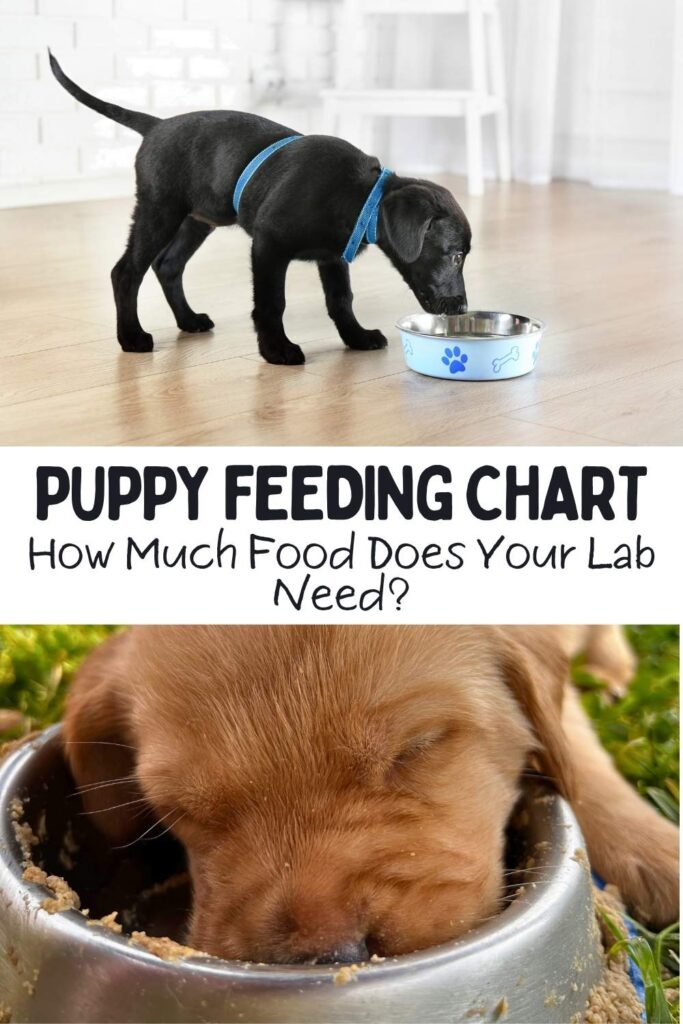
Credit: www.thelabradorsite.com
Puppy Growth Stages
Puppy growth stages are critical for healthy development. Understanding these stages helps you feed your Lab puppy properly. Feeding the right food at the right time supports strong bones and good health. Puppies grow fast and need different nutrients as they age. Knowing the key stages helps you decide when to switch to adult dog food.
From Newborn To Weaning
Newborn puppies rely only on their mother’s milk. Milk gives them all needed nutrients for the first few weeks. At about 3 to 4 weeks, puppies start to explore solid food. This is the weaning stage. You can offer soft, puppy-formulated food mixed with water. Gradually, they eat less milk and more solid food. By 7 to 8 weeks, most puppies eat only solid food. This transition prepares their bodies for digestion of adult food later.
Key Milestones In Development
Puppies double their birth weight in the first two weeks. Their eyes and ears open at 2 weeks old. At 3 to 4 weeks, they begin walking and playing. By 6 to 8 weeks, puppies have strong teeth and can eat dry food. Between 3 and 6 months, growth slows but muscles and bones strengthen. At this time, nutritional needs change. This is the right moment to think about adult dog food. Feeding quality puppy food during early months ensures healthy growth.
Nutritional Needs Of Lab Puppies
Lab puppies grow fast and need the right food to support their development. Their bodies require more energy and nutrients than adult dogs. Feeding them properly helps build strong bones, muscles, and a healthy immune system. Choosing the correct diet supports their overall health and future well-being.
Understanding the specific needs of Lab puppies makes feeding easier. Their food must meet these needs to keep them active and happy. The right nutrition helps them grow into strong adult dogs.
Essential Nutrients For Growth
Protein is important for building muscles and tissues in Lab puppies. They need more protein than adult dogs to support rapid growth. Healthy fats provide energy and help brain development. Calcium and phosphorus are vital for strong bones and teeth. Vitamins and minerals support the immune system and overall health. Puppies also need enough calories to fuel their daily activities. Proper nutrition balances all these nutrients for steady growth.
Differences Between Puppy And Adult Food
Puppy food has more protein and fat than adult dog food. This helps meet their higher energy needs. It also contains added vitamins and minerals for growing bodies. Adult dog food has fewer calories and less fat. Feeding adult food to puppies too early can cause nutrient gaps. Puppy formulas are softer and easier to chew. Lab puppies need food that matches their size and growth stage. Using the right food ensures healthy development and prevents future health issues.
Signs Your Lab Puppy Is Ready
Knowing when your Lab puppy is ready for adult dog food helps support its health. Puppies grow fast, and their diet needs change with age. Watch for signs that show your Lab can handle adult food safely. These signs come in two main types: physical and behavioral.
Physical Indicators
Your Lab’s teeth are a key sign. Adult dog food suits puppies with a full set of adult teeth. Check if the sharp puppy teeth have been replaced. This usually happens around six months old.
Also, notice your puppy’s size. When your Lab looks less like a small pup and more like a young dog, it may be time. The coat becomes shinier and thicker, showing good health and readiness.
Behavioral Changes
Your Lab’s eating habits change too. A pup ready for adult food eats less frequently but finishes meals faster. Watch for less chewing and more swallowing.
Energy levels shift. Your puppy may become more calm and steady, needing a diet that supports this new pace. This change helps you decide when to switch foods.
Timing The Transition
Knowing the right time to switch your Lab puppy to adult dog food is important. The timing affects your puppy’s growth and health. Too early or too late can cause problems. This section helps you understand when and how to make the change smoothly.
Recommended Age Range
Most Lab puppies start eating adult food between 9 and 12 months. This is when their growth slows down. Large breeds like Labs need puppy food longer than small breeds. Their bones and muscles develop over a longer time. Check your vet’s advice to find the best time for your Lab.
Gradual Switching Process
Switch your puppy’s food slowly over two weeks. Start by mixing 25% adult food with 75% puppy food. Increase adult food by 25% every few days. Watch your puppy’s digestion and energy levels. Stop if you see any upset stomach or changes in behavior. Gradual change helps avoid stomach problems and keeps your Lab happy.
Choosing The Right Adult Dog Food
Switching a Lab puppy to adult dog food is an important step. The right food supports their growth and health. Choosing good adult dog food needs care and attention. Quality ingredients and balanced nutrition are key. Your dog’s energy and coat depend on this choice.
Not all adult dog foods suit every dog. Labs have unique needs that food must meet. Understanding what to look for helps make the best choice. Avoiding common mistakes keeps your dog safe and happy.
Ingredients To Look For
Protein is vital for muscle health and energy. Look for real meat like chicken, beef, or fish. Whole grains like brown rice provide good energy. Vegetables add vitamins and fiber. Healthy fats like omega-3 support skin and coat. Avoid foods with too many fillers or artificial additives.
Avoiding Common Pitfalls
Avoid foods with vague ingredient lists. Words like “meat meal” can hide poor quality. Stay away from too many preservatives and colors. Overfeeding adult dog food can cause weight gain. Avoid sudden changes in food to prevent upset stomach. Check the food matches your dog’s size and activity level.
Monitoring Health During Transition
Changing your Lab puppy from puppy food to adult dog food is a big step. It affects their health and growth. Watching their health closely during this change helps avoid problems. You can catch issues early and make sure the food suits your puppy well.
Digestive Adjustments
The stomach needs time to get used to new food. Expect some changes in digestion. Watch for diarrhea, constipation, or vomiting. These signs show the food may be too rich or different. Give your puppy smaller amounts at first. Gradually increase the new food over several days. This helps the stomach adjust without stress.
Tracking Weight And Energy
Weight changes show how well your puppy handles the new diet. Weigh your puppy weekly to track growth. A steady weight gain means the food fits their needs. Look at energy levels too. Your Lab should stay playful and active. Low energy or tiredness may mean the food lacks nutrients. Keep notes and talk to your vet if you see problems.
When To Consult A Veterinarian
Knowing when to consult a veterinarian is key for your Lab puppy’s diet. Puppies grow fast and need the right food at the right time. Sometimes, signs show your puppy may need help switching to adult dog food. A vet can guide you through this change. They ensure your Lab stays healthy and strong during growth.
Signs Of Nutritional Deficiency
Watch your puppy closely for signs of poor nutrition. Dull coat or thinning fur can signal a problem. Low energy or constant tiredness means your puppy may lack key nutrients. Poor growth or weight loss are clear red flags. Digestive problems like diarrhea or vomiting can also indicate issues. If you see these signs, contact your veterinarian quickly.
Handling Transition Challenges
Changing from puppy to adult food can be tricky. Your Lab may refuse new food or have stomach upset. A vet can recommend the best foods and transition plan. They can suggest supplements or special diets if needed. Your vet’s advice reduces stress for your puppy and helps them adapt. Don’t hesitate to ask for help if problems arise during the switch.
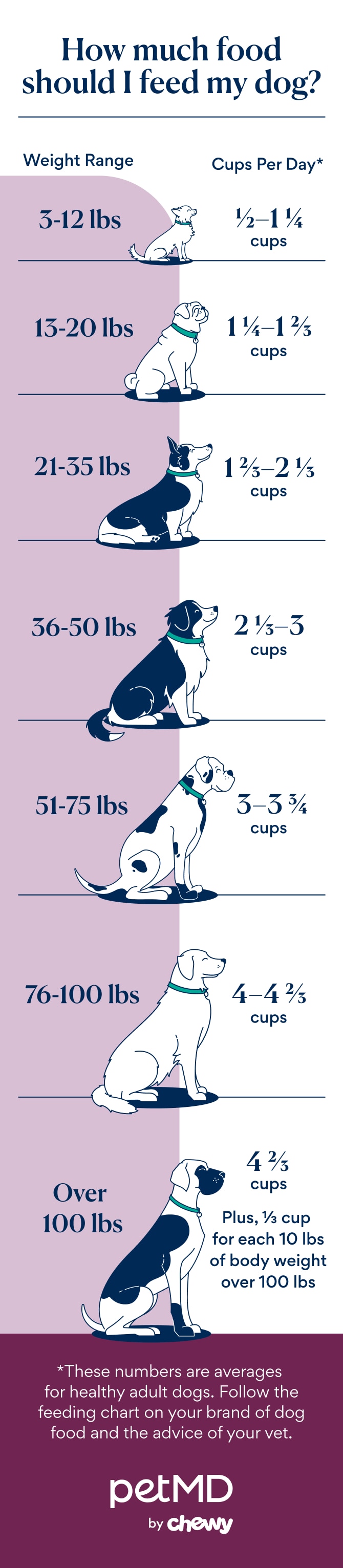
Credit: www.petmd.com
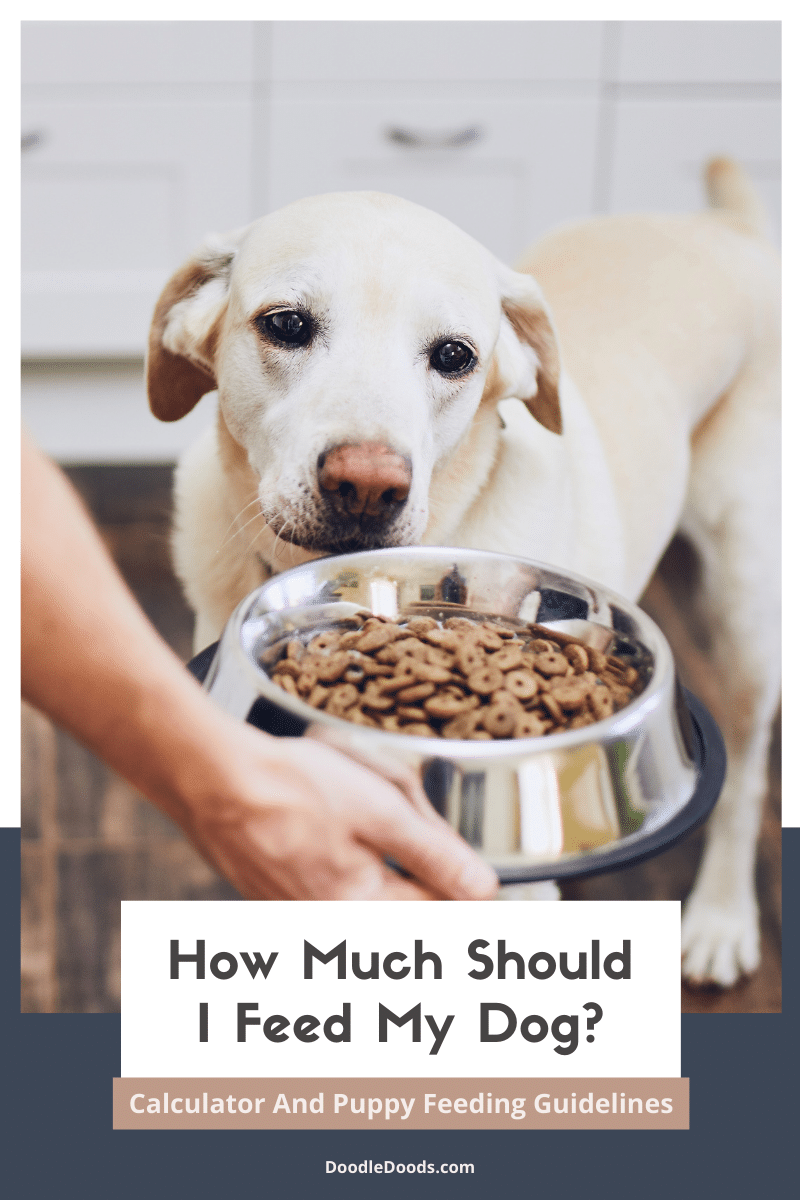
Credit: doodledoods.com
Frequently Asked Questions
When Is The Right Age To Switch Lab Puppies To Adult Food?
Lab puppies should start eating adult dog food at about 12 months old. This is when their growth slows, and nutritional needs change. Transition gradually over 7-10 days to avoid digestive upset. Consult your vet to confirm the best timing for your Lab.
How To Transition A Lab Puppy To Adult Dog Food?
Mix increasing amounts of adult food with puppy food over 7-10 days. Start with 25% adult food and 75% puppy food. Gradually increase adult food until fully switched. This helps prevent stomach upset and ensures a smooth dietary change.
Why Switch Lab Puppies To Adult Dog Food On Time?
Adult dog food meets the nutritional needs of mature Labs better than puppy food. It helps maintain a healthy weight and supports overall health. Delaying the switch can lead to obesity or nutrient imbalances. Timely transition ensures proper growth and wellbeing.
Can I Feed Adult Dog Food To A Lab Puppy Early?
Feeding adult dog food too early is not recommended. Puppies need higher protein and calories for growth. Early switch can cause nutrient deficiencies and affect development. Always wait until your Lab is about 12 months old before transitioning.
Conclusion
Lab puppies need adult dog food at about one year old. Their bodies grow fast and need the right nutrients. Switching too early can cause health problems. Watch your puppy’s size, energy, and vet advice to decide the best time.
Feeding adult food too late can slow growth. Healthy food helps your Lab stay strong and active. Every puppy is different. Careful timing supports a happy, healthy dog life. Keep your Lab’s diet balanced and suitable for their age. That’s the key to a thriving puppy and adult dog.


