

If you have a giant breed puppy, you know how fast they grow. But do you know when it’s the right time to switch from puppy food to adult dog food?
Feeding your giant pup the wrong food can affect their health and development. You want to give your furry friend the best nutrition to keep them strong and happy. You’ll discover the signs to watch for and the perfect timing to make the switch.
Keep reading to make sure your giant breed dog gets the food they really need at every stage.
Growth Milestones For Giant Breeds
Giant breed puppies grow at a different pace than smaller dogs. Their bones and joints need special care during growth. Knowing their growth milestones helps decide the right time to switch to adult dog food. This switch supports healthy development and prevents nutrition problems.
Typical Growth Timeline
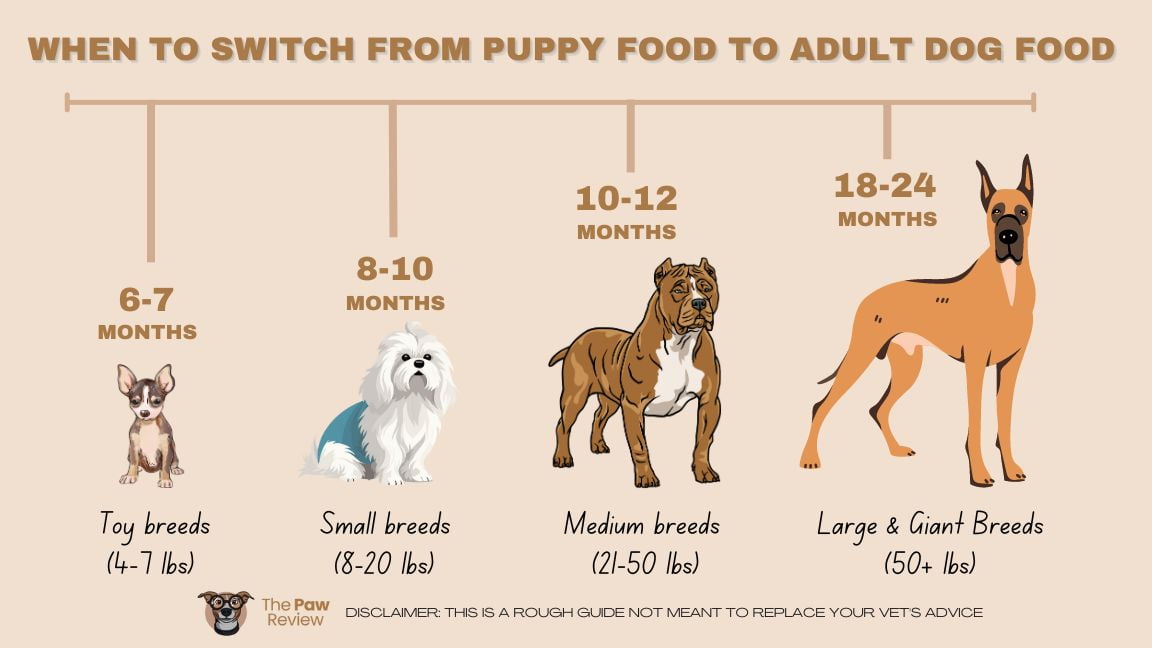
Giant breeds grow fast in the first few months. Most reach half their adult weight by 4 to 5 months. Growth slows down around 6 to 8 months. They often finish growing by 18 to 24 months. This timeline guides when to change their diet from puppy to adult food.
Breed-specific Variations
Each giant breed has unique growth patterns. Great Danes grow quickly but mature later, around 24 months. Saint Bernards grow more steadily and may finish by 18 months. Mastiffs often need more time, sometimes up to 30 months. These differences affect the best time to switch their food.
Credit: paw-review.com
Nutritional Needs Of Giant Puppies
Giant breed puppies grow fast and need special nutrition. Their bones and muscles develop quickly. Feeding them the right food helps keep them strong and healthy. Choosing the correct diet supports proper growth and prevents health problems later.
Nutrition for giant puppies is different from smaller dogs. They need careful balance of nutrients. Too much or too little of some nutrients can cause issues. Understanding their needs helps decide when to switch to adult food.
Calcium And Phosphorus Balance
Calcium and phosphorus are vital for strong bones. Giant puppies need the right amount to grow well. Too much calcium can harm bone development. Too little can cause weak bones and joint problems. Puppy food for giant breeds has balanced calcium and phosphorus. This balance supports healthy bone growth without risks.
Protein Requirements
Protein helps build muscles and tissues. Giant puppies need more protein than small dogs. Their fast growth requires good quality protein sources. Protein in puppy food supports muscle development and energy. Adult dog food may not have enough protein for growing puppies. Feeding the right protein amount helps giant puppies stay strong and active.
Signs Your Puppy Is Ready
Knowing the right time to switch your giant breed puppy to adult dog food is important. Puppies grow fast, and their food needs change. Watch for clear signs that your puppy is ready. These signs help you make a smooth transition that supports healthy growth.
Changes In Appetite
Your puppy’s eating habits often change as it grows. You may notice your puppy eats less often but consumes more food at once. This shift shows their body is maturing and needs a different nutrient balance. Watch for a steady appetite that matches adult dog food portions.
Physical Development Indicators
Giant breed puppies grow in stages. When their bones start to harden and their adult teeth come in, it signals readiness for adult food. Check if your puppy’s weight and size match breed standards for its age. Proper physical growth means their digestive system can handle adult food better.
Behavioral Changes
Behavior can reveal your puppy’s growth stage. Less hyperactivity and more calm moments show maturity. Your puppy may also show interest in different textures and tastes. These changes suggest it is time to introduce adult dog food for balanced nutrition.
Risks Of Early Or Late Switching
Switching a giant breed puppy to adult dog food at the right time is very important. Changing too early or too late can cause health risks. The puppy’s growing body needs a special balance of nutrients. Feeding the wrong food for too long can create problems that last a lifetime.
Potential Health Issues
Feeding adult food too early can cause joint problems. Adult food may have less calcium and phosphorus. Puppies need these minerals for strong bones and joints. Early switching might lead to weak bones or arthritis later.
Switching too late also causes issues. Puppy food is rich in calories and fat. Too many calories for an adult dog can cause obesity. Overweight dogs often face heart and breathing problems. Digestive troubles are common too.
Growth Problems
Giant breed puppies grow fast but need slow, steady growth. Early switching may slow their growth too much. This can make muscles and bones weaker than normal. Growth plates may close too soon, limiting size and strength.
Late switching keeps puppies on rich food for too long. This can cause rapid growth and too much weight. Fast growth strains bones and joints. It raises the risk of hip dysplasia and other growth defects.
Choosing The Right Adult Food
Choosing the right adult food for your giant breed dog is important. The transition from puppy to adult food affects your dog’s health and growth. Adult food should support their large size and protect their joints. It must provide balanced nutrition tailored to their needs. This helps keep your dog strong and active.
Ingredients To Look For
High-quality protein should be the first ingredient. It supports muscle maintenance and overall health. Look for real meat like chicken, beef, or lamb. Whole grains such as brown rice or oats provide energy. Healthy fats like fish oil help with skin and coat health. Glucosamine and chondroitin support joint health. Avoid foods with fillers like corn, wheat, or soy. These add little nutrition and may cause allergies.
Avoiding Common Pitfalls
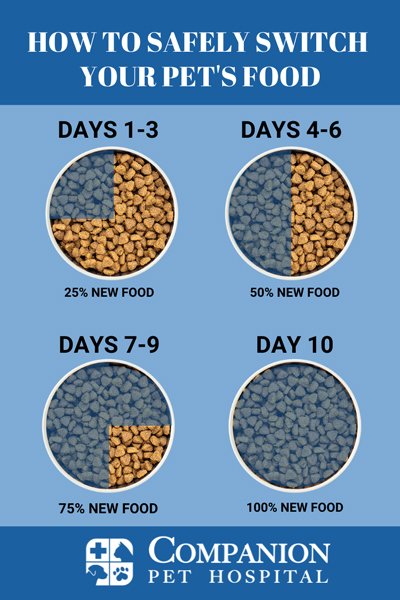
Do not choose adult food with too many calories. Giant breeds can gain weight easily. Excess weight strains joints and causes health issues. Avoid foods with artificial colors, flavors, or preservatives. These can upset your dog’s stomach. Avoid switching foods too quickly. Change diet gradually over 7 to 10 days. Sudden changes cause digestive upset. Check the label for giant breed formulas. They are made to meet large dogs’ special needs.
Credit: companionpethospital.com
Transitioning Smoothly
Switching your giant breed puppy to adult dog food needs care and patience. A smooth transition helps avoid tummy troubles. It also lets your dog adjust to the new diet. A slow, steady change is best for their health.
Gradual Food Changes
Start by mixing a small amount of adult food with puppy food. Increase the adult food over 7 to 10 days. Slowly reduce the puppy food during this time. This method helps your dog’s stomach get used to new ingredients. Avoid sudden changes to prevent upset stomach and diarrhea.
Monitoring Your Dog’s Reaction
Watch your dog closely during the switch. Check for signs like vomiting, diarrhea, or loss of appetite. Also notice if your dog seems less energetic or uncomfortable. If problems appear, slow down the transition. Consult your vet for advice if issues persist. Careful observation keeps your dog safe and healthy.
Consulting Your Veterinarian
Consulting your veterinarian is a smart step before switching your giant breed puppy to adult dog food. They know your dog’s health and growth needs best. Their advice helps make the transition smooth and safe. A vet can spot any special dietary needs early on. This guidance keeps your dog strong and healthy during growth.
When To Seek Advice
Ask your vet about switching food near your puppy’s first birthday. Giant breeds grow at different rates. Some need adult food sooner or later than others. Watch for signs like steady growth or weight changes. Your vet can check your dog’s body condition. They know the right time to change the diet.
What Questions To Ask
Ask if your puppy’s weight and size are normal. Inquire about the best adult food brands for giant breeds. Check if your dog needs special nutrients or supplements. Request tips on how to change food gradually. Discuss any health concerns that might affect diet changes. These questions help you make the best choice for your dog.
Credit: www.eukanuba.com
Frequently Asked Questions
When Is The Right Time To Switch Giant Breed Puppies To Adult Food?
Switch giant breed puppies to adult food around 12 to 18 months. This timing supports healthy growth and prevents obesity. Consult your vet for breed-specific advice to ensure a smooth transition.
Why Is Special Adult Food Important For Giant Breeds?
Adult food for giant breeds contains balanced nutrients that support joint health and controlled growth. It helps maintain optimal weight and reduces risks of skeletal problems common in large dogs.
How To Transition Giant Breed Puppies To Adult Dog Food?
Gradually mix adult food with puppy food over 7 to 10 days. Increase adult food portion while decreasing puppy food. This prevents digestive upset and helps your dog adjust smoothly.
What Are Signs Giant Breed Puppies Need Adult Food?
Signs include slowed growth, reaching near adult size, and reduced energy needs. Your vet can assess if your giant breed puppy is ready for adult food.
Conclusion
Switching your giant breed puppy to adult food needs care. Watch their growth and energy levels closely. Choose the right time, usually between 12 to 18 months. This helps support healthy bones and joints. Avoid switching too early or too late.
A smooth change keeps their tummy happy. Consult your vet for advice tailored to your dog. Feeding the right food helps your dog live strong and healthy. Keep your giant breed happy with proper nutrition every day.

