

You want the best for your puppy, and that includes feeding them the right food at the right time. But how do you know when it’s time to switch from puppy food to adult dog food?
Making this change too early or too late can affect your dog’s health and energy. You’ll discover clear signs and expert advice to help you make the switch confidently. Keep reading to ensure your furry friend gets the nutrition they need to thrive every step of the way.

Credit: www.help.sc.ug
Puppy Growth Stages
Puppy growth happens fast. Each stage brings new needs and changes. Knowing these stages helps you feed your puppy right. Feeding the right food supports health and energy. Puppies need special nutrition at each step.
Key Development Milestones
From birth to 8 weeks, puppies grow rapidly. They learn to eat solid food and explore their world. Between 8 and 16 weeks, they become more active and playful. This stage builds strong bones and muscles. By 6 months, puppies start losing baby teeth. Their growth slows but they still need good nutrition. Around 12 months, most dogs reach adult size. Growth slows and energy needs change.
Nutritional Needs During Growth
Puppies need food rich in protein and fat. These nutrients fuel their fast body growth. Vitamins and minerals help build bones and teeth. Puppies also need more calories than adult dogs. Their small stomachs require nutrient-dense meals. Feeding too early adult dog food may cause poor growth. Switching food at the right time keeps your puppy healthy.
Credit: www.hospimedicaintl.com
Signs Puppy Is Ready
Knowing when your puppy is ready to switch to adult dog food is important. Puppies grow fast, and their food needs change. Recognizing the signs helps you give the right nutrition at the right time. Watch your puppy closely for clear signals.
Physical Indicators
Your puppy’s size shows growth progress. When they reach about 80% of their adult weight, it’s time to consider adult food. Teeth development also matters. Puppies usually have all their adult teeth by six months. Coat texture can change too, becoming less fluffy and more sleek. These changes mean their body needs different nutrients.
Behavioral Changes
Energy levels shift as puppies grow. They may become less hyperactive and more steady. Appetite can change; adult food often satisfies them better. Interest in chewing may decrease as teeth settle. Your puppy might also start showing more independence. These behaviors signal readiness for adult dog food.
Breed And Size Considerations
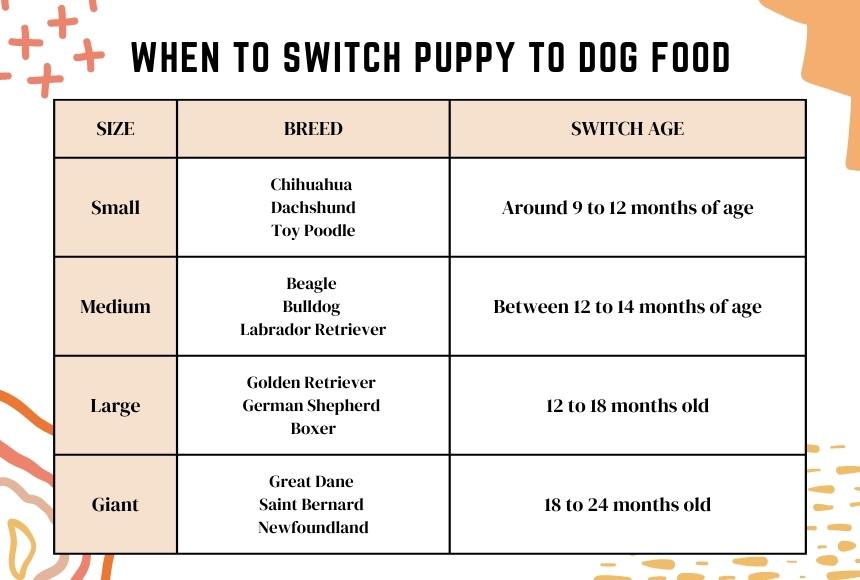
Breed and size play a big role in deciding when to switch a puppy to adult dog food. Different breeds grow at different rates. Their nutritional needs also vary. Choosing the right time helps keep your dog healthy. It supports proper growth and development.
Small Breeds
Small breed puppies grow quickly. They often reach adult size around 9 to 12 months. Their metabolism runs fast, needing more calories per pound. Switching to adult food too late can cause weight gain. Too early might slow growth. Watch their size and energy to find the right time.
Large Breeds
Large breed puppies take longer to grow. Some take 12 to 18 months to reach full size. Their bones and joints need special nutrients during growth. Adult food designed for large breeds supports this. Switching too soon can harm their development. Wait until growth slows before changing their diet.

Credit: www.iams.com
Comparing Puppy And Adult Foods
Choosing the right food for your dog is important for their health. Puppies and adult dogs have different needs. Their food must match their stage of life. Understanding these differences helps you pick the best food. It keeps your dog strong and happy.
Nutrient Differences
Puppy food has more protein and fat than adult food. These nutrients help puppies grow muscles and bones. Puppies need extra vitamins and minerals for brain and eye development. Adult dog food has fewer calories and less fat. It focuses on maintaining health, not growth. The balance of nutrients supports adult dogs’ energy and body functions.
Calorie Content
Puppies burn more calories because they are active and growing. Their food contains more calories to meet this need. Adult dogs need fewer calories to avoid weight gain. Feeding adult dogs too many calories can cause obesity. Choosing the right calorie content supports your dog’s energy level and weight. This keeps your dog healthy and active.
Timing The Food Switch
Knowing the right time to switch your puppy to adult dog food is very important. Feeding your dog the correct food helps them grow healthy and stay strong. Changing food too early or too late can cause stomach problems or poor nutrition. Watch your puppy’s growth and behavior to find the best moment to make the change.
Ideal Age Range
Most puppies need adult food between 9 and 12 months old. Small breeds grow faster and may switch earlier, around 9 months. Larger breeds grow slower and might stay on puppy food until 12 months or more. Check your vet’s advice for your dog’s breed and size. This helps ensure your dog gets the right nutrients at the right time.
Gradual Transition Process
Switching food suddenly can upset your dog’s stomach. Start mixing a small amount of adult food with puppy food. Increase the adult food portion slowly over 7 to 10 days. Watch your dog for any signs of discomfort or allergies during this time. This slow change helps your dog adjust and keeps digestion smooth.
Common Mistakes To Avoid
Switching your puppy to adult dog food is important for their health. Many pet owners make mistakes during this change. These errors can cause digestive problems and poor nutrition. Avoiding common mistakes helps your dog grow strong and healthy.
Switching Too Early
Changing to adult food before your puppy is ready can hurt their growth. Puppies need extra nutrients for bones and muscles. Adult food may not provide enough calories and vitamins. Wait until your vet says your puppy is mature enough. Usually, this is around one year old for most breeds.
Abrupt Changes
Switching dog food suddenly can upset your pet’s stomach. Puppies may get diarrhea or vomiting. Mix the new food with the old one slowly. Increase the new food amount over 7 to 10 days. This helps your puppy adjust without problems.
Monitoring Post-switch Health
Switching your puppy to adult dog food is a big step. After the change, watch your dog’s health closely. This helps catch any problems early and ensures your dog thrives on the new diet.
Digestive Adjustments
After switching foods, your dog’s stomach may need time to adjust. Look for signs like loose stools or constipation. These are normal for a short time. If issues last more than a week, consult your vet. Feeding smaller meals can ease the transition. Keep fresh water available at all times.
Weight And Energy Levels
Monitor your dog’s weight regularly. Adult food has different calorie levels than puppy food. Too much or too little can affect weight. Watch your dog’s energy. Healthy adult dogs stay active but calm. Sudden drops in energy may signal a problem. Adjust food portions based on activity and weight changes.
When To Consult A Vet
Puppies usually switch to adult food around one year old. A vet can help decide the best time based on your dog’s breed and health. Watch for signs like slower growth or changes in energy.
Switching your puppy to adult dog food is an important step. Sometimes, it is not clear when to make the change. A vet’s advice can help you decide the best time.
Pets grow at different rates. Their health and needs may vary. A vet can check if your puppy is ready for adult food. They can spot any problems that need attention.
Health Concerns
Some puppies have health issues that affect their diet. Conditions like allergies or digestive problems need special care. A vet can recommend the right food for these cases. Changing food without advice can cause upset stomach or poor health.
Watch for signs like vomiting, diarrhea, or loss of appetite. These may mean your puppy needs a different diet. Your vet will help find the cause and suggest the best food.
Customized Feeding Plans
Every dog is unique. Size, breed, and activity level affect food needs. A vet can create a feeding plan just for your puppy. This plan makes sure your dog gets all needed nutrients.
Custom plans help with proper growth and healthy weight. They also guide on the right time to switch foods. Following a vet’s plan keeps your dog strong and happy.
Frequently Asked Questions
When Is The Best Age To Switch Puppy Food?
Most puppies should switch to adult dog food between 9 to 12 months old. This varies by breed size. Large breeds may need adult food later, around 12-18 months, while small breeds can switch earlier. Consult your vet for personalized advice.
How To Know If My Puppy Needs Adult Food?
Look for signs like slower growth and less energy. If your puppy reaches near adult size and weight, it’s time. Also, watch for changes in appetite or digestion. Transition gradually to avoid stomach upset.
Can Switching Food Too Early Harm My Puppy?
Yes, early switching can cause nutrient deficiencies and digestive issues. Puppy food has essential nutrients for growth. Switching too soon may stunt development or cause health problems. Always follow vet recommendations for timing the switch.
What Are The Benefits Of Adult Dog Food?
Adult dog food supports maintenance rather than growth. It has balanced nutrients for energy, weight control, and overall health. Feeding adult food at the right time helps prevent obesity and supports a strong immune system.
Conclusion
Switching your puppy to adult dog food takes careful timing. Watch their age and size closely. Most dogs change food between 9 to 12 months. Bigger breeds may need longer on puppy food. Always choose a balanced diet for healthy growth.
Consult your vet for the best advice. A smooth switch helps avoid stomach problems. Your dog will stay strong and happy with the right food. Keep an eye on their weight and energy. Feeding them well means a longer, healthier life.
Small steps lead to big health benefits.


