
Have you ever watched your dog playing and wondered what all those barks, jumps, and tail wags really mean? Understanding your dog’s play behavior can help you connect with them on a deeper level.
When you know why your dog acts a certain way during play, you can make their time more fun and safe. You’ll discover the secrets behind your dog’s playful actions and learn how to encourage healthy, happy play every day.
Keep reading to unlock the key to a stronger bond with your furry friend!
Credit: www.rover.com
Types Of Dog Play
Dogs enjoy different types of play. Each type helps them learn, stay active, and have fun. Play is important for their mental and physical health. Understanding these play types helps owners provide better care.
Solo Play
Solo play happens when dogs play alone. They might chase their tail or run around the yard. This play helps dogs burn energy and stay fit. Toys like balls or chew toys make solo play more fun.
Social Play
Social play involves other dogs or people. It includes chasing, wrestling, and play-biting. This play teaches dogs how to behave and communicate. Social play builds strong bonds and reduces stress.
Object Play
Object play means playing with toys or objects. Dogs may fetch, chew, or tug on toys. This type of play keeps their minds sharp. It also helps with training and focus.
Benefits Of Play For Dogs
Play is very important for dogs. It helps them stay healthy and happy. Dogs need time to run, jump, and explore. Play gives them a chance to use their energy in good ways.
Playing also helps dogs learn new things. It keeps their minds active and sharp. Dogs enjoy fun time with people or other dogs. This time builds strong bonds and trust.
Physical Exercise
Play helps dogs stay fit. Running and jumping keep muscles strong. Exercise also supports heart and lung health. Active dogs have better coordination and balance. Regular play reduces the risk of obesity.
Mental Stimulation
Play challenges a dog’s brain. Puzzles and games make dogs think. This type of stimulation reduces boredom. Bored dogs may act out or become anxious. Mental exercise improves focus and problem-solving skills.
Emotional Well-being
Play makes dogs feel happy and safe. It lowers stress and anxiety levels. Dogs enjoy social play with others. This creates positive feelings and trust. Emotional health is just as important as physical health.
How Play Builds Social Skills
Play is more than fun for dogs. It helps them learn how to live with others. Through play, dogs practice important social skills. These skills help them communicate and behave well in groups. Play acts as a safe space to explore social rules.
Communication Signals
Dogs use many signals during play. Tail wagging, barking, and body movements show their feelings. These signals help dogs understand each other. They learn when to be gentle or when to stop. Recognizing signals prevents fights and builds trust.
Establishing Boundaries
Play teaches dogs about personal space. They learn what behavior is okay and what is not. Dogs test limits by biting softly or chasing. Friends correct each other gently during play. This helps dogs respect boundaries and avoid conflicts.
Conflict Resolution
Sometimes play gets rough. Dogs learn how to calm down and solve problems. They use signals to show they want to stop or play fair. These moments teach dogs how to handle disagreements. Good conflict skills keep friendships strong.
Common Play Behaviors Explained
Dogs use play to practice skills and connect with others. Play behavior shows how dogs communicate and learn. Understanding these actions helps owners read their pets better.
Common play behaviors include biting, chasing, and special postures. Each action has a meaning and a purpose. Let’s explore these behaviors in detail.
Biting And Mouthing
Biting and mouthing are gentle nibbles during play. Puppies use this to explore and learn limits. Adult dogs also bite softly to invite play. It is different from aggressive biting because it lacks force.
This behavior teaches dogs about control and social rules. Owners should watch closely to stop hard bites. Proper training helps dogs play safely with people and pets.
Chasing And Wrestling
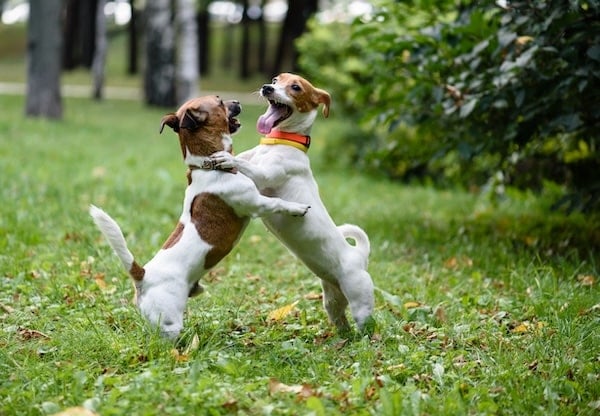
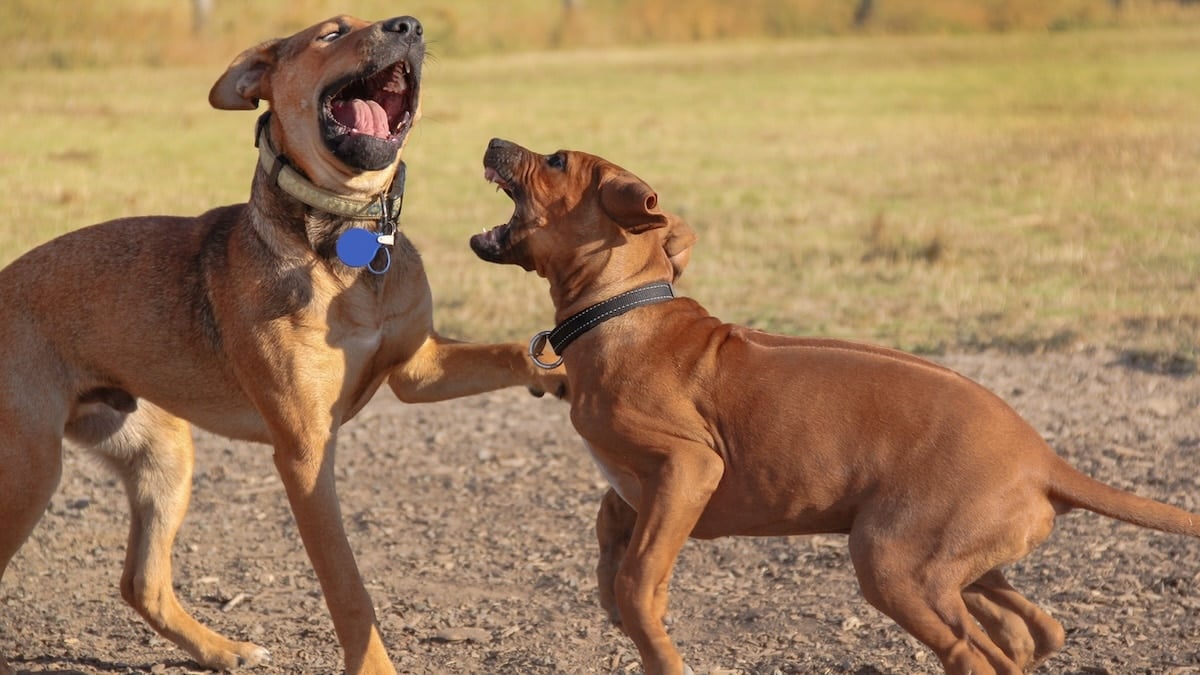
Chasing is a common way dogs play together. It mimics hunting and strengthens bonds. Dogs enjoy running after each other in a fun way. Wrestling involves gentle pushing and rolling on the ground.
These behaviors allow dogs to practice strength and agility. They also learn how to respect each other’s limits. Play fights rarely cause harm if both dogs enjoy it.
Play Bowing
The play bow is a special signal dogs use. It looks like a dog lowering its front legs and raising its rear. This pose invites others to join playtime. It shows the dog means no harm and wants fun.
Play bows help avoid misunderstandings between dogs. They let others know the actions are friendly. Recognizing this signal helps owners understand their dog’s mood.
Encouraging Healthy Play
Healthy play builds strong bonds between you and your dog. It helps your dog stay happy and active. Encouraging safe and fun play supports good behavior. Play also teaches your dog how to interact well with others.
Safe Toys And Environment
Choose toys that are strong and not easy to break. Soft toys, balls, and ropes work well. Avoid toys with small parts that dogs can swallow. Play in a safe area free from sharp objects or traffic. A clean and quiet space helps your dog focus on play.
Supervised Interaction
Watch your dog closely during playtime. Supervision prevents accidents and rough behavior. Step in if play gets too rough or your dog seems stressed. Guide your dog to use toys properly. Supervision keeps play fun and safe for everyone.
Recognizing When To Stop
Notice signs your dog is tired or upset. Panting, yawning, or walking away means it is time to pause. Stopping play before your dog gets too tired prevents problems. Give your dog time to rest and calm down. Ending play gently keeps your dog happy for next time.
Play Differences By Breed And Age
Play behavior in dogs changes with their breed and age. These differences affect how dogs interact with toys, other dogs, and people. Knowing these variations helps owners provide better play experiences. Play is vital for dogs’ mental and physical health. Understanding breed and age helps meet their play needs well.
Puppy Play Styles
Puppies play with high energy and curiosity. They explore using their mouths and paws. Their play is often rough but not harmful. Puppies enjoy chasing, pouncing, and gentle biting. Social play with littermates teaches bite control and social skills. Short, frequent play sessions suit puppies best. Their attention span is still short at this stage.
Adult Dog Preferences
Adult dogs show calmer play styles. They prefer games that match their energy levels. Some like tug-of-war, while others enjoy fetch or scent games. Adult dogs have better bite control and patience. They may play less often but with more focus. Play helps relieve stress and maintain fitness. Respecting adult dogs’ preferences improves their playtime quality.
Breed-specific Tendencies
Different breeds have unique play habits. Herding dogs like Border Collies enjoy chasing and problem-solving games. Retrievers prefer fetching and swimming activities. Terrier breeds often engage in digging and chewing play. Guard dogs might be cautious with strangers but playful with family. Recognizing breed traits helps choose suitable toys and play types. Breed knowledge enhances safe and fun play sessions.
Role Of Owners In Play
Owners play a key role in their dog’s playtime. They help shape how dogs interact and enjoy themselves. Good play strengthens the bond between dog and owner. It also helps dogs learn social skills and burn off energy.
Joining The Fun
Owners should join their dog in play actively. Use toys like balls or ropes to engage your dog. Dogs love when owners show excitement and energy. Play together often to build trust and happiness.
Reading Dog’s Signals
Understanding your dog’s body language is important. Watch for signs like wagging tail or relaxed ears. These show your dog is happy and ready to play. If your dog looks away or growls, it means stop. Paying attention keeps play safe and fun.
Avoiding Overstimulation
Play can get too intense for some dogs. Overstimulation leads to stress or aggressive behavior. Stop play if your dog pants heavily or acts restless. Give your dog quiet time to calm down. This prevents negative experiences during play.

Credit: www.ellevetsciences.com
Credit: www.rover.com
Frequently Asked Questions
What Are Common Signs Of Dog Play Behavior?
Dog play behavior includes wagging tails, play bows, and gentle mouthing. Dogs often chase, wrestle, and bark happily during play. These actions show social bonding and enjoyment, not aggression.
Why Do Dogs Play Bite During Play?
Dogs use play biting to explore and communicate. It’s gentle and controlled, unlike real biting. This behavior helps them learn bite inhibition and social cues from other dogs and humans.
How Can I Encourage Healthy Play In My Dog?
Provide toys, safe spaces, and regular playtime to encourage healthy play. Use positive reinforcement to reward gentle behavior. Socializing with other dogs also promotes positive play experiences.
Is It Normal For Dogs To Growl While Playing?
Yes, growling during play is normal if it’s not aggressive. It’s a way dogs communicate excitement or invite further play. Watch for relaxed body language to ensure it’s friendly.
Conclusion
Dogs show their feelings through play. Play helps dogs learn and stay happy. Watching their play gives clues about their mood and health. Safe, fun play builds a strong bond between you and your dog. Remember to give your dog time to play every day.
It keeps them active and calm. Enjoy these moments—they make your dog’s life better. Play is not just fun; it is part of your dog’s well-being. Keep playing and learning together.

