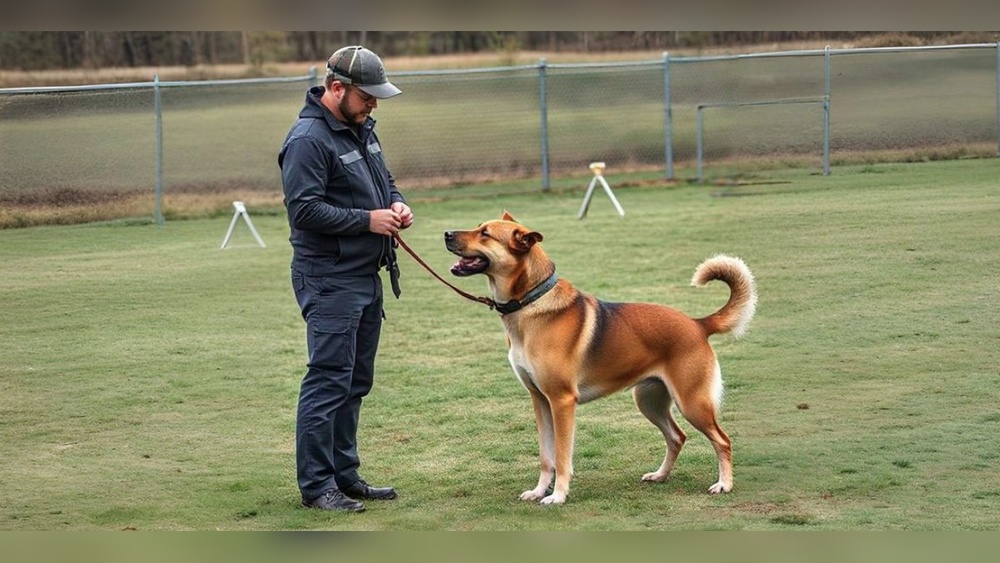
Training your puppy to become a service dog is a rewarding challenge that can change both your lives. You might wonder where to start or how to teach your furry friend the skills they need to help you every day.
This guide will walk you through simple, clear steps to turn your playful pup into a reliable service companion. By the end, you’ll have the confidence and know-how to build a strong bond and create a partnership that truly makes a difference.
Ready to get started? Keep reading to discover how to train your puppy to be a service dog.
Choosing The Right Puppy
Choosing the right puppy is the first step in training a service dog. The puppy must have qualities that suit the work ahead. Not every puppy can become a good service dog. Careful selection increases the chance of success. This process involves understanding breed traits, temperament, and health. Each factor plays a key role in shaping a reliable service dog.
Breed Traits To Consider
Some breeds have natural skills that help with service tasks. Breeds like Labradors, Golden Retrievers, and German Shepherds are popular choices. They have good intelligence and strong work drive. Size matters too. The dog must be big enough to assist but not too large to manage. Coat type can affect grooming needs and comfort. Choose breeds known for calm and focused behavior.
Evaluating Temperament
Temperament shows how a puppy reacts to people and new situations. A service dog needs patience and calmness. Look for puppies that stay relaxed in busy places. Puppies should be friendly, not shy or aggressive. They must handle stress well and stay focused. Early socialization helps reveal these traits. Observe how the puppy plays and interacts with others.
Health Screening Essentials
Healthy puppies have a better chance to train and work long-term. Check for common genetic diseases in the breed. Vaccinations and vet checks are a must. Ask about the puppy’s parents and their health history. Early health screening can prevent future problems. Choose puppies with clear eyes, clean ears, and good energy. Avoid puppies with signs of illness or weakness.

Credit: atlasdog.org
Basic Obedience Training
Basic obedience training is the foundation for any service dog. It teaches your puppy good manners and control. These skills make sure your dog behaves well in public and follows your instructions. Start with simple commands and build from there. Consistency and patience are key to success. This training sets the stage for more advanced tasks later.
Teaching Sit And Stay
Begin with the “sit” command. Hold a treat above your puppy’s head. Move it back slowly. Your puppy will naturally sit to follow the treat. Say “sit” clearly and give the treat. Repeat this several times daily.
Next, teach “stay.” Ask your puppy to sit first. Hold your hand out, palm facing them. Say “stay” and step back slowly. Wait a few seconds, then return and reward. Increase the time and distance gradually. This command helps keep your dog calm and still.
Leash Walking Skills
Leash walking is vital for control outside. Use a short leash to keep your puppy close. Start in a quiet area without distractions. Walk slowly and encourage your puppy to follow. Stop if they pull and wait until the leash is loose. Say “heel” to teach walking by your side. Reward your puppy often for good walking behavior.
Recall And Focus Commands
Recall means calling your puppy back to you. Use a happy voice and say “come.” Show a treat or toy as a reward. Practice in a safe, enclosed space. Increase distance slowly. Praise your puppy every time they come.
Focus helps your puppy pay attention to you. Hold a treat near your face. Say “look” or “focus.” Wait for your puppy to make eye contact. Reward immediately. This skill is important for distractions in public places.
Socialization Techniques
Socialization is a key part of training a service dog. It helps your puppy feel calm and confident. Proper socialization reduces fear and stress in new situations. This leads to better behavior and focus. The puppy learns to stay relaxed around different people and places. Start socialization early to build good habits.
Introducing New Environments
Take your puppy to various places often. Parks, stores, and quiet streets work well. Let your puppy explore and watch new sights. Keep the experience calm and positive. Avoid crowded or loud places at first. Gradually increase the difficulty as your puppy grows. This helps the puppy stay calm in many settings.
Meeting People And Animals
Expose your puppy to different people regularly. Include children, adults, and seniors. Let the puppy approach gently and sniff. Reward calm and polite behavior with treats or praise. Introduce other animals slowly and safely. Use leashes and controlled settings for dog meetings. Socializing with others reduces fear and aggression later.
Handling Unfamiliar Situations
Train your puppy to stay calm during surprises. Loud noises, sudden movements, or new objects can startle. Use gentle commands and stay close. Reward your puppy for calm reactions. Practice with different sounds and environments often. This builds trust and confidence. The puppy learns to focus on you, not distractions.

Credit: www.gooddogservicecanines.org
Specialized Service Tasks
Training a puppy to perform specialized service tasks requires focus and patience. Each task helps the dog assist a person with specific needs. These tasks differ based on the person’s disability and daily challenges. Clear steps and consistent practice make the training effective.
Task Identification And Selection
Start by identifying the tasks your dog needs to learn. These should match the person’s requirements. Common tasks include fetching items, opening doors, or alerting to sounds. Choose tasks that improve independence and safety. Avoid overloading the dog with too many tasks at once.
Step-by-step Task Training
Break each task into small, clear steps. Teach one step at a time. Use simple commands and show the puppy what to do. Reward the puppy immediately after success. Repeat the steps regularly until the puppy understands. Increase difficulty slowly as the puppy improves.
Reinforcing Reliability
Consistency is key to reliable service dog behavior. Practice tasks in different places and situations. Use rewards to encourage steady performance. Ignore mistakes calmly and guide the puppy back on track. Regular training sessions keep skills sharp and trustworthy.
Building Confidence And Calmness
Building confidence and calmness in a puppy is key to training a good service dog. A confident dog faces new situations without fear. Calmness helps the dog stay focused and relaxed around people and noises. These traits make the dog reliable and safe. Training should include methods to reduce stress and keep the puppy steady. Consistent routines and positive rewards encourage good behavior. Each step helps the puppy become a steady service dog ready to help.
Stress Management Strategies
Stress affects a puppy’s learning and behavior. Teach your puppy to relax by using quiet spaces. Gentle petting and soft voices help calm nerves. Short breaks during training prevent overwhelm. Avoid loud noises and sudden moves that scare the puppy. Introduce new places slowly to build comfort. Use toys or chew items to ease anxiety. Calm puppies learn commands faster and stay focused.
Creating Routine And Structure
Puppies feel safe with clear routines. Set regular times for feeding, walks, and training. Predictable schedules reduce fear and confusion. Use the same commands and signals every day. A steady routine teaches the puppy what to expect. It builds trust between you and the puppy. Structure helps the puppy stay calm and confident. Training in the same places also creates comfort.
Positive Reinforcement Methods
Reward good behavior to encourage repeats. Use treats, praise, or play as rewards. Praise your puppy immediately after it follows a command. Avoid punishment; it causes fear and stress. Positive reinforcement builds a happy learning environment. The puppy learns that calm, confident behavior brings rewards. This method strengthens the bond between you and the puppy. It makes training enjoyable and effective.

Credit: canine.org
Public Access Training
Public access training is a key step in preparing a puppy to become a service dog. It teaches the dog how to behave in public places. This training helps the dog stay calm and focused amid many distractions. Service dogs must be ready to work in different environments safely and politely.
Navigating Crowded Spaces
Start by walking your puppy in busy places with many people. Teach the dog to walk close and not pull on the leash. Practice stopping and waiting in crowded areas. This helps the puppy get used to tight spaces and many moving people. Use treats and praise to reward calm behavior.
Maintaining Focus In Distractions
Service dogs must ignore noises and sights that can distract them. Train your puppy with sounds like traffic, talking, and other dogs. Use simple commands like “look” or “focus” to regain attention. Reward the puppy immediately for paying attention. Repeat this training in different locations.
Etiquette In Public Settings
Teach your puppy to stay quiet and calm in public places. The dog should not jump on people or beg for attention. Practice sitting or lying down near strangers without reacting. Help your puppy learn to behave politely in restaurants, stores, and parks. Good manners make the dog a helpful and trusted companion.
Health And Maintenance
Training your puppy to be a service dog takes more than commands and skills. Health and maintenance play a big role in your dog’s success and happiness. Keeping your puppy healthy ensures it can perform tasks well and stay focused. Good care also helps prevent illness and injuries.
Regular Vet Checkups
Regular vet visits keep your puppy in top shape. The vet checks for signs of illness and gives vaccinations. These visits catch health problems early. Your puppy will get advice on parasite control and dental care. A healthy puppy learns and works better.
Nutrition And Exercise
Feed your puppy a balanced diet made for its age and size. Good nutrition supports energy and brain function. Avoid giving too many treats. Exercise is key to strong muscles and a healthy heart. Daily walks and playtime help your puppy burn energy and stay focused.
Grooming And Hygiene
Clean fur and skin prevent infections and irritations. Brush your puppy regularly to remove dirt and loose hair. Check ears and eyes for signs of infection. Bathe your puppy as needed, but not too often. Trim nails to avoid discomfort and injury. Good hygiene keeps your puppy comfortable and ready to work.
Legal Considerations
Training a puppy to become a service dog involves more than teaching skills. Understanding the legal side is crucial. Laws protect service dogs and their handlers. Knowing these rules helps avoid problems.
Service Dog Rights
Service dogs have special rights under the law. They can enter public places with their handlers. Businesses must allow service dogs inside. Denying access is against the law. Service dogs help people with disabilities. They work quietly and do not cause trouble.
Certification And Registration
No official certification is required by law for service dogs. Some groups offer voluntary registration or ID cards. These do not replace legal rights. Beware of companies selling fake certificates. Training and behavior matter more than papers. Handlers must keep their dogs well-trained at all times.
Travel And Accommodation Rules
Service dogs are allowed on planes without extra fees. Airlines may ask for proof of the dog’s training. Hotels and rental places must accept service dogs. They cannot charge extra for them. Planning trips with a service dog is easier with knowledge of these rules.
Troubleshooting Common Issues
Training a puppy to be a service dog can bring many challenges. Problems may arise during training that need quick fixes. Recognizing and solving these issues early helps your puppy learn better. Troubleshooting common issues keeps training smooth and effective.
Addressing Behavioral Challenges
Puppies may show unwanted behaviors like biting or barking. These actions can slow down training progress. Calmly correct these behaviors with gentle commands. Use positive reinforcement to reward good actions. Consistency is key to changing habits. Avoid punishment, as it can cause fear or confusion.
Adjusting Training Techniques
Every puppy learns differently. Some may need more time with certain tasks. Change your training methods if your puppy struggles. Try shorter sessions or more breaks. Use clear, simple commands and gestures. Keep training fun to keep your puppy interested. Adapt your style to fit your puppy’s pace.
Seeking Professional Help
Sometimes, problems need expert advice. Trainers who specialize in service dogs can help. They offer tips and techniques you may not know. Professional help can fix stubborn behaviors faster. Don’t hesitate to ask for support. It improves your puppy’s chances of success.
Frequently Asked Questions
How Long Does It Take To Train A Service Dog?
Training a service dog usually takes 6 to 18 months. Time varies by breed, task complexity, and trainer experience. Consistent daily training and positive reinforcement speed up progress. Early socialization and obedience skills are essential for success.
What Basic Skills Must A Service Dog Learn?
Service dogs must learn obedience commands, socialization, and task-specific skills. Common commands include sit, stay, heel, and come. They must remain calm in public and ignore distractions. Task training depends on the handler’s disability and needs.
Can Anyone Train Their Puppy To Be A Service Dog?
Yes, anyone can train their puppy with dedication and knowledge. Professional guidance and resources improve training success. It requires patience, consistency, and understanding of service dog laws. Early training and socialization are crucial for proper development.
What Are Common Tasks Trained In Service Dogs?
Common tasks include guiding visually impaired people, alerting deaf individuals, and retrieving items. Other tasks involve medical alerts, mobility assistance, and psychiatric support. Tasks depend on the handler’s specific disability and lifestyle requirements.
Conclusion
Training a puppy to be a service dog takes time and patience. Start with basic commands and build trust daily. Consistent practice helps your puppy learn important tasks well. Keep training sessions short and positive to hold their attention. Remember, every puppy learns at its own pace.
Celebrate small successes along the way. With dedication, your puppy will grow into a reliable service dog. Stay patient and enjoy the journey together. Your efforts will make a real difference in your puppy’s life and yours.