

Have you ever felt worried or confused about your dog’s sudden aggressive behavior? You’re not alone.
When your friendly pet starts growling, snapping, or acting out unexpectedly, it can be scary and frustrating. But understanding why your dog behaves this way is the first step to helping them—and yourself. You’ll discover what triggers dog aggression, how to recognize the signs early, and practical tips to manage and improve your dog’s behavior.
Keep reading to regain peace and trust with your furry friend.
:strip_icc()/top-causes-of-aggression-in-dogs-1117877_final-01-b96150820d0644d4ba7f82621dce43d5.png)
Credit: www.thesprucepets.com
Causes Of Aggressive Behavior
Understanding why a dog shows aggressive behavior is important. Aggression can come from many different causes. Each cause affects how a dog acts and reacts.
Knowing these causes helps owners manage or reduce aggression better. It also keeps dogs and people safer.
Genetic Factors
Some dogs have genes that make them more likely to be aggressive. Certain breeds may show stronger protective instincts. These traits can pass from parents to puppies. Genetics alone do not cause aggression, but they play a role.
Environmental Triggers
Dogs react to their surroundings. Loud noises, new places, or strange people can upset them. Poor socialization during puppyhood may increase aggression. Negative experiences, like abuse, also cause aggressive responses.
Health Issues
Illness or pain can make a dog aggressive. Dogs in pain may bite to protect themselves. Conditions like brain injury or hormonal imbalances affect behavior. Regular vet checks can help find these health problems.
Fear And Anxiety
Fear is a common cause of aggression. A scared dog may growl or snap to defend itself. Anxiety from separation or changes in routine also triggers aggression. Calm training and patience can reduce fear-based aggression.
Signs Of Aggression In Dogs
Recognizing signs of aggression in dogs helps keep everyone safe. Aggression shows in different ways. Watching closely can prevent serious problems. Dogs use body, sounds, and actions to express feelings. Knowing these signs lets you act wisely and calmly.
Body Language Cues
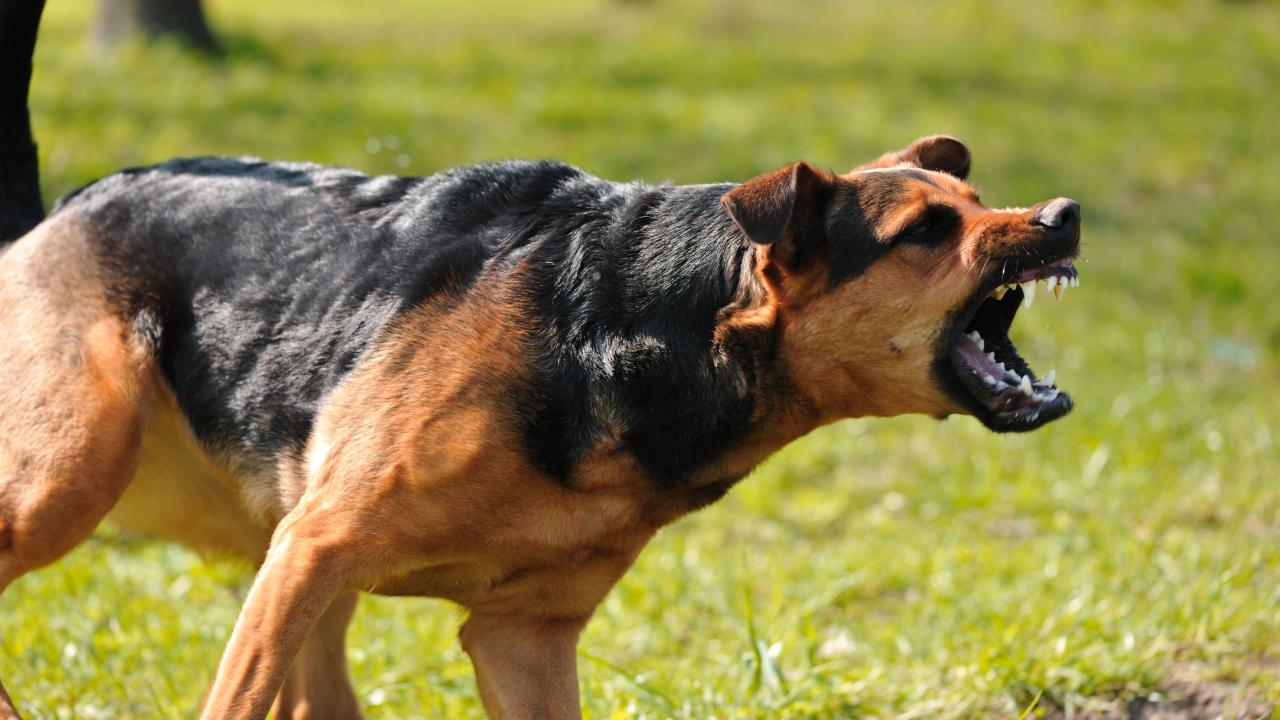
Dogs show aggression with stiff bodies and raised hackles. Their ears may point forward or flatten. A fixed stare often means the dog feels threatened. Tail position varies but usually stands high or bristles. Lips pull back, showing teeth or growling. These signs warn others to stay away.
Vocalizations
Growling is the most common aggressive sound. Barking sharply or loudly can signal a threat. Snarling combines growling with showing teeth. Some dogs may snap or bite without much warning. Listen carefully to changes in volume or tone. Sounds tell a lot about a dog’s mood.
Behavioral Changes
A usually calm dog might suddenly become irritable. Avoiding eye contact or hiding can show fear or stress. Aggressive dogs may snap at people or other pets. They might pace or show restless movements. Watch for repeated actions that seem unusual. Early changes help spot problems before they grow.
Preventing Aggression Early
Stopping aggressive behavior in dogs early is very important. Early steps can help dogs feel safe and calm around people and other animals. It also makes life easier for dog owners. Teaching good habits from the start helps prevent fear and anger in dogs.
Proper Socialization
Socializing your dog means letting them meet many people and animals. This helps dogs learn how to act in different situations. Start socialization when your dog is young. Use gentle introductions. Praise calm behavior. This builds confidence and reduces fear. A well-socialized dog feels less need to show aggression.
Consistent Training
Training your dog regularly teaches them good manners. Use simple commands like “sit,” “stay,” and “come.” Be patient and calm. Reward good behavior with treats or praise. Avoid yelling or punishment. Consistency helps dogs understand what is okay and what is not. This lowers chances of aggressive outbursts.
Safe Environment Setup
Create a safe space for your dog at home. Provide a quiet area where they can relax. Remove items that could cause stress or harm. Supervise interactions with children and strangers. A calm environment reduces anxiety and frustration. Dogs that feel safe are less likely to act aggressively.
Credit: healthtopics.vetmed.ucdavis.edu
Techniques To Calm Aggressive Dogs
Calming aggressive dogs requires patience and the right techniques. Understanding how to reduce aggression helps dogs feel safe and less stressed. These methods focus on changing behavior gently and positively. Each technique plays a key role in making dogs calmer over time.
Positive Reinforcement
Positive reinforcement means rewarding good behavior. It encourages dogs to repeat calm actions. Use treats, praise, or toys as rewards. This approach builds trust and reduces fear. Avoid punishment; it can increase aggression. Consistent rewards help dogs learn what is expected. Small steps lead to big changes.
Desensitization And Counterconditioning
Desensitization helps dogs face triggers slowly. Start with low levels of what causes aggression. Pair this with something the dog likes, like treats. Counterconditioning changes how dogs feel about triggers. It replaces fear or anger with positive feelings. Repeat sessions help dogs stay calm near triggers. Patience is key for success.
Calming Aids And Tools
Calming aids can support behavior training. Tools like calming vests apply gentle pressure. This pressure can reduce anxiety in some dogs. Natural supplements may help but consult a vet first. Soothing music or white noise can create a calm environment. Use these aids alongside training, not alone.
Managing Aggression In Daily Life
Managing aggression in daily life is key for peaceful living with your dog. Aggression can cause stress for both you and your pet. With careful steps, you can reduce aggressive behavior and build trust.
Consistent routines and clear boundaries help your dog feel safe. Understanding your dog’s needs and limits prevents many problems. Daily management focuses on control, prevention, and safe socialization.
Controlled Walks And Exercise
Daily exercise helps reduce your dog’s stress and excess energy. Use a leash and harness for control during walks. Choose quiet routes to avoid sudden triggers. Keep walks calm and steady to prevent excitement. Exercise also improves your dog’s mood and health.
Avoiding Triggers
Identify situations that cause aggressive reactions in your dog. Common triggers include loud noises, strangers, or other dogs. Avoid these triggers during daily activities. Change your routine to keep your dog calm. Recognizing early signs of aggression helps prevent problems.
Safe Interaction With People And Pets
Teach your dog how to behave around others safely. Use a leash when meeting new people or pets. Allow your dog to approach slowly and calmly. Reward calm behavior with treats and praise. Never force interactions that cause stress or fear.
When To Seek Professional Help
Recognizing when to seek professional help for dog aggressive behavior is crucial. Aggression can pose risks to your dog and others around. Early intervention improves chances for better outcomes. Professionals offer tailored guidance to manage and reduce aggression effectively.
Choosing A Behaviorist
Select a certified animal behaviorist with experience in aggression. Check credentials and client reviews before hiring. A good behaviorist assesses your dog’s specific needs. They create a plan based on your dog’s behavior and triggers. Regular sessions help track progress and adjust techniques.
Veterinary Advice
Visit a vet to rule out medical causes of aggression. Pain or illness can trigger aggressive actions in dogs. A vet can prescribe medication to ease anxiety or pain. Medical evaluation is an important step before behavior training. Follow the vet’s advice closely for best results.
Training Programs
Enroll in training programs focused on aggressive behavior. Choose programs that use positive reinforcement methods. Consistent training builds trust and reduces fear or frustration. Group classes may help dogs socialize safely. Training programs support owners with practical skills and tools.

Credit: ridgesidek9tn.com
Frequently Asked Questions
What Causes Dog Aggressive Behavior?
Dog aggression can stem from fear, territorial instincts, pain, or lack of socialization. Genetics and past trauma also play key roles. Understanding these causes helps in managing and modifying aggressive actions effectively.
How Can I Safely Manage Aggressive Dogs?
Use calm, assertive commands and avoid sudden movements. Keep a safe distance, use a muzzle if needed, and seek professional training to address aggression safely and effectively.
Can Training Reduce Dog Aggressive Behavior?
Yes, consistent training helps reduce aggression by teaching appropriate responses and building trust. Positive reinforcement and behavior modification techniques are crucial for long-term success.
When Should I Consult A Vet For Aggression?
Consult a vet if aggression is sudden or linked to pain or illness. Medical issues can cause behavioral changes needing prompt attention and treatment.
Conclusion
Understanding dog aggressive behavior helps keep pets and people safe. Training and patience can reduce aggression over time. Watch your dog closely and learn their signs of stress. Seek help from a professional if aggression grows. Every dog is different, so tailor your approach.
Consistent care and love build trust and calmness. Stay patient; change does not happen overnight. Your effort makes a big difference in your dog’s life.

