Are you wondering when to switch your furry friend to adult dog food? Knowing the right time can make a big difference in your dog’s health and happiness.
Feed them too early, and they might miss out on important nutrients. Wait too long, and they could gain unwanted weight or lose energy. You’ll discover the simple signs and expert tips to help you choose the perfect moment to make the switch.
Keep reading to make sure your dog stays strong, active, and full of life.
When To Switch To Adult Dog Food
Knowing the right time to switch your puppy to adult dog food is important. The change supports healthy growth and avoids nutrition gaps. Puppies need extra calories and nutrients to grow fast. Adult dogs need different nutrient levels to stay fit. Switching too early or too late can cause health issues. Watch your dog’s growth and behavior for clues.
Age Guidelines By Breed Size
Small breeds mature faster than large breeds. Usually, small dogs switch to adult food at 9 to 12 months old. Medium breeds change at about 12 months. Large and giant breeds need more time. They switch to adult food at 12 to 24 months. Their slower growth needs special nutrition. Follow breed size recommendations for best results.
Signs Your Puppy Is Ready
Your puppy shows clear signs when ready for adult food. Growth slows down or stops. Weight gain becomes steady, not rapid. Your dog’s energy levels change, becoming more steady. Teeth and bones fully develop. Appetite may adjust with these changes. These signs help guide the switch timing.
Veterinarian Recommendations
Veterinarians provide advice based on your dog’s health. They consider breed, size, and growth rate. Your vet may suggest blood tests or check-ups. They help decide the best time to switch food. Follow your vet’s guidance to keep your dog healthy. Regular check-ups ensure your dog’s diet meets all needs.
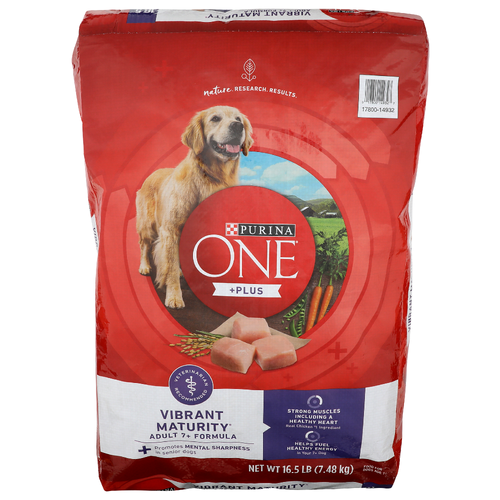
Credit: www.brookshires.com
Nutritional Differences Between Puppy And Adult Food
Puppy food and adult dog food differ in many important ways. These differences support your dog’s changing needs as they grow. Feeding the right food helps keep your dog healthy and strong. Understanding these differences helps you choose the best food at the right time.
Calorie And Protein Needs
Puppies need more calories than adult dogs. Their bodies use energy to grow fast. Puppy food has higher calories to meet this demand. Protein in puppy food is also higher. Protein builds muscles and supports development. Adult dogs need fewer calories to avoid weight gain. Their protein needs are lower but still important.
Essential Vitamins And Minerals
Puppy food contains extra vitamins and minerals. These help bones and teeth grow strong. Calcium and phosphorus are in higher amounts. Puppies need these minerals for healthy skeletons. Adult dog food has balanced vitamins for maintenance. Too much calcium in adults can cause problems. Vitamins like A and E support the immune system in both.
Impact On Growth And Health
Feeding the right food affects growth speed and health. Puppies need food that supports rapid growth safely. Adult food keeps dogs healthy after growth ends. Feeding adult food too early may slow growth. Feeding puppy food too long can cause weight issues. Proper nutrition ensures a healthy, happy dog.
Risks Of Early Or Late Transition
Switching your dog to adult food at the right time is very important. Changing too early or too late can cause problems. The dog’s body needs the right nutrients for its stage of life. Feeding the wrong food can lead to health risks.
Potential Health Issues
Feeding adult food too early can cause poor growth. Puppies need extra nutrients to develop strong bones and muscles. Adult food lacks these essential nutrients. Feeding puppy food too long may cause obesity. The balance of vitamins and minerals is different for puppies and adults.
Digestive Challenges
Changing food too soon can upset your dog’s stomach. Puppies have sensitive digestive systems. Adult food has more protein and fat, which can be hard to digest. Late switching may cause digestive problems too. The dog’s body may not adjust well to the new food.
Weight Management Concerns
Feeding adult food too early can lead to weight gain. Puppy food is designed for growth, so adult food has fewer calories. Feeding puppy food for too long may cause your dog to gain too much weight. This can lead to joint problems and low energy. Keeping the right weight helps your dog stay healthy and active.
How To Transition Smoothly
Switching your dog to adult food needs care and patience. A smooth change helps your dog adjust well. Sudden changes can upset their stomach or cause picky eating. Start the transition slowly for best results.
Follow these tips to make the switch easy and safe for your dog.
Gradual Food Mixing Tips
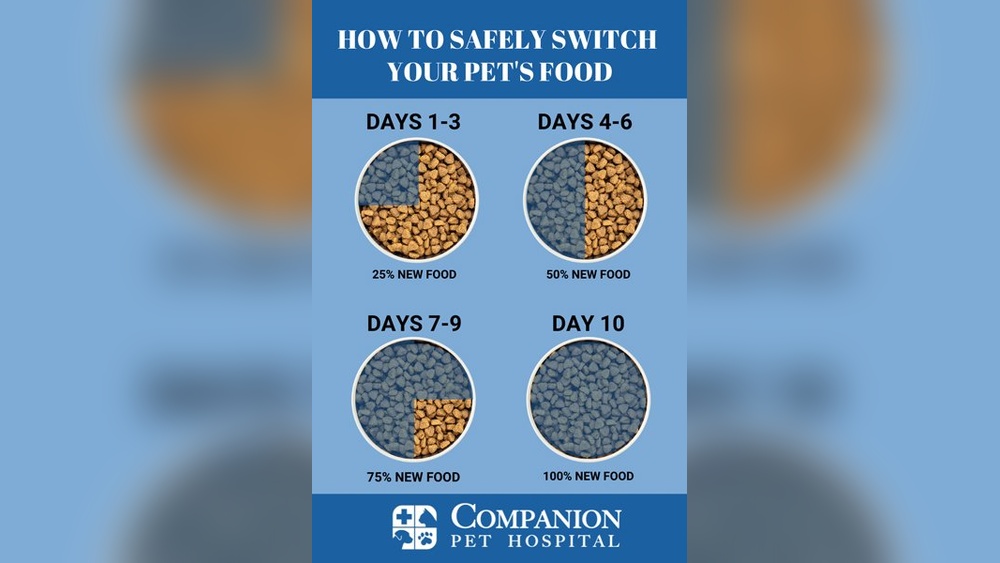
Begin by mixing 25% adult food with 75% puppy food. Do this for three days. Then, change the mix to 50% adult and 50% puppy food. After another three days, try 75% adult food and 25% puppy food. Finally, serve 100% adult dog food. This slow change helps your dog’s digestion adjust.
Monitoring Your Dog’s Reaction
Watch for signs of discomfort or allergies. Look for vomiting, diarrhea, or loss of appetite. If these occur, slow down the transition. Some dogs may take longer to adapt. Keep an eye on their energy and mood. Healthy dogs usually show steady behavior and good appetite.
Adjusting Portions And Frequency
Adult dogs eat different amounts than puppies. Check the feeding guide on the food package. Adjust the portions based on your dog’s size and activity. Feed adult dogs two times a day. Smaller or less active dogs may need less food. Keep fresh water available at all times.
Special Considerations
Choosing the right time to switch your dog to adult food depends on more than just age. Special needs vary by breed size and health. Different dogs grow at different rates. Their diet must match their specific needs for good health and energy.
Large And Giant Breeds
Large and giant breeds grow slower than small dogs. They need puppy food longer to support joint health. Switching too early can cause bone problems. Look for foods with balanced calcium and phosphorus. These nutrients help build strong bones safely.
Small And Toy Breeds
Small and toy breeds mature faster. They often switch to adult food around nine months. Their metabolism is high, so they need nutrient-rich food. Small kibble size helps them eat comfortably. Choose formulas that support their fast energy needs.
Senior Dogs And Special Diets
Older dogs need food with fewer calories and more fiber. Special diets help with weight control and digestion. Some dogs need food for kidney or joint health. Talk to your vet about the best diet. Adjust feeding as your dog ages for better care.
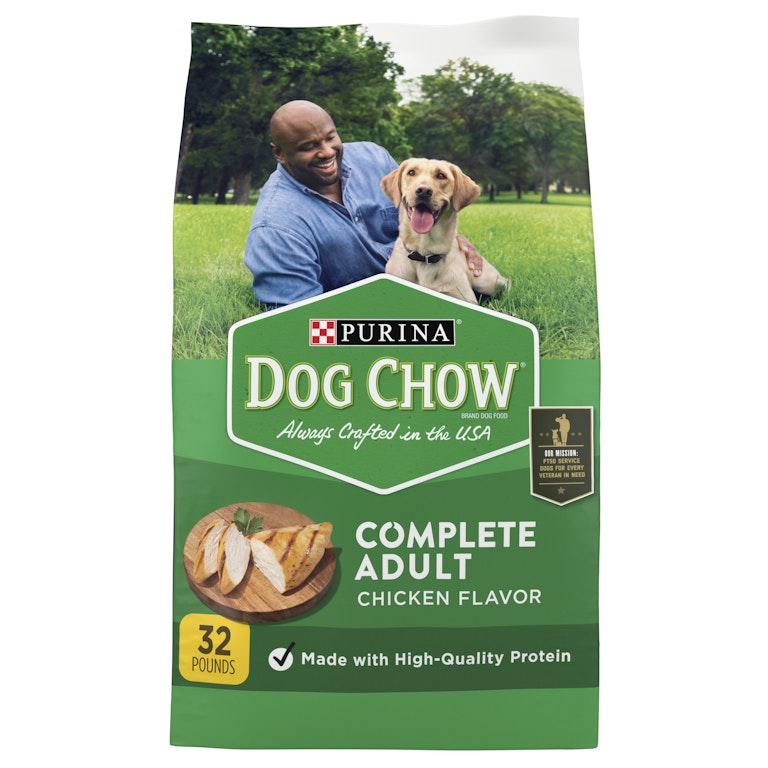
Credit: www.gianteagle.com
Choosing The Right Adult Dog Food
Choosing the right adult dog food is important for your pet’s health. Dogs need good nutrition to stay active and happy. The right food helps maintain a healthy weight and supports strong muscles.
Adult dogs have different needs than puppies. Their food should match their age, size, and lifestyle. This section explains how to pick the best food for your adult dog.
Reading Labels And Ingredients
Look for clear labels on dog food packages. Check the first ingredients; meat should be at the top. Avoid foods with too many fillers like corn or wheat. Protein, fats, and vitamins are important to support your dog’s health.
Tailoring Food To Activity Level
Active dogs need more calories and protein. Less active dogs need food lower in calories. Adjust food amounts based on how much your dog moves daily. This helps keep your dog at a healthy weight.
Consulting Your Vet
Your vet knows your dog’s health best. Ask about the right food type and portion size. Share any health issues or allergies your dog has. Your vet can recommend special diets if needed.
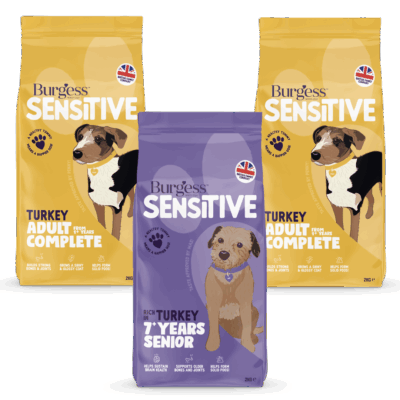
Credit: www.burgesspetcare.com
Frequently Asked Questions
At What Age Should Dogs Switch To Adult Food?
Most dogs should switch to adult dog food between 12 and 18 months of age. Large breeds may need to wait longer, around 18 to 24 months. This transition supports their changing nutritional needs as they mature from puppies to adults.
Why Not Feed Puppies Adult Dog Food?
Adult dog food lacks essential nutrients that puppies need for growth. Puppies require higher protein, fat, and calorie content to support development. Feeding adult food too early can lead to nutritional deficiencies and hinder healthy growth.
Can Small Breeds Switch To Adult Food Sooner?
Yes, small breed dogs generally mature faster than large breeds. They can switch to adult dog food around 9 to 12 months. Their faster growth rate means they need adult nutrition sooner to maintain health.
How To Know When To Change To Adult Dog Food?
Observe your dog’s growth and maturity signs, like size and behavior. Consult your vet for personalized advice. Typically, when your dog stops growing and reaches adult size, it’s time to switch.
Conclusion
Choosing the right time to switch to adult dog food helps your pet stay healthy. Most dogs need adult food around one year old. Small breeds might change sooner, while large breeds take longer. Watch your dog’s growth and energy for clues.
Feeding adult food too early or late can cause problems. Always pick quality food that fits your dog’s size and needs. This simple step supports strong bones and good digestion. Keep an eye on your dog’s health and adjust food as needed.
Your careful choice makes a big difference in your dog’s life.