

Have you ever wished your dog could learn new tricks as quickly as you ask? What if training your furry friend didn’t feel like a battle every time?
At When Pigs Fly Dog Training, you’ll discover simple, effective ways to connect with your dog and see real results. Imagine having a well-behaved companion who listens without you having to repeat yourself. Keep reading, because this guide will transform the way you and your dog communicate—and make training something you both look forward to.
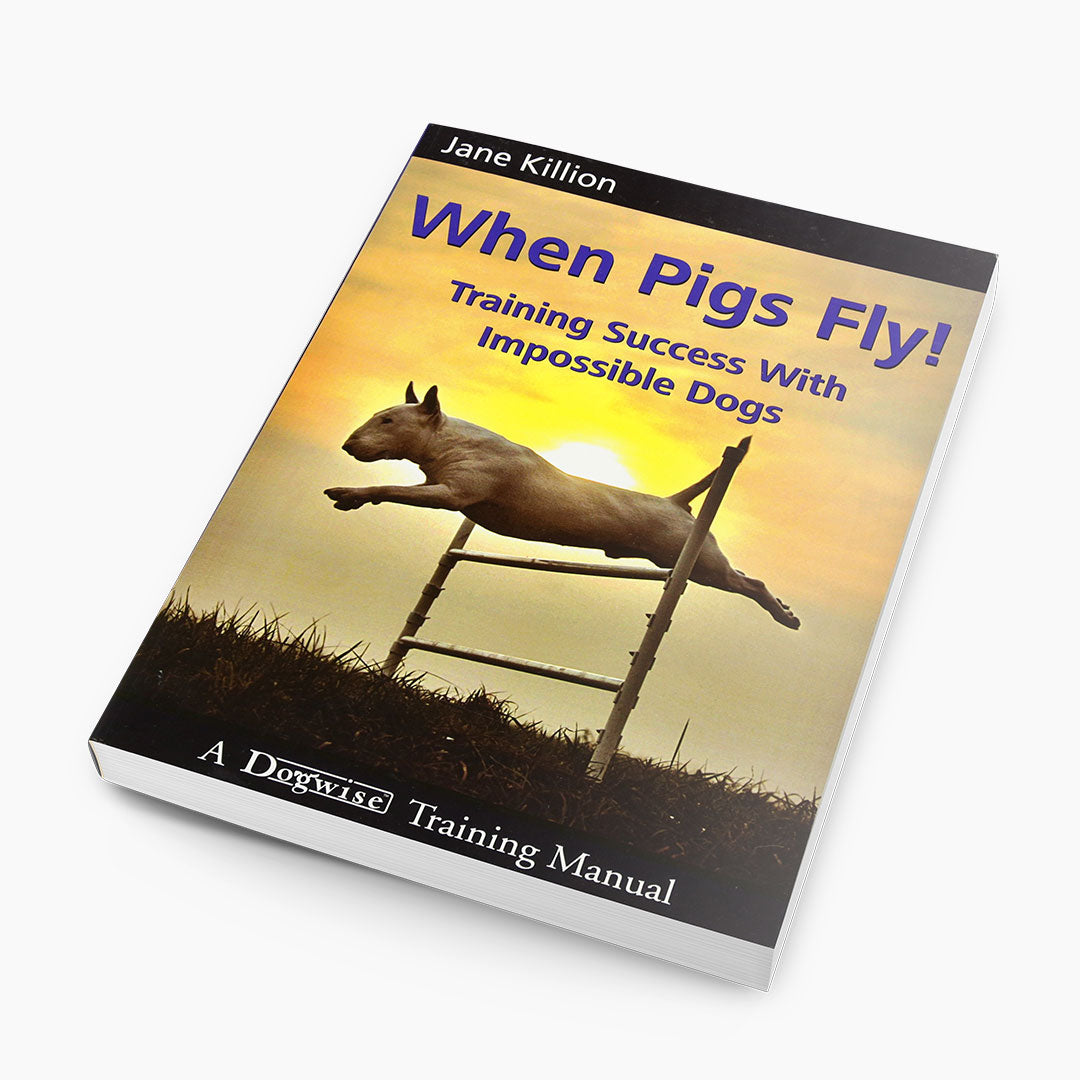
Credit: shoppuppyculture.com
About When Pigs Fly Dog Training
When Pigs Fly Dog Training helps dogs and owners build strong bonds. The training focuses on kindness, patience, and fun. It works for dogs of all ages and breeds.
The trainers use easy methods that dogs quickly understand. They teach owners how to communicate clearly with their pets. This makes training easier and more effective.
Training Approach
The approach is gentle and reward-based. Dogs learn good behavior without fear or stress. Positive reinforcement like treats and praise is common.
This style encourages dogs to enjoy learning. It helps build trust between dogs and owners. The trainers adjust methods to fit each dog’s needs.
Services Offered
When Pigs Fly Dog Training offers group classes and private lessons. They cover basic commands, manners, and problem behaviors. Puppy training and socialization classes are also available.
Special sessions for obedience and agility training help active dogs. They also provide help with leash walking and house training. Every service aims to improve the dog’s behavior and happiness.
Trainer Experience
The trainers have years of experience with many dog breeds. They understand dog behavior and how to teach effectively. Their goal is to make training simple and fun.
They continue learning new techniques to stay updated. Trainers work closely with owners to solve specific challenges. Their support helps dogs and owners succeed together.
Key Techniques For Quick Behavior Change
Changing a dog’s behavior quickly needs clear and simple methods. Trainers at When Pigs Fly Dog Training use proven techniques. These methods help dogs learn faster and keep good habits.
Focus on what works best to guide your dog. Use easy steps that your dog can understand.
Positive Reinforcement Methods
Reward good behavior to encourage your dog. Use praise, petting, or treats as rewards. Avoid punishing mistakes to keep training positive. Dogs learn faster with kindness and rewards.
Repeat good behavior and reward it every time. This helps the dog know what is right.
Consistency In Commands
Use the same words and tone for commands. Consistency helps dogs understand what to do. Everyone in the family should use the same commands. This avoids confusion and speeds up learning.
Practice commands daily in short sessions. This keeps the dog focused and improves memory.
Effective Use Of Treats And Rewards
Choose small, tasty treats your dog loves. Give treats immediately after good behavior. This links the action with the reward clearly.
Gradually reduce treats as your dog learns. Replace treats with praise to keep motivation. Timing and quality of rewards matter most.
Common Behavior Issues And Fixes
Dogs often show common behavior problems. These can cause stress for owners and pets. Understanding these behaviors helps in fixing them. Simple training methods can improve your dog’s habits. Consistency and patience work best for lasting change.
Here are some typical issues and easy ways to address them.
Reducing Excessive Barking
Dogs bark to communicate. Too much barking can be a problem. It may happen from boredom or fear. Teaching your dog to bark less starts with attention control. Use a calm voice to say “quiet” when barking starts. Reward silence with treats or praise. Give enough playtime and exercise to reduce boredom. Avoid yelling, as it may increase barking. Consistent training helps your dog learn quiet time.
Addressing Pulling On Leash
Pulling makes walks hard and unsafe. Dogs pull when excited or curious. Teach your dog to walk beside you. Stop walking when pulling begins. Wait until the leash is loose before moving. Use treats to guide your dog’s attention. Short, regular walks improve leash manners. A well-fitted harness can reduce pulling. Practice patience. Your dog will learn to walk calmly.
Managing Separation Anxiety
Separation anxiety causes stress when alone. Dogs may bark, chew, or pace. Start by leaving your dog alone for short times. Gradually increase time away. Create a safe space with toys and water. Avoid long goodbyes to reduce anxiety. Use calm behavior when you return home. Training with positive steps helps your dog feel secure. Seek help if anxiety worsens or lasts long.

Credit: www.amazon.ae
Benefits Of Fast-track Training
Fast-track training at When Pigs Fly Dog Training helps dogs and owners learn quickly. This method saves time and keeps dogs interested. Training sessions are shorter but very focused. Dogs learn important skills faster than usual. Owners see results sooner, making training more rewarding.
Building Stronger Owner-dog Bond
Fast-track training creates more moments of positive interaction. Owners and dogs share clear communication and trust. Training activities become fun and rewarding for both. This strengthens the emotional connection between them. A strong bond makes future training easier and more effective.
Improving Socialization Skills
Dogs meet new people and other dogs during fast-track sessions. They learn how to behave calmly in different situations. Social skills develop quickly with guided practice. Dogs feel more comfortable and confident outside the home. Well-socialized dogs are happier and less anxious in public.
Enhancing Obedience And Focus
Fast-track training sharpens dogs’ attention on commands. Dogs learn to follow instructions without delay. Consistent practice builds good habits fast. Improved obedience helps keep dogs safe and well-behaved. Owners gain better control, making walks and outings more pleasant.
Choosing The Right Trainer Or Program
Choosing the right trainer or program is key for effective dog training. The right choice shapes your dog’s behavior and your experience. It saves time and avoids frustration. This section helps you find the best fit for your dog and goals.
What To Look For In A Trainer
Choose a trainer with clear credentials and experience. They should use positive methods, not punishment. Ask about their training style and success stories. A good trainer listens to your concerns. They adapt to your dog’s needs. Check reviews and ask for references. Trust and comfort matter for both you and your dog.
Comparing Online Vs. In-person Classes
Online classes offer flexibility and convenience. You can learn at your own pace. In-person classes provide hands-on guidance. Trainers can correct mistakes immediately. Some dogs need social interaction found in group classes. Online programs work well for basic commands. Choose based on your schedule, learning style, and your dog’s personality.
Evaluating Training Success
Look for clear progress in your dog’s behavior. Success means consistent obedience in different settings. Trainers should provide tools to maintain results. Watch for improvements in focus and response time. Training should build confidence in you and your dog. If goals are not met, consider adjusting methods or trainers.
Maintaining Behavior Changes Long-term
Maintaining behavior changes long-term is key to successful dog training. It takes patience and ongoing effort. Consistency helps your dog remember good habits. Training should not stop after initial success. It needs regular attention to keep progress strong.
Regular Practice And Reinforcement
Practice makes good behavior stick. Daily training sessions help dogs remember commands. Use treats and praise to encourage positive actions. Reinforce good behavior every day. This builds strong habits that last.
Adapting Training As Your Dog Grows
Dogs change as they age. Training should change too. Adjust commands and activities to fit your dog’s size and energy. Older dogs may need slower, gentler training. Puppies need short, fun sessions. Tailor your approach for best results.
Handling Setbacks Effectively
Setbacks are normal in training. Stay calm and patient. Identify what caused the setback. Return to basics if needed. Celebrate small wins and keep moving forward. Persistence helps dogs learn and improve over time.

Credit: www.dogwise.com
Frequently Asked Questions
What Training Methods Does When Pigs Fly Dog Training Use?
When Pigs Fly Dog Training uses positive reinforcement techniques. They focus on reward-based training to encourage good behavior. This method builds trust and strengthens the bond between dogs and owners effectively.
How Long Does Training At When Pigs Fly Usually Take?
Training duration varies by dog and goals. Typically, basic obedience takes 4 to 8 weeks. Consistency and practice at home speed up progress.
Does When Pigs Fly Offer Training For All Dog Breeds?
Yes, When Pigs Fly Dog Training works with all breeds. Their trainers customize programs to fit each dog’s temperament and needs.
Can When Pigs Fly Help With Aggressive Dog Behavior?
Yes, they specialize in behavior modification for aggression. Trainers use safe, proven techniques to manage and reduce aggressive tendencies.
Conclusion
Training your dog takes patience and kindness. Pigs Fly Dog Training helps build trust and good habits. Small steps lead to big changes in behavior. Stay consistent and celebrate every success along the way. Your dog will learn and grow with you.
Enjoy the journey of training and bonding together. Remember, every dog can improve with care and time. Pigs Fly Dog Training supports you at each stage. Keep practicing, and good results will follow.


