

If you’ve recently neutered your male dog or are thinking about it, you’re probably wondering how his behavior might change. You want to know what to expect and how to help him adjust smoothly.
Understanding these changes can make a big difference in your dog’s happiness and your peace of mind. Keep reading to discover the common behaviors after neutering and how you can support your furry friend through this transition.
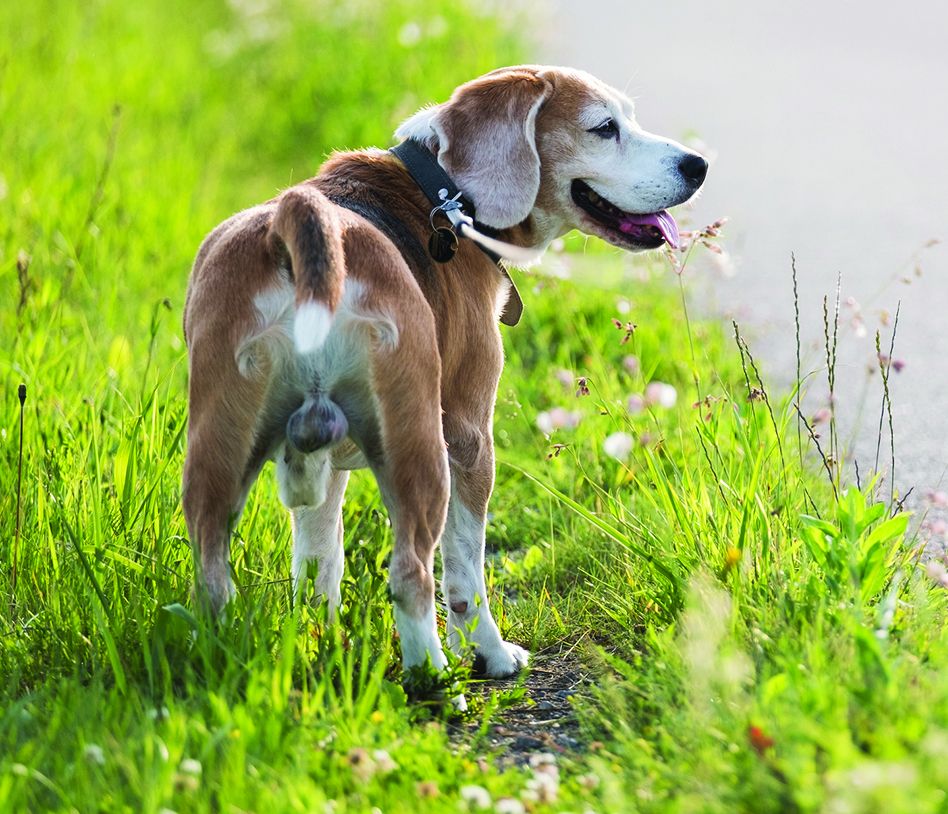
Credit: www.whole-dog-journal.com
Behavior Changes After Neutering
Neutering a male dog often leads to changes in his behavior. These changes occur because neutering lowers hormone levels. This affects how your dog acts and feels. Understanding these shifts helps you care for your pet better. Some behaviors become calmer, while others may take time to adjust.
Common Temperament Shifts
After neutering, many dogs become less restless. They often show more calmness and focus. Some dogs may seem more affectionate toward family members. This change is due to reduced testosterone. Your dog might also become less interested in marking territory. These shifts make daily life easier for both of you.
Energy Level Adjustments
Neutered dogs usually have lower energy levels. They may not run or play as much as before. This does not mean they become lazy. They simply need less physical activity to feel happy. Adjust your walks and playtime to fit their new energy. Keep your dog active but avoid over-exercising.
Aggression And Dominance Traits
Neutering often reduces aggressive behavior in male dogs. They show less fighting or challenging other dogs. Dominance issues can become less common after the surgery. This helps your dog get along better with other pets. Still, training and socializing remain important for good behavior.
Physical Effects Impacting Behavior
Neutering causes several physical changes in male dogs. These changes can affect their behavior in many ways. Understanding these effects helps pet owners support their dogs better.
Hormonal Changes
Neutering reduces testosterone levels significantly. This hormone controls many behaviors, like aggression and marking. Lower testosterone often calms dogs down. Some dogs become less dominant or less interested in mating. These changes may take a few weeks to show clearly.
Weight And Activity
After neutering, dogs may gain weight more easily. Their metabolism slows down a bit. Dogs may also feel less energetic. This drop in activity can lead to weight gain. Owners should adjust food and exercise to keep their dog healthy.
Healing Process And Discomfort
Neutering surgery causes temporary pain and soreness. Dogs may feel tired and less playful during recovery. Discomfort can make them less active or irritable. Proper care, rest, and gentle attention help dogs heal faster. Healing usually takes about ten to fourteen days.
Managing Anxiety And Stress
Neutering can cause changes in a male dog’s behavior. These changes may lead to anxiety and stress. Helping your dog manage these feelings is important for a smooth recovery. Understanding your dog’s signs of stress, using comforting techniques, and adjusting their environment can ease their worries. This section explains how to support your dog after neutering.
Signs Of Stress
Watch for signs that show your dog feels stressed. These include pacing, whining, or shaking. Some dogs hide or refuse to eat. Excessive licking or scratching may also occur. Recognizing these signs early helps you act quickly. Stress can affect healing and behavior after surgery.
Comforting Techniques
Speak softly and gently to calm your dog. Offer a favorite toy or blanket for comfort. Petting and gentle massage can reduce tension. Keep your dog close but do not force attention. Short, calm walks provide distraction and release energy. Patience and calmness help your dog feel safe.
Environmental Adjustments
Create a quiet, safe space for your dog to rest. Limit loud noises and sudden movements. Use soft bedding and keep the area clean. Avoid other pets or children that may cause stress. Keep food and water nearby for easy access. A calm environment supports recovery and reduces anxiety.

Credit: www.millplainvet.com
Training And Socialization Tips
Training and socialization are important for male dogs after neutering. This time helps them adjust to changes in behavior and energy. Proper guidance makes the transition smoother for your dog. It also helps maintain good habits and reduce confusion.
Focus on clear communication and patience. Your dog needs consistent signals to understand what is expected. Positive reinforcement and gentle redirection work well. Socializing your dog with other pets also supports healthy behavior and confidence.
Reinforcing Positive Behavior
Praise your dog when he behaves well. Use treats or kind words to reward good actions. This makes your dog want to repeat those behaviors. Keep training sessions short and fun. Consistent rewards build trust and understanding.
Redirecting Undesired Actions
Stop unwanted behaviors without punishment. Gently guide your dog to a better action. Use toys or commands to shift his focus. Avoid harsh words or hitting. Calm and firm direction helps your dog learn quickly.
Introducing To Other Pets
Introduce your neutered dog to other pets slowly. Let them meet in a neutral place. Watch their body language for signs of stress or aggression. Keep initial meetings short and positive. Gradually increase time together as they get comfortable.
Diet And Exercise Recommendations
After neutering, a male dog’s diet and exercise need changes. These help him stay healthy and strong. Proper care supports healing and keeps weight in check. Below are simple tips for food and activity.
Nutritional Needs Post-surgery
Neutered dogs burn fewer calories. Their metabolism slows down. Feeding less fat and fewer calories is important. Choose high-quality protein to keep muscles healthy. Offer balanced meals with vitamins and minerals. Avoid giving too many treats or table scraps. Fresh water should always be available.
Safe Exercise Routines
Start with gentle walks after surgery. Short, slow walks help healing without stress. Avoid jumping, running, or rough play for two weeks. Gradually increase exercise time and intensity. Swimming and leash walks are good low-impact options. Watch your dog for signs of tiredness or pain. Stop activity if your dog limps or whines.
Preventing Weight Gain
Weight gain is common after neutering. Lower calorie needs and less activity cause it. Measure food portions carefully each day. Use puzzle feeders to slow eating and add mental play. Keep exercise consistent and fun. Regularly check your dog’s weight and body shape. Consult your vet for weight management advice.
When To Consult A Veterinarian
Neutering affects a male dog’s behavior in many ways. Some changes are normal and expected. Others might signal a problem. Knowing when to consult a veterinarian is important for your dog’s health and happiness. Watch your dog’s behavior closely after surgery. Be ready to seek help if something feels off.
Recognizing Abnormal Behavior
Changes in mood or energy are common after neutering. But some behaviors need attention. Excessive aggression or fear can be a red flag. If your dog hides or refuses food, take note. Sudden, severe changes in behavior may indicate pain or stress. Keep track of unusual actions to discuss with your vet.
Post-surgery Complications
Neutering is usually safe, but complications can happen. Watch for swelling, bleeding, or discharge at the surgery site. Difficulty walking or limping should not be ignored. Signs of infection include redness and foul smell. Vomiting or diarrhea after surgery needs prompt care. Quick action can prevent serious problems.
Behavioral Therapy Options
Some dogs need help adjusting after neutering. A veterinarian can recommend behavioral therapy. Training sessions may reduce anxiety and aggression. Consistent routines help dogs feel secure. Positive reinforcement supports good behavior. Therapy can improve your dog’s quality of life.

Credit: m.youtube.com
Frequently Asked Questions
How Does Neutering Affect Male Dog Behavior?
Neutering reduces testosterone, which often decreases aggression and dominance. It can also lessen roaming and marking behaviors. However, individual changes vary by dog.
Will Neutering Make My Male Dog Less Active?
Yes, neutering may lower energy levels slightly. Dogs often become calmer, but exercise remains important for health and behavior.
Can Neutering Stop My Dog From Marking Indoors?
Neutering decreases hormone-driven marking but may not eliminate it entirely. Training and behavior modification are also essential for stopping indoor marking.
How Soon After Neutering Do Behavior Changes Appear?
Behavior changes usually begin within weeks after surgery. Full effects may take a few months as hormone levels adjust.
Conclusion
Neutering can change a male dog’s behavior in many ways. Most dogs become calmer and less aggressive. Some may show less interest in marking or roaming. Changes happen slowly, so be patient. Every dog reacts differently after surgery. Watch your dog and give plenty of love.
Healthy habits help your dog adjust well. Understanding these changes keeps your bond strong. Taking care now means a happier dog later.


