

Does your dog bounce off the walls with excitement every time you walk in the door? If your furry friend gets overly excited, it can be hard to enjoy calm moments together.
But don’t worry—you can learn simple, effective ways to help your dog stay calm and focused. You’ll discover easy steps to train your overexcited dog, making your time together more peaceful and enjoyable. Keep reading to unlock the secrets that will transform your dog’s energy into positive behavior you’ll love.
Credit: www.alphapaws.com
Signs Of Over Excitement
Dogs show signs when they get over excited. Knowing these signs helps you calm them down. Over excitement can cause bad behavior and stress for your dog. Spotting signs early is key for better training and happier pets.
Common Behaviors
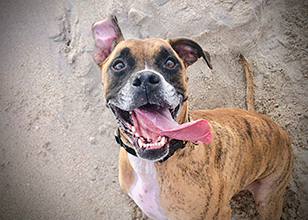
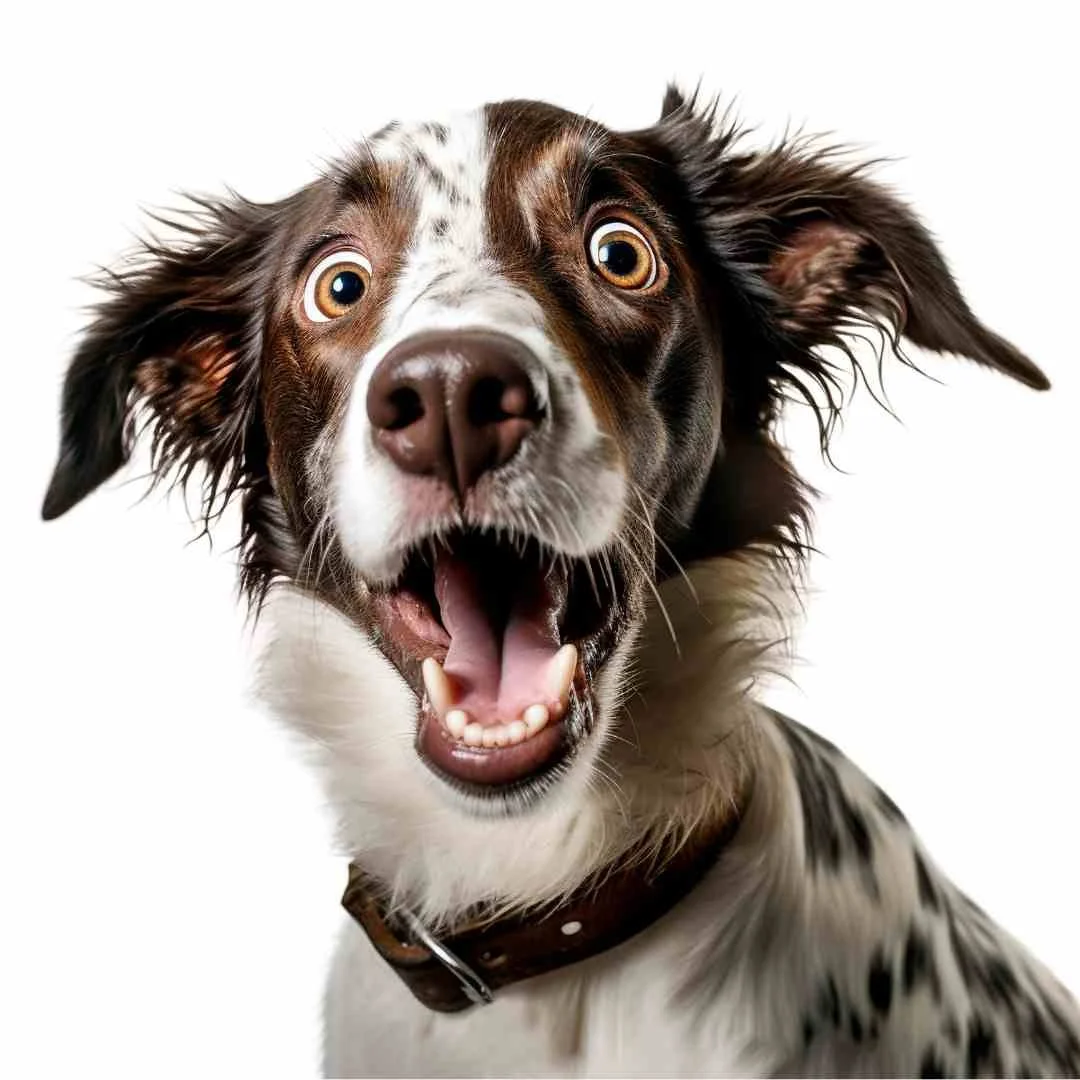
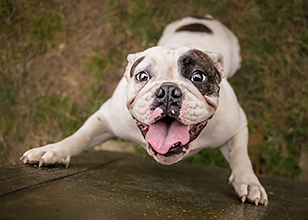
Over excited dogs often jump on people. They bark loudly and nonstop. Some dogs spin or run around quickly. They may chew things they should not. Panting heavily and wagging tails fast also show excitement. These actions show your dog needs help to calm down.
Triggers To Watch For
New people or animals can make dogs excited. Loud noises and busy places may trigger them. Playing games like fetch can increase excitement. Seeing their owner after a break can cause jumps and barks. Recognizing these triggers helps prevent over excitement early. Avoiding or managing these triggers improves training results.
Credit: www.bestmatedogtraining.co.nz
Why Calm Training Matters
Training an overexcited dog with calm methods helps create a peaceful home. Dogs learn better when they feel safe and relaxed. Calm training teaches dogs to manage their emotions. This approach reduces stress and helps dogs focus on commands. It builds trust between you and your pet. Calm training is key to a well-behaved, happy dog.
Benefits For Dogs
Calm training lowers a dog’s anxiety and excitement levels. Dogs become more confident and less fearful. It helps them control impulses and avoid destructive behavior. Calm dogs rest better and feel secure. Training this way improves their ability to listen and follow instructions. Over time, dogs enjoy daily activities more.
Benefits For Owners
Owners gain better control over their dogs. Calm training makes walks and playtime easier. Less excitement means fewer accidents and injuries. Owners feel less stressed and more patient. It improves communication between owner and dog. Calm training saves time by reducing unwanted behaviors. Life feels more balanced with a calm dog.
Setting Up A Calm Environment
Training an overexcited dog starts with the right setting. A calm environment helps your dog focus. It reduces stress and distractions. Your dog learns better in a quiet and peaceful space. Creating this space is the first step to success.
Choosing The Right Space
Pick a quiet room with few people around. Avoid places with loud noises or lots of movement. A small room works well. Make sure it is safe and comfortable for your dog. Clear the floor of toys or items that might excite your dog. This space should feel calm and inviting.
Minimizing Distractions
Turn off the TV and radio. Keep phones and other devices silent. Close windows to block outside sounds. Remove other pets from the area. Use simple commands and gentle voices. Less noise helps your dog stay focused. It lowers excitement and helps calm behavior.
Basic Training Techniques
Training an over excited dog starts with basic techniques. These help your dog learn calm behavior. Simple steps build a strong foundation. Patience and consistency are key. Use clear signals and rewards to guide your dog. This reduces stress for both of you. Focus on small goals and repeat often. Over time, your dog will respond better.
Using Commands Effectively
Choose short and simple commands. Words like “sit,” “stay,” and “come” work well. Say commands in a calm, firm voice. Avoid shouting or sounding angry. Give one command at a time. Wait for your dog to respond before giving another. Use hand signals along with words. This helps your dog understand better. Repeat commands regularly during training sessions.
Positive Reinforcement Methods
Reward good behavior immediately. Use treats, praise, or petting as rewards. This makes your dog want to repeat the behavior. Avoid punishment or yelling. It can increase excitement or fear. Keep training sessions short and fun. End on a positive note with a reward. This builds trust and encourages learning. Positive reinforcement helps your dog stay calm and focused.
Exercise And Mental Stimulation
Exercise and mental stimulation help calm over excited dogs. They use energy in good ways. This stops unwanted behavior. It also builds a strong bond between you and your dog.
Physical activity makes dogs tired. Tired dogs behave better. Mental challenges keep their minds busy. A busy mind stays calm and focused.
Physical Activities To Tire Out Dogs
Running or walking is great for energy release. Play fetch with a ball or frisbee. Tug-of-war can also be fun and tiring. Teach your dog to run through obstacle courses. Swimming is a gentle way to exercise tired or older dogs. Change activities often to keep your dog interested.
Games And Puzzles For Mental Calmness
Use puzzle toys to hide treats. Dogs need to think to get the reward. Teach new tricks to challenge their brain. Hide and seek games help focus and listening skills. Rotate toys to keep mental games fresh. Mental exercise helps reduce anxiety and excitement.
Managing Excitement Triggers
Managing excitement triggers is key to calming an over excited dog. Dogs get too excited from certain things or events. Knowing these triggers helps you control your dog’s behavior better.
Excitement causes dogs to jump, bark, or pull. This can be hard to handle and unsafe. Setting limits on these triggers reduces stress for both you and your dog.
Controlling Visitors And Playtime
Visitors often make dogs jump and bark loudly. Teach your dog to stay calm at the door. Use a leash or a baby gate to limit access during visits.
Start by asking guests to ignore the dog at first. Reward calm behavior with treats or praise. Keep playtime short and calm to avoid over excitement.
Use toys that promote gentle play. Avoid rough games like tug-of-war at first. End play sessions before your dog gets too excited.
Leash Training For Walks
Walks can trigger pulling and jumping. Use a short leash to keep control. Stop walking when your dog pulls or acts wild.
Teach your dog to walk beside you calmly. Reward good behavior with treats and praise. Practice short walks often to build good habits.
Leash training helps your dog focus and stay calm outside. This reduces stress for both of you during walks.
Consistency And Patience
Training an over excited dog takes consistency and patience. Dogs learn best when they get the same message every time. Sudden changes or mixed signals can confuse them. Patience is key because changes do not happen overnight. Every small step forward counts toward better behavior.
Building A Routine
Dogs thrive on routine. Set specific times for training sessions daily. Keep commands and rewards consistent. Use the same words and gestures to avoid confusion. A steady schedule helps your dog know what to expect. This reduces excitement and builds calm behavior over time.
Handling Setbacks
Setbacks are part of training. Your dog may get too excited sometimes. Stay calm and avoid punishment. Repeat training steps clearly and gently. Understand that progress can be slow and uneven. Each day offers a new chance to improve your dog’s behavior.
When To Seek Professional Help
Knowing when to seek professional help is key in training an over excited dog. Some behaviors are hard to manage alone. A trainer can offer guidance and support. Early help can prevent bigger problems. Watch your dog’s behavior closely. Understand when it may need expert attention.
Signs Of Persistent Hyperactivity
Does your dog never calm down? Restlessness even after exercise is a sign. Constant jumping, barking, or chewing shows hyperactivity. Difficulty focusing during training sessions is another clue. If these behaviors last weeks or months, it is persistent. Such signs suggest professional help is needed. Ignoring them might make training harder.
Finding The Right Trainer
Choose a trainer who understands hyperactive dogs. Look for experience with high-energy breeds. Positive training methods work best for excited dogs. Avoid trainers who use harsh punishments. Ask for recommendations from vets or friends. Meet the trainer first to discuss your dog’s needs. A good trainer will create a clear, simple plan. This helps your dog learn calm behavior step-by-step.
Credit: www.alphapaws.com
Frequently Asked Questions
How Can I Calm An Overexcited Dog Quickly?
Use consistent commands and reward calm behavior immediately. Redirect their energy with toys or a walk. Avoid yelling, as it can increase excitement. Practice deep breathing and gentle petting to soothe your dog.
What Training Methods Work Best For Excited Dogs?
Positive reinforcement with treats and praise is most effective. Use short, frequent sessions to maintain focus. Incorporate obedience commands like sit and stay to improve control. Consistency and patience are key for success.
How Often Should I Train My Overexcited Dog?
Train daily in short 5-10 minute sessions to avoid overwhelm. Frequent practice helps reinforce good behavior. Gradually increase distractions during training to build focus. Consistent routine helps reduce your dog’s excitement over time.
Can Exercise Reduce A Dog’s Overexcitement?
Yes, regular exercise helps burn excess energy and calm dogs. Activities like walking, running, and fetch are ideal. A tired dog is less likely to become overly excited. Combine exercise with training for best results.
Conclusion
Training an overexcited dog takes patience and clear steps. Start with calm commands and short training sessions. Reward quiet and focused behavior to encourage good habits. Consistency helps your dog understand what you want. Stay calm yourself; dogs respond to your mood.
Over time, excitement will become easier to manage. Enjoy the process and celebrate small wins together. A well-trained dog makes life happier for both of you. Keep practicing daily, and results will follow.


