

Are you wondering when to switch your furry friend from puppy food to adult dog food? Choosing the right time can feel confusing, but it’s important for your dog’s health and growth.
Feeding adult food too early or too late can affect their energy, digestion, and overall well-being. You’ll discover clear signs that show when your dog is ready for the change. Keep reading to make sure you’re giving your dog the best nutrition exactly when they need it.
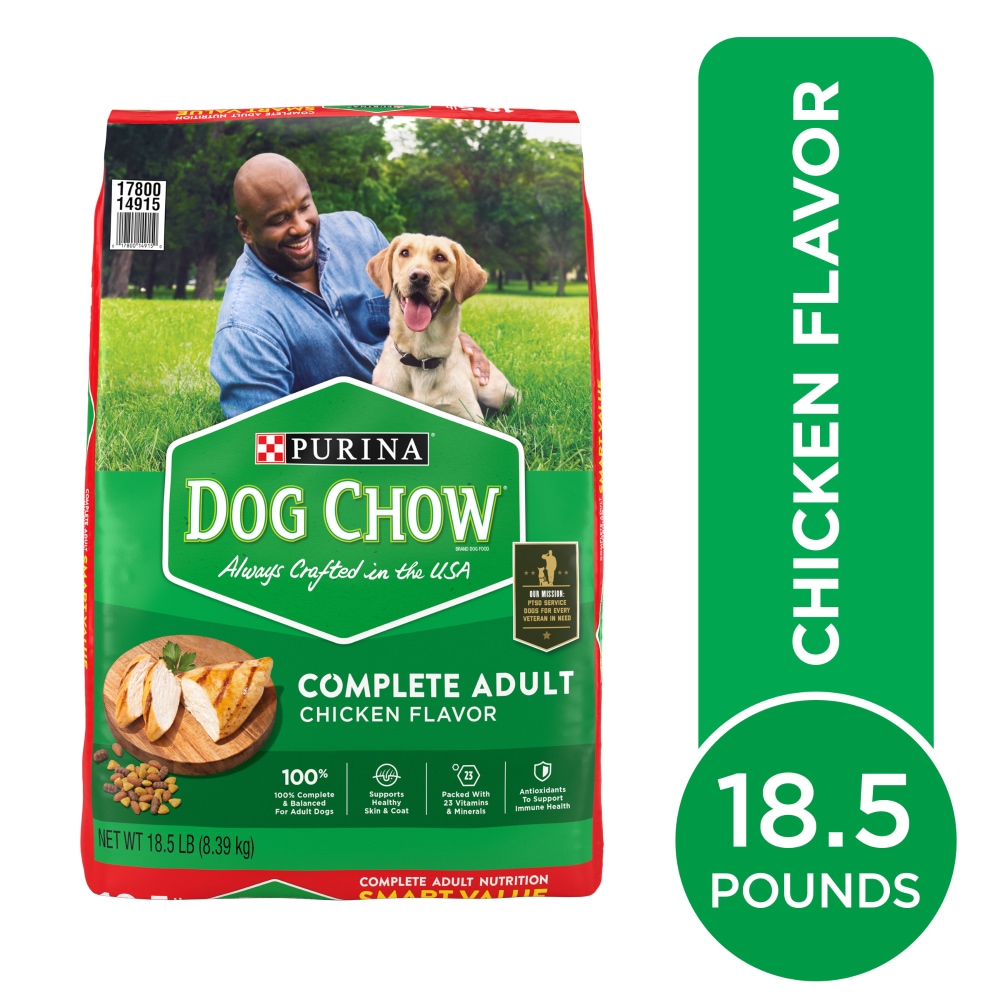
Credit: www.ralphs.com
Puppy Growth Stages
Puppy growth happens fast. Understanding the stages helps you feed them right. Each phase needs different care and nutrition. Knowing these stages guides when to switch to adult dog food.
From Newborn To Weaning
Newborn puppies depend on their mother’s milk. It gives them all the nutrients they need. During this time, they cannot eat solid food. Their digestive system is still developing. This stage lasts about three to four weeks.
Transition To Solid Food
At around three to four weeks, puppies start tasting solid food. This process is called weaning. Use soft, moist puppy food to make it easier. Gradually reduce milk as they eat more solid food. This helps their stomach adjust to new food types.
Growth Milestones
Puppies grow quickly after weaning. Their energy and nutrient needs increase. By six months, many puppies have most adult teeth. Growth slows after this but continues till about one year. Feeding high-quality puppy food supports healthy bones and muscles.
Signs To Switch Food
Knowing the right time to switch your dog to adult food is important for their health. Puppies grow fast. Their nutritional needs change as they age. Watching your dog’s signs helps you feed them well. Here are some key signs to watch for.
Changes In Teeth
Puppy teeth fall out around four to six months old. Adult teeth start to grow in. Look for bigger, stronger teeth. Your dog might chew less on soft puppy food. This change means they need food for adult teeth.
Behavioral Clues
Your dog may act different as it grows. Less playful and more calm. Sometimes appetite changes. Puppies often eat smaller meals more often. Adult dogs eat fewer meals with more food each time. Notice these habits to know when to switch.
Weight And Size Indicators
Puppies grow in size quickly. When your dog reaches about 80% of its adult size, it may be time. Check their weight and height. A steady growth rate means they are ready for adult food. Feeding the right food supports healthy weight and size.
Choosing The Right Adult Food
Choosing the right adult food is important for your dog’s health. Adult dogs need good nutrition to stay active and happy. Picking the best food helps your dog grow strong and live longer.
Nutritional Needs
Adult dogs need a balance of protein, fats, and carbohydrates. Protein helps build muscles and keeps energy up. Fats support skin and coat health. Carbohydrates give energy for daily activities. Vitamins and minerals keep the immune system strong.
Portion size matters too. Overfeeding can cause weight gain and health problems. Feeding the right amount keeps your dog fit.
Types Of Adult Dog Food
Dry kibble is popular and easy to store. It helps keep teeth clean by reducing plaque. Wet food has more moisture and tastes good. It is good for dogs who drink little water. Some foods mix both types for variety.
There are also raw and homemade diets. These need careful preparation to be safe and balanced. Talk to a vet before changing diets.
Special Dietary Requirements
Some dogs have allergies or sensitive stomachs. They need special food with limited ingredients. Older dogs may need food with joint support. Active dogs might need more calories and protein.
Health problems like kidney or heart disease need tailored diets. Always check with a vet for special needs. The right food helps your dog stay healthy and strong.

Credit: hospimedicaintl.com
Transitioning To Adult Food
Switching your dog from puppy food to adult food is a key step in their growth. This change supports their new energy needs and helps keep them healthy. Take time and care during this transition. Sudden changes can upset their stomach and cause problems. Follow a plan that makes the switch smooth and safe.
Gradual Introduction
Start by mixing a small amount of adult food with puppy food. Increase the adult food amount slowly over 7 to 10 days. Watch your dog eat and adjust the mix if needed. This slow change helps your dog’s body get used to new food. Avoid giving only adult food at once. It can cause stomach aches or diarrhea.
Monitoring Digestive Health
Keep an eye on your dog’s digestion during the switch. Look for signs like vomiting, diarrhea, or constipation. Check if your dog is eating well and staying active. If you see any problems, slow down the transition. Sometimes, a vet visit is needed to prevent bigger issues.
Avoiding Common Mistakes
Do not rush the food change. Avoid mixing treats or table scraps with the new food. Keep feeding times regular and consistent. Do not switch back and forth between puppy and adult food. These mistakes can confuse your dog’s digestion and cause health troubles.
Consulting Your Veterinarian
Switching your dog to adult food is an important step. It affects their growth, health, and energy. Your veterinarian can guide you through this change. They know your dog’s unique needs and can help plan the right diet. Consulting your vet ensures your dog gets the right nutrients at the right time.
Personalized Feeding Plans
Your vet creates a feeding plan just for your dog. They consider breed, size, and activity level. Puppies grow at different rates. Some may need adult food sooner. A tailored plan helps avoid feeding too early or too late. This keeps your dog healthy and happy.
Health Assessments
Regular check-ups reveal your dog’s health status. Your vet checks teeth, weight, and overall condition. These factors affect diet changes. Puppies with health issues may need special food. Healthy pups might switch faster. Health checks prevent problems before they start.
Adjusting Diet Over Time
Dogs’ needs change as they grow. Your vet helps adjust the diet as needed. They suggest changes based on growth and activity. Transitioning slowly avoids stomach upset. Your vet ensures your dog gets balanced nutrition. This keeps your dog strong throughout life stages.
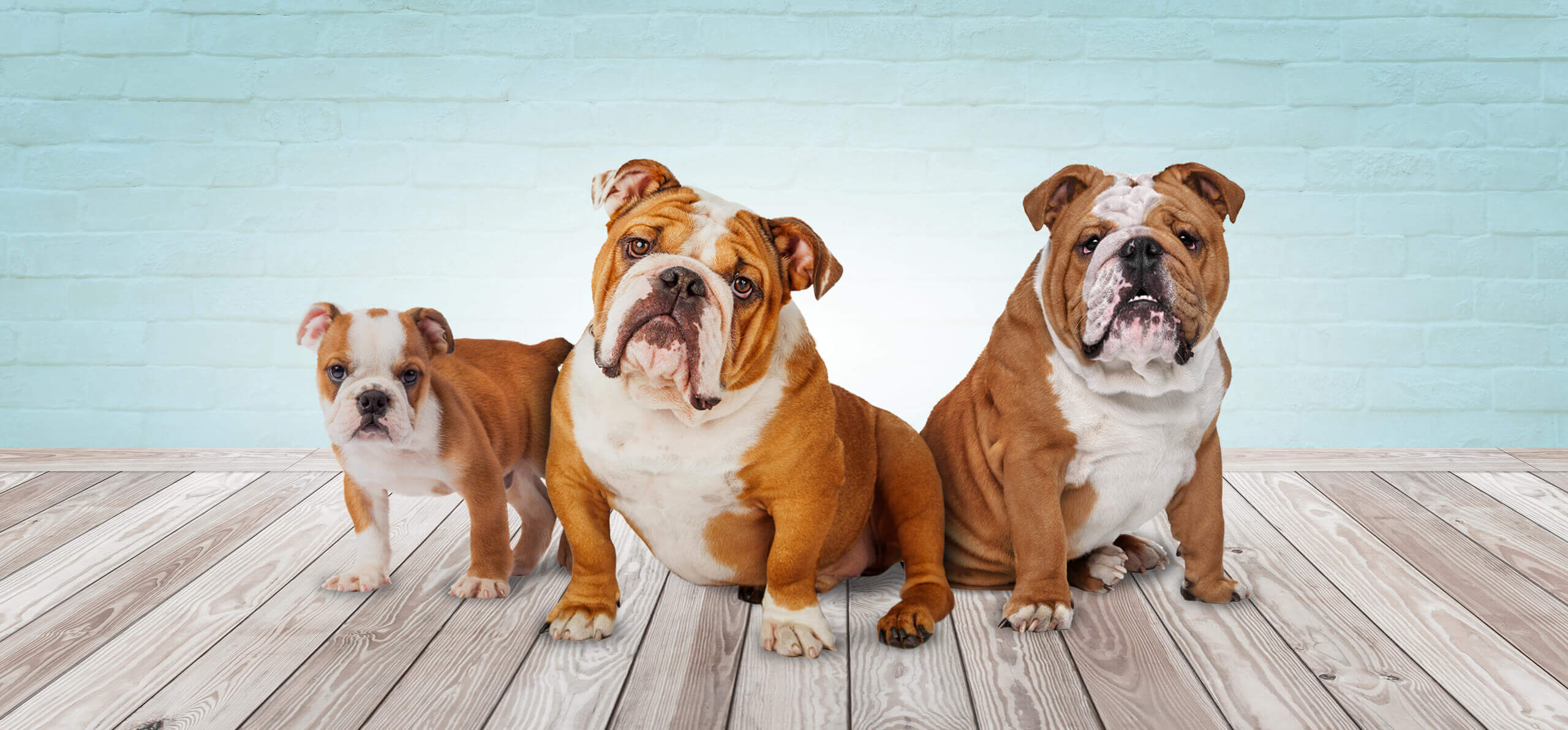
Credit: www.bluebuffalo.com
Frequently Asked Questions
When Should Puppies Switch To Adult Dog Food?
Puppies typically switch to adult dog food at 12 months. Small breeds may switch earlier, around 9-12 months. Larger breeds might transition later, up to 18 months. Consult your vet for breed-specific advice to ensure proper nutrition during growth stages.
Why Is Timing Important For Switching Dog Food?
Timing ensures your dog gets proper nutrients for growth. Feeding adult food too early can cause deficiencies. Switching too late may lead to excess calories and weight gain. Proper timing supports healthy development and maintains optimal energy levels.
How To Transition From Puppy To Adult Food?
Transition gradually over 7-10 days by mixing increasing adult food amounts. Start with 25% adult food and 75% puppy food. Slowly adjust ratios until fully on adult food. This reduces digestive upset and helps your dog adjust comfortably.
Can Feeding Adult Food Too Early Harm Puppies?
Yes, adult food lacks essential nutrients for puppies. Early feeding can stunt growth and weaken bones. Puppies need higher protein and calorie content for development. Always follow vet guidance for the ideal feeding schedule.
Conclusion
Dogs usually start adult food around one year old. Small breeds may switch sooner, larger breeds later. Watch your dog’s growth and energy for clues. Consult your vet to choose the right food. Changing food slowly helps avoid stomach problems.
Adult food supports health and keeps dogs strong. Feeding the right food means a happy, healthy dog. Keep an eye on your dog’s needs as they grow. Simple steps help make the change smooth and safe.


