

You want the best for your dog, and that includes feeding them the right food at the right time. But how do you know when to switch from puppy food to adult dog food?
Making this change too early or too late can affect your dog’s health and energy. You’ll discover clear signs and expert tips to help you decide the perfect moment to start your dog on adult food. Keep reading to make sure your furry friend stays happy and healthy every step of the way.
Credit: companionpethospital.com
Puppy Growth Stages
Puppies grow fast and need the right food at each stage. Their bodies and brains develop quickly. Feeding the right type of food helps them stay healthy. Knowing the puppy growth stages helps decide when to switch to adult food.
Each stage has different needs. The change from puppy food to adult food depends on these stages.
From Newborn To Adolescent
Newborn puppies rely on their mother’s milk for the first few weeks. After about 3 to 4 weeks, they begin to try soft, solid food. From 8 weeks to 6 months, puppies eat specially made puppy food. This food supports their rapid growth and high energy. Around 6 months to 1 year, puppies become adolescents. Their growth slows, but they still need good nutrition for muscles and bones.
Nutritional Needs By Age
Newborn puppies need high fat and protein for brain and body growth. Young puppies need extra calories to support their energy. Adolescent dogs need balanced nutrition for muscle development and bone strength. Adult dog food has fewer calories and different nutrients. Switching too early or too late can cause health problems. Feeding by age and growth stage ensures puppies grow strong and healthy.

Credit: www.help.sc.ug
Signs To Switch To Adult Food
Knowing when to switch your dog to adult food is important for their health. Puppies and adult dogs have different nutritional needs. Puppies need more calories and nutrients for growth. Adult dogs need food that supports maintenance and energy. Watching your dog closely helps you spot the right time to change their diet. Some signs show your dog is ready for adult food.
Physical Changes
One clear sign is your dog’s size. Most dogs reach adult size between 9 and 12 months. Smaller breeds may mature faster, while large breeds take longer. Teeth also change; adult teeth replace puppy teeth around six months. Coat texture can shift too. Puppies have softer fur that becomes thicker and coarser. Muscle tone improves as your dog grows. These physical changes show your dog is moving out of the puppy stage.
Behavioral Indicators
Behavior can also signal it is time to switch food. Puppies are very playful and need high energy food. As dogs mature, they may calm down. Less hyperactivity often means lower calorie needs. Appetite changes may happen too. Adult dogs eat less often than puppies. Watch for these signs to adjust their diet. Feeding adult food helps keep energy balanced and supports health.
Breed And Size Considerations
Choosing the right time to switch your dog to adult food depends a lot on breed and size. Different breeds grow at different speeds. Size also affects how fast your dog matures. Paying attention to these details helps keep your dog healthy and happy.
Small Vs. Large Breeds
Small breed dogs grow quickly and reach adulthood sooner. Usually, they switch to adult food around 9 to 12 months old. Large breeds grow more slowly. They often need puppy food longer, sometimes up to 18 or 24 months. Large dogs have special nutrient needs to support their bones and joints. Feeding them adult food too early can cause health problems.
Special Dietary Needs
Some breeds have unique dietary needs. For example, active breeds might need more protein. Dogs with sensitive stomachs benefit from gentle ingredients. Breed-specific health issues can affect food choice. Consult your vet to find the best time and type of adult food for your dog.
Credit: www.petmd.com
Risks Of Early Or Late Transition
Changing your dog from puppy food to adult food at the right time is very important. Doing it too early or too late can cause problems. The diet needs to match your dog’s life stage and health needs. This section explains the risks of switching food too soon or too late.
Potential Health Issues
Feeding adult food too early can cause nutrient gaps. Puppy food has more vitamins and minerals for growth. Missing these can weaken your dog’s immune system. Early change can lead to stomach upset and poor digestion. On the other hand, late switching may cause weight gain. Adult dogs need fewer calories than puppies. Extra calories can lead to obesity and joint problems.
Impact On Growth And Development
Puppies need special nutrients for bones and muscles. Adult food may lack enough calcium and protein for growth. This can slow bone development and make muscles weak. Changing food too late can also cause issues. Puppy food is richer and may cause too fast growth. Fast growth can lead to bone deformities and health risks. The right timing supports healthy growth and strong development.
How To Transition Smoothly
Switching your dog to adult food requires care and patience. A smooth transition helps avoid stomach problems. It also ensures your dog accepts the new food well. Follow easy steps to make the change simple and stress-free.
Gradual Food Mixing
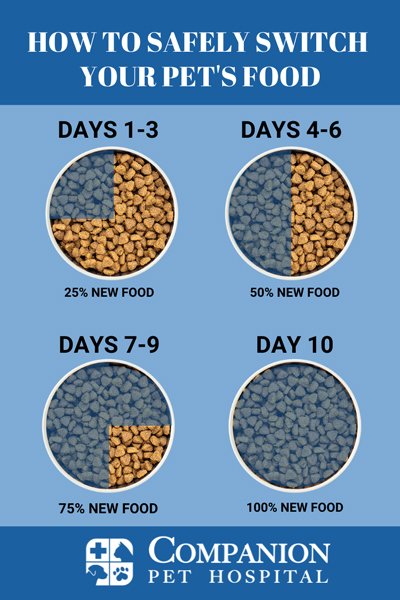
Start by mixing a small amount of adult food with puppy food. Use about 25% adult food and 75% puppy food. Keep this ratio for three days. Then, increase adult food to 50% and puppy food to 50% for the next three days. After that, mix 75% adult food with 25% puppy food. Finally, feed only adult food after about 10 to 14 days. This slow change helps your dog’s stomach adjust.
Monitoring Your Dog’s Response
Watch your dog’s eating habits closely. Check for signs of upset stomach or refusal to eat. Look for diarrhea, vomiting, or less energy. If any problem appears, slow down the transition. Give more time at each mixing stage. Contact your vet if problems continue. Your dog’s health is the top priority during this change.
Consulting Your Veterinarian
Deciding when to switch your dog to adult food is an important step. Consulting your veterinarian helps make this change smooth and safe. Vets know your dog’s health history and growth needs. Their advice ensures your dog gets the right nutrition at the right time.
Personalized Advice
Every dog is different. Size, breed, and health affect when to start adult food. Your vet can suggest the best time based on your dog’s unique needs. They consider growth rate and energy levels. This helps avoid feeding adult food too early or too late. Personalized advice keeps your dog healthy and happy.
Regular Health Checkups
Regular checkups help track your dog’s development. Vets check weight, teeth, and overall health. These visits show if your dog is ready for adult food. Health checkups catch problems early. They ensure your dog’s diet supports strong bones and good energy. Visiting the vet often keeps your dog on the right path.
Frequently Asked Questions
When Is The Right Age To Switch To Adult Dog Food?
Most dogs should transition to adult food between 12 to 18 months. Large breeds may start later. Consult your vet for personalized advice.
How Do I Know If My Dog Needs Adult Food?
Signs include slower growth, reduced energy needs, and stable weight. Puppies outgrow their high-calorie needs by one year old.
Can Switching Too Early Harm My Dog’s Health?
Yes, switching too early can cause nutrient deficiencies. Puppies require more calories and nutrients for growth than adults do.
What Are The Benefits Of Adult Dog Food?
Adult dog food supports maintenance, balanced nutrition, and weight control. It has fewer calories and tailored nutrients for adult dogs.
Conclusion
Choosing the right time to switch your dog to adult food matters. Most dogs need the change between one and two years old. Watch your dog’s growth and energy to guide you. Talk to your vet for advice tailored to your dog’s needs.
Feeding adult food too early or late can affect health. Stay attentive to your dog’s behavior and digestion during the switch. A smooth change helps your dog stay happy and strong. Keep your dog’s diet balanced for a healthy life ahead.


