

Are you wondering if it’s okay to feed your puppy adult dog food? You want the best for your furry friend, and what you feed them plays a big role in their growth and health.
But choosing the wrong food can cause problems that might surprise you. Before you make that switch, it’s important to know what’s safe and what’s not. Keep reading to find out how to keep your puppy happy, healthy, and thriving with the right diet.
Nutritional Needs Of Puppies
Puppies grow fast. Their bodies need more energy and nutrients than adult dogs. Proper nutrition helps puppies build strong bones, muscles, and a healthy immune system. Feeding the right food supports brain development and keeps their coat shiny. Choosing the correct diet is key for a happy, healthy puppy.
Key Nutrients For Growth
Protein is essential for building muscles and tissues. Puppies need higher protein levels than adult dogs. Fat provides energy and supports brain growth. Puppies also require calcium and phosphorus for strong bones. Vitamins and minerals help the body work well and fight illness. Balanced nutrition keeps puppies active and growing well.
Differences Between Puppy And Adult Food
Puppy food has more calories to fuel rapid growth. It contains extra protein and fat for energy and muscle building. Adult dog food has fewer calories, designed to maintain weight. Puppy food includes special nutrients for brain and bone development. Feeding adult food to puppies can cause nutrient gaps and slow growth.
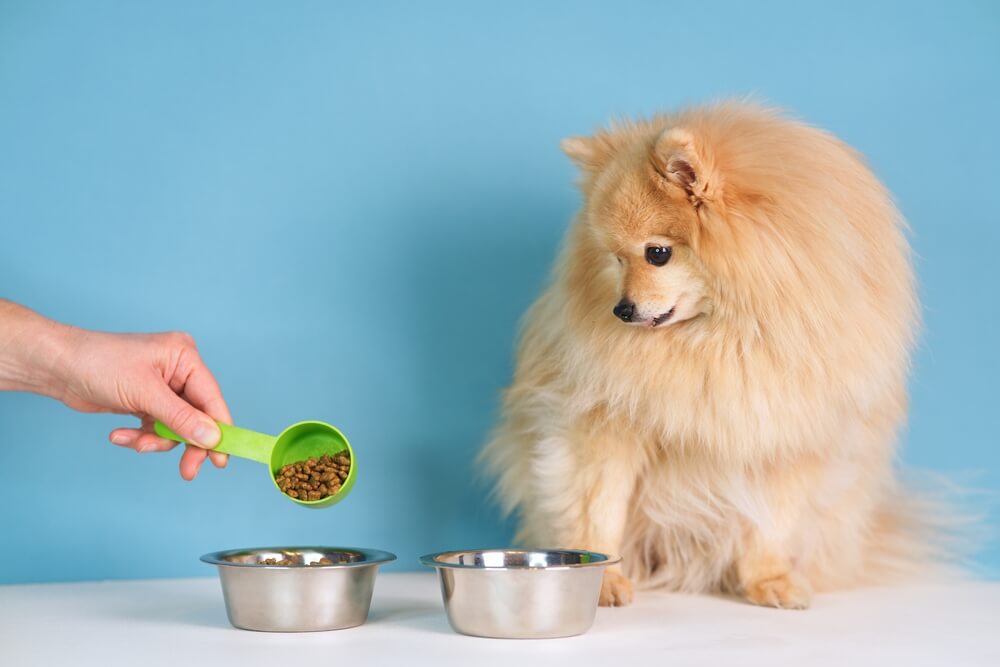
Credit: www.raisedrightpets.com
Risks Of Feeding Adult Food To Puppies
Puppies need special food for their growth and health. Feeding adult dog food to puppies can cause problems. Adult food does not meet the needs of growing puppies. It can lead to risks that affect their development and well-being.
Understanding these risks helps keep puppies safe and healthy. Puppies require more nutrients for their bones, muscles, and brain. Adult food might lack these essential nutrients, causing harm.
Potential Nutrient Deficiencies
Adult dog food has lower levels of protein and fat. Puppies need higher amounts of these to grow strong. Adult food may lack important vitamins like calcium and DHA. These help build bones and brain cells. Deficiencies can slow growth and weaken the immune system. Puppies may become tired and less active. Their body may not develop correctly, causing long-term health issues.
Impact On Development And Health
Puppies need balanced nutrition for healthy development. Adult food can cause slow growth or weak bones. Lack of proper nutrients affects muscle and organ development. It may cause digestive problems or poor coat health. Some puppies may become overweight due to wrong nutrient balance. Feeding adult food can increase the risk of illnesses. Proper puppy food supports strong joints and good energy levels.
When Adult Food Might Be Suitable
Adult dog food is made for dogs with different needs than puppies. Puppies need more nutrients for growth. But there are times adult dog food might work for a puppy. Understanding these moments helps keep your puppy healthy.
Short-term Feeding Scenarios
Sometimes, adult dog food can be used for a short time. For example, if puppy food is not available, adult food can serve as a temporary option. It should not last long to avoid missing key nutrients. Short-term feeding may also happen during travel or emergencies. Keep an eye on your puppy’s health during this time.
Veterinary Recommendations
A vet may suggest adult dog food for certain puppies. Some puppies have health issues needing a special diet. Adult dog food may be easier for these puppies to digest. Always follow your vet’s advice on feeding. They will guide you on the right food type and timing for your puppy’s needs.
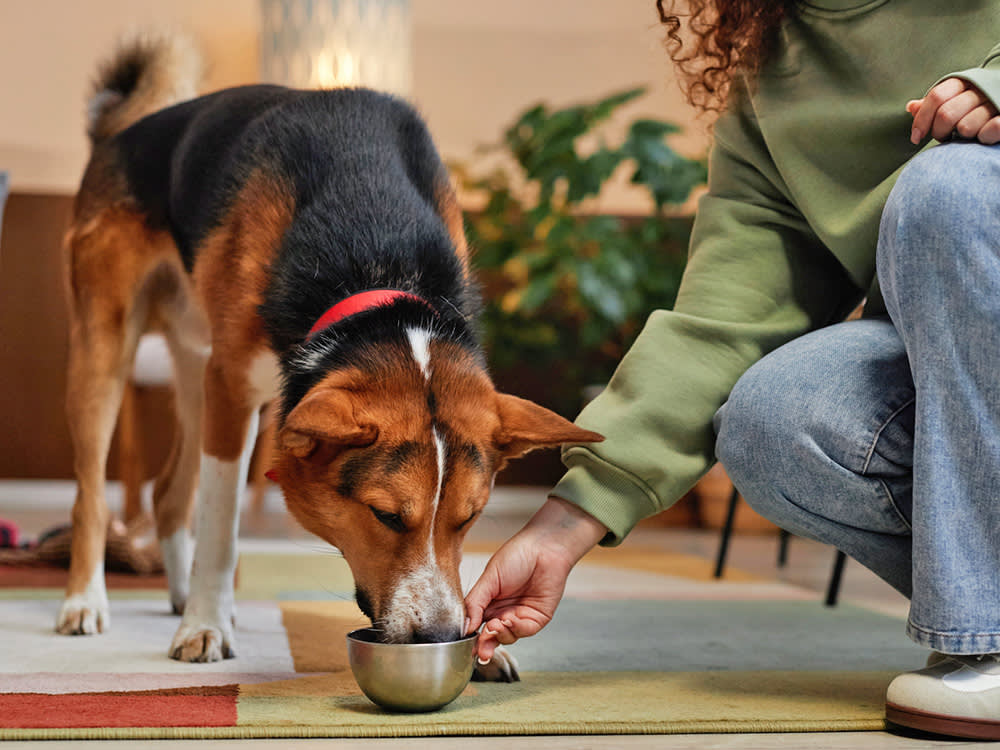
Credit: www.kinship.com
Choosing The Right Puppy Food
Choosing the right food for your puppy is very important. Puppies grow fast and need special nutrients. The right food helps them build strong bones, muscles, and a healthy immune system. Feeding adult dog food to puppies might miss these key nutrients. Puppies need extra protein, fat, and vitamins compared to adult dogs.
Understanding what to look for in puppy food makes feeding easier. Knowing how to read dog food labels helps pick the best option. This guide explains what ingredients are best and how to read labels carefully.
Ingredients To Look For
High-quality protein is the top ingredient in puppy food. Look for meat like chicken, beef, or fish listed first. Protein helps puppies grow strong muscles. Healthy fats are important too. They provide energy and help brain development. Omega-3 and Omega-6 fatty acids are good fats to find.
Carbohydrates from grains, vegetables, or fruits give puppies energy. Vitamins and minerals support bones and the immune system. Calcium and phosphorus are key for bone growth. Avoid foods with too many fillers like corn or soy. These add little nutrition and can upset your puppy’s stomach.
Reading Dog Food Labels
Dog food labels show important details about the food. Check the guaranteed analysis for protein, fat, fiber, and moisture. Puppy food should have more protein and fat than adult dog food. Ingredients list shows what is inside the food. Ingredients are listed by weight, from most to least.
Look for clear ingredient names. Avoid foods with vague terms like “meat meal” or “by-products.” Check for added vitamins and minerals. These support your puppy’s growth and health. Expiration dates matter too. Fresh food keeps nutrients intact and tastes better.
Transitioning Between Puppy And Adult Food
Transitioning a puppy from puppy food to adult dog food is an important step. This change supports their growth and health. Switching diets too fast can cause upset stomachs. A smooth transition helps puppies adapt well to new food.
Best Practices For Switching Diets
Start by mixing a small amount of adult food with puppy food. Gradually increase the adult food over 7 to 10 days. Watch how your puppy reacts to the new diet. Keep fresh water available at all times. Avoid sudden changes to prevent digestive upset.
Signs Of Digestive Issues
Look for diarrhea or loose stools after changing food. Vomiting or lack of appetite are also warning signs. Excessive gas or bloating can indicate problems. If any signs appear, slow down the transition. Consult a vet if issues continue for more than a few days.

Credit: www.lucautosrl.it
Expert Tips For Feeding Puppies
Feeding a puppy requires special care and attention. Puppies grow fast and need the right nutrients. Experts recommend feeding them specific puppy food for healthy growth.
Knowing how much and how often to feed your puppy helps avoid problems. Watching their growth and weight shows if they are healthy. These tips keep your puppy strong and happy.
Portion Control And Feeding Frequency
Feed your puppy smaller meals several times a day. Usually, 3 to 4 meals work best for young puppies. This prevents overeating and helps digestion. Measure food portions carefully to match your puppy’s age and size. Adjust amounts as your puppy grows to avoid weight issues.
Monitoring Growth And Weight
Check your puppy’s weight regularly using a small scale. Track growth to ensure they gain weight steadily. Sudden weight loss or gain can signal health problems. Visit the vet if you notice unusual changes. Keep a growth chart to compare your puppy’s progress over time.
Frequently Asked Questions
Is It Harmful To Feed Puppies Adult Dog Food?
Feeding puppies adult dog food may lack essential nutrients. Puppies need more protein and calories for growth. Adult food might not support their development properly. It can lead to nutrient deficiencies and health issues. Always choose food formulated specifically for puppies.
When Can Puppies Switch From Puppy To Adult Food?
Puppies can switch to adult food around 12 months old. Large breeds may need more time, up to 18 months. Consult your vet for breed-specific advice. Gradually mix adult food with puppy food over a week. This transition supports healthy growth and digestion.
Can Adult Dog Food Meet A Puppy’s Nutritional Needs?
Adult dog food usually lacks higher protein and fat needed by puppies. Puppies require specific nutrients for brain and bone development. Adult formulas don’t support rapid growth phases. Therefore, adult dog food alone isn’t ideal for puppies. Use specially formulated puppy food for balanced nutrition.
What Risks Come From Feeding Puppies Adult Dog Food?
Feeding puppies adult dog food risks poor growth and weak immunity. Nutrient imbalance can cause bone and joint problems. Puppies may experience digestive upset or slowed development. Long-term effects include stunted growth and health complications. Always prioritize puppy-specific nutrition for safety.
Conclusion
Feeding a puppy adult dog food is not the best choice. Puppies need special nutrients to grow strong and healthy. Adult food lacks some vitamins and minerals puppies require. This can slow their growth or cause health issues. Always choose food made for puppies.
It supports their energy and development needs well. Consult a vet for advice on the best diet. Keep your puppy happy and healthy with the right food. Good nutrition today means a healthier dog tomorrow.


