

Are you wondering if your 5-month-old puppy can start eating adult dog food? It’s a common question that many dog owners face.
You want the best for your furry friend, but feeding them the wrong food could affect their growth and health. Understanding when and why to switch their diet is key to keeping your puppy happy and strong. Keep reading to discover the facts and make the right choice for your puppy’s nutrition.
Nutritional Needs Of Puppies
Puppies need special care in their diet to grow strong and healthy. Their bodies develop fast and require food that supports this growth. Feeding a puppy the right food helps build bones, muscles, and a strong immune system. Understanding what puppies need nutritionally is key to their well-being.
Key Nutrients For Growth
Puppies need protein for muscle and tissue growth. Fat provides energy and helps brain development. Calcium and phosphorus build strong bones and teeth. Vitamins and minerals support the immune system and overall health. These nutrients must be balanced carefully in puppy food.
Differences From Adult Dogs
Puppies need more protein and fat than adult dogs. Their digestive systems are still developing and need easy-to-digest food. Adult dog food may lack some nutrients essential for puppies. Feeding adult food too early can slow down a puppy’s growth. Puppy food is designed to meet these special needs.
Calorie Requirements
Puppies burn more energy than adult dogs. They need more calories per pound of body weight. This energy supports their rapid growth and high activity levels. Feeding too few calories can stunt growth. Too many calories can lead to unhealthy weight gain. Proper calorie intake is vital for healthy development.
:strip_icc()/Puppy-food-feeding-schedule-2804779-a35fb27f23bd427cbea6ed24236fee22.jpg)
Credit: www.thesprucepets.com
Risks Of Feeding Adult Food To Puppies
Feeding adult dog food to a 5-month-old puppy can cause several risks. Puppies have special needs that adult food does not meet. Their bodies are growing fast and need more nutrients. Using adult food can lead to problems in health and development. Understanding these risks helps keep your puppy healthy and strong.
Potential Nutrient Deficiencies
Adult dog food has fewer nutrients for growing puppies. It may lack enough protein and fat. Puppies need more calcium and vitamins to build bones and muscles. Missing these nutrients can slow their growth. This can cause weak bones and poor muscle development. Puppies require food made for their stage of life.
Impact On Growth And Development
Puppies grow quickly. They need balanced nutrition to support this growth. Adult food can cause stunted growth. It does not provide the right energy levels. A puppy may become underweight or weak. The wrong diet can affect their brain and organ development. Proper puppy food helps them grow healthy and strong.
Digestive Concerns
Adult dog food is harder for puppies to digest. Their stomachs are sensitive and need gentle food. Adult food can cause upset stomachs or diarrhea. Puppies may refuse to eat or become sick. Digestive problems can slow nutrient absorption. Feeding puppy-specific food helps keep digestion smooth and safe.
When Adult Food Might Be Appropriate
Choosing the right food for a 5-month-old puppy is important. Most puppies need special puppy food for healthy growth. Yet, there are times when adult dog food might be the better choice. Understanding these situations helps keep your puppy strong and happy.
Transitioning Between Foods
Some puppies may start eating adult dog food around five months. This depends on their breed and size. Large breeds grow faster and might need adult food sooner. Change food slowly to avoid stomach problems. Mix a little adult food with puppy food. Gradually increase adult food over 7 to 10 days. Watch your puppy’s health during the change.
Special Cases And Veterinary Advice
Some puppies have special health needs. Vets may suggest adult food for certain conditions. Puppies with allergies or digestion issues might need adult formulas. Always check with your vet before changing food. Your vet knows what is best for your puppy’s health. Follow their advice to keep your puppy safe and well-fed.
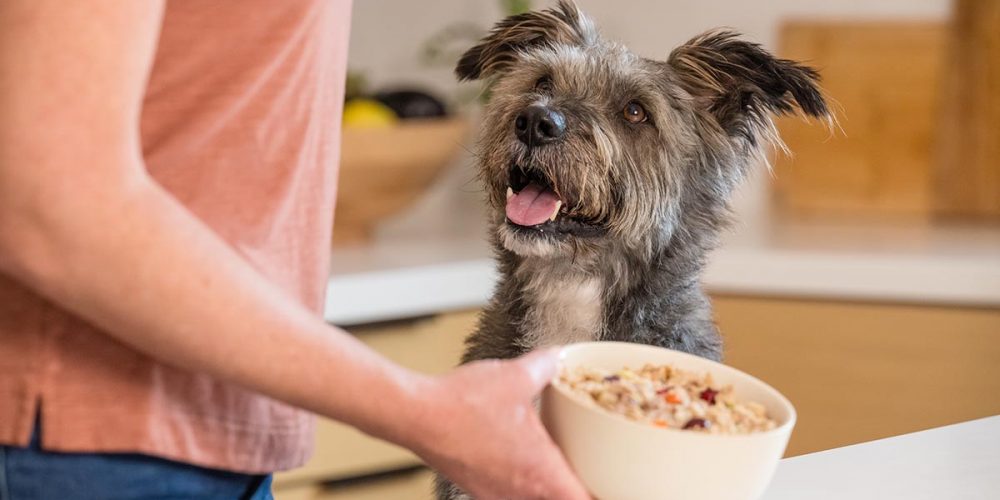
Credit: blog.justfoodfordogs.com
Choosing The Right Puppy Food
Feeding a 5-month-old puppy requires careful thought. Puppies grow fast and need special nutrition. Adult dog food may not meet these needs. The right puppy food supports healthy bones, muscles, and energy. Choosing the best food helps your puppy thrive now and later.
Focus on quality ingredients and formulas made for puppies. This ensures your pup gets balanced nutrition. Understanding what to look for makes shopping easier. Let’s explore key points for selecting the best puppy food.
Ingredients To Look For
High-quality protein is essential for growth and muscle development. Look for named meats like chicken, beef, or fish first. Healthy fats provide energy and support brain health. Ingredients such as fish oil or flaxseed are good sources.
Carbohydrates from whole grains and vegetables offer fiber and nutrients. Avoid fillers like corn, wheat, or soy that add little value. Vitamins and minerals like calcium and phosphorus build strong bones. A balanced mix supports overall health.
Reading Food Labels
Check the label for “complete and balanced” certification. This means the food meets AAFCO standards for puppies. Ingredients are listed by weight, so the first few matter most. Avoid foods with vague terms like “meat by-products” or “animal digest.”
Look for clear information on protein, fat, and fiber content. Choose foods with appropriate nutrient levels for growing puppies. Avoid artificial colors, flavors, and preservatives. Natural ingredients are safer and healthier.
Recommended Brands And Formulas
Choose brands known for quality and safety. Many offer puppy-specific formulas that support growth stages. Popular options include Hill’s Science Diet Puppy, Royal Canin Puppy, and Blue Buffalo Life Protection Puppy.
These brands focus on balanced nutrition and use good ingredients. Always pick formulas designed for puppies, not adult dogs. Puppy food contains extra nutrients needed for development.
Tips For Feeding A 5 Month Old Puppy
Feeding a 5 month old puppy requires care and attention. Puppies need proper nutrition to grow strong and healthy. At this age, their diet may start to change, but it is important to feed them correctly. Here are some tips to help you feed your puppy well and support their growth.
Feeding Schedule
Stick to a regular feeding schedule. Offer meals three to four times a day. This helps your puppy digest food better and prevents overeating. Consistency in timing builds good habits and supports their routine.
Portion Control
Measure the food portions carefully. Follow the guidelines on the puppy food package or ask your vet. Avoid giving too much adult dog food, as it may lack nutrients your puppy needs. Proper portions keep your puppy healthy and prevent weight issues.
Monitoring Health And Growth
Watch your puppy’s weight and energy levels closely. Healthy puppies grow steadily and stay active. Check their coat and skin for signs of good health. Visit the vet regularly to track growth and adjust the diet as needed.
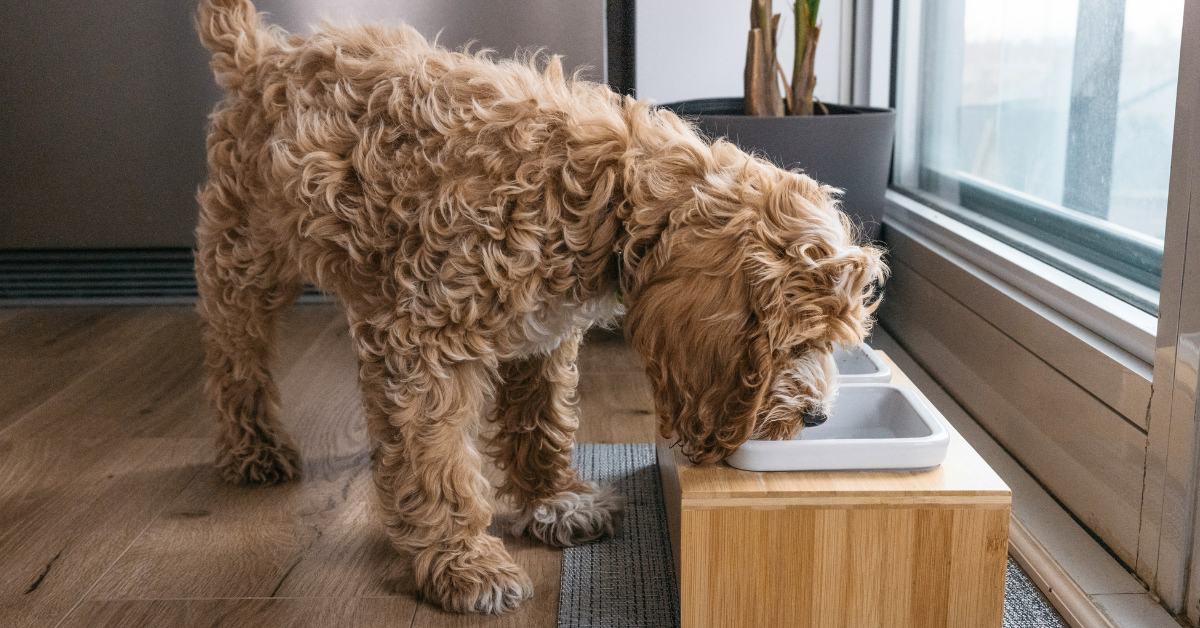
Credit: www.acanapetfoods.co.uk
Veterinarian Insights
Veterinarians play a key role in guiding dog owners about feeding puppies. Their advice ensures puppies grow healthy and strong. Puppies have special needs that differ from adult dogs.
Veterinarians study these needs carefully and recommend the best diet. They consider factors like breed, size, and health status. This helps avoid common feeding mistakes.
Expert Recommendations
Veterinarians usually advise against feeding adult dog food to 5-month-old puppies. Puppy food contains more protein and nutrients vital for growth. Adult food may lack these essential nutrients.
Experts suggest continuing puppy food until the dog reaches one year old. This supports bone development and muscle growth. Some vets may recommend gradual change if the puppy is large breed.
Always follow your vet’s advice on portion size and feeding frequency. Overfeeding adult food can cause nutrient imbalance and digestive problems. A balanced diet supports your puppy’s immune system too.
When To Consult A Vet
Contact your vet if your puppy shows signs of poor growth or illness. Symptoms like vomiting, diarrhea, or lethargy need immediate attention. Feeding concerns can also arise if the puppy refuses food.
Consult a vet before switching food types or brands. They can recommend the best timing and method for change. Regular checkups help track your puppy’s health and growth progress.
Your vet can also advise on special diets if your puppy has allergies or health issues. Early guidance prevents future feeding problems and keeps your puppy happy.
Frequently Asked Questions
Can A 5-month-old Puppy Eat Adult Dog Food?
A 5-month-old puppy should ideally eat puppy food, as it contains essential nutrients for growth. Adult dog food lacks the right balance for puppies. Feeding adult food may cause nutritional deficiencies or digestive issues at this stage.
When Should Puppies Switch To Adult Dog Food?
Puppies generally transition to adult dog food between 12 to 18 months. This varies by breed and size. Consult your vet for the best timing to ensure proper nutrition and avoid health problems.
What Are Risks Of Feeding Adult Food To Puppies?
Feeding adult dog food to puppies can lead to nutrient deficiencies. Puppies need higher protein, fat, and calories. Adult food may cause slow growth, weak immunity, or digestive upset. Always choose age-appropriate food for your puppy’s health.
How To Transition A Puppy To Adult Dog Food?
Gradually mix adult dog food with puppy food over 7-10 days. Increase adult food portion each day to avoid digestive upset. Monitor your puppy’s reaction and consult your vet if any issues arise.
Conclusion
A 5-month-old puppy still needs food made for growing dogs. Adult dog food lacks some nutrients puppies require to grow strong. Switching too soon can cause health problems or slow growth. Always choose puppy food until your vet says otherwise.
Feeding the right food helps your puppy stay happy and healthy. Watch your puppy’s energy and ask your vet for advice. Growing pups need extra care, including proper nutrition every day. Keep your puppy’s diet balanced for the best start in life.


