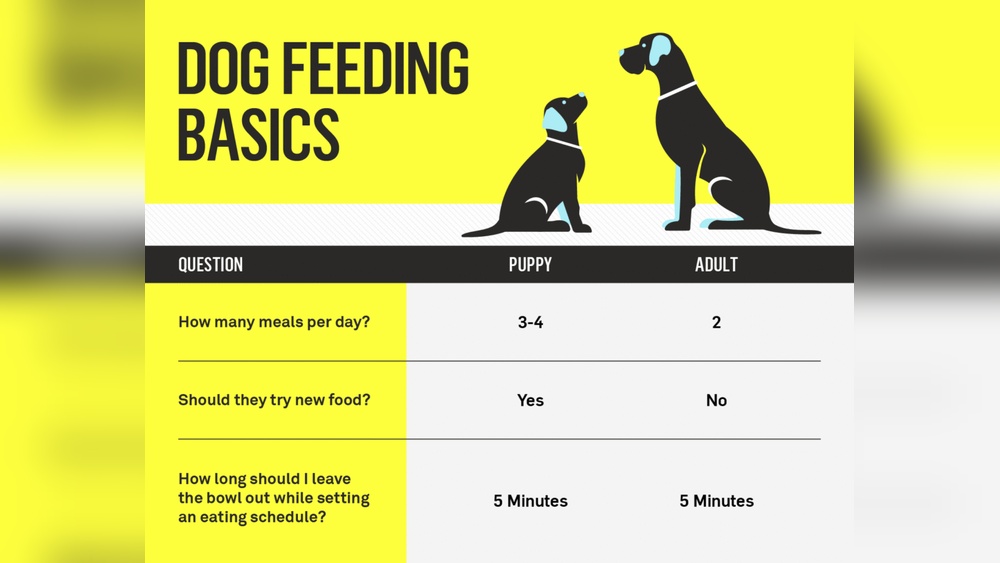
Are you wondering when it’s the right time to switch your puppy from puppy food to adult dog food? Feeding your furry friend the right nutrition at the right time is crucial for their growth and health.
If you make the change too early or too late, it could affect their energy, weight, and overall well-being. Keep reading to find out exactly when you should make this important switch and how to do it smoothly, so your puppy stays happy and healthy every step of the way.
Puppy Nutrition Basics
Puppy nutrition is important for healthy growth and development. Puppies need food that fits their age and size. Their bodies grow fast and need special care. Feeding the right food helps them build strong bones and muscles. It also supports their immune system and energy levels.
Understanding the basics of puppy nutrition makes feeding easier. Puppies have different needs than adult dogs. Their food must contain the right nutrients in the right amounts. This section explains these needs and the key nutrients puppies require.
Growth Stages And Dietary Needs
Puppies grow in stages. Each stage has unique dietary needs. Newborns rely on mother’s milk for nutrition. After weaning, they need solid food. This food should be rich and easy to digest.
During rapid growth, puppies need more calories and protein than adults. Their bones and muscles develop quickly. Feeding adult food too early may not support this growth well. Puppies need food with balanced vitamins and minerals too.
Key Nutrients For Puppies
Protein is vital for muscle and tissue growth. Fat gives energy and supports brain development. Calcium and phosphorus build strong bones and teeth. DHA, a special fat, helps with vision and brain health.
Vitamins A, D, and E play important roles in health and immunity. Puppies need more of these than adult dogs. Fiber helps with digestion and keeps the stomach healthy. Water is essential to keep puppies hydrated at all times.
Signs Your Puppy Is Ready
Knowing when to switch your puppy to adult dog food is important. Puppies grow fast, and their food needs change. Watch for signs that show your puppy is ready to make the change. These signs help you feed the right food for healthy growth.
Physical Development Milestones
Your puppy’s body shows clear signs of growth. Teeth are a big clue. When all baby teeth fall out and adult teeth come in, your puppy is growing up. Weight gain slows down as your puppy nears adult size. Muscles become stronger and more defined. The puppy’s coat also changes, becoming thicker or shinier. These physical changes mean the puppy’s body needs different nutrients than before.
Behavioral Changes
Puppies act differently as they grow. They might eat less often but take bigger bites. Energy levels change; puppies become more active and playful. Some may show less need to nurse or snack frequently. Your puppy may also begin to explore new foods with curiosity. These behavior shifts suggest readiness for adult dog food. Feeding adult food matches their new eating habits and energy needs.
Comparing Puppy And Adult Dog Food
Puppy food and adult dog food serve different needs. Puppies need special nutrition for growth. Adult dogs require food that supports maintenance. Comparing these two types helps you understand when to switch.
Nutritional Differences
Puppy food contains more vitamins and minerals. These nutrients help build strong bones and teeth. Adult dog food has fewer calories and nutrients. It focuses on keeping the dog healthy and active. Puppies need higher levels of calcium and phosphorus. Adult dogs need balanced nutrients to avoid weight gain.
Calorie And Protein Requirements
Puppies burn more energy and need more calories. Their food has higher protein to support muscle growth. Adult dogs need fewer calories to maintain weight. Their protein level is lower but enough for repair. Feeding adult food too early can cause nutrient gaps. Feeding puppy food to adults may lead to weight issues.

Credit: www.lucautosrl.it
Timing The Transition
Timing the transition from puppy food to adult dog food is important. Feeding adult food too early can affect growth. Feeding it too late may cause nutritional gaps. Knowing the right time helps your puppy stay healthy and strong.
Each puppy grows at a different pace. The right moment to switch depends on breed size and development. Careful planning ensures a smooth change in diet without upsetting your puppy’s stomach.
Age Guidelines By Breed Size
Small breed puppies grow faster than large breeds. They usually switch to adult food around 9 to 12 months old. Medium breeds can change at about 12 months. Large and giant breeds need more time. Switching at 12 to 24 months helps support their slow growth. Always watch your puppy’s size and energy levels.
Consulting Your Veterinarian
Your veterinarian knows your puppy’s health best. They can suggest the best time to change food. They check growth, weight, and overall health. A vet’s advice avoids feeding mistakes. Regular check-ups help track when your puppy is ready for adult food.
How To Switch Foods Safely
Switching your puppy from puppy food to adult dog food requires care. A sudden change can upset your puppy’s stomach. Follow a safe method to help your puppy adjust smoothly. This keeps your puppy healthy and happy during the change.
Gradual Transition Steps
Start by mixing a small amount of adult food with puppy food. Use about 25% adult food and 75% puppy food on the first day. Each day, increase the adult food by 25%. By day four, your puppy should eat only adult food. This slow change helps your puppy’s digestive system adapt.
Monitoring Your Puppy’s Reaction
Watch your puppy closely during the food change. Check for signs like vomiting, diarrhea, or loss of appetite. Some changes in stool are normal at first. If problems last more than two days, stop the transition. Contact your vet if your puppy shows serious symptoms. Keep your puppy’s water bowl full at all times.
Common Mistakes To Avoid
Feeding a puppy adult dog food too soon or ignoring their needs can cause problems. Understanding common mistakes helps keep your puppy healthy. Avoid rushing or neglecting their preferences during this important change.
Switching Too Early
Many pet owners switch their puppy to adult food too early. Puppies need special nutrients to grow strong. Adult food may lack those nutrients. This can cause slow growth or health issues. Wait until your puppy reaches the right age. Usually, this is around one year old but can vary by breed and size.
Ignoring Puppy Preferences
Puppies have their food tastes and textures. Ignoring these can make them refuse adult food. Forcing food changes can stress your puppy. Introduce new food slowly and watch their reaction. Mix puppy food with adult food for a smooth transition. This keeps mealtime enjoyable and stress-free.
Special Considerations
Special considerations matter when changing a puppy’s diet. Every puppy grows differently and has unique needs. Some puppies require more care during feeding transitions. Knowing these factors helps keep puppies healthy and happy.
Puppies With Health Issues
Puppies with health problems need careful feeding. Digestive issues may slow food changes. Their bodies might not handle adult food well. Always check with a vet before switching foods. Follow the vet’s advice to avoid risks. A slow transition helps prevent stomach upset. Special diets may be necessary for some puppies.
Feeding Mixed Breed Puppies
Mixed breed puppies can vary in size and growth speed. This affects when to start adult food. Smaller breeds often switch sooner than large breeds. Watch your puppy’s weight and energy levels. Adjust feeding times based on their growth. Consult a vet for breed-specific advice. Mixed breeds may need a unique feeding plan.
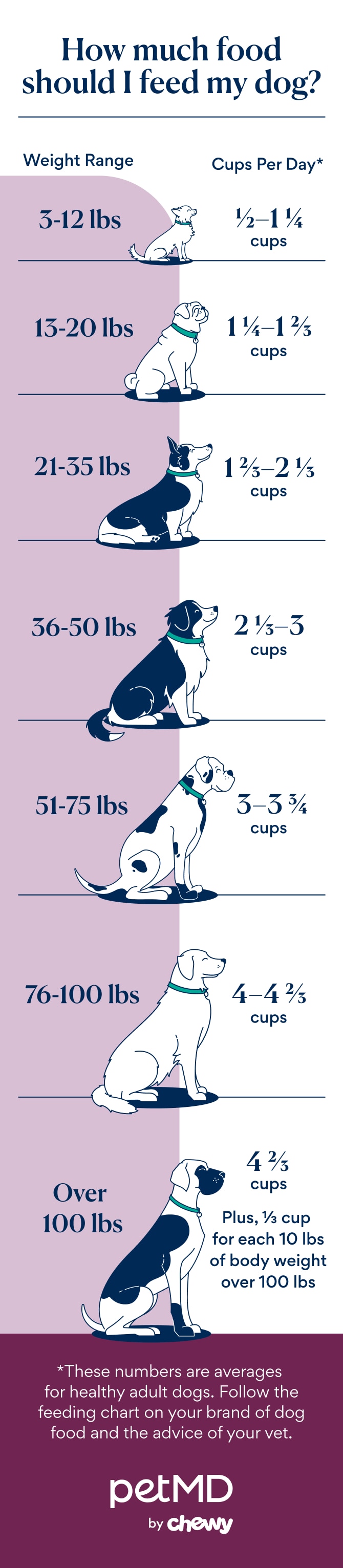
Credit: www.petmd.com
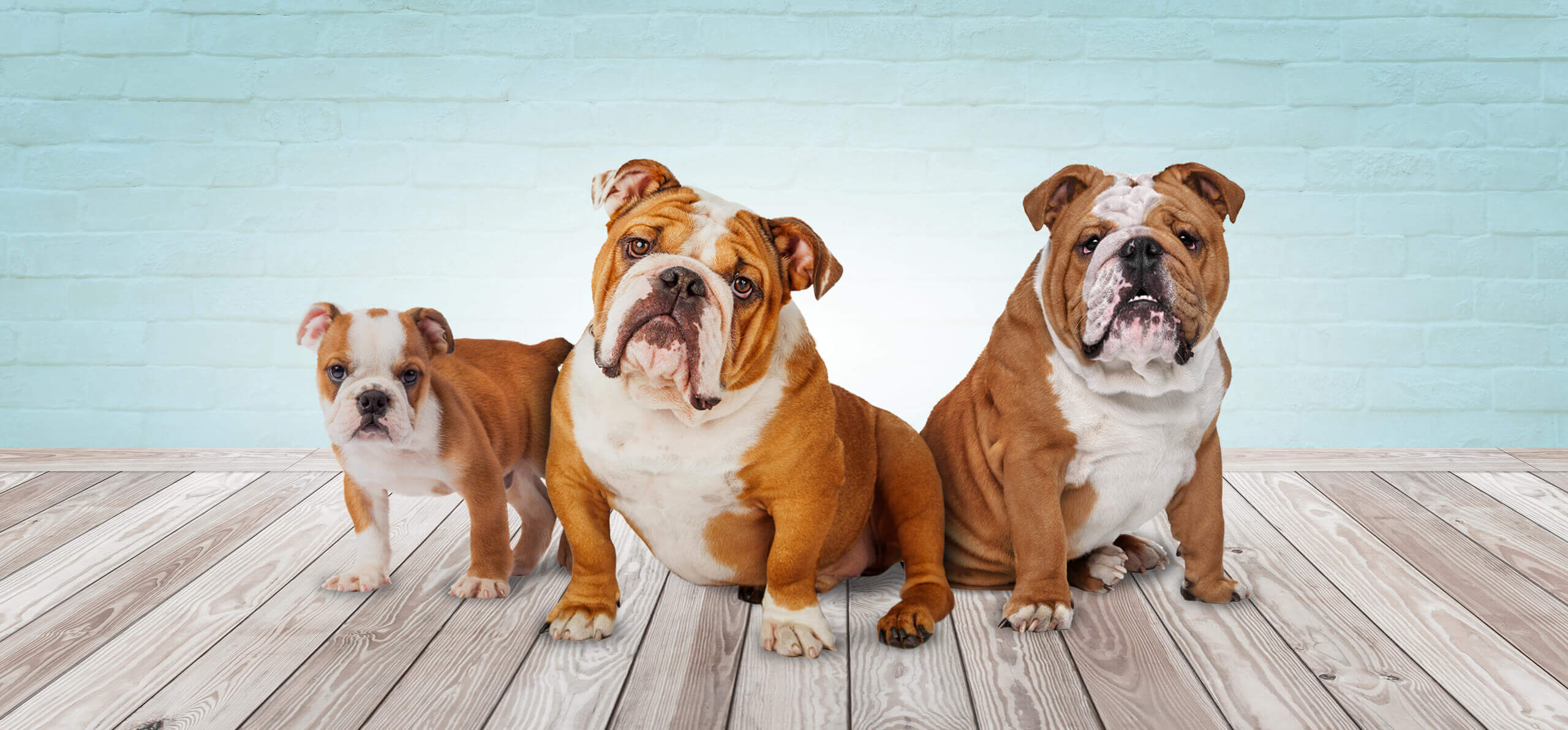
Credit: www.bluebuffalo.com
Frequently Asked Questions
When Is The Right Age To Switch To Adult Dog Food?
Most puppies can start adult dog food at about 12 months. Large breeds may transition between 12-18 months. Consult your vet for breed-specific timing to ensure proper nutrition during growth.
Why Not Feed Adult Food To Puppies Too Early?
Adult food lacks essential nutrients puppies need for growth. Feeding too early can cause health issues and stunted development. Puppy food supports bone and muscle growth with higher protein and calorie content.
How To Transition A Puppy To Adult Dog Food?
Gradually mix adult food with puppy food over 7-10 days. Increase adult food portion daily while reducing puppy food. This helps avoid digestive upset and allows your puppy to adjust smoothly.
Can Feeding Adult Food Affect Puppy’s Growth?
Yes, adult dog food may not meet puppies’ nutritional needs. It can lead to slower growth, weaker bones, and poor health. Proper puppy food supports balanced development during early months.
Conclusion
Feeding your puppy adult dog food too soon can cause problems. Wait until your puppy reaches about one year old. At this age, their growth slows down and their needs change. Choose a good adult dog food that matches their size and breed.
Watch your dog closely during the switch for any issues. A smooth change helps keep them healthy and happy. Remember, every puppy is different. Talk to your vet for the best advice. This simple step ensures your dog grows strong and stays well.