

Have you ever wondered if nutritional yeast flakes are safe for your dog? You might have heard about this popular supplement packed with vitamins and wondered if it could benefit your furry friend.
But before you sprinkle some on your dog’s food, it’s important to know the facts. You’ll discover what nutritional yeast flakes really are, whether they’re good or bad for your dog, and how to use them safely. Keep reading to make sure you’re giving your dog the best care possible.
What Is Nutritional Yeast?
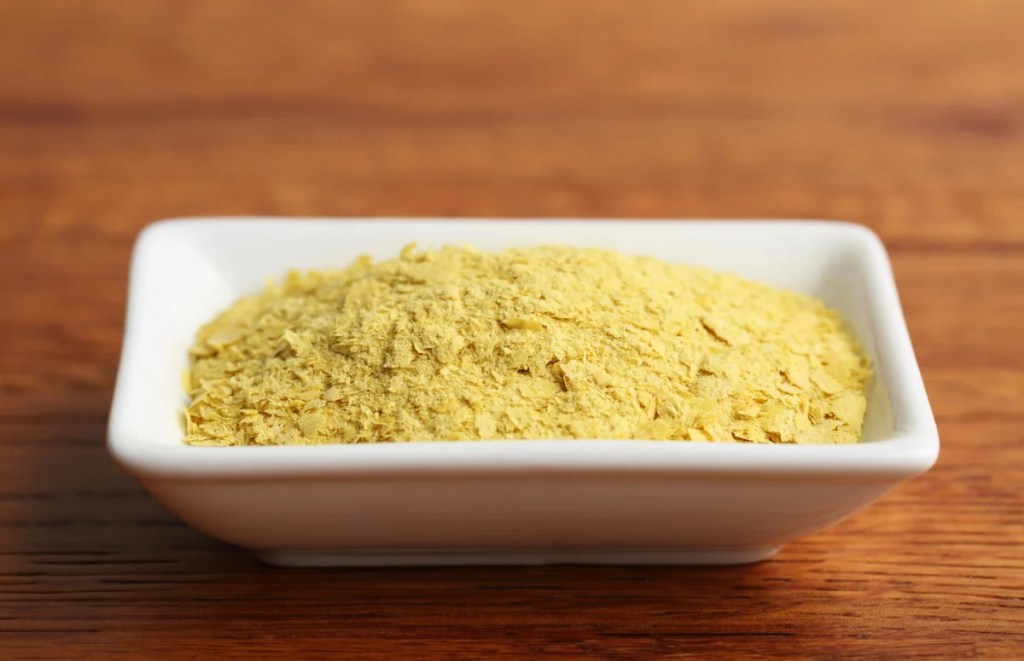
Nutritional yeast is a popular supplement known for its cheesy, nutty flavor. It is a deactivated yeast, often used to add taste and nutrients to food. People use it as a cheese substitute in vegan dishes.
This yeast is rich in vitamins, especially B-complex vitamins, and minerals. It is low in fat and contains no added sugars. Nutritional yeast comes in flakes, powder, or granules, making it easy to sprinkle on meals.
What Is Nutritional Yeast Made Of?
Nutritional yeast is made from a single-celled fungus called Saccharomyces cerevisiae. The yeast grows on sugar-rich sources like molasses. After harvesting, it is heated to stop its growth, which makes it safe to eat.
Why Is Nutritional Yeast Popular?
Many people use nutritional yeast for its flavor and nutrients. It contains protein, fiber, and essential vitamins. It also adds a savory taste without adding salt or fat.
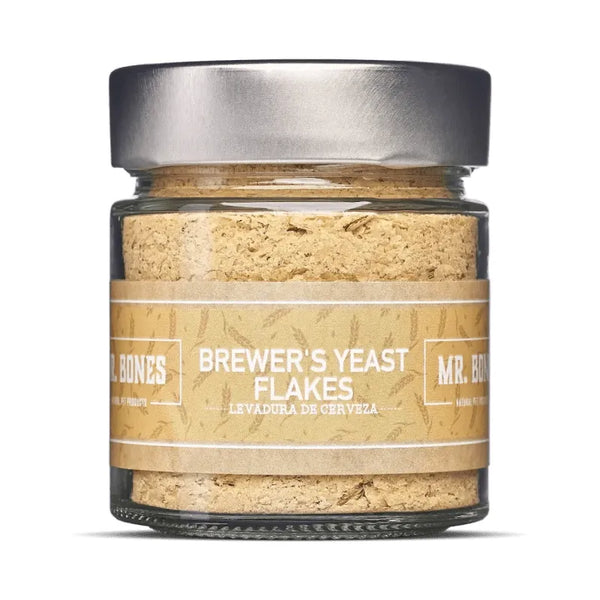
Dogs can eat nutritional yeast in small amounts. It provides some vitamins and helps improve coat health. Always introduce it slowly to avoid stomach upset.
Credit: www.lapatteverte.com
Is Nutritional Yeast Safe For Dogs?
Nutritional yeast is popular for its cheesy flavor and health benefits. Many pet owners ask if it is safe for dogs. Understanding its effects helps keep pets healthy. Nutritional yeast can be a safe addition to a dog’s diet in small amounts. Some dogs may enjoy the taste, but others might not.
Nutritional yeast is a deactivated yeast. It is rich in vitamins, especially B-complex vitamins. It also contains protein and fiber. It does not contain live yeast, so it won’t cause yeast infections in dogs.
Nutritional yeast can support a dog’s immune system. It may improve skin and coat health. Some dogs show better digestion after eating it. The vitamin B content helps with energy and metabolism.
Too much nutritional yeast can cause upset stomach. Some dogs may have allergies or sensitivities. High sodium versions should be avoided. Always choose plain, unsalted flakes for dogs.
How To Feed Nutritional Yeast To Dogs
Start with a small pinch to test tolerance. Mix flakes into regular dog food. Observe your dog for any reactions. Use it as a treat or supplement, not a meal replacement.
Key Nutrients In Nutritional Yeast
Nutritional yeast flakes offer many important nutrients for dogs. These nutrients help support a dog’s overall health and wellbeing. Understanding these key nutrients can help you decide if nutritional yeast is right for your dog.
Nutritional yeast is rich in vitamins, minerals, and protein. These components work together to boost your dog’s diet naturally.
Protein Content
Protein is essential for dogs’ muscle growth and repair. Nutritional yeast contains a good amount of protein. It provides essential amino acids that dogs need daily.
B Vitamins
B vitamins in nutritional yeast help with energy production. They support healthy skin, coat, and digestion. Vitamin B12 is especially important for dogs on a meat-free diet.
Minerals
This yeast contains minerals like zinc and selenium. These minerals help with immune system function and cell health. Zinc also supports wound healing and skin health.
Fiber
Dietary fiber in nutritional yeast aids digestion. It helps keep your dog’s bowel movements regular and healthy. Fiber also promotes good gut bacteria balance.

Credit: www.amazon.com
Health Benefits For Dogs
Nutritional yeast flakes offer many health benefits for dogs. They provide important nutrients that support overall well-being. Including these flakes in your dog’s diet can improve several body functions.
Let’s explore how nutritional yeast helps boost the immune system, promote healthy skin and coat, and support digestion.
Boosting Immune System
Nutritional yeast contains beta-glucans. These compounds help strengthen the immune system. A strong immune system helps dogs fight infections better. It also reduces the risk of illness. Regular intake can keep your dog healthier for longer.
Promoting Healthy Skin And Coat
The flakes are rich in B vitamins. These vitamins improve skin health and shine. They help reduce itching and dryness. A shiny coat shows good nutrition and care. Adding nutritional yeast can make your dog’s fur soft and bright.
Supporting Digestion
Nutritional yeast contains fiber that aids digestion. It helps keep the digestive system regular. Better digestion means fewer stomach issues. Dogs absorb nutrients more efficiently. This support leads to better energy and vitality.
Possible Side Effects And Risks
Nutritional yeast flakes can offer health benefits for dogs. But they also carry some risks and side effects. Knowing these helps keep dogs safe and healthy.
Some dogs may react differently to nutritional yeast. Careful observation is important when introducing it to their diet. Watch for any unusual signs or behaviors.
Potential Allergic Reactions
Some dogs might develop allergies to nutritional yeast. Symptoms include itching, redness, and swelling. Sneezing and watery eyes can also occur. Stop feeding it if allergies appear.
Digestive Upset
Too much nutritional yeast may cause stomach upset. Vomiting, diarrhea, or gas might happen. Start with small amounts to see how your dog reacts. Adjust or stop use based on their comfort.
High Purine Content
Nutritional yeast has purines, which may affect some dogs. Dogs prone to kidney or bladder issues should avoid it. Purines can lead to uric acid buildup, causing health problems.
Interaction With Medications
Nutritional yeast may interfere with certain medications. Dogs on monoamine oxidase inhibitors (MAOIs) should not consume it. Always check with a vet before adding new supplements.
How To Introduce Nutritional Yeast To Your Dog
Introducing nutritional yeast to your dog can be a healthy choice. It adds vitamins and a savory flavor to their diet. Start slowly to see how your dog reacts. Watch for any signs of allergies or upset stomach. Gradually increase the amount if your dog enjoys it and shows no problems.
Recommended Dosage
Start with a small amount, about a quarter teaspoon per 10 pounds of body weight. Offer this dose once a day at first. If your dog tolerates it well, you can increase to half a teaspoon. Do not exceed one teaspoon per 10 pounds daily. Too much can cause digestive issues or discomfort.
Best Ways To Serve
Sprinkle nutritional yeast flakes over your dog’s regular food. Mix it well to spread the flavor evenly. You can also blend it into homemade treats or wet food. Avoid giving it as a dry snack alone. This helps your dog enjoy the taste without choking.
Dogs That Should Avoid Nutritional Yeast
Not all dogs can safely eat nutritional yeast flakes. Some dogs may have health problems that get worse with this supplement. Knowing which dogs should avoid nutritional yeast helps keep them safe and healthy.
Certain conditions make nutritional yeast risky. Watch for signs like itching, upset stomach, or unusual behavior after eating it. Avoid giving nutritional yeast to dogs with these issues.
Dogs With Yeast Allergies
Dogs allergic to yeast should never eat nutritional yeast flakes. Allergies cause itching, redness, and swelling. Feeding yeast to allergic dogs can lead to severe reactions.
Dogs With Sensitive Stomachs
Sensitive stomachs may react badly to nutritional yeast. Symptoms include vomiting, diarrhea, or gas. Avoid yeast flakes to prevent stomach problems in these dogs.
Dogs With Certain Medical Conditions
Dogs with kidney or liver problems should avoid nutritional yeast. These organs process nutrients and may struggle with extra load. Consult a vet before adding yeast to their diet.
Dogs On Medication
Some medications interact with nutritional yeast. This can reduce medicine effectiveness or cause side effects. Always check with a vet before combining yeast with medication.
Credit: dogtime.com
Comparing Nutritional Yeast To Other Supplements
Nutritional yeast is a popular supplement for dogs. It adds vitamins and minerals to their diet. Comparing it to other supplements helps to understand its benefits and limits.
Each supplement has unique nutrients and effects. Choosing the right one depends on your dog’s needs and health.
Comparing Nutritional Yeast To Fish Oil
Fish oil is rich in omega-3 fatty acids. These support skin, coat, and heart health. Nutritional yeast offers B vitamins but lacks omega-3s. Both can be part of a balanced diet. They serve different purposes for your dog’s health.
Comparing Nutritional Yeast To Probiotics
Probiotics improve gut health and digestion. Nutritional yeast helps with energy and immune support. Probiotics contain live bacteria, while yeast flakes do not. Feeding both can boost overall wellness. Each targets a different area of health.
Comparing Nutritional Yeast To Multivitamins
Multivitamins provide a broad range of nutrients. Nutritional yeast focuses mainly on B vitamins and protein. Multivitamins may include minerals not found in yeast. Yeast flakes are natural and often easier to digest. Both can complement your dog’s diet.
Frequently Asked Questions
Can Dogs Safely Eat Nutritional Yeast Flakes?
Yes, dogs can safely eat nutritional yeast flakes in moderation. It provides essential B vitamins and protein. However, avoid giving large amounts to prevent digestive upset.
What Are The Benefits Of Nutritional Yeast For Dogs?
Nutritional yeast supports dogs’ immune health, improves coat quality, and aids digestion. It is rich in vitamins, minerals, and antioxidants, promoting overall well-being.
How Much Nutritional Yeast Should I Give My Dog?
Start with a small amount, like 1/4 teaspoon for small dogs and 1 teaspoon for larger dogs. Gradually increase based on tolerance and size.
Are There Any Risks Feeding Dogs Nutritional Yeast?
Nutritional yeast is generally safe, but some dogs may have allergies or sensitivities. Avoid if your dog has yeast infections or certain health issues. Consult your vet first.
Conclusion
Nutritional yeast flakes can be safe for dogs in small amounts. They offer vitamins and a cheesy flavor dogs might enjoy. Always start with a tiny portion to watch for reactions. Avoid giving too much to prevent stomach upset. Talk to your vet before adding new foods to your dog’s diet.
Keep your dog’s health and happiness as the top priority. Simple treats like these can add variety without harm. Remember, every dog is different. Choose wisely and feed responsibly.


