

You want the best for your small breed dog, especially when it comes to their food. But how do you know when it’s time to switch from puppy food to adult food?
Feeding your dog the right nutrition at the right time is crucial for their health and energy. If you get it wrong, it can affect their growth and wellbeing. Keep reading to discover the signs that show your small breed dog is ready for adult food and how to make the transition smooth and healthy.
Your dog’s happiness and health depend on it!
Credit: www.nbcnews.com
Small Breed Growth Stages
Small breed dogs grow faster than larger breeds. Their bodies develop quickly during the first months. Understanding these growth stages helps you feed them properly. This ensures they get the right nutrients at the right time. Feeding adult food too early or too late can affect their health.
Knowing when to switch from puppy food to adult food is important. Small breeds have different needs than big dogs. They need more calories and protein during growth. Their growth stages guide you on when to make changes in their diet.
Puppy Phase Duration
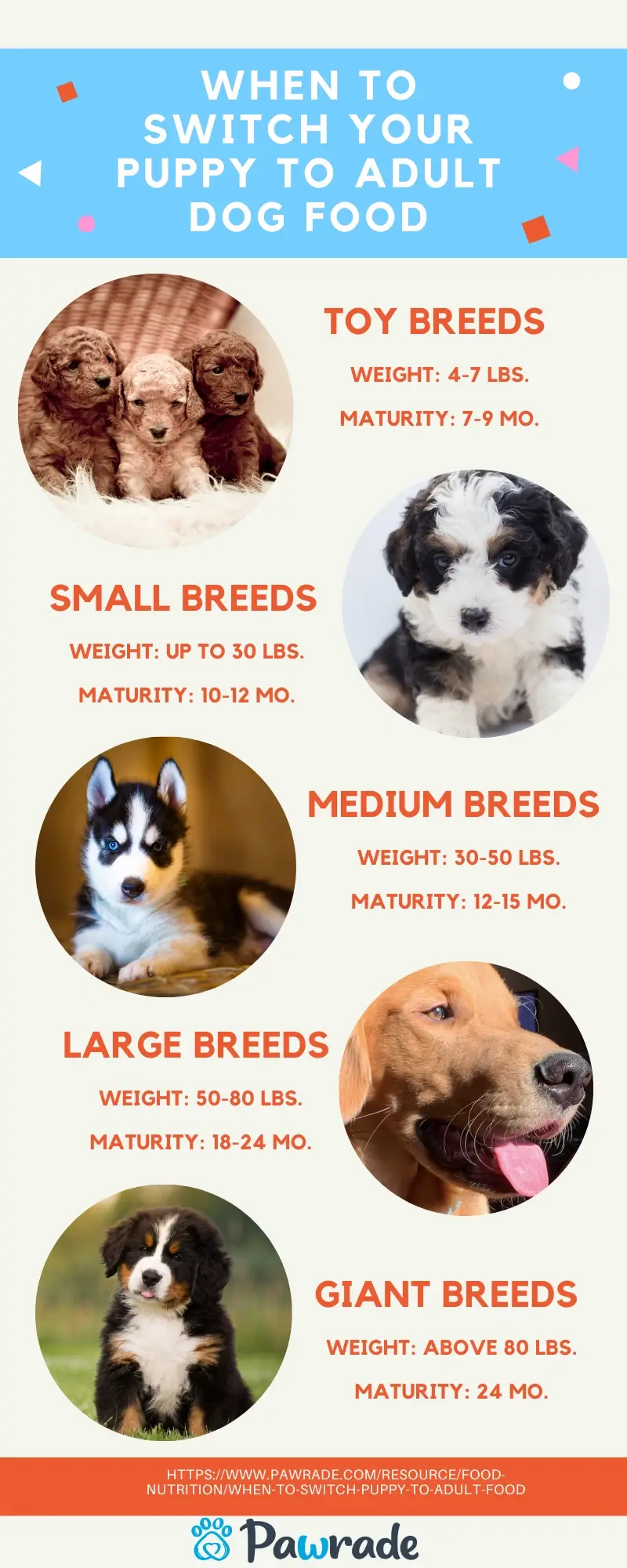
Small breed puppies grow rapidly in the first year. This phase lasts about 9 to 12 months. During this time, they need food designed for puppies. Puppy food supports their strong bones and muscles. It also helps brain development and energy levels.
Feeding them adult food too early can slow their growth. Puppy food has extra nutrients for their fast development. Watch their behavior and weight to see if they are growing well.
Transition To Adulthood
Most small breed dogs become adults between 9 and 12 months. This is the time to start switching their food. Change their diet gradually over 7 to 10 days. Mix adult food with puppy food to avoid upset stomachs.
Adult food has fewer calories and less protein. It matches their slower growth rate. Feeding adult food too late may cause weight gain. Follow your vet’s advice to find the best time to switch.
Signs To Switch To Adult Food
Knowing when to switch your small breed dog to adult food is important. Puppies need special nutrition to grow well. Adult dogs need different nutrients to stay healthy. Watch for signs that show your dog is ready for adult food. These signs help you feed your dog the right food at the right time.
Physical Development Indicators
Your dog’s body shows clear signs of growth. Teeth become strong and fully grown. The puppy starts to look less like a baby. Weight gain slows down and muscles get firmer. Growth plates in bones close as they mature. These changes mean your dog is ready for adult food.
Behavioral Changes
Puppies become calmer and less active. They stop chewing on everything as much. Sleep patterns change, with longer rest times. Appetite may become steady and less erratic. These behavior shifts suggest your dog is maturing. Feeding adult food matches their new energy levels.
Veterinary Recommendations
Your vet is the best guide for feeding changes. Regular check-ups track your dog’s growth and health. Vets recommend the right time to switch food. They consider breed, weight, and health conditions. Follow vet advice to keep your dog strong and healthy.
Nutritional Needs Of Small Breeds
Small breed dogs have unique nutritional needs. Their bodies burn energy faster than larger dogs. This means their diet must support high metabolism and growth. Feeding the right food helps keep them healthy and active. Understanding what small breeds need is key to choosing adult dog food at the right time.
Calorie Requirements
Small dogs need more calories per pound than big dogs. Their fast metabolism uses energy quickly. Feeding enough calories keeps their weight steady. Too few calories cause weakness and weight loss. Too many calories lead to obesity. Balance is important for their size and energy level.
Protein And Fat Ratios
Protein helps build strong muscles and repair tissues. Small breeds need protein-rich food for energy and health. Fat provides concentrated energy and supports skin and coat. The right balance of protein and fat fuels their active lifestyle. Adult food for small dogs usually has higher protein and fat than large breed food.
Essential Vitamins And Minerals
Vitamins and minerals keep small dogs’ bodies working well. Calcium and phosphorus build strong bones and teeth. Vitamins A and E support vision and immune health. B vitamins help with energy production. Small breeds need these nutrients in proper amounts for overall wellness. Adult food formulas often include these essential vitamins and minerals.
Credit: labiosthetique.ee
Choosing The Right Adult Food
Choosing the right adult food for your small breed dog is very important. Their energy needs and digestion change as they grow. Picking the best food supports their health and keeps them active. You want food that suits their size and lifestyle.
Small breed dogs need food with the right nutrients and easy-to-eat pieces. Quality matters for their long-term wellbeing. Let’s explore key points to help you select the best adult food for your dog.
Dry Vs. Wet Food
Dry food is crunchy and helps keep teeth clean. It lasts longer and is easy to store. Wet food has more moisture, which helps keep your dog hydrated. It often smells stronger and can be more tasty for picky eaters. Both types have benefits. Choose based on your dog’s preference and health needs.
Ingredients To Look For
High-quality protein should be the first ingredient. Chicken, beef, or fish are good choices. Look for whole grains like brown rice or barley. Vegetables such as carrots and peas add vitamins and fiber. Healthy fats like omega-3 and omega-6 support skin and coat health. Ingredients should be simple and natural.
Avoiding Harmful Additives
Stay away from foods with artificial colors or flavors. These can cause allergies or stomach problems. Avoid excessive fillers like corn and wheat. Watch for preservatives such as BHA or BHT. These chemicals may harm your dog’s health. Choose foods with natural preservatives or none at all.
Transitioning Your Dog’s Diet
Changing your small breed dog’s food from puppy to adult is important for their health. This change should be slow and careful. A sudden switch can upset their stomach. You want to help your dog get used to the new food smoothly.
Gradual Food Introduction
Start by mixing a small amount of adult food with the puppy food. Increase the adult food portion little by little each day. This helps your dog’s body adjust to new nutrients. Keep the total food amount the same during the change. This process usually takes about 7 to 10 days.
Monitoring Digestive Health
Watch your dog’s stool and energy closely. Soft stools or diarrhea may mean the food change is too fast. Your dog might feel tired or less active at first. If problems continue for more than a few days, slow down the transition. Healthy digestion means your dog is adjusting well.
Adjusting Portions
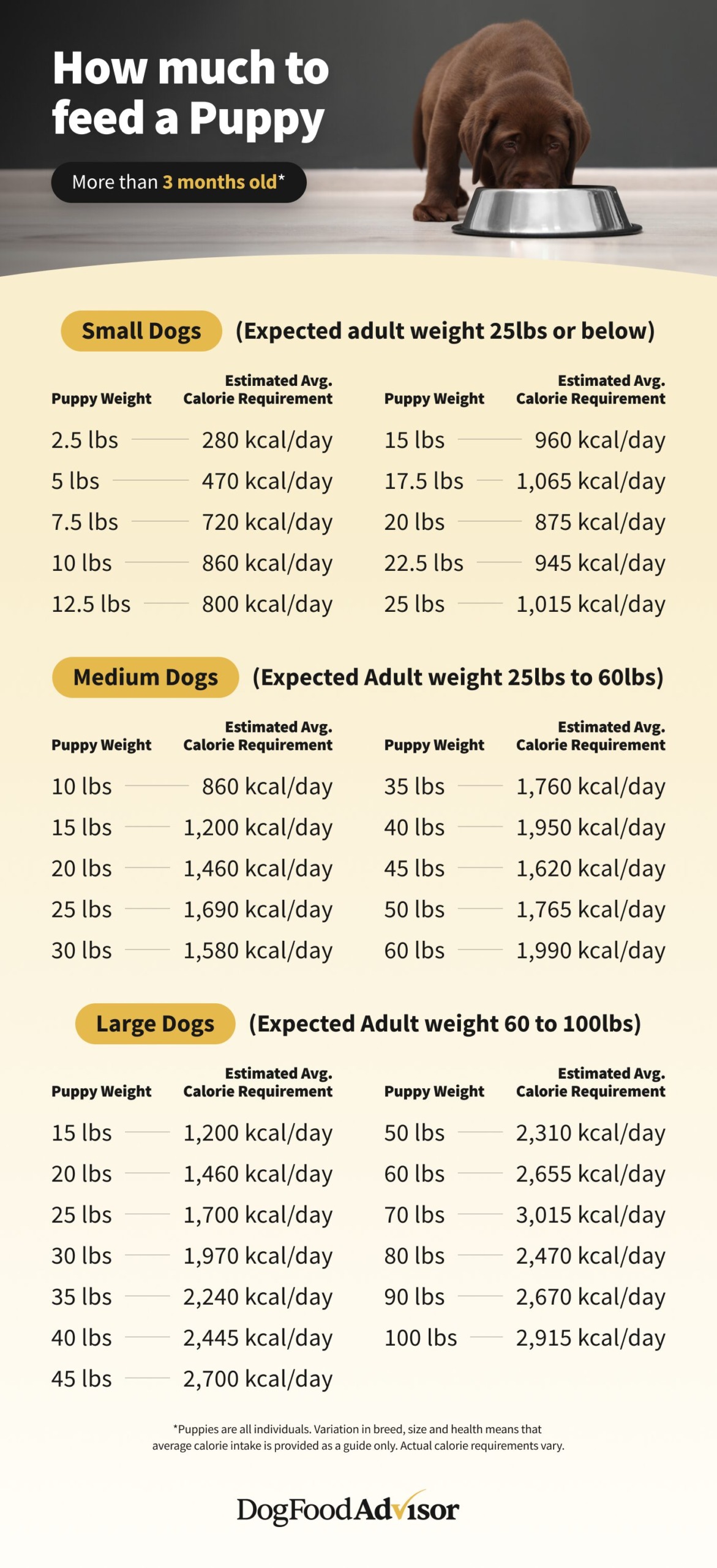
Adult dogs need different food amounts than puppies. Check the feeding guide on the adult dog food package. Adjust portions based on your dog’s weight and activity level. Small breeds burn energy faster, so they may need more calories. Feeding the right amount keeps your dog healthy and happy.
Credit: www.dogfoodadvisor.com
Common Mistakes To Avoid
Feeding a small breed dog adult food requires careful timing and attention. Many pet owners make mistakes during this transition. These errors can affect your dog’s health and growth. Avoiding common mistakes helps your dog thrive and stay healthy.
Switching Too Early Or Late
Changing to adult food too early can harm a puppy’s growth. Their bodies need puppy food for vital nutrients. Switching too late may cause weight gain or nutrient imbalance. Watch your dog’s size and behavior to pick the right time.
Ignoring Individual Needs
Every dog is unique. Some small breeds mature faster or slower than others. Not paying attention to your dog’s specific needs can lead to problems. Check with your vet about your dog’s age, weight, and health before switching food.
Overfeeding Adult Food
Adult dog food has more calories than puppy food. Feeding too much can cause obesity and joint problems. Measure food portions carefully and feed according to your dog’s activity level. Keep your dog active and healthy by controlling food amounts.
Expert Tips For Feeding Small Breeds
Feeding small breed dogs the right food at the right time is very important. Small dogs have fast metabolisms and unique nutritional needs. Providing proper care helps them stay healthy and active. Here are some expert tips for feeding small breeds to guide you.
Feeding Frequency
Small breed dogs need to eat more often than large breeds. Their small stomachs cannot hold much food at once. Feeding them three to four small meals daily helps keep their energy steady. Avoid giving one or two large meals. Frequent feeding also prevents low blood sugar, a common issue in small dogs.
Hydration Importance
Water is essential for all dogs, especially small breeds. They can get dehydrated quickly due to their size. Always keep fresh water available. Wet dog food can add hydration to their diet. Watch for signs of dehydration like dry gums or lethargy. Proper hydration supports digestion and overall health.
Regular Vet Checkups
Regular visits to the vet help monitor your dog’s health closely. Small breeds can develop health problems faster than bigger dogs. Vets can advise when to switch to adult food based on growth and health. They also check weight, teeth, and overall condition. Keeping up with vet visits ensures your small dog stays in top shape.
Frequently Asked Questions
When Should I Switch Small Breed Puppies To Adult Food?
Switch small breed puppies to adult food at about 9 to 12 months. This timing supports their slower growth compared to larger breeds and meets their changing nutritional needs.
Why Is Timing Important For Feeding Adult Dog Food?
Proper timing ensures balanced nutrition for growth and health. Switching too early or late can cause digestive issues or nutrient imbalances in small breed dogs.
How To Transition Small Breed Dogs To Adult Food?
Gradually mix adult food with puppy food over 7 to 10 days. This helps your dog adjust without stomach upset or refusal to eat.
Can I Feed Adult Food To A Small Breed Puppy?
No, adult food lacks certain nutrients essential for puppies. Puppies need higher protein and calorie content for healthy development.
Conclusion
Small breed dogs grow fast and need the right nutrition. Switching to adult food usually happens around one year old. Watch your dog’s size, energy, and health to decide the best time. Good food helps your dog stay strong and happy.
Always choose food made for small breeds. Proper feeding supports a long, healthy life. Pay attention, and your dog will thank you.


