Are you wondering when your puppy is ready to switch to adult dog food? It’s a common question for every dog owner who wants the best for their furry friend.
Feeding your dog the right food at the right time can make a big difference in their health and happiness. But how do you know the perfect moment to make the change? Keep reading, and you’ll discover simple signs to watch for and easy tips to help your dog transition smoothly to adult food.
Your dog’s well-being depends on it, and you’ll feel confident making the right choice.
Credit: www.purina.com
Puppy Growth Stages
Puppy growth happens in clear stages. Each stage shapes their health and diet needs. Understanding these stages helps owners feed puppies properly. Proper feeding supports strong bones, muscles, and a healthy immune system.
From Newborn To Weaning
Newborn puppies rely fully on their mother’s milk. It gives them all needed nutrients and antibodies. This phase lasts about three to four weeks. Puppies cannot digest solid food yet. Their teeth start to come in near the end of this stage.
Transition To Solid Food
At about three to four weeks, puppies begin trying solid food. Start with soft, moist puppy food. Mix it with water or puppy formula for easier eating. Gradually reduce liquids as puppies get used to solids. This transition usually lasts two to three weeks.
Growth Milestones
By eight weeks, most puppies eat solid food well. Their growth speeds up after weaning. Strong bones and muscles develop quickly. Nutrient needs are higher than adult dogs. Feeding high-quality puppy food supports this rapid growth. Monitor weight and energy levels for healthy progress.
Signs Of Readiness
Knowing when your dog is ready to switch to adult food is important for their health. Dogs change a lot as they grow. Their body and habits show signs that tell you when to make the change. Watch closely for these signs of readiness.
Physical Indicators
Your dog’s body shows clear signs when it is ready. Teeth are a good hint. When all baby teeth fall out and adult teeth come in, the dog is growing up.
Coat condition also changes. A shinier, thicker coat means the dog is maturing. Muscle tone improves too. Stronger muscles show readiness for adult food.
Behavioral Changes
Behavior shifts as dogs grow. They become less clumsy and more coordinated. Your dog may show less chewing on everything. They start to explore more carefully.
Energy levels change too. Your dog might become calmer and more focused. These changes mean the dog’s body needs a different diet.
Weight And Size Considerations
Weight is a key factor. Most dogs reach about 80-90% of their adult weight before switching foods. Size matters too. Small breeds mature faster than large breeds.
Check your dog’s growth charts if you can. When growth slows down, it is usually time. Feeding adult food helps maintain healthy weight and growth.
Types Of Adult Dog Food
Choosing the right type of adult dog food is important for your dog’s health. Adult dogs need food that supports their energy and growth. There are many options available, so knowing the differences helps you pick the best one.
Each type of food offers unique benefits. Understanding these can make feeding time easier and healthier for your dog.
Dry Vs. Wet Food
Dry food is crunchy and helps clean teeth. It lasts longer and is easy to store. Wet food contains more moisture, which helps dogs stay hydrated. It is softer and may taste better to some dogs. Some owners mix both to balance benefits.
Nutritional Needs
Adult dog food must have balanced protein, fat, and vitamins. Protein helps build muscles. Fat gives energy and keeps skin healthy. Vitamins and minerals support the immune system and bones. Check food labels to ensure these nutrients are included.
Special Diets
Some dogs need special diets due to health problems. There are foods for weight control, allergies, and sensitive stomachs. Your vet can help choose the right diet for your dog’s needs. Special diets improve quality of life and comfort.
Credit: www.chewy.com
Timing The Switch
Timing the switch from puppy food to adult dog food is important for your dog’s health. The right time helps your dog grow strong and stay healthy. Changing food too soon or too late can cause problems.
Watch your dog’s growth and energy level to know when to start the change. This section explains the best age, how to change food slowly, and ways to avoid stomach problems.
Recommended Age Range
Most dogs switch to adult food between 9 and 12 months old. Small breeds may change earlier, around 9 months. Large breeds often need more time, up to 12 or 18 months.
Check your vet’s advice for your dog’s breed and size. They know the best timing for your pet’s needs.
Gradual Transition Process
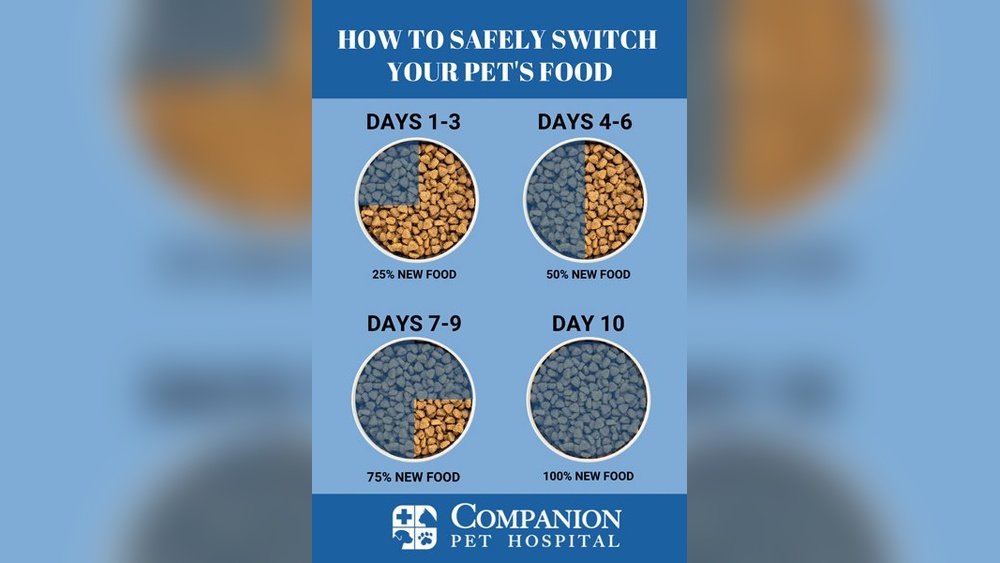
Start mixing adult food with puppy food slowly. Begin with 25% adult food and 75% puppy food. Change the ratio every few days until you serve only adult food.
This slow switch helps your dog adjust to new food flavors and nutrients. Sudden changes can upset your dog’s stomach and appetite.
Avoiding Digestive Issues
Watch your dog for signs of tummy trouble during the change. Loose stools or vomiting may mean the switch is too fast. Slow down the transition if this happens.
Feed small meals often and keep fresh water ready. Good digestion keeps your dog happy and healthy.
Consulting Your Veterinarian
Choosing the right time for your dog to switch to adult food is important. Every dog grows at a different pace and needs a unique diet. Your veterinarian has the best knowledge about your dog’s health and can guide you well. Talking to a vet helps avoid feeding mistakes that may harm your pet.
Health Assessments
Your veterinarian will check your dog’s overall health first. This check includes weight, teeth, and energy levels. These details show if your dog is ready for adult food. Some dogs may need more time before switching. Health problems can delay the transition to adult food.
Customized Feeding Plans
A vet creates a feeding plan just for your dog. This plan fits your dog’s age, weight, and breed. It also considers any health issues your dog has. The vet suggests the type and amount of food. This plan helps your dog get all needed nutrients.
Monitoring Progress
After changing the food, your vet will watch your dog closely. Regular checkups track your dog’s weight and health. Your vet may adjust the diet if needed. This care helps your dog stay healthy and strong. Monitoring ensures the food switch goes smoothly.
Common Mistakes To Avoid
Changing your dog’s food is important but tricky. Many pet owners make common mistakes. These errors can affect your dog’s health and growth. Avoiding these mistakes helps your dog grow strong and happy.
Here are some common mistakes to watch out for when switching your dog to adult food.
Switching Too Early
Puppies need special nutrients for growth. Adult food lacks these key nutrients. Switching too soon can cause health problems. Wait until your dog reaches the right age. Usually, this is around one year old for most breeds. Large breeds may need longer.
Ignoring Puppy Needs
Puppies have different energy and nutrient needs than adults. They need more protein and fat. Ignoring these needs can lead to poor growth. Watch your puppy’s weight and energy levels. Choose food that supports their development until fully grown.
Overfeeding Or Underfeeding
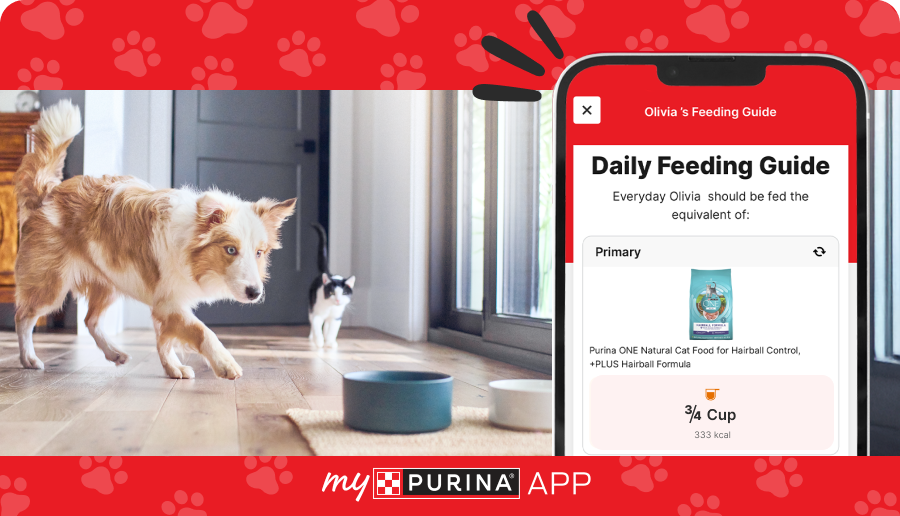
Feeding too much or too little adult food can harm your dog. Overfeeding leads to obesity and health issues. Underfeeding causes weakness and poor growth. Follow feeding guidelines on the dog food package. Adjust amounts based on your dog’s activity and weight.
Credit: www.purina.com
Frequently Asked Questions
When Should I Switch My Puppy To Adult Dog Food?
You should switch your puppy to adult dog food around 12 months. Large breeds may need adult food at 18-24 months. This timing supports healthy growth and balanced nutrition for your dog’s size and breed.
What Signs Show My Dog Is Ready For Adult Food?
Look for slower growth, less energy, and adult teeth. These signs suggest your dog’s body is maturing. Transitioning to adult food then helps meet their changing nutritional needs and supports overall health.
Can Switching To Adult Food Too Early Harm My Dog?
Yes, switching too early can cause nutritional imbalances. Puppies need higher protein and calories for growth. Early change may lead to deficiencies, poor development, and digestive issues. Always follow vet recommendations for timing.
How To Transition My Dog To Adult Food Safely?
Gradually mix adult food with puppy food over 7-10 days. Slowly increase adult food portion daily. This helps prevent digestive upset and allows your dog to adjust to new nutrients smoothly.
Conclusion
Switching your dog to adult food at the right time is important. Watch their growth and energy levels closely. Usually, dogs start eating adult food around one year old. Gradually mix adult food with puppy food for a smooth change.
This helps avoid stomach upset or refusal to eat. Keep your dog’s breed and size in mind too. Consult your vet if unsure about timing or diet. Feeding the right food supports your dog’s health and happiness. Simple steps lead to a strong, healthy pet.