

Are you thinking about adding a big dog to your family? Big dog breeds can bring a lot of joy, protection, and companionship into your life.
But before you make a choice, it’s important to know which breeds stand out for their size, temperament, and care needs. You’ll discover some of the biggest dog breeds that could be the perfect match for your lifestyle. Keep reading to find out which gentle giants might become your new best friend.
Credit: pethelpful.com
Popular Giant Dog Breeds
Giant dog breeds capture attention with their impressive size and gentle nature. These big dogs need space and care but offer great companionship. They often have calm temperaments and strong loyalty toward their families.
Here are some popular giant dog breeds known for their size and friendly behavior.
Saint Bernard
Saint Bernards are famous for their rescue work in the Swiss Alps. They are large, strong, and have thick fur. These dogs are calm and very good with children. Their gentle nature makes them great family pets.
Great Dane
Great Danes are one of the tallest dog breeds. They have a sleek, muscular body and a friendly personality. Despite their size, they are gentle and love to be close to their owners. They need regular exercise to stay healthy.
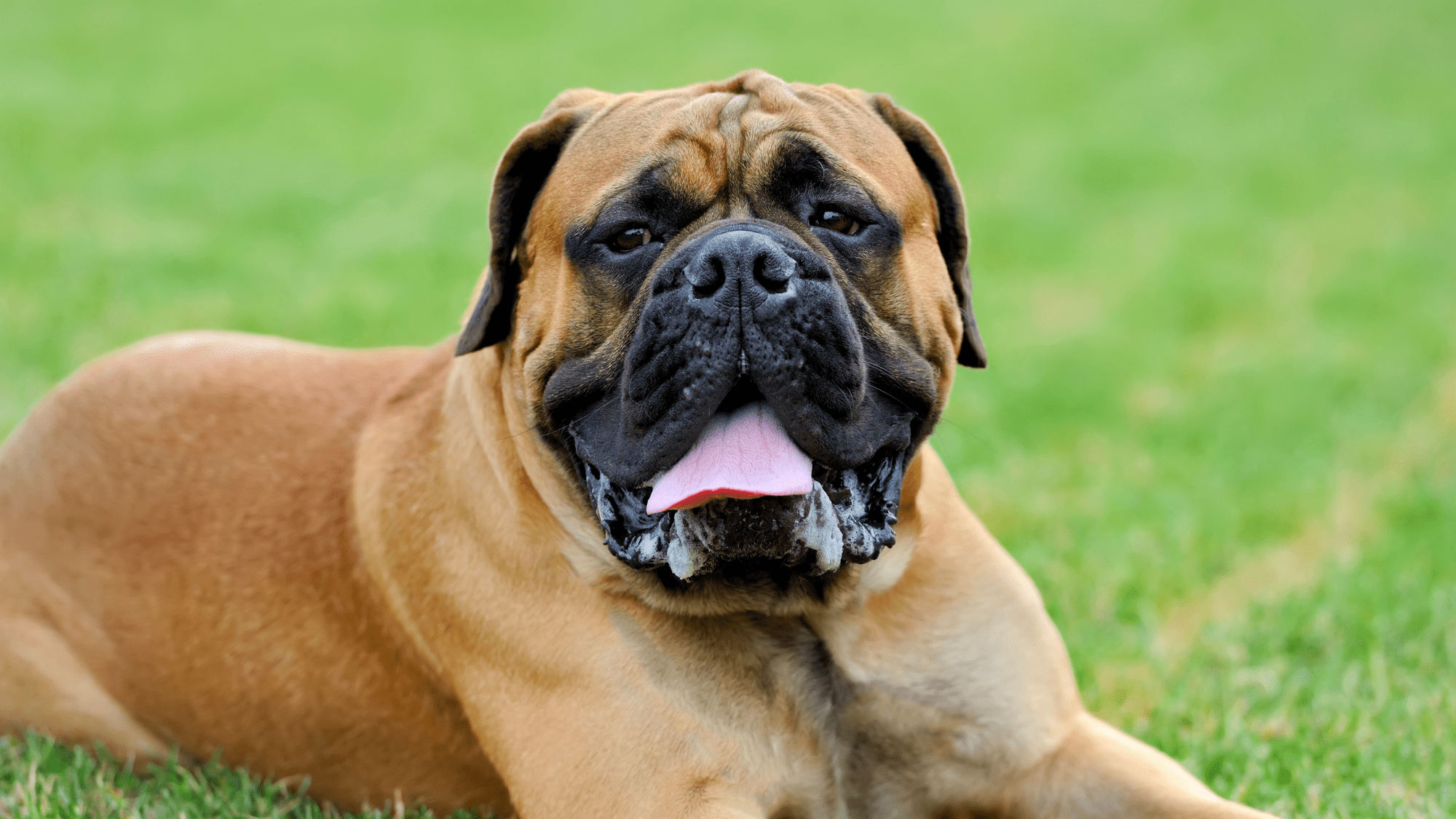
Mastiff
Mastiffs are powerful dogs with a protective nature. They have a broad head and a large body. These dogs are loyal and calm at home but alert when needed. Their slow and steady personality suits quiet households.
Newfoundland
Newfoundlands are strong swimmers and great water rescue dogs. They have thick, water-resistant coats. These dogs are gentle giants, patient with kids and friendly with strangers. They require regular grooming because of their dense fur.
Irish Wolfhound
Irish Wolfhounds are tall and lean with a wiry coat. They were originally bred for hunting wolves. These dogs are quiet, kind, and very loyal. They enjoy open spaces to run and play freely.
Physical Traits Of Big Dogs
Big dogs stand out with their strong and impressive looks. Their size and coat often catch attention. These physical traits help define each breed’s unique charm. Understanding these details helps appreciate big dogs more.
Size And Weight Range
Big dog breeds vary in size but all are larger than average dogs. They can weigh anywhere from 70 to over 150 pounds. Their height at the shoulder often reaches 24 inches or more. This size gives them a powerful and commanding presence.
Coat Types And Colors
Big dogs have many coat types. Some have short, smooth fur that is easy to care for. Others have thick, long coats that protect them from cold weather. Common colors include black, brown, white, and combinations of these. Patterns like spots or patches are also popular.
Lifespan Expectations
Big dogs usually live shorter lives than small dogs. Their lifespan ranges from 6 to 12 years, depending on the breed. Larger size can lead to health challenges. Regular care and check-ups can help extend their life.
Temperament And Personality
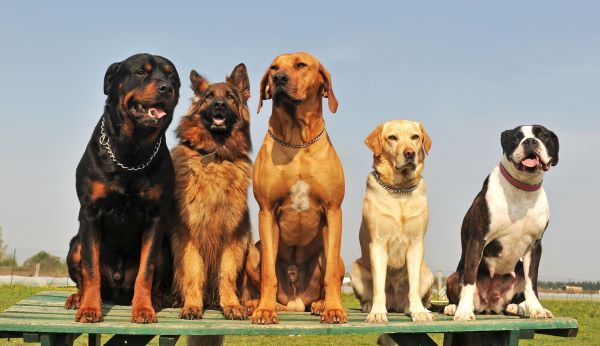
Big dog breeds are known not just for their size but also for their unique temperaments and personalities. Understanding these traits helps owners provide the best care. These dogs often show a mix of strength and gentleness. They can be calm yet alert, loving yet protective. Their behavior varies by breed but shares some common themes.
Gentle Giants
Many large dog breeds are called gentle giants for a reason. They often have calm and patient natures. These dogs enjoy being around people and are rarely aggressive. Their size might scare some, but they usually love cuddles and playtime. Great Danes and Newfoundlands are classic examples. They are friendly and easygoing with children and adults alike.
Protective Instincts
Big dogs tend to have strong protective instincts. They watch over their home and family carefully. This trait makes them excellent guard dogs without being overly aggressive. Breeds like the Rottweiler and the Mastiff are alert and confident. They sense danger quickly and act to keep their loved ones safe. Training helps balance their protective nature.
Social Behavior With Families
Social skills are important for big dogs in family life. Many enjoy being part of daily activities and social events. They often get along well with children and other pets. Labrador Retrievers and Saint Bernards show great social behavior. They need regular interaction and love from their family. This keeps them happy, healthy, and well-behaved.
Care And Maintenance
Big dog breeds need special care and maintenance to stay healthy. Their size means they require more attention than small dogs. Proper care helps them live longer and feel happy.
Owners must understand exercise needs, diet, and grooming. Each area plays a key role in a big dog’s well-being. Let’s explore these important points.
Exercise Needs
Big dogs need regular exercise to stay fit. Daily walks help maintain strong muscles and joints. Playtime is good for their mental health too. Avoid too much running on hard surfaces. It can hurt their bones and joints. Aim for 30 to 60 minutes of activity every day.
Diet And Nutrition
Big dogs require a balanced diet with the right nutrients. Protein helps build strong muscles. Healthy fats keep their skin and coat shiny. Avoid overfeeding to prevent obesity. Use high-quality dog food made for large breeds. Fresh water must always be available.
Grooming Tips
Grooming keeps big dogs clean and comfortable. Brush their coat regularly to reduce shedding. Check ears and teeth often for signs of problems. Trim nails to avoid pain and injury. Bathing should happen every few weeks or when dirty. Grooming also helps spot health issues early.
Common Health Issues
Big dog breeds bring strength and loyalty to any home. These dogs often face health problems more than smaller breeds. Knowing these common health issues helps owners care better for their pets. Early detection and care can improve their quality of life.
Hip Dysplasia
Hip dysplasia is a frequent problem in large dogs. The hip joint does not fit well in the socket. This causes pain and difficulty in movement. Dogs may limp or avoid exercise. Regular vet checks can catch this problem early. Treatment includes medication, therapy, or surgery.
Heart Conditions
Heart issues affect many big dog breeds. Enlarged hearts or valve problems are common. Symptoms include coughing, tiredness, and breathing trouble. A vet can perform tests to diagnose heart problems. Managing diet and exercise helps support heart health.
Joint Problems
Joint pain and arthritis often affect large dogs. These issues cause stiffness and reduce activity. Maintaining a healthy weight lowers stress on joints. Supplements and proper exercise improve joint function. Regular vet visits help monitor joint health closely.
Credit: bowwowinsurance.com.au
Choosing The Right Giant Dog
Choosing the right giant dog takes careful thought. These dogs need more space and care than smaller breeds. Their size affects daily life and routines. Knowing your home, schedule, and family helps pick the best match.
Big dogs can bring joy and companionship. They also bring responsibility. Understanding what giant dogs need makes life easier for both of you.
Living Space Considerations
Big dogs need room to move freely. Small apartments often feel cramped for them. A house with a yard is better for their energy. Space helps prevent stress and destructive behavior. Think about your current and future living space.
Time Commitment
Giant dogs require daily exercise and playtime. They also need regular grooming and vet visits. Training takes patience and consistency. These dogs thrive with owners who have time. Busy schedules can make dog care hard.
Compatibility With Children And Pets
Big dogs can be gentle with kids. Some breeds are more patient than others. Introduce dogs slowly to other pets. Watch their behavior around small animals. Safety and comfort for all family members matter most.
Credit: www.purina.com
Frequently Asked Questions
What Are The Largest Dog Breeds By Size?
The largest dog breeds include the Great Dane, Saint Bernard, and English Mastiff. These dogs often weigh over 100 pounds and stand tall. They are known for their impressive size and gentle nature despite their appearance.
Which Big Dog Breeds Are Best For Families?
Labrador Retrievers, Golden Retrievers, and Newfoundlands are excellent family dogs. They are friendly, patient, and good with children. These breeds combine size with a calm temperament, making them ideal companions.
How Much Exercise Do Big Dog Breeds Need?
Big dogs generally require daily exercise to stay healthy and happy. At least 30 to 60 minutes of walking or playtime is recommended. Regular activity prevents obesity and helps maintain their strong muscles and joints.
Are Big Dog Breeds Suitable For Apartment Living?
Most big dog breeds need space and a yard to roam. However, some like the Greyhound can adapt to apartments if exercised well. Proper training and daily activity are essential for their comfort indoors.
Conclusion
Big dog breeds bring joy and strength to many homes. They need space and care to stay happy. Choosing the right big dog means knowing their size and needs. These dogs often have gentle hearts despite their size. They make great companions for active families.
Remember to give them love, training, and exercise. Big dogs can be loyal friends for many years. Think about your lifestyle before picking a big dog. It’s a big commitment, but very rewarding.


