Knowing exactly when to start feeding your medium-sized dog adult food can make a big difference in their health and happiness. You want to give your furry friend the right nutrition at the right time, but it’s not always clear when puppy food should be swapped for adult meals.
If you’re wondering how to tell the perfect moment to make this change, you’re in the right place. Keep reading, and you’ll learn simple, clear signs to watch for and practical tips to help your dog grow strong and healthy.
Your dog depends on you, and getting this right will show just how much you care.
Growth Stages Of Medium Dogs
Medium size dogs grow fast. Their food needs change as they grow. Understanding their growth stages helps you feed them right. Proper nutrition supports strong bones and good health. Knowing when to switch to adult food is key.
Puppy Phase Duration
The puppy phase lasts about 6 to 12 months. During this time, dogs need special puppy food. Puppy food has more nutrients for growth. It helps build muscles and supports the brain. Feeding adult food too early can hurt their growth.
Adolescence Signs
Adolescence starts around 6 months old. Dogs may become more active and curious. They lose puppy teeth and grow adult teeth. Their appetite may change, sometimes more or less. This stage needs careful feeding to keep them healthy.
Maturity Indicators
Medium dogs reach maturity between 12 and 18 months. They stop growing taller and gain muscle tone. Their energy levels become steady and less erratic. Coat texture looks thicker and shinier. These signs show it is time to try adult food.
Differences Between Puppy And Adult Food
Understanding the differences between puppy and adult dog food helps you choose the right diet. Puppies grow fast and need food that supports their development. Adult dogs have different needs to maintain their health. Feeding the right food at the right time is important for your dog’s well-being.
Nutrient Requirements
Puppy food contains more protein and fat for growth. It supports strong bones and muscles. Adult dog food has balanced nutrients to keep your dog healthy. Too much protein in adult food can cause health issues. Nutrients must match the dog’s life stage.
Calorie Content
Puppies burn more energy and need higher calories. Their food is rich in calories to fuel play and growth. Adult dogs need fewer calories to avoid weight gain. Adult food has controlled calories to maintain a healthy weight. Proper calorie intake prevents obesity and related problems.
Ingredient Variations
Puppy food includes ingredients to support brain and eye development. It often has added DHA and calcium. Adult food focuses on ingredients for joint health and digestion. Fiber levels in adult food help with stool quality. Ingredients reflect the specific needs of each life stage.
Signs To Switch To Adult Food
Knowing when to switch your medium size dog to adult food is important. Puppies need special nutrition for growth. Adult dogs need different nutrients to stay healthy. Watch your dog closely for clear signs. These signs help decide the right time to change food.
Behavioral Changes
Your dog may act different as it grows. Less playful energy can mean growth slows down. Eating habits might change too. Puppy food may not satisfy a less active dog. Notice if your dog seems less hungry or more calm. These changes can signal it’s time for adult food.
Weight And Size Milestones
Medium dogs usually reach adult size between 9 and 12 months. Check your dog’s weight regularly. If your dog stops growing taller or heavier, it likely reached adult size. Feeding puppy food after this can cause weight gain. Switch to adult food to match your dog’s energy needs.
Veterinarian Recommendations
Your vet knows your dog’s health best. Regular check-ups help track growth and health. Ask your vet when to start adult food. They consider breed, size, and health conditions. Follow your vet’s advice for the best diet change timing.

Credit: vcahospitals.com
Risks Of Early Or Late Transition
Changing a medium size dog to adult food needs care. Feeding adult food too soon or too late can cause problems. The dog’s health and growth depend on the right timing. Understanding the risks helps keep your dog strong and happy.
Nutritional Deficiencies
Puppy food has more nutrients for growth. Adult food has fewer nutrients for maintenance. Early switch may miss key vitamins and minerals. Dog may lack energy and immune support. Late switch means dog may get too many nutrients. Both cases can harm health over time.
Digestive Issues
Dog’s stomach needs time to adjust. Changing food too fast causes upset stomach. Early change may cause diarrhea or vomiting. Late change can lead to overeating or constipation. A slow, steady change helps digestion stay normal. Watch your dog for any signs of discomfort.
Growth Problems
Medium dogs grow at different speeds. Early adult food can slow bone and muscle growth. Late adult food may cause unhealthy weight gain. Proper food supports strong bones and muscles. Timing affects how well your dog develops. Careful feeding helps your dog grow healthy and strong.
How To Transition Food Smoothly
Changing your medium size dog’s food needs care. A smooth food transition helps avoid stomach problems. Sudden changes can cause upset tummies or diarrhea. A slow and steady approach keeps your dog happy and healthy.
Gradual Mixing Techniques
Start by mixing 25% adult food with 75% puppy food. Feed this mix for three days. Then increase adult food to 50% and puppy food to 50%. After another three days, mix 75% adult food with 25% puppy food. Finally, feed only adult food. This slow change helps your dog’s digestion adjust.
Monitoring Reactions
Watch your dog’s stool and behavior daily. Soft stools or vomiting show a problem. Loss of appetite or tiredness means trouble. If these signs appear, slow the transition. Keep the mix with more puppy food longer. Your vet can help if issues last more than two days.
Adjusting Portion Sizes
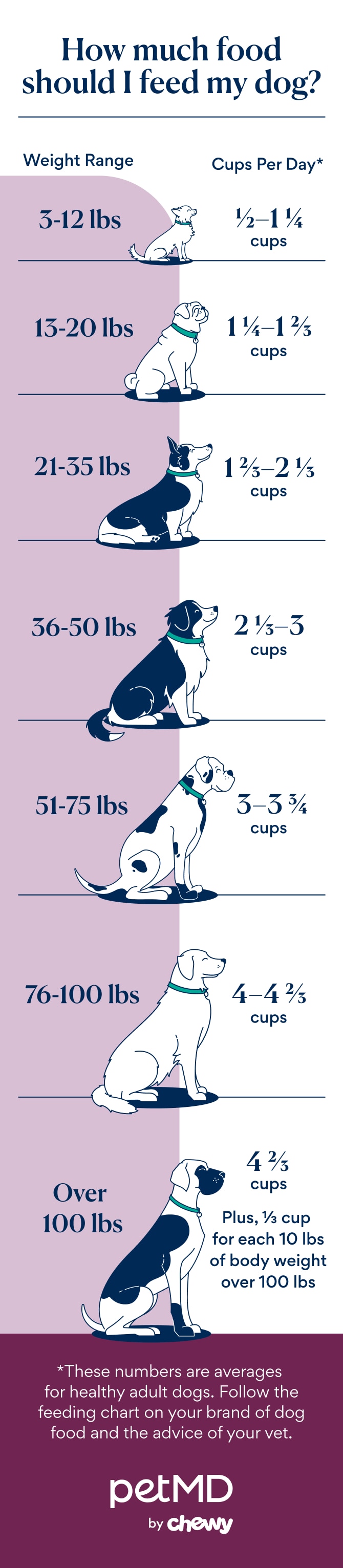
Adult dogs need different amounts than puppies. Start with the same portion size as before. Change portions based on your dog’s weight and activity. Too much food can cause weight gain. Too little food leads to hunger and low energy. Adjust meals slowly during the transition period.
Credit: www.petmd.com
Special Considerations For Medium Breeds
Medium-sized dogs have unique needs when switching to adult food. Their growth and energy use differ from small or large breeds. Understanding these needs helps choose the right time to change their diet. This section highlights key points to consider for medium breeds.
Breed-specific Needs
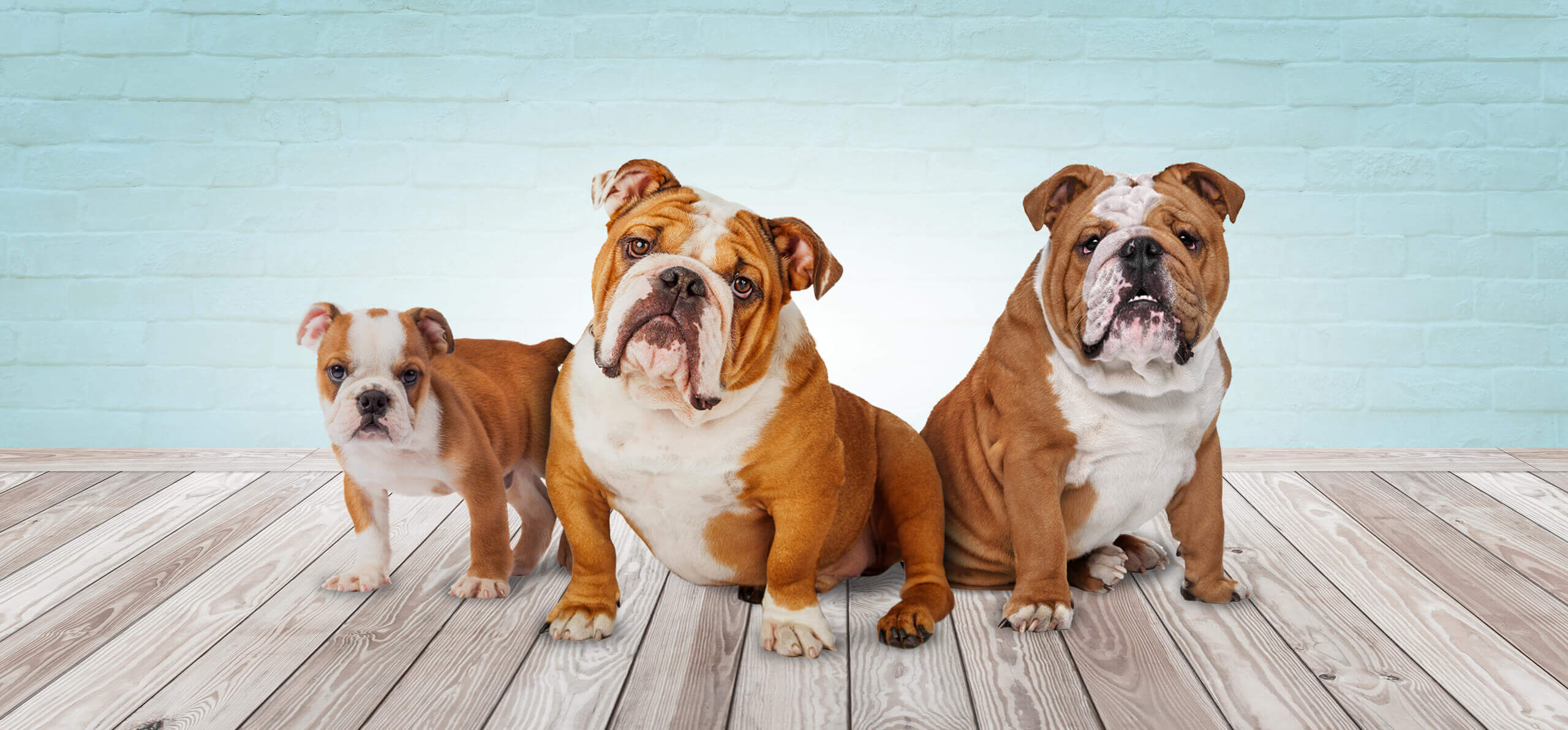
Some medium breeds grow faster than others. Breeds like Border Collies mature quickly, needing adult food earlier. Others, like Bulldogs, grow slowly and require puppy food longer. Knowing your dog’s breed helps decide the right feeding time.
Each breed also has different nutrient needs. Some need more protein for muscle strength. Others may need extra fats for energy. Choose food that fits your dog’s breed traits.
Activity Levels
Activity affects how much energy your dog needs. Active dogs burn more calories and need nutrient-rich food. Less active dogs require fewer calories to avoid weight gain. Adjust food type and amount based on how much your dog moves.
Medium dogs in active roles, such as agility or herding, benefit from adult food earlier. It supports their energy and muscle maintenance. Sedentary dogs may stay on puppy food a bit longer to ensure balanced nutrition.
Health Concerns
Health issues impact diet changes. Dogs with joint problems need food with added supplements like glucosamine. Overweight dogs should switch to adult food with controlled calories. Some breeds face allergies needing special formulas.
Consult your vet about health before changing food. They can guide the best time and type of adult food for your dog’s condition. This keeps your dog healthy and strong.
Consulting Professionals
Knowing when to switch your medium-size dog to adult food is important. Every dog grows at its own pace. Consulting professionals helps make the right choice. Experts provide advice based on your dog’s health, breed, and lifestyle. This section explains who to ask and why.
Veterinarian Advice
Veterinarians know your dog’s health best. They check growth, weight, and overall condition. They suggest the best time to change food. Vets also watch for allergies or sensitivities. Following their advice keeps your dog healthy.
Pet Nutritionists
Pet nutritionists specialize in animal diets. They design balanced meals for different life stages. These experts understand nutrient needs for medium dogs. Nutritionists help pick quality adult dog food. Their guidance supports your dog’s energy and wellness.
Reliable Resources
Trust only reliable sources for feeding information. Look for articles from veterinary schools or pet health sites. Avoid random advice from unverified websites. Good resources explain signs your dog is ready for adult food. Use these to confirm professional advice.
Credit: www.bluebuffalo.com
Frequently Asked Questions
When Should I Switch My Medium Dog To Adult Food?
Switch your medium dog to adult food around 12 months old. At this age, their growth slows, needing balanced adult nutrition for maintenance and energy.
What Signs Show My Dog Needs Adult Food?
Look for slowed growth and stable weight. If your dog’s activity remains steady and they’re no longer a puppy, it’s time to switch.
Can Feeding Adult Food Too Early Harm My Dog?
Yes, feeding adult food too early can cause nutrient deficiencies. Puppy food supports growth; switching too soon may stunt development or cause health issues.
How To Transition My Dog To Adult Food Smoothly?
Gradually mix adult food with puppy food over 7-10 days. Increase adult food portion daily to avoid digestive upset and ensure a smooth transition.
Conclusion
Feeding a medium size dog adult food at the right time is important. Watch your dog’s growth and energy levels closely. Switch to adult food around one year old for most medium breeds. This helps meet their changing nutritional needs.
Always choose quality food made for adult dogs. Consult your vet if unsure about the best time. Healthy food supports strong bones, muscles, and a shiny coat. Your dog will feel happier and more active with proper nutrition. Careful timing makes a big difference in your dog’s health.
Trust your observations and expert advice for the best results.