

Wondering when to switch your puppy to adult dog food? It’s a big step that can affect your dog’s health and happiness.
Feeding your puppy the right food at the right time helps them grow strong and stay energetic. But how do you know the perfect moment to make the change? Keep reading to discover the signs, expert tips, and simple steps to ensure your furry friend gets the nutrition they need as they grow up.
Your dog’s best health starts with the right food at the right time—and you’re about to learn exactly when that is.
Signs Your Puppy Is Ready
Knowing when to switch your puppy to adult dog food is important for their health. Puppies grow fast, and their nutrition needs change. Watch for clear signs that your puppy is ready. These signs help you make the right choice at the right time.
Age Milestones To Watch
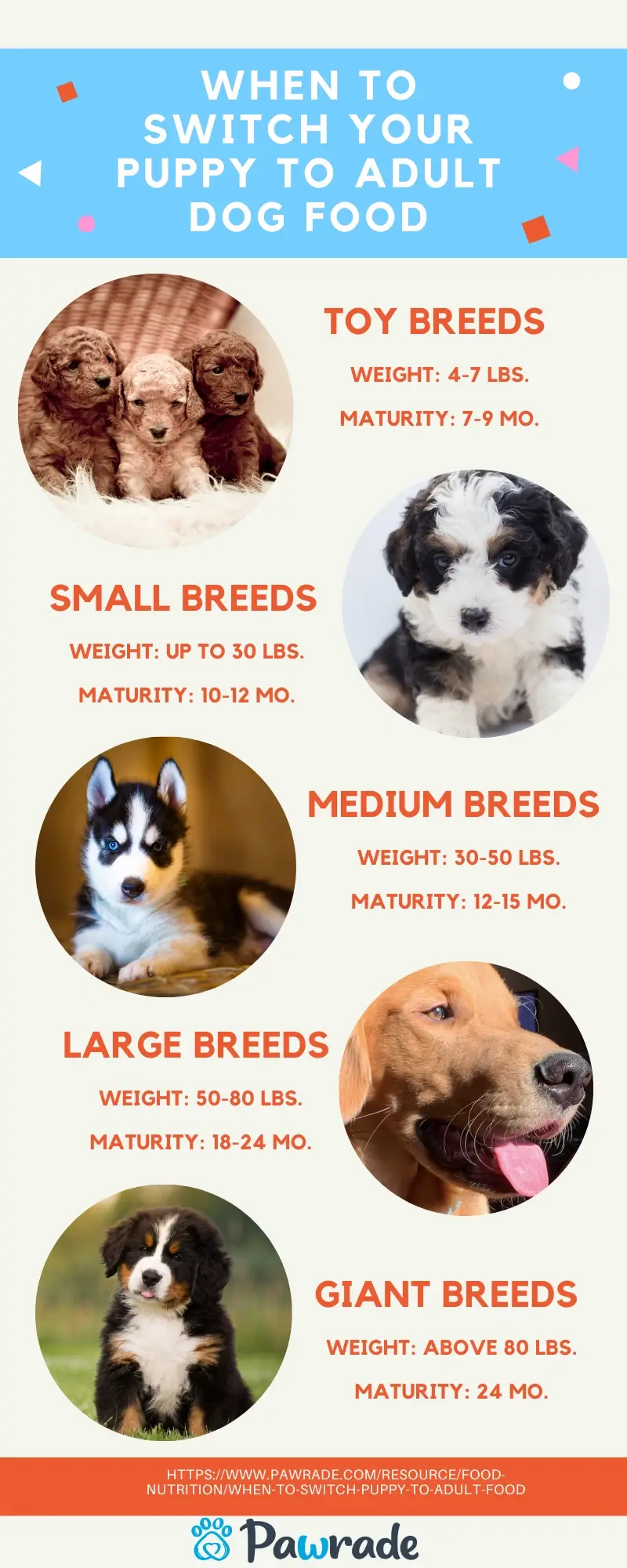
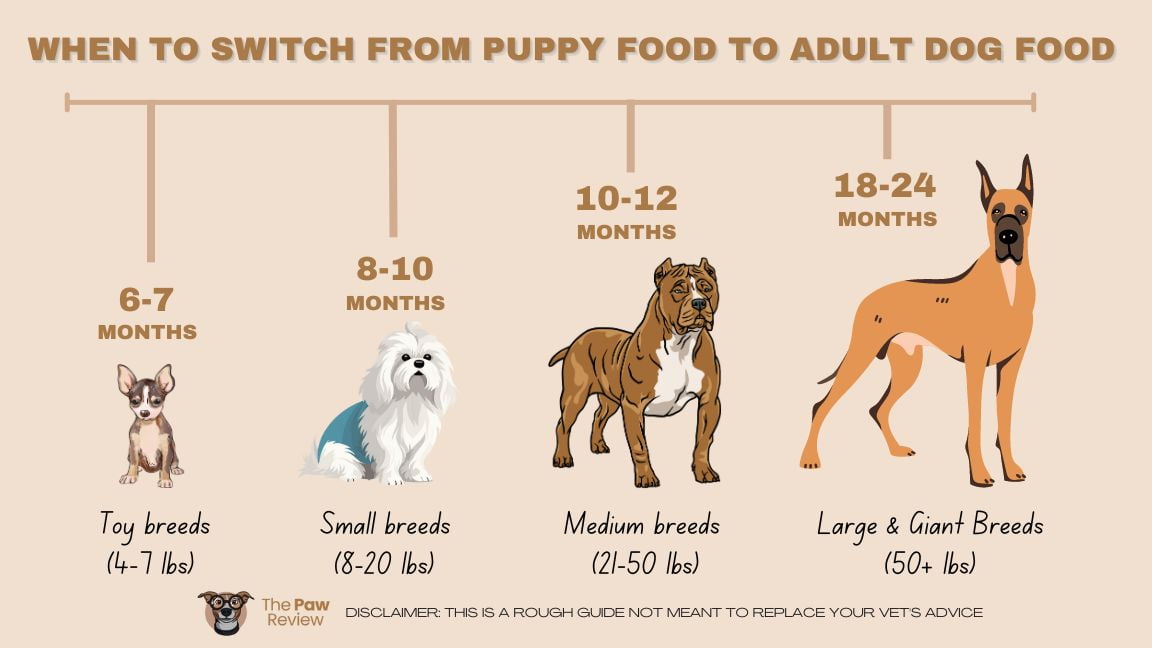
Puppies usually start eating adult food between 9 and 12 months old. Small breeds may switch earlier, around 9 months. Large breeds might take longer, up to 12 months or more. Check your puppy’s breed and size to guide timing.
Age is a simple way to know when to change food. But do not rely on age alone. Combine it with other signs for best results.
Physical Growth Indicators
Look for steady physical growth slowing down. Puppies stop growing quickly when they near adult size. Their bones become stronger and teeth fully develop. You may notice less puppy fat and more muscle tone.
These changes show your puppy is moving from growth stage to adult phase. At this point, adult dog food better fits their needs.
Behavioral Changes
Your puppy’s behavior also changes as they grow. They become calmer and less hyperactive. Play becomes less intense and shorter. Appetite may change, too, with less frequent hunger.
These shifts in behavior hint that your puppy’s body needs different nutrients. This is a good time to start adult food gradually.
Differences Between Puppy And Adult Food
Puppy food and adult dog food serve different purposes. Puppies need special nutrition to grow strong and healthy. Adult dogs need food that keeps them fit and active. Understanding these differences helps you choose the right food at the right time. This section explains the key differences between puppy and adult dog food.
Nutritional Needs
Puppies need more protein for muscle growth. They also require higher levels of vitamins and minerals. These nutrients support their developing bones and immune system. Adult dogs need balanced nutrition to maintain health. Their food has fewer nutrients for growth but enough for energy and repair.
Calorie Content
Puppy food contains more calories than adult food. Growing puppies use more energy each day. Extra calories help them build tissues and stay active. Adult dogs need fewer calories to avoid weight gain. Their slower metabolism requires less energy from food.
Ingredient Variations
Puppy food includes ingredients that are easy to digest. It often has more fats for energy and brain development. Adult dog food focuses on ingredients that support joint health. It may have added fiber to aid digestion. The ingredient mix changes to meet each life stage’s needs.
Choosing The Right Adult Dog Food
Switching your puppy to adult dog food is an important step. The right food supports healthy growth and energy levels. Choosing the correct adult food depends on several factors. These include your dog’s breed, size, and any special needs. Knowing how to read dog food labels helps you pick the best option. This guide will help you understand what to look for.
Breed And Size Considerations
Different breeds need different nutrients. Small breeds often have faster metabolisms. They may need food with more calories and fat. Large breeds grow slower and need food that supports joint health. Choose food made for your dog’s size. This ensures they get the right balance of nutrients.
Special Dietary Requirements
Some dogs have allergies or health problems. These need special diets. Your vet can help identify these needs. Food for sensitive stomachs or specific allergies is available. Older dogs may need food with fewer calories but more fiber. Tailoring food to your dog’s health keeps them strong.
Reading Dog Food Labels
Labels tell you what is inside the food. Look for real meat as the first ingredient. Avoid foods with too many fillers like corn or wheat. Check for added vitamins and minerals. These support your dog’s immune system and bones. Make sure the food meets AAFCO standards for adult dogs. This means it is complete and balanced.

Credit: www.iams.com
Transitioning Your Puppy’s Diet
Changing your puppy’s food is an important step. It helps your dog grow strong and stay healthy. Switching too fast can upset your puppy’s stomach. A smooth change helps your puppy adjust well to the new food.
Focus on a steady switch. Watch how your puppy reacts. This keeps your dog happy and healthy during the change.
Gradual Food Switching Tips
Start by mixing a small amount of adult food with puppy food. Increase the adult food over 7 to 10 days. Keep the total food amount the same. This avoids hunger or overeating. Watch your puppy eat and enjoy the food.
Managing Digestive Upset
Some puppies may get soft stools or diarrhea. This is common during food changes. Give your puppy smaller meals more often. Provide fresh water all the time. If upset lasts more than a few days, contact your vet.
Monitoring Your Dog’s Reaction
Look for changes in energy and mood. Check your puppy’s coat for shine and softness. Notice any vomiting or lack of appetite. These signs show how well your puppy handles the new food. Adjust the transition if needed to keep your dog comfortable.
Common Mistakes To Avoid
Switching a puppy to adult dog food is an important step. Many dog owners make mistakes during this change. These errors can affect your dog’s health and growth. Avoid common pitfalls to keep your dog healthy and happy.
Switching Too Early Or Late
Changing your puppy’s food too soon can cause digestion problems. Puppies need special nutrients to grow. Switching too late can lead to excess weight and poor health. Watch your puppy’s breed and size. These factors help decide the right time to switch.
Overfeeding During Transition
Some owners feed too much during the food change. Overfeeding can cause stomach upset and weight gain. Follow feeding guidelines on the food package. Gradually reduce puppy food while increasing adult food. This helps your dog’s stomach adjust smoothly.
Ignoring Veterinary Advice
Your vet knows what is best for your dog. Ignoring their advice risks health problems. Always ask your vet when to switch food. Share any concerns about your dog’s diet. Their guidance ensures a safe and healthy transition.
Credit: www.pawrade.com
Veterinarian Recommendations
Veterinarian recommendations play a key role in deciding when to switch your puppy to adult dog food. Vets have the knowledge and experience to guide you safely through this change. Their advice helps keep your dog healthy and happy during growth.
When To Consult Your Vet
Consult your vet before changing your puppy’s diet. Puppies grow at different rates. Some may need adult food earlier or later than others. Your vet can assess your dog’s size, breed, and health. They will tell you the best time to switch food. This reduces risks of digestive problems or poor nutrition.
Tailoring Food Choices To Health
Your dog’s health affects the type of adult food needed. Vets consider allergies, sensitivities, and medical conditions. They suggest food that supports your dog’s immune system and energy needs. Tailored food helps your dog stay strong and active. Your vet can recommend brands and formulas that suit your pet.
Regular Checkups During Transition
Regular vet checkups are important during the food switch. These visits track your dog’s weight and overall health. The vet can spot any issues early, like stomach upset or weight loss. They will adjust feeding advice based on progress. Checkups ensure the transition is smooth and safe for your dog.
Credit: paw-review.com
Frequently Asked Questions
When Is The Best Time To Switch Puppy To Adult Dog Food?
Switch your puppy to adult dog food around 12 months old. Large breeds may need to wait 18-24 months. This ensures proper growth and balanced nutrition for their adult stage.
How To Transition Puppy Food To Adult Dog Food?
Mix adult food gradually with puppy food over 7-10 days. Increase adult food amount daily while decreasing puppy food. This helps avoid digestive upset and allows your dog to adjust smoothly.
What Signs Show Puppy Is Ready For Adult Food?
Look for slower growth and adult teeth development. Your puppy will have stable weight and energy levels. These signs indicate readiness to switch to adult dog food for optimal health.
Can Switching Dog Food Too Early Cause Problems?
Yes, switching too early can lead to nutrient deficiencies. Puppies need higher calories and nutrients for growth. Premature change may cause digestive issues and stunted development.
Conclusion
Switching your puppy to adult dog food takes careful timing. Watch their size, weight, and energy changes closely. Most dogs switch around one year old, but some smaller breeds need longer. Choose food that fits their new needs. Gradually mix adult food with puppy food to avoid upset tummies.
Healthy growth depends on good nutrition at every stage. Trust your vet’s advice for the best switch plan. A smooth change helps your dog stay happy and strong. Keep learning about your dog’s health as they grow.


