

Are you wondering if it’s okay to feed your adult dog puppy food? You’re not alone.
Many dog owners ask this question because they want the best for their furry friends. But is puppy food really suitable for an adult dog’s health and energy needs? What could happen if you make this switch? Keep reading to discover the surprising facts that could change how you feed your dog and keep them happy and healthy for years to come.
Credit: www.gallant.com
Differences Between Puppy And Adult Dog Food
Understanding the differences between puppy and adult dog food is important for your pet’s health. Each type of food supports different stages of growth and activity. Choosing the right food helps your dog stay strong and happy.
Puppy food is designed for growing dogs. Adult dog food meets the needs of mature dogs. Both have unique ingredients and nutrient levels.
Nutritional Needs Of Puppies
Puppies need more calories to fuel their rapid growth. Their food contains higher protein and fat levels. These nutrients help build muscles and support brain development. Puppies also need extra vitamins and minerals for strong bones and teeth.
Nutritional Needs Of Adult Dogs
Adult dogs need fewer calories to maintain a healthy weight. Their food has balanced protein and fat to keep muscles and energy steady. Adults require nutrients that support joint health and digestion. Too many calories or rich nutrients can cause weight gain.
Key Ingredient Variations
Puppy food has more protein, fat, and calories than adult food. It often includes DHA, an omega-3 fatty acid for brain growth. Adult food contains fiber to aid digestion and fewer calories. Ingredients focus on maintaining health rather than growth.
Potential Risks Of Feeding Puppy Food To Adult Dogs
Feeding puppy food to adult dogs may seem harmless. Puppy food is rich and designed for growing pups. Adult dogs have different nutritional needs. Using puppy food for adults can cause health problems. Understanding these risks helps keep dogs healthy and happy.
Weight Gain And Obesity
Puppy food has more calories than adult dog food. Adult dogs eating puppy food may gain weight fast. Extra calories turn into fat easily. Obesity can lead to joint pain and lower energy. Overweight dogs have shorter lifespans and more health issues.
Digestive Issues
Puppy food is richer in nutrients and fats. Adult dogs might find it hard to digest. This can cause upset stomach, diarrhea, or vomiting. Sensitive dogs are more likely to suffer from these issues. Proper food supports healthy digestion and nutrient absorption.
Long-term Health Concerns
Feeding puppy food long term can harm adult dogs. Excess nutrients stress the kidneys and liver. Imbalanced diets may lead to nutrient deficiencies or excesses. Over time, this affects heart health and bone strength. Balanced adult dog food helps maintain overall wellbeing.
Situations When Puppy Food Might Be Suitable
Feeding adult dogs puppy food is not common advice. Puppy food has extra calories and nutrients for growth. Adult dogs usually need fewer calories. Still, some situations exist where puppy food may help. These cases involve special needs or health issues. Understanding these helps decide the right diet for your dog.
Senior Dogs With Special Needs
Older dogs can lose weight and muscle. Their bodies may need more protein and fat. Puppy food offers higher nutrients that support energy. It can help maintain muscle and keep seniors active. Always watch for digestive issues when changing food.
Underweight Adult Dogs
Some adult dogs struggle to gain weight. Puppy food can provide extra calories for healthy weight gain. It also contains nutrients that support body repair. Feeding puppy food for a short time may improve their condition. Monitor weight and adjust food as needed.
Dogs Recovering From Illness
Sick dogs often need more nutrition to heal. Puppy food’s rich ingredients support recovery and immune health. It helps rebuild strength after illness or surgery. Use puppy food temporarily under veterinary advice. Proper feeding aids faster healing and better outcomes.
Expert Recommendations For Feeding Adult Dogs
Feeding adult dogs the right food is important for their health and happiness. Experts suggest choosing food based on your dog’s age, size, and activity. Adult dogs have different needs than puppies. Puppy food may have too many calories and nutrients for grown dogs.
Understanding expert advice helps keep your dog fit. Proper feeding supports their energy and weight. It also helps avoid health problems over time.
Choosing The Right Food
Select a food made for adult dogs. These foods have balanced nutrients for maintenance, not growth. Look for high-quality ingredients like real meat and whole grains. Avoid foods with too many fillers or artificial additives. Consult your vet to find the best brand and formula. Special diets may be needed for sensitive stomachs or allergies.
Portion Control Tips
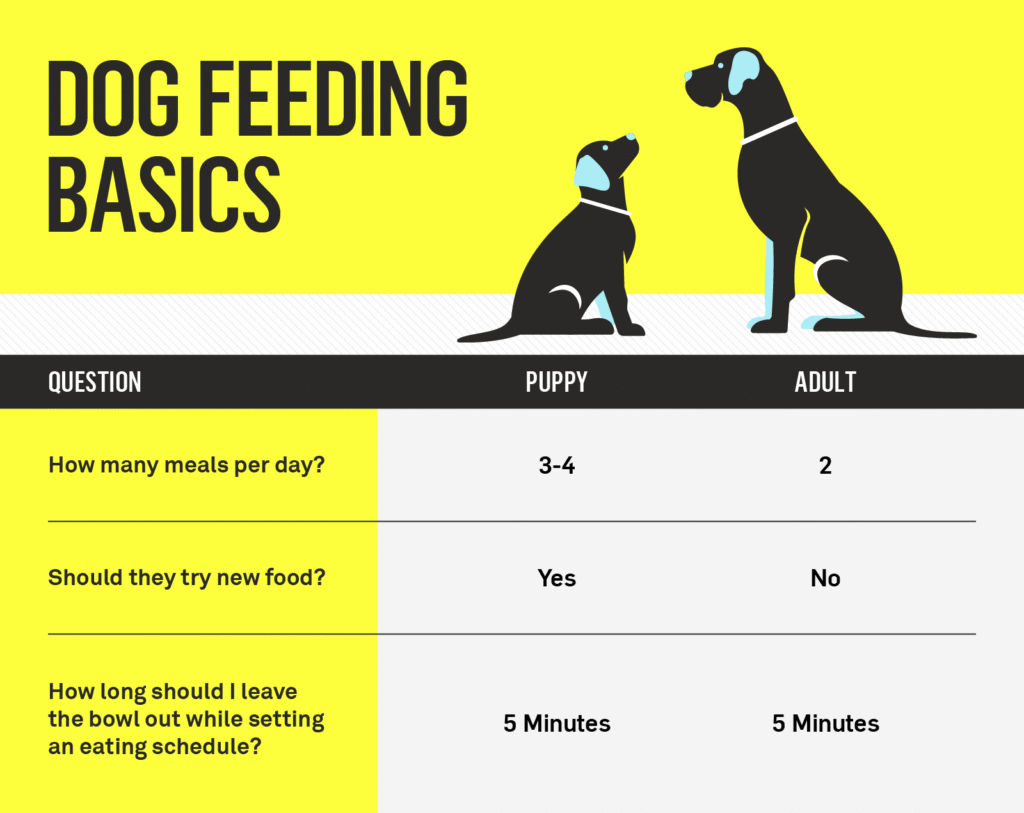
Feed your dog the right amount based on their weight and activity level. Overfeeding can cause obesity and joint problems. Use the feeding guide on the dog food package as a start. Adjust portions if your dog gains or loses weight. Divide meals into two or three servings daily. Avoid giving too many treats or human food. Consistent portions help keep your dog’s weight steady.
Monitoring Your Dog’s Health
Watch your dog’s weight and energy each day. Check for changes in coat, skin, and behavior. Sudden weight gain or loss needs a vet check. Regular vet visits can catch health issues early. Keep track of your dog’s stool quality and appetite. Healthy dogs are active, alert, and maintain a good weight. Early action helps your dog live longer and feel better.
Transitioning From Puppy Food To Adult Food
Transitioning from puppy food to adult food is an important step in your dog’s growth. Puppy food has more calories and nutrients to support fast growth. Adult dog food meets the needs of a fully grown dog. Changing the diet at the right time helps keep your dog healthy and active.
Making the switch too early or too late can cause stomach problems or poor health. Follow a careful process to help your dog adjust smoothly to new food. Watch your dog’s behavior and health to know the best time to change the diet.
When To Make The Switch
Most dogs switch to adult food between 9 and 12 months old. Large breeds might need puppy food longer, sometimes up to 18 months. Small breeds usually change earlier. Ask your vet about the best time for your dog.
Look for signs like slower growth and less energy need. Once growth slows, your dog needs fewer calories. Adult food helps keep weight steady and supports long-term health.
Step-by-step Transition Process
Start by mixing 25% adult food with 75% puppy food. Do this for three days. Then increase adult food to 50% and reduce puppy food to 50%. Continue for another three days.
Next, mix 75% adult food and 25% puppy food for three days. After that, feed only adult food. This slow change helps your dog’s stomach adjust. Watch for any signs of upset or refusal.
Signs Your Dog Is Ready
Your dog may show less need for extra calories. Weight may stay steady without extra food. Energy levels will match a mature dog’s activity. Healthy coat and good digestion are good signs too.
If your dog eats well and has no stomach issues, it is ready. Consult your vet for advice if unsure. A smooth transition sets your dog up for a healthy adult life.
Credit: blog.justfoodfordogs.com
Credit: www.acanapetfoods.co.uk
Frequently Asked Questions
Can Adult Dogs Eat Puppy Food Safely?
Adult dogs can eat puppy food occasionally, but it’s not ideal long-term. Puppy food has extra calories and nutrients meant for growth, which may cause weight gain in adults.
What Happens If Adult Dogs Eat Puppy Food Regularly?
Regular feeding of puppy food to adults can lead to obesity and digestive issues. The excess nutrients may strain their organs and disrupt balanced nutrition.
When Should I Switch My Dog From Puppy Food?
Switch your dog to adult food around 12 months old. Large breeds may need up to 18 months. This ensures balanced nutrition for their growth stage.
Is Puppy Food More Expensive Than Adult Dog Food?
Puppy food is often pricier due to higher protein and nutrient content. Feeding adults puppy food regularly can increase your pet food expenses unnecessarily.
Conclusion
Feeding adult dogs puppy food is not the best choice. Puppy food has more calories and nutrients meant for growing pups. Adult dogs may gain extra weight or have digestive issues. Choose a balanced diet made for adult dogs instead.
Always check with your vet before changing food. Your dog’s health depends on proper nutrition and care. Keep meals suited to their age and needs. This helps your dog stay happy and strong for years.


