

Have you ever wondered if your dog’s food is truly the best choice for their health? Choosing the right diet can make a huge difference in your dog’s energy, coat, and overall happiness.
A grain free diet might be the key you’ve been missing. If you want to see your furry friend thrive and avoid common health issues, keep reading. This guide will show you why switching to a grain free diet could be the best decision for your dog’s well-being.
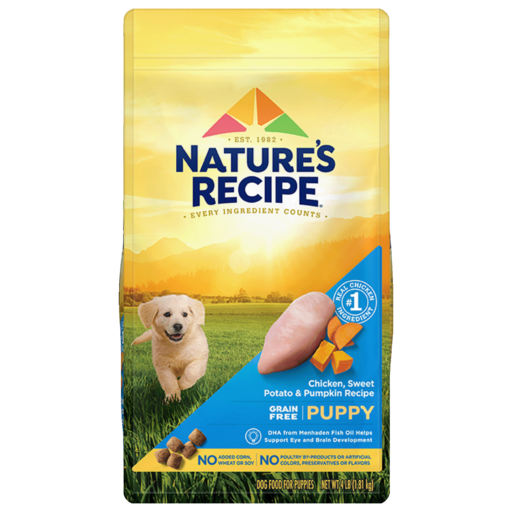
Credit: www.naturesrecipe.com
Grain Free Diet Basics
A grain free diet for dogs removes certain grains from their food. Many pet owners choose this diet to support better digestion and overall health. Dogs can have allergies or sensitivities to some grains. A grain free diet aims to avoid these issues.
This diet focuses on using alternative ingredients that provide good nutrition without grains. Understanding the basics helps pet owners make informed choices for their dogs’ meals.
What Is Grain Free Dog Food
Grain free dog food contains no wheat, corn, rice, or barley. It uses other sources of carbohydrates and nutrients instead. The food is made to meet all the dog’s dietary needs. It often suits dogs with allergies or sensitive stomachs.
Common Grains Avoided
Wheat, corn, and soy are the most common grains left out. Rice and barley are also avoided. These grains can cause allergic reactions or digestive problems. Removing them helps reduce the chance of these issues.
Ingredients Used Instead
Grain free dog food uses potatoes, peas, or lentils for energy. These ingredients are easier to digest for some dogs. Meat, fish, and vegetables provide protein and vitamins. This mix supports a balanced, healthy diet.
Credit: www.poochandmutt.co.uk
Health Benefits For Dogs
Choosing a grain free diet can bring many health benefits for dogs. This type of diet focuses on natural ingredients that support their body functions well. Dogs often feel better and more energetic on grain free food. The changes go beyond just energy levels.
Many dog owners see clear improvements in their pet’s health. This includes digestion, skin condition, and allergy symptoms. These benefits help dogs live happier and healthier lives.
Improved Digestion
Grain free diets are easier for dogs to digest. Grains can cause stomach upset and gas in some dogs. Removing grains reduces digestive stress and discomfort. This leads to better nutrient absorption and less stomach trouble. Dogs often have firmer stools and less bloating.
Reduced Allergies
Grain allergies are common in dogs. Symptoms include itching, sneezing, and ear infections. Grain free diets lower the risk of allergic reactions. This helps dogs feel more comfortable daily. It also reduces the need for medication to control allergies.
Better Skin And Coat
Healthy skin and a shiny coat show a dog’s overall health. Grain free food often contains more quality proteins and fats. These nutrients support skin repair and coat shine. Dogs on grain free diets usually have less itching and dry skin. Their fur looks smoother and glossier.
Energy And Vitality Boost
A grain free diet can help dogs feel more energetic and lively. It supports their body to use food better and keep energy steady. Dogs often show more excitement and enjoy playtime more with this diet.
Enhanced Nutrient Absorption
Grain free diets often contain higher quality ingredients. These ingredients are easier for dogs to digest. Better digestion means dogs absorb more vitamins and minerals. This leads to improved health and strength.
Sustained Energy Levels
Without grains, dogs avoid sudden energy drops. The diet provides steady fuel from proteins and fats. This keeps energy levels stable throughout the day. Dogs feel less tired and more alert.
Increased Activity And Playfulness
More energy means dogs want to move and play. They become more active and enjoy exercise. This boost in playfulness helps dogs stay fit and happy.
Who Should Try Grain Free
Choosing the right diet for your dog is important for their health and happiness. A grain free diet can be helpful for certain dogs. It suits those with special needs or specific health issues. Understanding who benefits most helps you make better food choices for your pet.
Dogs With Grain Sensitivities
Some dogs cannot digest grains well. They may have allergies or sensitivities to wheat, corn, or rice. Signs include itching, skin rashes, and stomach upset. Grain free food avoids these triggers. It provides proteins and nutrients without causing discomfort.
Picky Eaters And Digestive Issues
Dogs that refuse to eat or have tummy problems might try grain free diets. Grain free food often tastes better to them. It is easier to digest and less likely to cause gas or diarrhea. This helps improve appetite and digestive health over time.
Active And Working Dogs
Active dogs need high energy and good nutrition. Grain free diets usually contain more protein and fat. These nutrients support muscle strength and endurance. Grain free food helps working dogs stay fit and energized for their tasks.
Choosing The Right Grain Free Food
Choosing the right grain free food for your dog is important. Not all grain free foods are the same. Some have better ingredients and nutrients than others. Knowing what to look for helps you pick a healthy option. This section explains how to read labels, balance protein and fat, and avoid fillers and additives.
Reading Labels Carefully
Check the ingredient list first. The main ingredient should be a good source of protein like chicken, beef, or fish. Avoid foods that list too many unknown or hard-to-pronounce ingredients. Look for natural ingredients. Avoid artificial colors, flavors, or preservatives. Make sure the food does not contain hidden grains like corn or wheat.
Balancing Protein And Fat
Protein is essential for your dog’s muscles and energy. Fat helps with healthy skin and a shiny coat. Choose foods with a good balance of both. Too much fat can cause weight gain. Too little protein may not support your dog’s health. Aim for a diet that supports your dog’s size, age, and activity level.
Avoiding Fillers And Additives
Fillers add bulk but little nutrition. Common fillers include soy, corn, and wheat. These can cause allergies or digestion issues. Additives may change taste or shelf life but can harm health. Look for foods free from artificial additives. Choose options with natural vitamins and minerals instead.
Potential Risks And Considerations
Choosing a grain free diet for your dog has become popular. Many believe it helps with allergies and digestion. Still, this diet may not suit every dog. Some risks and important points need attention before making the switch.
Nutritional Balance Concerns
Grains provide essential nutrients like fiber and vitamins. Removing them can cause missing nutrients. Some grain free foods replace grains with other ingredients. These might not provide the same nutrition. Dogs need a balanced diet for health and energy. Poor balance can lead to health problems over time.
Consulting Your Veterinarian
Talk to your vet before changing your dog’s diet. Vets know about your dog’s health history. They can suggest if a grain free diet is safe. They may recommend tests to check allergies or sensitivities. Vets can help find the best diet for your dog’s needs.
Monitoring Dog’s Response
Watch your dog closely after changing food. Look for changes in skin, coat, and energy. Digestive health is important to check as well. Diarrhea or vomiting can signal problems. Keep track of weight and appetite too. Adjust the diet if you notice negative effects.
Transitioning To Grain Free Diet
Switching your dog to a grain free diet needs care and patience. Sudden changes can upset your dog’s stomach and cause discomfort. A smooth transition helps your pet adjust to new food easily. It also allows you to watch for any reactions or health changes. Follow clear steps to make the change safe and effective.
Gradual Food Changes
Start by mixing a small amount of grain free food with the old food. Increase the new food slowly over 7 to 10 days. This helps your dog’s digestive system get used to the new diet. Watch for signs like vomiting or diarrhea. If they appear, slow down the change process.
Tracking Health Improvements
Keep an eye on your dog’s energy and coat condition. Grain free diets can improve skin, reduce itching, and boost energy. Note any positive changes during the transition. Use a journal or app to track progress. This helps you see if the new diet works well.
Adjusting Portions And Frequency
Grain free food may have different calorie levels. Adjust the portion size to keep your dog’s weight steady. Feed smaller meals more often if needed. Watch your dog’s hunger and fullness signals. Proper portion helps avoid weight gain or loss.
Credit: www.aspca.org
Frequently Asked Questions
What Are The Benefits Of A Grain Free Diet For Dogs?
A grain free diet can improve digestion, reduce allergies, and promote healthier skin. It helps dogs with grain sensitivities avoid inflammation and discomfort. Many owners notice better energy levels and coat shine after switching to grain free food.
Is A Grain Free Diet Suitable For All Dog Breeds?
Grain free diets benefit dogs with allergies or grain intolerances. However, not all breeds require it. Consult your vet before switching, as some dogs digest grains well and need balanced nutrition for overall health.
Can Grain Free Diets Help With Dog Allergies?
Yes, grain free diets can reduce allergic reactions in dogs sensitive to grains. Removing grains often decreases itching, redness, and digestive upset. It’s an effective approach for managing food allergies but should be tailored to your dog’s needs.
Are Grain Free Dog Foods Nutritionally Complete?
Grain free dog foods are formulated to meet all nutritional needs without grains. They use alternative carbohydrates like sweet potatoes or peas. Always check labels to ensure the diet provides balanced vitamins, minerals, and protein for your dog.
Conclusion
Choosing a grain free diet can help dogs with allergies and digestion. Many dogs feel better with fewer grains in their food. This diet often uses natural ingredients that support overall health. Always watch your dog’s reaction when switching foods.
Talk to a vet to find the best diet for your pet. Grain free options are worth trying for a healthier, happier dog. Simple changes can make a big difference. Give your dog the care it deserves.


