

Are you wondering if it’s okay to feed your adult dog puppy food? You might think that puppy food is just a bit more nutritious, so it should be fine, right?
But what if giving your dog the wrong food could actually harm their health or cause problems down the road? Understanding the difference between puppy and adult dog food is key to keeping your furry friend happy and healthy. Keep reading to find out why this matters and what you should really be feeding your dog.
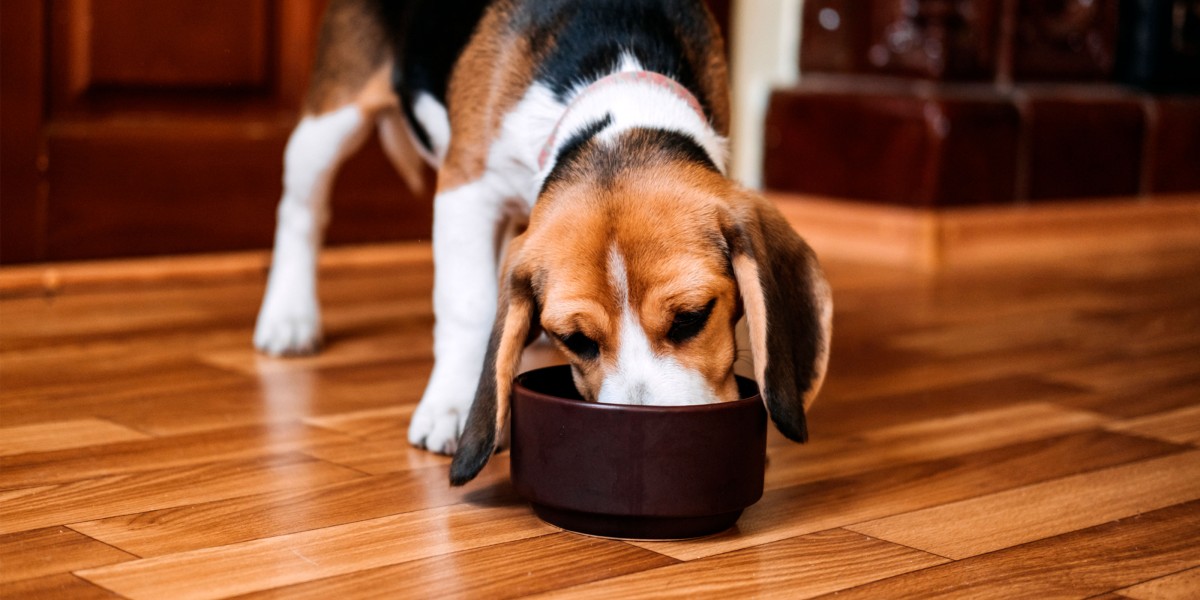
Credit: www.purina.com
Differences Between Puppy And Adult Dog Food
Understanding the differences between puppy and adult dog food is important. Each type of food supports a dog’s health at different life stages. Puppies need more nutrients to grow strong and healthy. Adult dogs require food that maintains their health and energy.
Nutritional Needs Of Puppies
Puppies need extra protein and fat to support growth. Their bodies develop muscles, bones, and organs quickly. They also require more calories per pound than adult dogs. Nutrients like calcium and DHA help with bone and brain development. Puppy food is designed to meet these higher needs.
Nutritional Needs Of Adult Dogs
Adult dogs need balanced nutrition to stay healthy and active. They require fewer calories than puppies to avoid weight gain. Protein supports muscle maintenance, but in smaller amounts. Adult dog food focuses on keeping joints, skin, and coat healthy. It also contains nutrients to support digestion and immune health.
Key Ingredient Variations
Puppy food contains more fat and protein than adult food. It often includes extra vitamins and minerals for growth. Adult food has controlled fat levels to prevent obesity. Fiber content in adult food helps with digestion and weight control. Ingredients in each type are chosen to match the dog’s life stage needs.
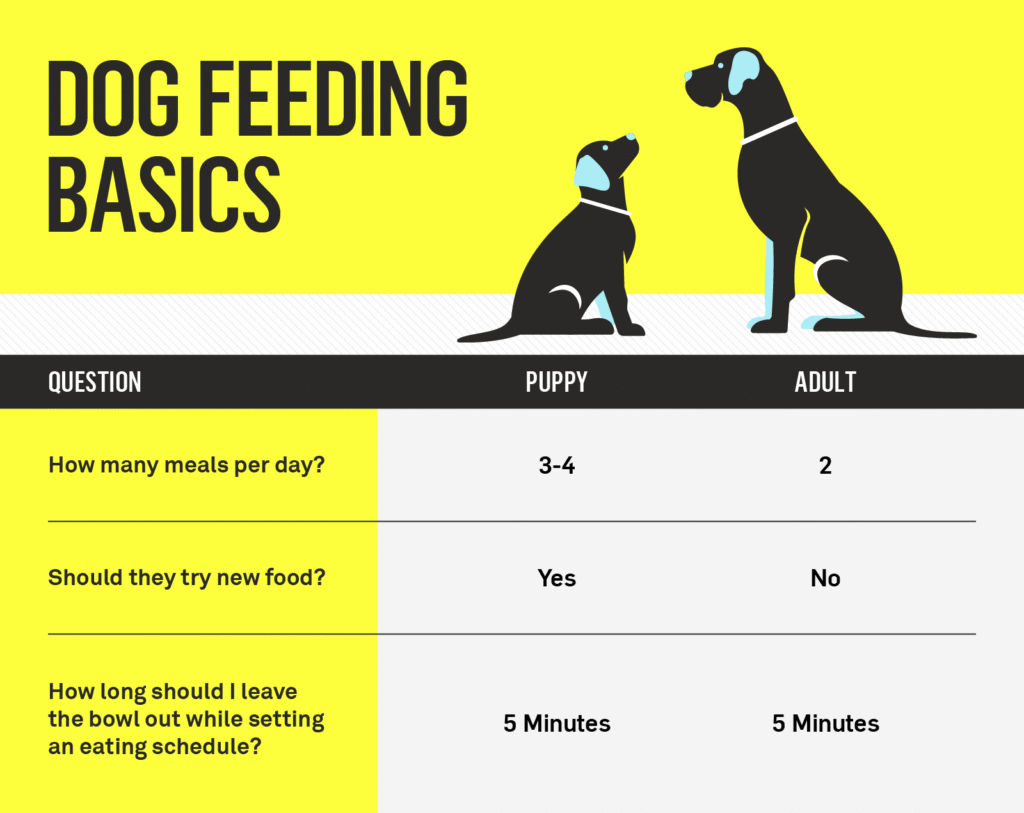
Credit: www.gallant.com
Potential Effects Of Feeding Puppy Food To Adult Dogs
Feeding puppy food to adult dogs can cause some problems. Puppy food has more calories and nutrients than adult dog food. This difference can affect your dog’s health in many ways. Understanding these effects helps you make the right choice for your dog’s diet.
Weight Gain And Obesity Risks
Puppy food is rich in fats and calories. Adult dogs need fewer calories to stay healthy. Eating puppy food regularly can lead to weight gain. Extra weight puts stress on joints and organs. Obesity can cause serious health issues over time. Careful portion control may not be enough to prevent these risks.
Digestive Concerns
Puppy food has more protein and fats to support growth. Adult dogs may find it hard to digest these nutrients. This can lead to stomach upset or diarrhea. Changes in stool and digestive discomfort are common. Long-term feeding might disturb your dog’s gut health. A diet suited to their age supports better digestion.
Impact On Energy Levels
Puppy food fuels high energy needs of growing dogs. Adult dogs have lower energy requirements. Too much energy from puppy food can make dogs restless. Some dogs might feel hyperactive or anxious. Others may become tired due to poor digestion. Balanced food helps maintain steady energy throughout the day.
When Puppy Food Might Be Suitable For Adult Dogs
Puppy food has more calories and nutrients than adult dog food. This makes it richer and denser in energy. Sometimes, adult dogs need this extra nutrition. Certain health conditions or life stages require more calories and nutrients than normal adult food offers.
Feeding puppy food to an adult dog is not always wrong. It depends on the dog’s needs. Here are some cases when puppy food might be suitable for adult dogs.
Underweight Or Malnourished Dogs
Underweight dogs need extra calories to gain weight. Puppy food has more fat and protein. This helps dogs build muscle and recover strength. Malnourished dogs also benefit from the extra vitamins in puppy food. It supports their overall health and healing.
Pregnant Or Nursing Dogs
Pregnant or nursing dogs require more nutrition. Puppy food provides higher energy and nutrients. This supports the mother and her puppies. It helps maintain milk production and the dog’s health. Feeding puppy food supports growth and development during this demanding time.
High-activity Or Working Dogs
Dogs with high activity need more energy. Working dogs burn more calories daily. Puppy food offers the extra fuel they need. It helps keep their energy levels high and muscles strong. This food supports stamina and endurance during long work or exercise.
Signs Your Adult Dog Needs A Different Diet
Adult dogs need the right diet to stay healthy and happy. Sometimes, their current food may no longer suit their needs. Changes in their body or behavior can signal it is time for a new diet. Knowing these signs helps you give your dog the best care possible.
Changes In Coat And Skin Health
A dull coat or dry skin can mean your dog needs different food. Look for flaky skin or more scratching than usual. Healthy skin and shiny fur show a good diet. Poor coat condition may signal missing nutrients or allergies.
Behavioral And Energy Shifts
Notice any drop in energy or mood changes? Less playfulness or more tiredness can mean the diet lacks what your dog needs. A healthy diet supports activity and alertness. Sudden behavior changes often link to nutrition problems.
Veterinary Recommendations
Your vet knows your dog’s health best. Regular check-ups can spot diet problems early. Vets may suggest food changes for weight, allergies, or health issues. Follow their advice to keep your dog strong and well.
Tips For Transitioning Between Dog Foods
Changing your dog’s food needs care and patience. Sudden switches can upset their stomach. Follow these tips to help your dog adjust smoothly. A good transition keeps your dog happy and healthy.
Gradual Food Changes
Start by mixing a small amount of new food with the old one. Slowly increase the new food over 7 to 10 days. This helps your dog’s digestive system adapt. Avoid switching all at once. This prevents stomach pain and diarrhea.
Monitoring Digestive Responses
Watch your dog closely during the change. Check for signs like vomiting, diarrhea, or loss of appetite. Mild changes are normal, but severe symptoms need attention. Note any behavior changes too. Early detection helps prevent bigger problems.
Consulting A Veterinarian
Ask your vet before changing your dog’s food. They know what suits your dog’s health best. Your vet can recommend the right diet and transition plan. This is especially important for dogs with health issues. Professional advice ensures safe food changes.
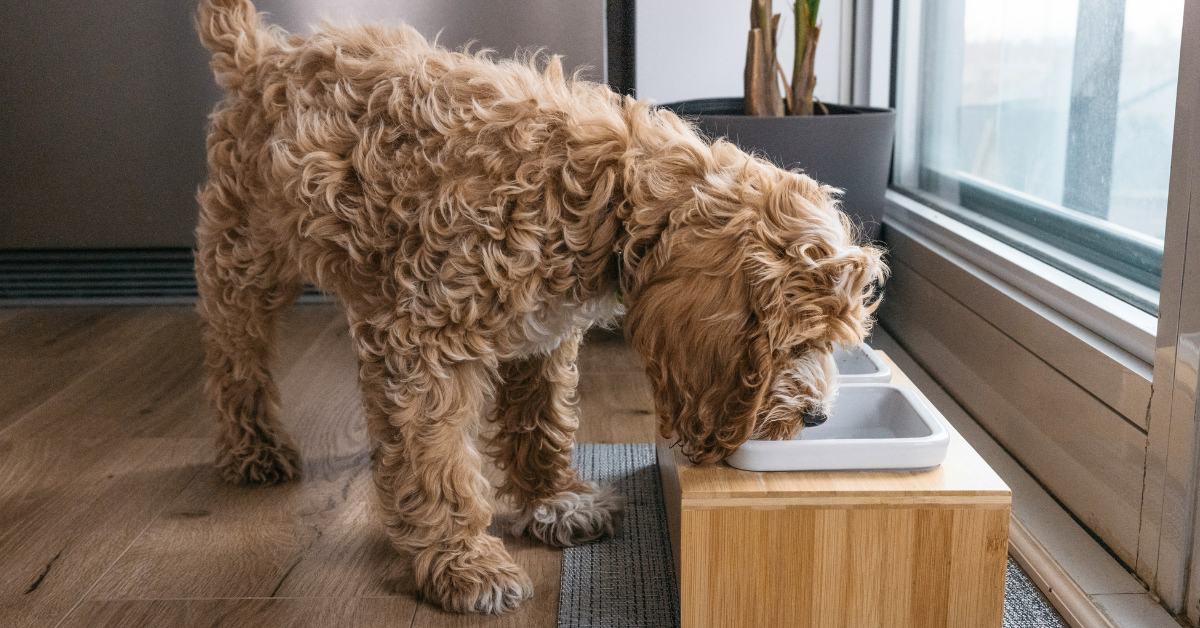
Credit: www.acanapetfoods.co.uk
Frequently Asked Questions
Can Adult Dogs Safely Eat Puppy Food Occasionally?
Adult dogs can eat puppy food occasionally, but it’s not ideal. Puppy food has extra calories and nutrients for growth. Feeding it long-term may cause weight gain or nutrient imbalance in adults. Use adult dog food for balanced nutrition suited to their needs.
What Are The Risks Of Feeding Adult Dogs Puppy Food?
Puppy food is richer in fats and proteins, which can cause obesity in adult dogs. It may also lead to digestive upset or nutritional imbalances. Consistent feeding of puppy food is not recommended for adult dogs unless directed by a vet.
When Is It Okay To Give Adult Dogs Puppy Food?
Adult dogs may get puppy food temporarily during recovery or vet recommendation. It helps provide extra nutrients and calories for healing or weight gain. Always consult a veterinarian before making diet changes for your adult dog.
How Does Puppy Food Differ From Adult Dog Food?
Puppy food contains higher protein, fat, and calorie levels to support growth. Adult dog food has balanced nutrients for maintenance and overall health. The formulations address different life stage requirements, making each type unique and necessary.
Conclusion
Adult dogs need food made for their age and size. Puppy food has extra nutrients meant for growing dogs. Feeding adult dogs only puppy food can cause weight gain and stomach problems. A balanced diet helps keep dogs healthy and active.
Always check your dog’s needs with a vet. Choose food that fits your dog’s life stage. This keeps your dog happy and strong. Careful feeding shows you love your pet. Simple choices make a big difference in your dog’s health.

