

Are you wondering if it’s okay to feed your puppy adult dog food? You’re not alone.
Many pet owners ask this question because they want the best for their furry friend. What you feed your puppy now can shape their health and growth for years to come. But is adult dog food really safe or healthy for your little one?
Keep reading to find out the surprising facts that could make a big difference in your puppy’s life. Don’t risk your puppy’s well-being—learn what you need to know right now.
Nutritional Needs Of Puppies
Puppies need special nutrition to grow strong and healthy. Their bodies change fast in the first months. Good food supports their bones, muscles, and brain development. Feeding the right diet helps puppies reach their full potential. Adult dog food may lack some nutrients that puppies need now.
Growth Requirements
Puppies grow rapidly in the first year. They need extra calories for energy and growth. Their bones and muscles form quickly and require proper support. A diet rich in protein and fat helps build strong muscles. Puppies also need more vitamins and minerals than adult dogs. These nutrients help their bodies develop without problems.
Key Nutrients For Development
Protein is the building block for muscles and tissues. Puppies need high-quality protein sources. Fat provides energy and supports brain growth. Calcium and phosphorus are essential for strong bones and teeth. DHA, a type of omega-3 fatty acid, helps brain and eye development. Vitamins like A, D, and E protect health and boost immunity. Adult dog food might not have these nutrients in the right amounts.
Differences Between Puppy And Adult Dog Food
Puppies need special food to grow healthy and strong. Adult dog food does not meet these needs. The main differences between puppy and adult dog food lie in their nutrition. Understanding these differences helps you make the right choice for your puppy’s diet.
Calorie Content
Puppy food has more calories than adult dog food. Puppies burn a lot of energy while growing. They need extra calories to support their active bodies. Adult dogs require fewer calories to maintain their weight. Feeding adult food to puppies may not provide enough energy.
Protein And Fat Levels
Puppy food contains higher protein and fat amounts. Protein helps build muscles and tissues. Fat gives puppies energy and supports brain development. Adult dog food has lower protein and fat because adult dogs need less. Feeding adult food to puppies may slow down their growth.
Vitamin And Mineral Balance
Puppy food has a special mix of vitamins and minerals. These nutrients support bone growth and the immune system. Calcium and phosphorus levels are carefully balanced for puppies. Adult dog food focuses on maintaining health, not growth. Using adult food can cause nutrient imbalances in puppies.
Risks Of Feeding Adult Food To Puppies
Feeding adult dog food to puppies can cause several problems. Puppies need special nutrients to grow healthy and strong. Adult dog food does not meet these needs. This section explains the risks of feeding adult food to puppies.
Nutritional Deficiencies
Puppies need more protein, fat, and calories than adult dogs. Adult food lacks these higher levels. Missing these nutrients can lead to weak muscles and poor development. Vitamins and minerals in adult food may also be too low for puppies.
Impact On Growth And Health
Puppies grow fast and need balanced nutrition. Feeding adult food can slow their growth. Bones and joints may not develop properly. This can cause long-term health problems. The wrong diet can also weaken the immune system.
Digestive Issues
Puppies have sensitive stomachs. Adult food can be hard to digest for them. This can cause diarrhea, vomiting, or stomach pain. Poor digestion also means puppies do not get enough nutrients. Digestive problems can make puppies feel tired and sick.
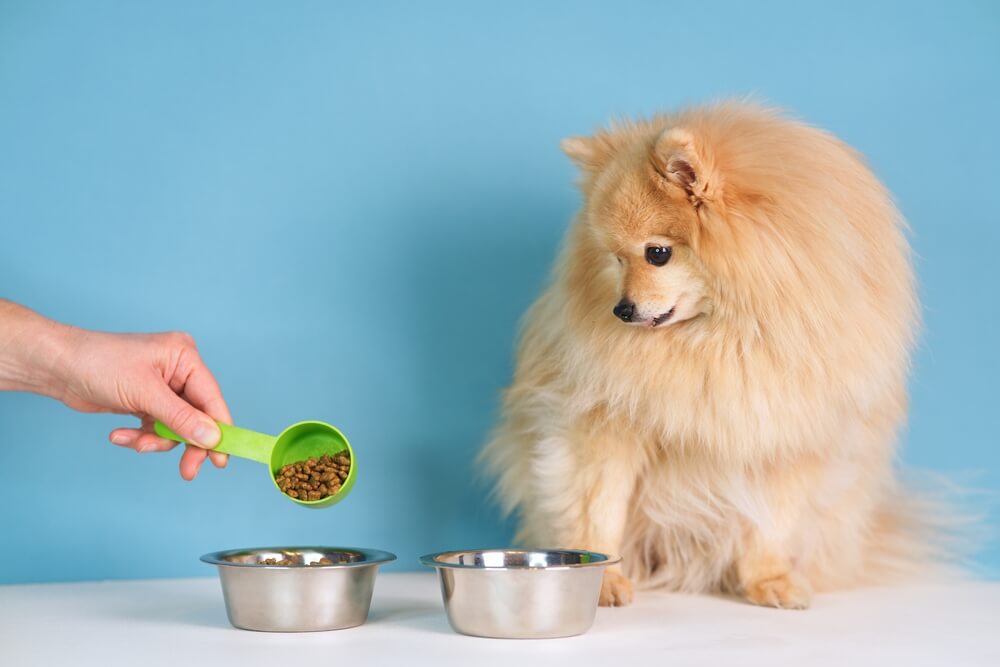
Credit: www.raisedrightpets.com
When Adult Dog Food Might Be Appropriate
Puppies need special nutrients to grow strong and healthy. Adult dog food may not have all these nutrients. Still, there are times when feeding adult food to a puppy can be okay. Understanding these moments helps you choose the best diet for your puppy’s needs.
Some puppies grow faster or have special health needs. In these cases, adult dog food might suit them better. Also, the right timing and method make the change safer and easier for your puppy’s body.
Transitioning Between Foods
Switching from puppy food to adult food should be slow and steady. Start by mixing a small amount of adult food with puppy food. Increase the adult food portion over 7 to 10 days. This process helps avoid stomach upset. Watch your puppy for any changes in appetite or digestion.
Veterinary Recommendations
A vet can tell if adult dog food fits your puppy’s health. Puppies with slow growth or certain illnesses may need adult food. The vet may suggest supplements to balance the diet. Always follow the vet’s advice to keep your puppy safe and healthy.
Tips For Choosing The Right Puppy Food
Choosing the right food for a puppy is important for healthy growth. Puppies need different nutrients than adult dogs. The right food helps build strong bones, muscles, and keeps their energy high. Here are some tips to select the best food for your puppy.
Reading Labels
Check the food label carefully. Look for words like “complete and balanced.” This means the food meets the needs of puppies. Make sure it contains enough protein, fat, and vitamins. Avoid foods with too many fillers or artificial ingredients. The label also shows the age group the food is made for.
Consulting Professionals
Ask your vet for advice. They know what your puppy needs. Tell them about your puppy’s health and habits. A vet can recommend foods that fit your puppy’s diet. Some puppies have allergies or special needs. Experts help you avoid problems and keep your puppy healthy.
Considering Breed And Size
Different breeds and sizes need different foods. Small breeds may need food with more calories. Large breeds need food that supports bone growth. Puppies grow fast, but they grow in different ways. Choose food made for your puppy’s breed size. This helps them grow strong and healthy.

Credit: www.rover.com
Homemade Vs Commercial Puppy Food
Choosing the right food for your puppy is important for their growth. Many pet owners debate between homemade and commercial puppy food. Both options have unique benefits and challenges. Understanding these differences helps you make the best choice for your puppy’s health.
Pros And Cons
Homemade food allows control over ingredients. You can avoid fillers and preservatives. It may suit puppies with allergies better. Cooking food fresh can also be more appealing to some dogs.
Making homemade food takes time and effort. Balancing nutrients is hard without expert advice. Missing key vitamins can hurt your puppy’s growth.
Commercial puppy food is easy to use and store. It is made to meet nutritional standards. Many brands offer formulas for specific needs.
Some commercial foods contain fillers and artificial additives. Quality varies between brands. Some dogs may not like the taste.
Ensuring Balanced Nutrition
Puppies need protein, fats, vitamins, and minerals in the right amounts. Commercial foods usually meet these needs by law. They undergo testing for safety and nutrition.
Homemade diets require careful planning. Consulting a vet or pet nutritionist is important. Supplements may be necessary to fill gaps.
Unbalanced diets can cause growth problems and health issues. Watch your puppy’s weight and energy levels. Adjust their food plan as they grow.
Monitoring Puppy Health And Growth
Monitoring your puppy’s health and growth is very important. Puppies grow fast and need the right care. Feeding them adult dog food can affect their development. Watching their health closely helps catch any problems early. It also ensures they get the nutrients needed for strong bones and muscles. Regular checks help keep your puppy happy and active.
Signs Of Nutritional Issues
Watch for changes in your puppy’s energy and mood. Poor coat quality or dull fur may show a lack of nutrients. Slow growth or weight loss is a red flag. Digestive issues like diarrhea or vomiting can signal food problems. Weakness or constant tiredness means your puppy might not get enough nutrition. Spotting these signs early helps prevent bigger health issues.
Regular Vet Check-ups
Take your puppy to the vet often. The vet can track growth and overall health. They test for any nutritional deficiencies or illnesses. Vets offer advice on the best food for your puppy. Early visits help catch problems before they get worse. Keep a schedule for vaccinations and health checks. This care supports your puppy’s strong and healthy growth.

Credit: www.lucautosrl.it
Frequently Asked Questions
Can Puppies Eat Adult Dog Food Safely?
Puppies can eat adult dog food, but it lacks essential nutrients for growth. Puppy food supports development with higher protein and fat. Feeding adult food to puppies long-term may cause nutritional deficiencies and health issues. Use puppy food for balanced nutrition during early months.
What Happens If A Puppy Eats Adult Dog Food?
If a puppy eats adult dog food occasionally, it’s usually fine. However, regular feeding can lead to poor growth and weak immunity. Adult food doesn’t meet puppies’ energy and nutrient needs. Always provide food formulated specifically for puppies to ensure healthy development.
When Should I Switch My Puppy To Adult Food?
Switch to adult dog food when your puppy reaches about one year old. Large breeds may need to wait longer, around 18-24 months. Consult your veterinarian for personalized advice based on your dog’s breed and size. Transition gradually to avoid digestive upset.
Is Adult Dog Food Nutritionally Different From Puppy Food?
Yes, adult dog food has less protein and fat than puppy food. Puppy food is enriched with vitamins and minerals to support growth and brain development. Adult food focuses on maintenance and weight control. Feeding the right formula ensures optimal health at each life stage.
Conclusion
Feeding a puppy adult dog food is not the best choice. Puppies need more nutrients to grow strong and healthy. Adult food lacks the right vitamins and minerals for puppies. This can slow their growth and affect their health. Choose puppy food designed for their needs instead.
It supports their energy and development well. Always check with a vet if unsure about feeding choices. Healthy food leads to a happy, active puppy. Keep your puppy’s diet balanced and proper for best results.


