

Are you wondering if it’s okay for your adult dog to eat puppy food? You’re not alone.
Many pet owners ask this question because they want the best for their furry friends. Feeding your dog the right food is crucial for their health, energy, and happiness. But what happens if you give them puppy food instead? Could it be harmful, or maybe even beneficial?
Keep reading to discover the truth and learn how to make the best choice for your dog’s diet. Your pet’s well-being depends on it!
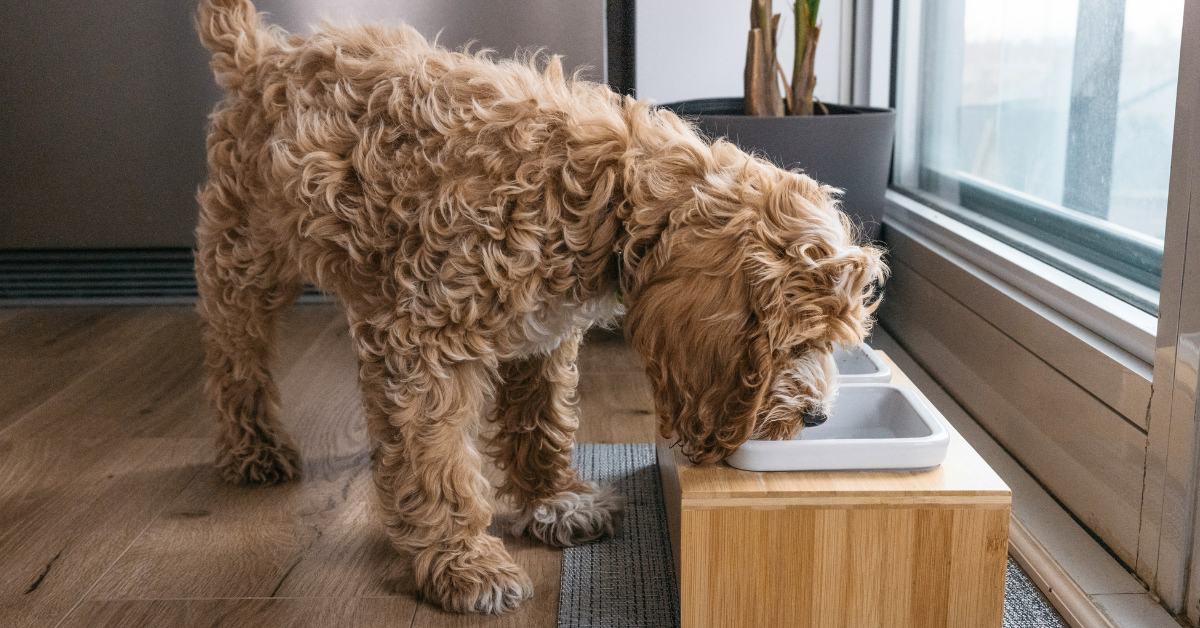
Credit: www.acanapetfoods.co.uk
Nutritional Needs Of Adult Dogs
Adult dogs have different nutritional needs than puppies. Their bodies require a balanced diet to maintain good health and energy. Feeding the right food helps keep their weight stable and supports their muscles and organs.
Choosing food that fits an adult dog’s needs prevents health problems. It also helps them stay active and happy for years.
Key Nutrients For Adults
Protein is vital for muscle maintenance and repair. Adults need less protein than growing puppies. Fats provide energy but in smaller amounts than puppy food. Carbohydrates offer fuel for daily activities. Fiber helps with digestion and keeps the gut healthy. Vitamins and minerals support the immune system and overall well-being.
Differences From Puppy Nutrition
Puppy food has more calories to support fast growth. It contains higher protein and fat levels. Adult dog food has fewer calories to prevent obesity. It focuses on maintaining weight and preventing joint problems. Puppy food supports developing bones and organs. Adult formulas support long-term health and vitality.
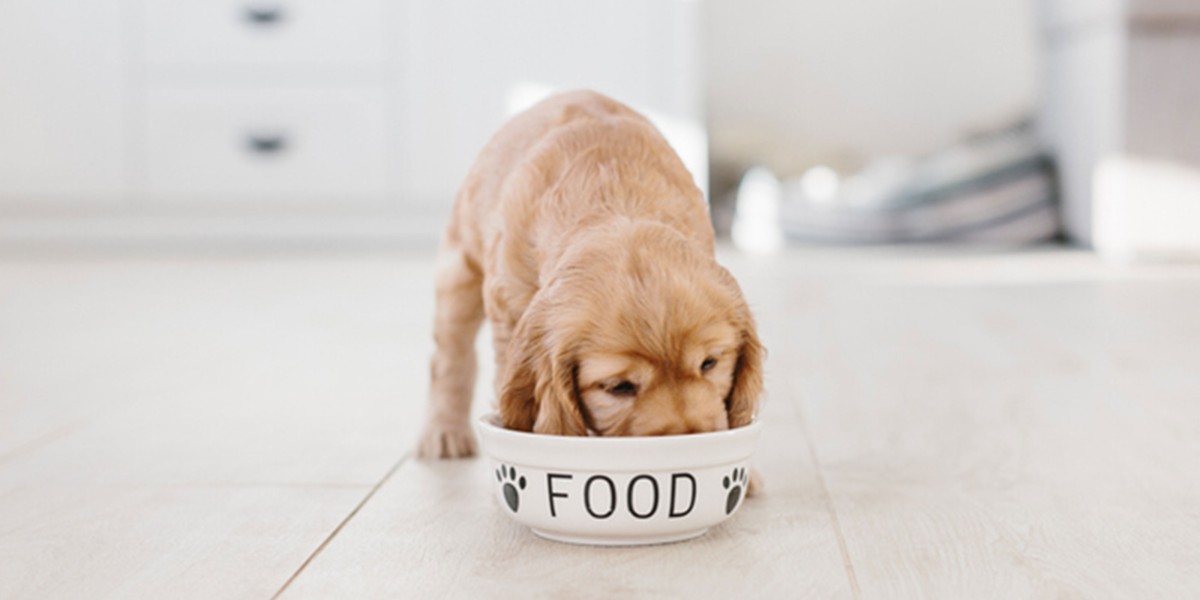
Credit: www.purina.com
What Puppy Food Contains
Puppy food is specially made to support the rapid growth and development of young dogs. It contains specific nutrients in amounts that help puppies build strong bones, muscles, and a healthy immune system. Understanding what puppy food contains can help you decide if it suits your adult dog.
This type of food is richer and more concentrated than adult dog food. It focuses on providing extra energy and nutrients needed during the early stages of life.
Higher Calorie Content
Puppy food has more calories than adult dog food. Puppies burn a lot of energy while growing. The extra calories help them stay active and develop properly. Adult dogs usually need fewer calories because their growth has slowed down.
Increased Protein And Fat
Protein helps build muscles and repair tissues. Puppy food contains more protein to support fast growth. It also has higher fat levels to give puppies enough energy. Adult dogs may not need as much protein or fat in their diet.
Potential Risks Of Feeding Puppy Food
Feeding adult dogs puppy food may seem harmless at first. Puppy food is rich and tasty, but it is designed for young dogs’ growing bodies. Giving this food to adult dogs can cause some problems. Understanding these risks helps keep your dog healthy and happy.
Weight Gain And Obesity
Puppy food has more calories and fat than adult dog food. Adults eating it often eat more energy than they need. This extra energy turns into weight gain. Over time, this can lead to obesity. Obesity causes joint pain, diabetes, and heart problems in dogs.
Digestive Upset
Adult dogs have different digestion needs than puppies. Puppy food is richer and harder to digest for adults. Eating it can cause stomach upset, diarrhea, or vomiting. Some dogs may feel uncomfortable or have less appetite after eating puppy food.
Long-term Health Issues
Feeding puppy food to adult dogs regularly can cause health risks. Too many nutrients like calcium and protein can harm bones and kidneys. It may also lead to imbalanced nutrition. Over time, this can affect your dog’s overall health and lifespan.
When Puppy Food Might Be Suitable
Puppy food is designed to support rapid growth and high energy needs. Adult dogs usually do not need this extra nutrition. Yet, some adult dogs may benefit from puppy food for a short time. This section explains when puppy food might be suitable for adult dogs.
Growth Recovery
Adult dogs recovering from illness or surgery need extra nutrients. Puppy food is rich in proteins and calories. It helps repair tissues and regain strength faster. Feeding puppy food during recovery can support healing. After recovery, switch back to regular adult dog food.
Pregnant Or Nursing Dogs
Pregnant or nursing dogs require more energy and nutrients. Puppy food provides the vitamins, minerals, and calories needed. It supports both the mother and her puppies. Puppy food helps maintain the mother’s health and milk supply. Use it only for the pregnancy and nursing period.
Expert Recommendations
Experts suggest careful choices for your adult dog’s diet. Feeding puppy food to adult dogs may not always be suitable. Nutritional needs differ between puppies and adult dogs. Understanding these needs helps in making the best decision for your pet’s health.
Consulting Your Veterinarian
Your veterinarian knows your dog’s health best. Talk to them before changing your dog’s food. They can recommend the right diet based on age and health. This step prevents health problems and ensures balanced nutrition. Always follow the vet’s advice for feeding your adult dog.
Choosing The Right Adult Dog Food
Adult dog food suits the needs of grown dogs. It has the right amount of calories and nutrients. Look for foods with balanced proteins, fats, and vitamins. Avoid feeding puppy food regularly as it may cause weight gain. Pick food that supports your dog’s activity level and health condition.
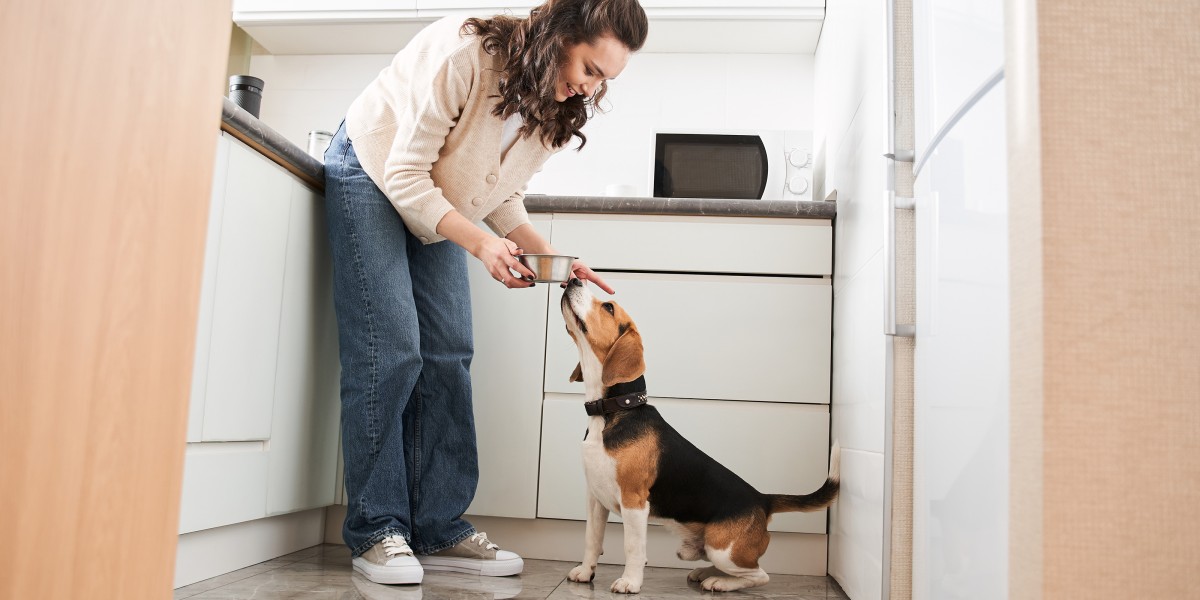
Credit: www.purina.com
Transitioning Between Foods
Changing your dog’s food needs care and patience. Sudden switches can upset their stomach. Dogs need time to adjust to new food textures and ingredients. This helps keep their digestion smooth and avoids any discomfort. The process should be slow and steady for best results.
Gradual Diet Changes
Start by mixing a small amount of puppy food with your dog’s current food. Increase the puppy food portion slowly over 7 to 10 days. Watch how your dog reacts to the new mix. This method helps their stomach get used to new nutrients. It also reduces the risk of diarrhea or vomiting.
Monitoring Your Dog’s Health
Observe your dog’s energy levels and stool quality daily. Look for signs like vomiting, diarrhea, or loss of appetite. These may mean the food switch is too fast or not right. Keep a close eye on your dog’s coat and skin condition. Healthy skin and shiny fur show good nutrition. Contact your vet if you see any problems during the transition.
Frequently Asked Questions
Can Adult Dogs Safely Eat Puppy Food?
Yes, adult dogs can eat puppy food occasionally. However, puppy food is richer in calories and nutrients, which might lead to weight gain if fed long-term. It’s best to feed adult dogs food formulated specifically for their age to meet their nutritional needs properly.
What Are The Risks Of Feeding Adult Dogs Puppy Food?
Feeding adult dogs puppy food regularly may cause obesity and digestive issues. Puppy food contains higher protein and fat levels, which can strain an adult dog’s organs. Long-term feeding can also lead to nutrient imbalances, affecting overall health and energy levels.
When Is It Acceptable For Adult Dogs To Eat Puppy Food?
Adult dogs can eat puppy food temporarily, such as during recovery or growth spurts. Short-term feeding may provide extra nutrients needed in special cases. Always consult a vet before making diet changes to ensure it suits your dog’s health and lifestyle.
How Does Puppy Food Differ From Adult Dog Food?
Puppy food has more protein, fat, and calories to support growth. Adult dog food contains balanced nutrients for maintenance and energy needs. The ingredient composition varies to meet the different metabolic requirements of puppies and adult dogs.
Conclusion
Adult dogs can eat puppy food occasionally but not daily. Puppy food has extra nutrients meant for growing dogs. Too much can cause weight gain or stomach upset. Always check with your vet before changing your dog’s diet. Balanced nutrition keeps your adult dog healthy and happy.
Choose food made for their age and activity level. Treats and small amounts of puppy food are okay sometimes. Keep your dog’s meals simple and suited to their needs. Good care means a longer, healthier life for your dog.


