

Are you wondering if your small dog can safely eat adult dog food? It’s a common question many pet owners face.
Choosing the right food is crucial for your furry friend’s health and happiness. Feeding your small dog the wrong type of food might lead to problems you don’t want to deal with. You’ll discover what makes adult dog food different and whether it suits your little companion’s needs.
Keep reading to find out how to make the best choice for your dog’s diet and well-being.
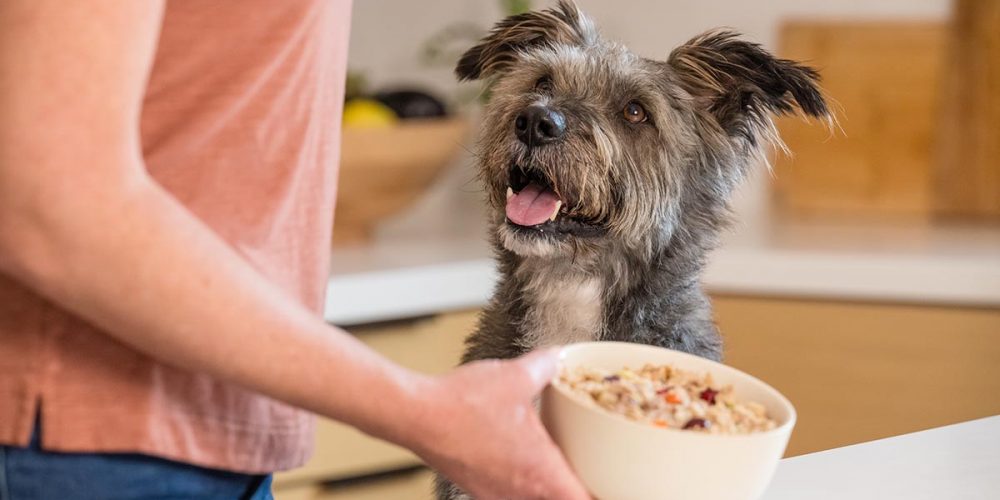
Credit: blog.justfoodfordogs.com
Nutritional Needs Of Small Dogs
Small dogs have unique nutritional needs. Their bodies require careful balance in food. Proper nutrition helps them stay healthy and active. Feeding adult dog food to small dogs raises questions. Understanding their specific needs guides the right choice.
Calorie Requirements
Small dogs burn calories faster than large dogs. They need more calories per pound of body weight. Adult dog food may have fewer calories than needed. This could lead to low energy and weight loss. Choosing food with enough calories supports their lively nature.
Protein And Fat Content
Protein helps build strong muscles in small dogs. Fat gives them energy and keeps their coat shiny. Adult dog food sometimes has less protein and fat. Small dogs need food rich in these nutrients. Balanced protein and fat keep them fit and happy.
Vitamin And Mineral Balance
Vitamins and minerals support small dogs’ bones and immune system. Adult dog food may not have the right balance for small breeds. Small dogs need proper amounts of calcium, phosphorus, and vitamins. This ensures healthy growth and overall well-being.
Credit: www.bowlerspets.com
Differences Between Puppy And Adult Dog Food
Understanding the differences between puppy and adult dog food helps in choosing the right diet. Puppy food supports growth and development, while adult food maintains health. Each type has unique ingredients and nutrient levels. Small dogs have specific needs that these foods address differently.
Growth Vs Maintenance Nutrition
Puppy food contains extra protein and calories to support fast growth. Puppies need more energy to build muscles and bones. Adult dog food focuses on keeping dogs healthy and active without extra calories. It has balanced nutrients to maintain weight and body condition.
Ingredient Variations
Puppy food often includes more vitamins and minerals for brain and bone development. Ingredients are softer and easier to digest for puppies’ sensitive stomachs. Adult dog food has fewer calories and different fat levels. It uses ingredients to support joint health and digestion in mature dogs.
Portion Sizes
Puppy meals are smaller but more frequent to match their energy needs. Puppies eat several times a day to fuel growth. Adult dogs eat larger portions fewer times daily. Small dogs need carefully measured servings to avoid overeating and weight gain.
Risks Of Feeding Adult Food To Small Dogs
Feeding adult dog food to small dogs carries certain risks. Their bodies and nutritional needs differ from larger or older dogs. Adult formulas may not match the energy and nutrient levels small dogs require. This mismatch can cause health problems over time.
Nutritional Deficiencies
Small dogs need more protein and fat for energy. Adult dog food might not provide enough of these nutrients. Lack of important vitamins and minerals can weaken their immune system. This leads to slower growth and poor coat health. Balanced nutrition is crucial for small dog vitality.
Weight Management Issues
Adult dog food often has fewer calories per serving. Small dogs have fast metabolisms and burn energy quickly. Feeding them adult food can cause weight loss or low energy. On the other hand, some adult foods may have too many carbs. This can lead to unwanted weight gain and obesity. Proper calorie control supports healthy weight.
Digestive Concerns
Small dogs have sensitive stomachs. Adult dog food formulas may be harder to digest. This can cause upset stomach, diarrhea, or vomiting. Ingredients in adult food might irritate their digestive system. Feeding the right food helps maintain gut health and comfort.
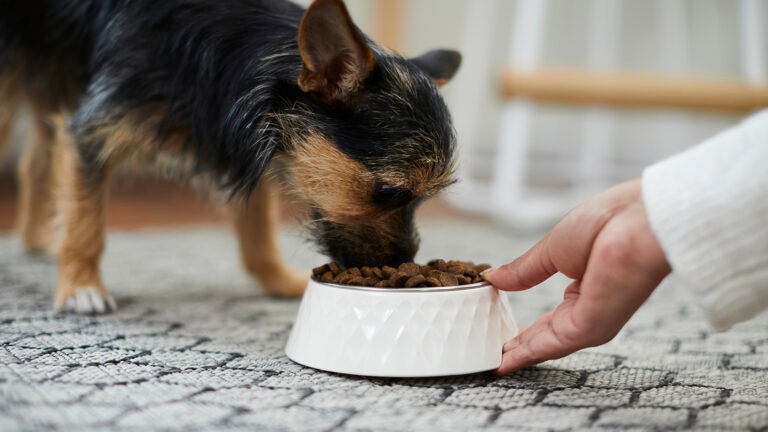
Credit: www.chewy.com
When Adult Dog Food Might Be Suitable
Knowing when adult dog food suits small dogs helps ensure their health. Not every small dog needs puppy food forever. Some small breeds grow fast and need adult nutrition soon. This section explains when adult dog food might work well for your small dog.
Small Breeds Fully Grown
Many small dog breeds reach full size by 9 to 12 months. Once fully grown, their growth needs decrease. Adult dog food provides the right nutrients for maintenance. Feeding puppy food too long can cause weight gain. Switching to adult food at the right time keeps dogs healthy.
Veterinarian Recommendations
Your vet knows your dog’s health best. They can advise when to start adult dog food. Some small dogs may need adult food earlier or later. Vets watch weight, activity, and health to guide feeding. Follow their advice to match food with your dog’s needs.
Special Dietary Needs
Some small dogs need adult food due to special health reasons. Dogs with allergies or sensitive stomachs may do better on adult formulas. Certain medical conditions require specific diets found in adult food. Adult dog food also suits dogs with stable energy levels. Special needs call for tailored nutrition.
Tips For Transitioning Food
Changing your small dog’s food requires care and patience. Sudden changes can upset their stomach. Proper transition helps your dog adjust smoothly to adult dog food. Follow these tips to make the change easier and safer for your pet.
Gradual Introduction
Start by mixing a small amount of adult food with your dog’s current food. Increase the adult food portion every few days. This slow change helps your dog’s digestive system adapt. Take about one to two weeks for a full switch. Watch how your dog reacts to the new food.
Monitoring Health Changes
Observe your dog’s behavior and digestion during the transition. Look for signs like vomiting, diarrhea, or loss of appetite. Check for changes in energy levels or coat condition. Any unusual symptoms may mean the new food does not agree with them. Consult a vet if problems continue for more than a few days.
Adjusting Portion Sizes
Small dogs need different food amounts than larger dogs. Follow the feeding guidelines on the adult dog food package. Adjust portions based on your dog’s weight and activity level. Overfeeding can cause weight gain and health issues. Underfeeding may lead to lack of energy or poor growth.
Alternatives To Adult Dog Food For Small Dogs
Small dogs have unique nutritional needs. Adult dog food may not always suit them. Many pet owners seek better options. Alternatives to adult dog food can support small dogs’ health and energy. Here are some good choices to consider.
Small Breed Formulas
Small breed formulas are made just for little dogs. They have smaller kibble size for easy chewing. Nutrients match the energy needs of tiny bodies. These foods often contain extra calories and protein. This helps small dogs stay active and healthy.
Homemade Diet Options
Homemade diets let you control ingredients. You can prepare fresh meals with meat, rice, and vegetables. Avoid harmful foods like onions and chocolate. Homemade food can be tasty and gentle on small stomachs. Consult a vet to ensure balanced nutrition.
Supplement Use
Supplements can boost small dogs’ diets. Fish oil adds healthy fats for skin and coat. Vitamins and minerals support bones and immune systems. Use supplements carefully and follow vet advice. They work best alongside a good main diet.
Frequently Asked Questions
Can Small Dogs Safely Eat Adult Dog Food?
Yes, small dogs can eat adult dog food, but it must meet their nutritional needs. Puppy food has more calories and nutrients for growth. Adult food suits maintenance but may lack essential nutrients for puppies. Always choose high-quality adult food tailored to small breeds.
What Are The Risks Of Feeding Adult Food To Small Dogs?
Feeding adult food to small dogs, especially puppies, may cause nutrient deficiencies. Adult food can lack necessary calories, vitamins, and minerals for growth. This can lead to health issues like weak immunity and poor development. Always consult your vet before changing food types.
How To Choose The Best Adult Dog Food For Small Breeds?
Select adult dog food labeled for small breeds. It should have smaller kibble sizes for easy chewing. Look for balanced nutrition with protein, fats, and essential vitamins. Avoid fillers and artificial additives. Quality ingredients support energy and overall health in small dogs.
When Should Small Dogs Switch From Puppy To Adult Food?
Small dogs typically switch to adult food at 9 to 12 months old. This depends on breed size and vet recommendations. Switching too early or late can affect growth and health. Monitor your dog’s development and consult your vet for the best timing.
Conclusion
Small dogs can eat adult dog food, but choose carefully. Adult food may lack some nutrients small puppies need. Check the ingredients and nutrient levels before feeding. Watch your dog’s health and energy after switching food. Consult your vet for the best advice on diet.
Feeding the right food helps your dog stay healthy. Balanced nutrition supports growth, energy, and overall well-being. Small dogs deserve food made just for their needs. Keep their meals simple, healthy, and suitable for their size.


