

You want the best for your dog, especially when it comes to their food. But how do you know when your furry friend is ready to switch from puppy food to adult food?
Feeding your dog the right food at the right time is crucial for their health and happiness. If you switch too early or too late, it can affect their growth and energy. Keep reading to discover the signs your dog is ready, and learn how to make this important transition smooth and stress-free for both of you.
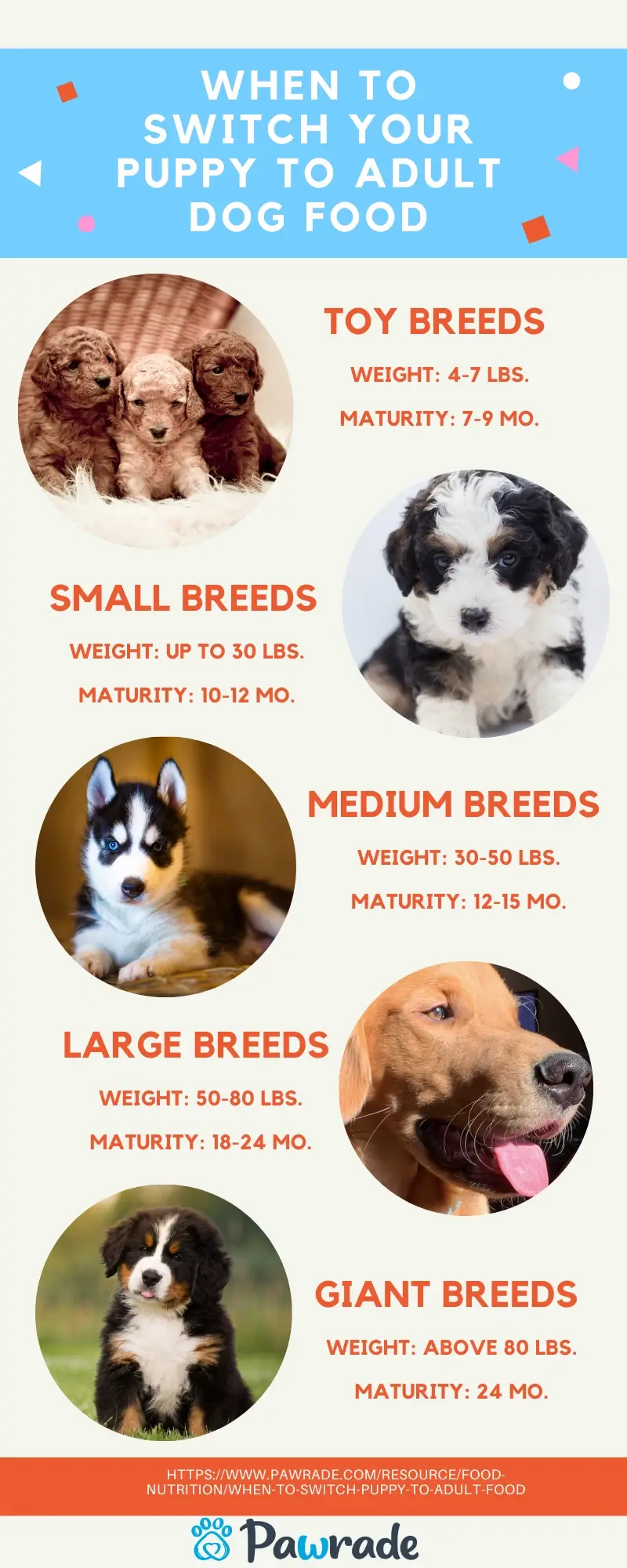
Credit: www.pawrade.com
Puppy Growth Stages
Puppy growth happens fast. Understanding each stage helps you know when to switch to adult dog food. Each stage has special needs for nutrition and care. Feeding the right food supports healthy bones, muscles, and brain development. Watch your puppy closely during these stages to provide the best diet.
Newborn To 8 Weeks
Puppies rely on their mother’s milk for nutrients. This milk has all they need to grow strong. They cannot digest solid food well yet. At about 3 to 4 weeks, puppies start trying soft, wet food. It helps them practice chewing and get extra nutrients.
8 To 12 Weeks
Puppies become more active and curious. They eat more solid food now. Choose high-quality puppy food with more protein and fat than adult food. This supports their energy and fast growth. Keep fresh water available at all times.
3 To 6 Months
Growth slows but stays steady. Puppies need food that supports muscle and bone development. Feeding three times a day works well. Monitor their weight to avoid overfeeding. A healthy diet helps them stay strong and playful.
6 To 12 Months
Most puppies near adult size by 12 months. Large breeds may take longer. Begin mixing adult food with puppy food. This helps their digestive system adjust. Feed twice daily and watch for any changes in appetite or behavior.
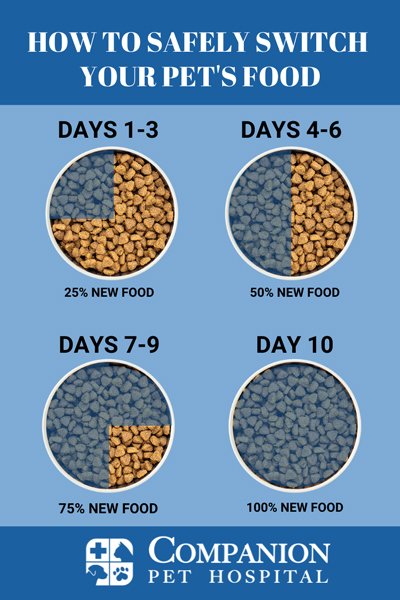
Credit: companionpethospital.com
Signs Your Dog Is Ready
Knowing when to switch your dog to adult food is important for their health. Dogs grow fast, and their needs change as they get older. Watch for clear signs that show your dog is ready for adult food. These signs come in different forms, such as physical growth, behavior, and nutrition needs.
Physical Development
One sign is your dog’s size. Puppies reach their adult size at different ages depending on the breed. Small breeds may be ready by 9 months. Large breeds can take up to 18 months. Look at their teeth too. When all adult teeth appear, it means the puppy is growing up. Also, check their weight. If your dog is steady in weight, they may be ready for adult food.
Behavioral Changes
Older puppies act more calm and less playful. They start to have less energy than before. Your dog may show more focus and listen better. Their eating habits may also change. They might eat less often but finish meals quicker. These behavior changes suggest your dog is maturing.
Nutritional Needs
Puppies need more calories and nutrients than adult dogs. As growth slows, their needs shift. Adult food has fewer calories but more balanced nutrients. Your dog’s digestion also changes and adult food suits it better. Pay attention to how your dog reacts to food. If they seem full and satisfied, it’s a good sign to switch.
Switching To Adult Food
Switching your dog from puppy food to adult food is an important step. This change helps meet your dog’s nutritional needs as it grows. It supports healthy development and maintains energy levels. Knowing the right time and method for this switch can keep your dog happy and healthy.
Best Timing For Transition
Most dogs switch to adult food between 9 and 12 months old. Small breeds may change earlier, around 9 months. Large breeds might need to wait until 12 to 18 months. Watch your dog’s growth and energy to choose the best time.
How To Gradually Change Diet
Start by mixing 25% adult food with 75% puppy food. After a few days, increase adult food to 50%. Then, move to 75% adult food and 25% puppy food. Complete the change in 7 to 10 days. This helps your dog’s stomach adjust slowly.
Common Mistakes To Avoid
Do not switch food suddenly. This can cause upset stomachs and diarrhea. Avoid feeding adult food too early or too late. Using the wrong portion sizes can lead to weight problems. Always watch for signs of allergies or discomfort during the change.
Choosing The Right Adult Food
Choosing the right adult food for your dog is very important. Adult dogs have different needs than puppies. The right food helps keep your dog healthy and full of energy. It supports their body, skin, and coat. It also helps maintain a healthy weight. Understanding what to look for makes feeding easier and better for your dog.
Key Nutrients For Adult Dogs
Adult dogs need balanced nutrients to stay healthy. Protein supports muscles and energy. Fats provide essential fatty acids and help with brain function. Carbohydrates give energy for daily activities. Vitamins and minerals support the immune system and bones. Fiber helps with digestion. Water is also very important for hydration and overall health.
Types Of Adult Dog Food
Dry kibble is popular and easy to store. It helps keep teeth clean. Wet food has more moisture and can be easier to eat. Some dogs prefer raw or homemade diets for natural ingredients. Grain-free options are available for dogs with allergies. Choose a type that suits your dog’s taste and health needs.
Reading Food Labels
Food labels give important information about ingredients and nutrition. Check the first ingredients; meat or meat meal is best. Avoid foods with too many fillers like corn or soy. Look for guaranteed analysis to see protein, fat, and fiber levels. Check for added vitamins and minerals. Avoid artificial colors, flavors, and preservatives. Always choose food made for adult dogs.
Special Considerations
Choosing the right time to switch your dog to adult food depends on more than just age. Some special factors affect this decision. These factors help ensure your dog stays healthy and happy during the change. Understanding these details makes feeding easier and safer for your dog.
Breed And Size Factors
Small and large breeds grow at different rates. Large breeds take longer to mature. They may need puppy food for a longer time. Small breeds often mature faster and can switch earlier. Knowing your dog’s breed helps choose the right timing.
Health Conditions
Some dogs have health issues that affect their diet. Dogs with allergies or digestive problems need special care. Your vet may recommend staying on puppy food longer. Or, they might suggest a specific type of adult food. Health problems always change feeding plans.
Activity Level Impact
Active dogs burn more energy. They may need more calories and nutrients. Less active dogs need fewer calories to avoid weight gain. Activity level changes the type and amount of food. Adjust feeding based on how much your dog moves.
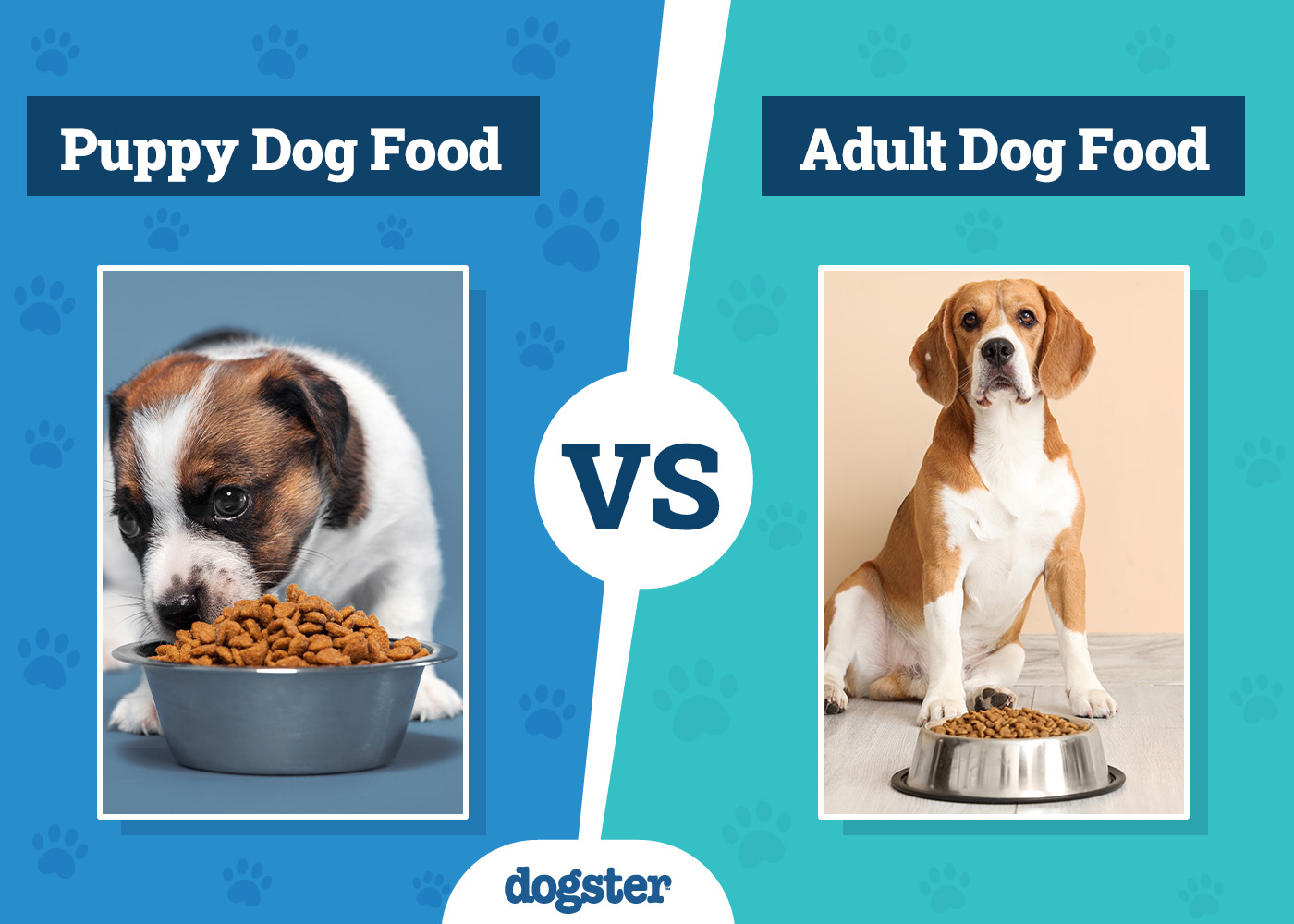
Credit: www.dogster.com
Monitoring Your Dog’s Health
Monitoring your dog’s health is key when switching to adult food. Watch for changes that show how your dog adapts. This helps keep them happy and strong. Pay close attention to their body and behavior. These signs tell you if the new diet suits them well.
Weight Management
Keep track of your dog’s weight regularly. Weight gain or loss can mean the food is not right. A steady weight shows good health and proper nutrition. Adjust portions if your dog becomes too heavy or thin. Balanced weight supports their overall well-being.
Digestive Health
Observe your dog’s digestion closely. Check their stool for normal shape and color. Frequent diarrhea or constipation signals a problem. Good digestion means the food is easy to digest. Healthy digestion helps your dog absorb nutrients better.
Energy And Coat Condition
Notice your dog’s energy levels each day. Low energy may mean the food lacks nutrients. Bright eyes and shiny fur reflect good health. A dull coat can suggest poor diet or health issues. Proper food boosts energy and keeps their coat healthy.
Frequently Asked Questions
When Should Dogs Switch To Adult Food?
Dogs typically switch to adult food between 12 to 18 months. Large breeds may need adult food later, around 18-24 months. This timing ensures proper nutrition for growth and development. Consult your vet to choose the best transition time for your dog’s breed and size.
Can Puppies Eat Adult Dog Food Safely?
Puppies should not eat adult dog food as it lacks essential nutrients for growth. Adult food is formulated for maintenance, not development. Feeding adult food too early can cause nutritional deficiencies and health issues. Always use puppy-specific food until your vet advises switching.
How To Transition Dogs To Adult Food Properly?
Transition gradually over 7-10 days by mixing adult food with puppy food. Increase adult food amount daily while reducing puppy food. This prevents digestive upset and helps your dog adjust to new nutrients. Monitor your dog’s health during the transition and consult a vet if needed.
What Are Signs A Dog Is Ready For Adult Food?
Signs include reaching physical maturity, slowed growth, and stable weight. Your vet can confirm readiness based on breed and health. Switching too early or late can affect health, so professional advice is crucial. Always observe your dog’s energy and coat condition during transition.
Conclusion
Feeding your dog adult food at the right time is very important. Usually, dogs switch to adult food around one year old. Watch your dog’s size and behavior to know when to change. Always choose good quality food for their health.
Changing food slowly helps avoid stomach problems. Healthy eating supports your dog’s growth and energy. Keep checking with your vet for the best advice. Your dog will thank you with a happy, active life. Simple steps make feeding easy and safe.
Care well, and your dog will thrive.


