

Are you curious if nutritional yeast flakes can be a healthy addition to your dog’s diet? You want the best for your furry friend, and it’s natural to wonder if this popular supplement is safe and beneficial.
Nutritional yeast is praised for its vitamins and flavor, but is it really good for dogs? Keep reading to discover the surprising facts that could help you make the right choice for your pet’s health and happiness.

Credit: www.amazon.com
What Is Nutritional Yeast?
Nutritional yeast is a popular supplement known for its unique flavor and health benefits. It is often used as a topping for food or added to recipes. But what exactly is nutritional yeast?
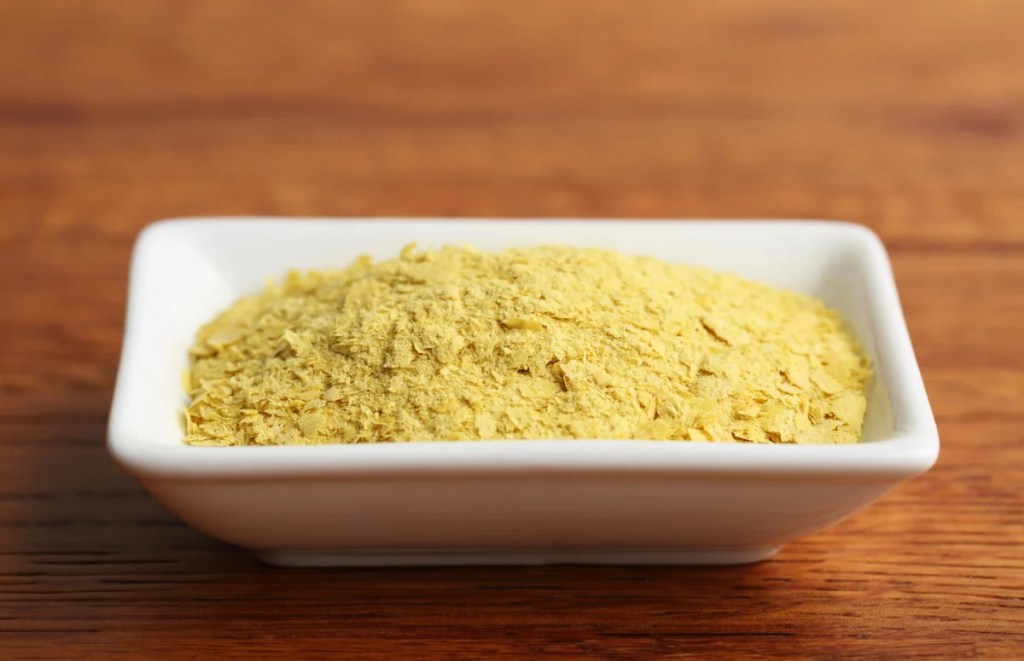
Nutritional yeast is a type of inactive yeast, specifically Saccharomyces cerevisiae. It is grown on sugar-rich mediums like molasses. After harvesting, the yeast is heated to deactivate it. This process makes it safe to eat and gives it a cheesy, nutty taste.
What Is Nutritional Yeast Made Of?
Nutritional yeast consists mainly of proteins and fibers. It is rich in B vitamins such as B12, which is essential for energy. It also contains minerals like zinc and selenium. These nutrients support general health and immune function.
How Is Nutritional Yeast Produced?
The yeast is grown in controlled environments. Sugar or molasses feeds the yeast during growth. After reaching the right size, it is harvested, washed, and heated. The heating stops its growth, making it inactive but nutritious.
Why Is Nutritional Yeast Popular?
It offers a savory, cheese-like flavor without dairy. This makes it popular among vegans and vegetarians. It is low in fat and free of gluten. Its versatility in cooking adds to its appeal.

Credit: www.nextritionpet.com
Nutritional Yeast And Dog Health
Nutritional yeast has gained attention as a health supplement for dogs. It is a natural product made from yeast grown on molasses. This yeast is then harvested, washed, and dried into flakes or powder. Many dog owners use it to improve their pet’s diet.
This supplement is rich in vitamins and minerals. It may support the immune system and improve skin and coat health. Nutritional yeast also adds a cheesy flavor that dogs often enjoy. Understanding how it benefits dogs helps owners make better feeding choices.
Key Nutrients In Nutritional Yeast
Nutritional yeast contains several important nutrients. It is high in B vitamins, including B12, which supports energy and brain function. It also has protein, which helps build and repair tissues.
Other nutrients include zinc, selenium, and fiber. These support digestion, immune health, and skin condition. The presence of antioxidants helps protect cells from damage. These nutrients combined make nutritional yeast a valuable supplement for dogs.
How Dogs Process Nutritional Yeast
Dogs digest nutritional yeast easily. Their stomachs break down the flakes quickly, releasing nutrients. The B vitamins and minerals are absorbed into the bloodstream. These help maintain overall health and energy.
Some dogs may have sensitivities. Introduce nutritional yeast slowly and watch for reactions. Most dogs benefit from small amounts as part of a balanced diet. Always check with a vet before adding new supplements.
Benefits Of Nutritional Yeast For Dogs
Nutritional yeast flakes offer many health benefits for dogs. This natural supplement contains vitamins, minerals, and proteins. It can support your dog’s overall well-being in several ways. Many pet owners use it to improve their dog’s health naturally and safely.
Immune System Support
Nutritional yeast helps strengthen a dog’s immune system. It contains beta-glucans, which boost immune response. A strong immune system helps dogs fight off infections and illnesses. Regular use can keep your dog healthier and more active.
Improved Coat And Skin Health
Dogs with dull coats can benefit from nutritional yeast flakes. It is rich in B vitamins and protein that promote shiny, healthy fur. The flakes also help reduce itchiness and dry skin. A better coat means your dog looks and feels better.
Digestive Health Aid
Nutritional yeast supports good digestion in dogs. It contains fiber and enzymes that improve gut health. Healthy digestion means better nutrient absorption and less stomach upset. Dogs with sensitive stomachs may find relief with this supplement.
Potential Risks And Side Effects
Nutritional yeast flakes may seem like a healthy treat for dogs. Yet, some risks and side effects need attention. Not every dog reacts well to new foods. Understanding potential problems helps keep pets safe and happy.
Allergic Reactions
Some dogs may have allergies to nutritional yeast. Signs include itching, swelling, or redness on the skin. Dogs might also scratch or bite themselves more often. Allergic reactions can affect breathing or cause vomiting. Stop feeding yeast flakes if any allergy signs appear.
Digestive Upset
Nutritional yeast can upset a dog’s stomach. Diarrhea, gas, or vomiting are common signs. Too much yeast may cause bloating or discomfort. Start with a small amount to see how your dog reacts. Always provide fresh water to help digestion.
Interactions With Medications
Nutritional yeast might affect some medications. It contains high levels of certain vitamins that could interfere with drugs. Dogs on antidepressants or blood thinners need special care. Consult a vet before adding yeast flakes to your dog’s diet. This prevents harmful interactions and ensures safety.
Safe Ways To Introduce Nutritional Yeast
Introducing nutritional yeast to your dog’s diet needs care and attention. This helps avoid any stomach upset or allergies. Start slow and watch how your dog reacts. Nutritional yeast can be a good supplement if given properly.
Recommended Dosage
Begin with a small amount, like 1/4 teaspoon for small dogs. For larger dogs, 1/2 teaspoon is enough. Give it a few times a week, not daily at first. Increase slowly if your dog handles it well. Too much can cause digestive problems.
Choosing The Right Product
Pick pure nutritional yeast flakes without added salt or spices. Avoid products made for human consumption with extra ingredients. Look for brands labeled as pet-safe or natural. Check the ingredient list carefully to avoid harmful additives.
Monitoring Your Dog’s Response
Watch your dog closely after introducing nutritional yeast. Look for signs like itching, vomiting, or diarrhea. If any of these happen, stop giving it immediately. If your dog seems happy and healthy, continue with small doses. Always consult your vet for advice on supplements.
Credit: dogtime.com
Alternatives To Nutritional Yeast
Nutritional yeast flakes offer many benefits for dogs, but some pet owners seek other options. Alternatives can provide similar nutrients and support health in different ways. Exploring these choices helps find the best fit for your dog’s diet and needs.
Other Supplements For Dogs
Several supplements can replace nutritional yeast. Brewer’s yeast is one option, rich in B vitamins and protein. Fish oil adds omega-3 fatty acids, good for skin and coat. Probiotics help improve digestion and boost immunity. These supplements come in powders, pills, or treats. Always check the right dosage for your dog’s size and health condition.
Natural Food Sources
Natural foods can supply nutrients similar to nutritional yeast. Cooked eggs provide protein and vitamins. Leafy greens like spinach offer minerals and fiber. Sweet potatoes deliver antioxidants and fiber. Lean meats supply essential amino acids. These foods support your dog’s overall health. Fresh, balanced meals can reduce the need for extra supplements.
Frequently Asked Questions
Is Nutritional Yeast Safe For Dogs To Eat?
Yes, nutritional yeast is generally safe for dogs in small amounts. It offers B vitamins and protein but avoid if your dog has yeast allergies.
What Are The Benefits Of Nutritional Yeast For Dogs?
Nutritional yeast supports immune health, improves coat shine, and aids digestion. It’s a good source of essential nutrients like B vitamins and antioxidants.
How Much Nutritional Yeast Can I Feed My Dog?
Start with a small pinch for small dogs and up to one teaspoon for larger dogs daily. Too much may cause digestive upset.
Can Nutritional Yeast Cause Allergies In Dogs?
Some dogs may be allergic to yeast. Watch for itching, redness, or digestive issues after feeding nutritional yeast and consult your vet if symptoms appear.
Conclusion
Nutritional yeast flakes can be a healthy treat for dogs. They provide vitamins and a cheesy flavor dogs often enjoy. Always introduce small amounts first to watch for allergies. Avoid flakes with added salt or seasonings. Talk to your vet before adding new foods to your dog’s diet.
This helps keep your pet safe and happy. Nutritional yeast is a simple way to add extra nutrients. Just use it wisely and in moderation. Your dog may benefit from this tasty supplement.


