

Is your furry friend turning one year old soon? You might be wondering if it’s time to switch from puppy food to adult dog food.
Making the right choice for your dog’s diet is important for their health and happiness. But can a 1 year old dog safely eat adult food? This question matters because feeding your dog the wrong food can affect their energy, growth, and overall well-being.
Keep reading to find out what experts say and how you can make the best decision for your loyal companion.
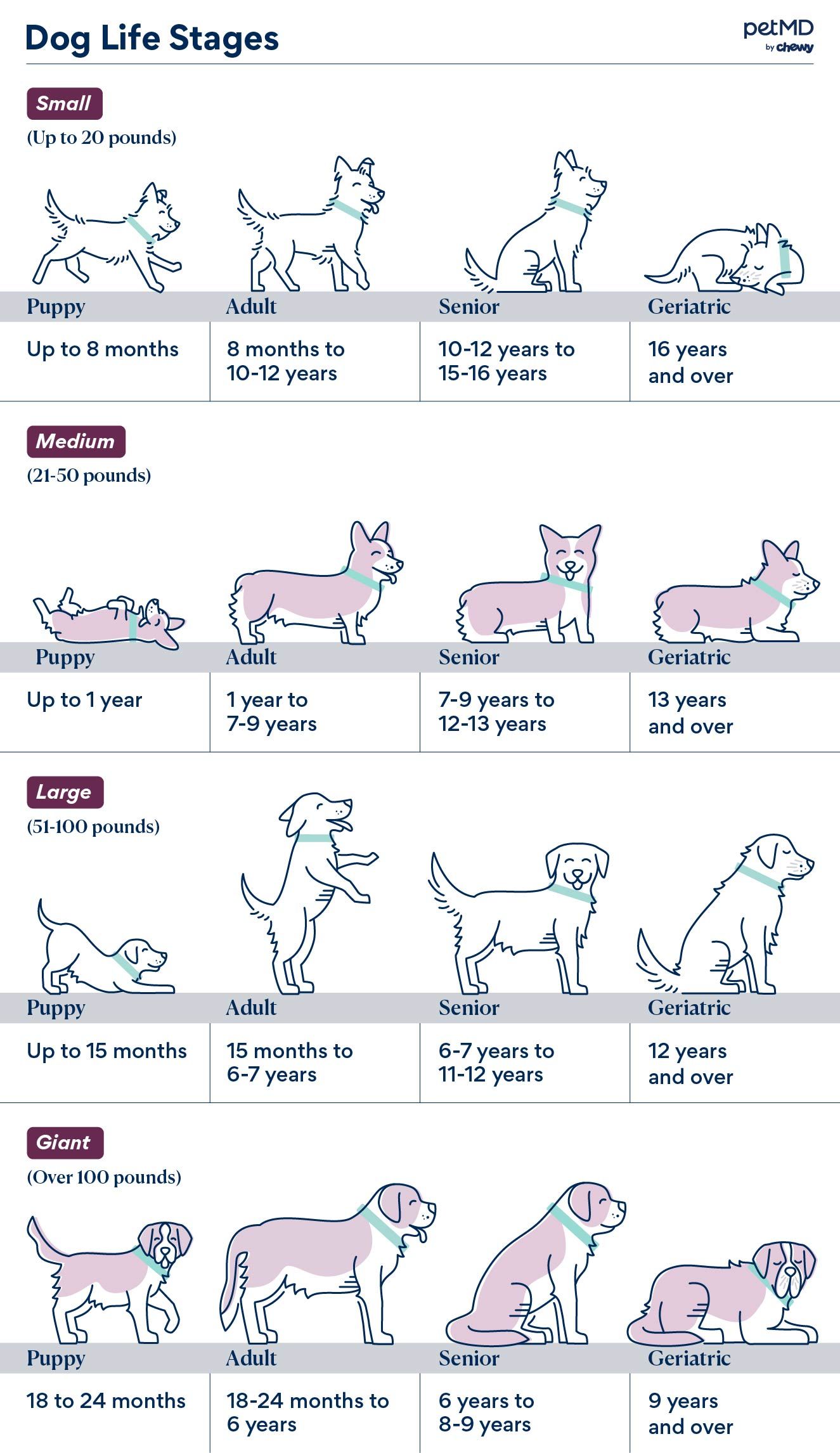
Credit: www.petmd.com
Age And Diet Needs
Understanding a dog’s age helps decide the right diet. Different ages mean different needs. A 1-year-old dog is at a key point between puppy and adult. Choosing the proper food supports health and growth. Age and diet go hand in hand for a happy dog.
Growth Stages In Dogs
Dogs grow in clear stages: puppy, adolescent, adult, and senior. Each stage needs specific nutrients. Puppies need more protein and calories for fast growth. By one year, many dogs reach adult size. Their growth slows, but energy needs stay high. Adolescent dogs start to need adult food. This transition supports steady health and muscle maintenance.
Nutritional Requirements By Age
Puppies need food rich in protein, fat, and vitamins. Their bodies build bones, muscles, and organs quickly. Adult dogs need balanced nutrition to maintain weight and energy. Too many calories can cause weight gain. Older dogs require fewer calories but more fiber. This helps digestion and joint health. A 1-year-old dog can often eat adult food. Yet, it must meet their energy and nutrient needs well.
Differences Between Puppy And Adult Food
Puppy food and adult dog food are made differently to meet dogs’ needs at various life stages. Puppies grow fast and need more energy and nutrients. Adult dogs need food that keeps them healthy and maintains their weight. Feeding the right food helps dogs stay strong and active.
Key Ingredients In Puppy Food
Puppy food has more protein to support muscle growth. It also contains extra fat for energy. Puppies need higher levels of calcium and phosphorus for strong bones. Vitamins and minerals help puppies develop properly. The food is softer and smaller for easy chewing.
What Adult Food Offers
Adult dog food has balanced protein to keep muscles healthy. It has less fat than puppy food to prevent weight gain. Fiber helps with digestion and keeps the stomach healthy. Adult food supports the immune system with antioxidants. The kibble size is bigger for adult dogs’ teeth.
When To Switch To Adult Food
Knowing the right time to switch your dog to adult food is important. Feeding adult food too early or too late can affect your dog’s health. Dogs grow fast in their first year. Their nutritional needs change as they grow older. Choosing the right moment helps keep your dog healthy and active.
Signs Your Dog Is Ready
Your dog shows clear signs of maturity. They stop growing in height and weight. Their energy levels start to stabilize. Your vet may say your dog’s bones and muscles are fully developed. Their teeth are usually fully grown by this time. Your dog may lose the puppy’s soft coat. These signs mean your dog is ready for adult food.
Recommended Transition Period
Switching to adult food should happen slowly. Change the food over 7 to 10 days. Start by mixing 25% adult food with 75% puppy food. Gradually increase adult food and reduce puppy food. Watch for any stomach upset or changes in stool. A slow transition helps your dog’s digestion adjust. It also helps avoid food refusal or allergies.

Credit: www.poochandmutt.co.uk
Potential Risks Of Early Switching
Switching a one-year-old dog to adult food too soon can cause problems. Puppies and young dogs have special needs. Their bodies are still growing and changing. Feeding adult food early may not meet these needs fully.
It is important to understand the risks before changing your dog’s diet. Early switching can affect your dog’s health and growth. Knowing these risks helps keep your dog healthy and strong.
Nutritional Deficiencies
Puppy food has more protein, fat, and calories than adult food. These nutrients support growth and energy. Adult food has less of these important nutrients. Feeding it early can lead to shortages.
Missing nutrients can cause weak muscles and poor coat quality. Your dog may feel tired and less active. Some vitamins and minerals in puppy food help build bones. Adult food may not provide enough for growing bones.
Impact On Growth And Health
Dogs need balanced nutrition to grow properly. Early adult food can slow growth or cause health issues. Bones may become weak or develop incorrectly. Joints might not form well without the right nutrients.
Changing food too soon can also upset your dog’s stomach. Digestive problems like diarrhea or vomiting may happen. Your dog might refuse to eat or lose weight. Careful timing ensures healthy growth and strong health.
Expert Tips For Feeding A 1 Year Old Dog
Feeding a 1 year old dog requires careful choices to support their health. At this age, dogs transition from puppy food to adult food. This change needs attention to ensure proper nutrition and avoid stomach upset. Expert advice helps make this transition smooth and safe.
Consulting Your Veterinarian
A vet knows your dog’s health history best. They can recommend the right food type and amount. Regular check-ups help track your dog’s growth and health. Your vet can spot any issues early. Always ask before changing your dog’s diet.
Choosing Quality Dog Food
Select dog food made for adult dogs. Look for balanced nutrition with proteins, fats, and vitamins. Avoid foods with too many fillers or artificial ingredients. High-quality food supports energy and overall health. Read labels carefully to ensure good ingredients.
Monitoring Your Dog’s Response
Watch how your dog reacts to new food. Check for changes in energy, coat, and bathroom habits. Some dogs may have allergies or digestion problems. If you see problems, stop the food and consult your vet. Keep a close eye during the first weeks.

Credit: www.becopets.com
Special Cases And Exceptions
Feeding a 1 year old dog adult food is usually fine. Yet, some special cases need care. Dogs differ in size, health, and needs. These factors affect their diet choice. Knowing these exceptions helps keep your dog healthy and happy.
Small Vs Large Breeds
Small and large breeds grow at different rates. Large breeds take longer to mature. They may need puppy food past one year. This food supports their bone and joint growth. Small breeds often mature faster. They can switch to adult food sooner. Feeding large breeds adult food too early may cause health issues. Choose food based on your dog’s breed size.
Health Conditions Affecting Diet
Some dogs have health problems that change their diet. Dogs with allergies need special foods. Dogs with kidney or liver issues need low protein diets. Overweight dogs may need fewer calories. Always check with a vet before changing food. Special diets help manage these conditions. This keeps your dog safe and well.
Transitioning Smoothly To Adult Food
Switching a one-year-old dog from puppy food to adult food needs care. This change supports their growth and health as they mature. A smooth transition helps avoid stomach problems and keeps your dog happy.
Changing food too fast can upset digestion. A slow shift lets your dog adjust to new tastes and nutrients. This process improves their eating habits and overall well-being.
Step-by-step Feeding Plan
Start by mixing 75% puppy food with 25% adult food. Feed this blend for three days. Then, change to 50% puppy and 50% adult food for the next three days. After that, try 25% puppy and 75% adult food for another three days. Finally, serve only adult food.
Observe your dog’s reaction during this time. Watch for changes in appetite and energy. Adjust the pace if needed to keep your dog comfortable.
Avoiding Digestive Issues
Introduce adult food slowly to avoid stomach upset. Sudden changes can cause diarrhea or vomiting. Keep fresh water available at all times.
Choose adult food that matches your dog’s size and breed. Look for high-quality ingredients that support digestion. Consult your vet if you see any problems during the switch.
Frequently Asked Questions
Can A 1 Year Old Dog Eat Adult Dog Food?
Yes, most dogs can transition to adult dog food at 1 year. This food supports their mature nutritional needs and energy levels. Consult your vet to ensure the best timing and food type for your dog’s breed and size.
When Should I Switch My Dog From Puppy To Adult Food?
Switch your dog to adult food around 12 months old. Large breeds might need to switch later, around 18-24 months. This helps support healthy growth without excess calories or nutrients that puppies require.
Is Adult Dog Food Nutritionally Suitable For 1 Year Old Dogs?
Adult dog food is formulated for maintenance, not growth. At 1 year, most dogs no longer need puppy-specific nutrients. Adult food offers balanced protein, fats, and minerals suitable for their energy needs and weight management.
Can Feeding Adult Food Early Harm A 1 Year Old Dog?
Feeding adult food too early can slow growth in puppies. At 1 year, most dogs are mature enough, so the risk is minimal. Always transition gradually to avoid digestive upset and check with your vet for breed-specific advice.
Conclusion
A 1-year-old dog can start eating adult food safely. Their body needs different nutrients than puppy food. Switching gradually helps avoid stomach problems. Watch your dog’s health and energy during the change. Always choose good quality adult dog food. Consult your vet if you notice any issues.
Feeding the right food supports growth and health. This change marks an important step in your dog’s life. Keep their diet balanced and suitable for their age. Your dog will thank you with happiness and good health.


