

You want the best for your dog, right? One of the most powerful ways to keep your furry friend happy and healthy is through proper nutrition.
But how exactly does nutrition affect your dog’s well-being? Understanding this can make a huge difference in your pet’s energy, mood, and overall health. Keep reading to discover simple, effective ways to feed your dog that will boost their life quality and keep their tail wagging every day.
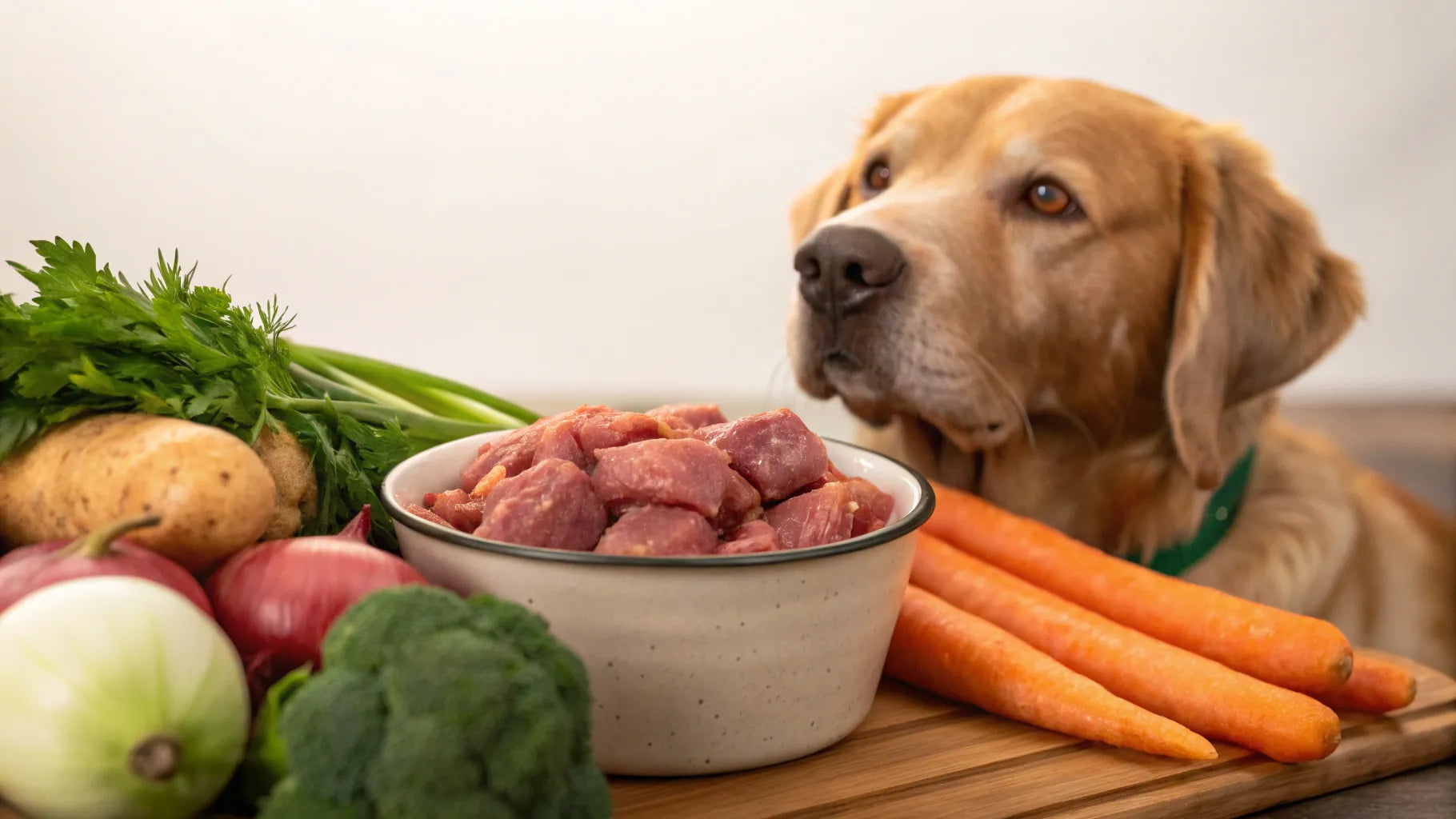
Credit: www.houndsy.com
Essential Nutrients For Dogs
Dogs need certain nutrients to stay healthy and strong. These nutrients support their growth, energy, and immune system. Feeding dogs the right balance of nutrients helps them live a happy life. Understanding these essential nutrients is key for every dog owner.
Proteins And Amino Acids
Proteins build muscles, skin, and hair in dogs. They provide amino acids, which are the building blocks of protein. Dogs need essential amino acids that their bodies cannot make. These nutrients help repair tissues and support immune health. Good protein sources include meat, fish, and eggs.
Fats And Fatty Acids
Fats give dogs energy and help absorb vitamins. They also keep skin healthy and coat shiny. Essential fatty acids like omega-3 and omega-6 support brain and heart health. Sources of healthy fats include fish oil, chicken fat, and flaxseed. Too little fat can cause dull fur and low energy.
Carbohydrates And Fiber
Carbohydrates provide energy for daily activities. Fiber helps with digestion and keeps the gut healthy. Whole grains, vegetables, and fruits are good sources of carbs and fiber. Fiber also prevents constipation and supports weight control. Balanced carbs ensure steady energy without spikes.
Vitamins And Minerals
Vitamins and minerals support many body functions. They help with bone growth, vision, and blood health. Important vitamins include A, D, E, and B complex. Minerals like calcium, phosphorus, and zinc strengthen bones and teeth. Dogs get these nutrients from meat, vegetables, and supplements.
Choosing The Right Dog Food
Choosing the right dog food is important for your pet’s health. Good nutrition helps dogs stay active and live longer. Many factors affect the choice of dog food. These include your dog’s age, breed, and health needs. Understanding these can help you make better decisions.
Commercial Vs. Homemade Diets
Commercial dog foods come in dry, canned, or semi-moist forms. They are convenient and balanced for most dogs. Many brands add vitamins and minerals to support health.
Homemade diets let you control ingredients. You can choose fresh meats, vegetables, and grains. Homemade food can meet special health needs but requires careful planning. Missing nutrients can cause problems. Always check recipes with a vet or pet nutritionist.
Reading Dog Food Labels
Labels show important information about dog food. Look for the list of ingredients first. The first few ingredients are the most important. Meat or meat meal should be near the top.
Check for a statement from AAFCO. This means the food meets basic nutrition rules. Avoid foods with too many fillers like corn or wheat. Also, watch out for artificial colors or flavors. These do not help your dog’s health.
Age And Breed Considerations
Puppies need more protein and calories than adult dogs. Senior dogs often need fewer calories and more joint support. Large breeds grow differently than small breeds. Large breeds need special nutrients for bone health.
Choose food made for your dog’s life stage and size. This supports their growth and keeps them healthy. Talk to your vet about the best options for your dog.
Common Nutritional Deficiencies
Dogs need a balanced diet to stay healthy. Missing key nutrients can cause problems. Common nutritional deficiencies affect dogs’ energy, coat, and overall health. Knowing these deficiencies helps keep dogs strong and happy.
Signs To Watch For
Watch for dull fur and dry skin. Dogs may lose weight or seem weak. Poor appetite and slow healing wounds are warning signs. Limping or weak bones can also show nutrient gaps. Early detection helps prevent serious health issues.
Preventing Deficiencies
Feed a well-balanced diet made for dogs. Quality commercial dog food usually covers all needs. Avoid homemade meals without guidance from a vet. Fresh water and regular vet visits support good nutrition. Variety in diet helps provide all essential nutrients.
Supplementing Safely
Only add supplements after talking to a vet. Too much of some vitamins can harm dogs. Follow dosage instructions carefully. Natural sources of nutrients are often better than pills. Keep supplements out of reach to avoid accidental overdose.
Feeding Tips For Different Life Stages
Feeding dogs properly is key for their health at every stage of life. Different ages need different nutrients and care. Adjusting their diet helps support growth, energy, and overall well-being.
Understanding these needs makes feeding easier and keeps dogs happy. Here are tips to feed dogs through their life stages.
Puppies And Growth Needs
Puppies grow fast and need more calories than adult dogs. Their food should be rich in protein and fat. These nutrients build strong muscles and healthy brains.
Feed puppies small meals several times a day. This matches their small stomachs and high energy needs. Avoid giving adult dog food to puppies. It does not have enough nutrients for growth.
Adult Maintenance Diets
Adult dogs need balanced food to keep them fit and active. Their diet should have moderate protein and fat. This supports muscle health and energy without weight gain.
Feed adult dogs twice a day. Measure portions to avoid overfeeding. Choose food that meets their size and activity level. Fresh water should always be available.
Senior Dog Nutrition
Older dogs need fewer calories but more fiber and vitamins. Their metabolism slows, and joints may hurt. Foods with added nutrients help keep them comfortable and healthy.
Choose senior dog food with easy-to-digest ingredients. Monitor their weight and adjust food as needed. Regular vet checkups help track their health and diet needs.
Special Diets For Health Conditions
Special diets help dogs with health problems live better. These diets focus on specific needs. They support healing and improve comfort. Choosing the right diet can reduce symptoms and boost energy. Understanding these diets helps pet owners care well for their dogs.
Weight Management
Weight control is key for many dogs. Overweight dogs face health risks like joint pain and heart issues. Special diets lower calories but keep nutrients high. These foods often have more fiber to help dogs feel full. Regular feeding with these diets helps dogs reach a healthy weight safely.
Allergies And Sensitivities
Some dogs react badly to common ingredients. Allergies cause itching, redness, and ear infections. Sensitive dogs have tummy troubles and diarrhea. Special diets use limited or novel ingredients. These foods avoid common allergens like wheat or chicken. This reduces reactions and keeps dogs comfortable.
Digestive Health Support
Digestive problems cause vomiting and diarrhea in dogs. Special diets contain easy-to-digest ingredients. They include prebiotics and probiotics to balance gut bacteria. These diets soothe the stomach and improve nutrient absorption. Feeding these foods helps dogs recover faster and stay healthy.

Credit: newagepet.com
Hydration And Its Role In Health
Hydration plays a big role in a dog’s health. Water helps all body parts work well. It supports digestion, circulation, and temperature control. Without enough water, dogs can get sick fast.
Every dog needs water daily. The amount depends on size, age, and activity. Keeping your dog hydrated keeps them active and happy.
Water Requirements
Dogs usually need about one ounce of water per pound each day. Active dogs or those in hot weather need more. Puppies and pregnant dogs also drink more water. Clean, fresh water should always be available.
Signs Of Dehydration
Watch for dry gums and sunken eyes. Dogs may pant heavily or act tired. Skin that doesn’t bounce back fast is a warning. Loss of appetite and dark urine are other signs. These show your dog needs water quickly.
Encouraging Proper Hydration
Offer water often, especially after play or walks. Use a clean bowl in a quiet spot. Some dogs like ice cubes or flavored water with broth. Wet dog food also adds hydration. Make drinking water fun and easy to reach.
Homemade Treats And Supplements
Homemade treats and supplements are great ways to boost your dog’s nutrition. They offer control over ingredients and avoid artificial additives. Making treats at home ensures fresh, healthy snacks for your dog. Supplements can fill gaps in your pet’s diet safely. Understanding what to give and when helps keep your dog strong and happy.
Healthy Treat Ideas
Simple ingredients make tasty, nutritious treats. Try baking sweet potato slices or carrot sticks. Plain pumpkin puree also works as a soft treat. Freeze small cubes of low-fat yogurt for hot days. These snacks provide vitamins and fiber without extra calories.
Safe Human Foods For Dogs
Some human foods are safe and healthy for dogs. Cooked chicken, plain rice, and green beans are good choices. Apples without seeds make a crunchy snack. Avoid onions, garlic, grapes, and chocolate. These foods can harm your dog’s health.
When To Use Supplements
Supplements help when your dog lacks certain nutrients. Consult your vet before adding any supplements. Common ones include fish oil for shiny coats and glucosamine for joint health. Use supplements only if your dog’s diet needs support. Overuse can cause problems instead of benefits.
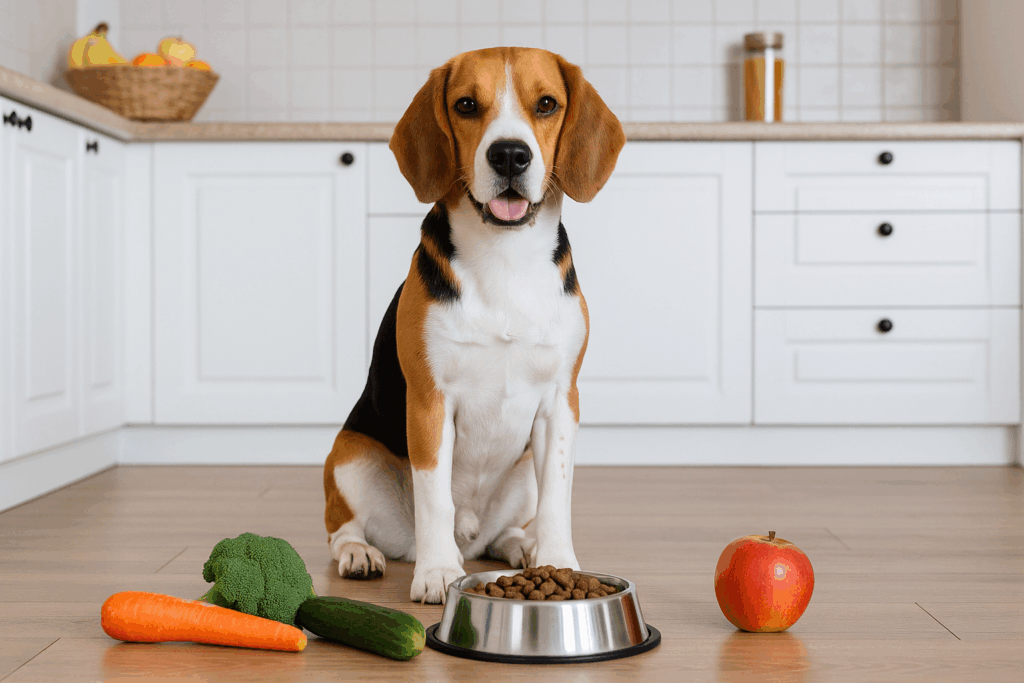
Credit: qualifiedpetservices.com
Monitoring And Adjusting Your Dog’s Diet
Monitoring and adjusting your dog’s diet keeps them healthy and happy. Every dog has unique needs that change over time. Watching their weight, activity, and health helps you feed them right. Small changes can make a big difference in their well-being.
Tracking Weight And Condition
Check your dog’s weight regularly. Use a scale or visit the vet for accurate measures. Look at their body shape. You should see a waist behind the ribs. Feel their ribs easily but not too much. Changes in weight can show if the diet works or needs change.
Adjusting For Activity Levels
Active dogs burn more energy and need more food. Less active dogs need fewer calories to avoid weight gain. Change food amounts based on playtime, walks, or rest. Adjust slowly to avoid stomach problems. Watch how your dog reacts to new portions.
Consulting Your Veterinarian
Your vet can guide diet changes safely. They know your dog’s health history and needs. Ask about special diets for allergies or illnesses. Regular check-ups help catch problems early. Follow your vet’s advice for the best diet plan.
Frequently Asked Questions
What Are The Essential Nutrients For Dog Health?
Dogs need proteins, fats, carbohydrates, vitamins, and minerals for balanced nutrition. These nutrients support growth, energy, and immune function.
How Much Nutrition Does My Dog Require Daily?
Daily nutritional needs depend on your dog’s age, size, activity, and health. Consult your vet for personalized feeding guidelines.
Can Homemade Diets Provide Proper Nutrition For Dogs?
Homemade diets can be nutritious if well-balanced. Always include essential nutrients and consult a vet or pet nutritionist.
What Foods Should Be Avoided In Dog Nutrition?
Avoid chocolate, onions, grapes, and excessive fatty foods. These can be toxic or harmful to dogs’ health.
Conclusion
Good nutrition helps dogs stay healthy and happy. It supports their energy, growth, and immune system. Feeding the right food can prevent many health problems. Every dog is different, so choose food that fits their needs. Regular meals and fresh water keep dogs strong.
A balanced diet makes a big difference in their life. Caring for your dog’s nutrition shows you love them. Healthy dogs enjoy playtime and live longer. Simple steps in feeding create a happier pet. Nutrition is key to a dog’s well-being and joy.


