Are you wondering if it’s okay to feed your puppy adult dog food? You want the best for your furry friend, and choosing the right food is one of the most important decisions you’ll make.
Feeding your puppy the wrong food could affect their growth, energy, and overall health. But is adult dog food really harmful, or can it be a convenient option? Keep reading to find out what experts say, why your puppy’s nutrition matters so much, and how you can make the best choice for your new companion.
Your puppy’s future depends on it!

Credit: www.lucautosrl.it
Puppy Nutrition Needs
Puppies need special food to grow strong and healthy. Their bodies change fast during the first months. Good nutrition helps their bones, muscles, and brain develop well. Feeding the right food gives them energy and supports their immune system.
Adult dog food does not meet these needs. Puppies need more nutrients and calories. Understanding these needs helps you choose the best food for your puppy’s health.
Growth And Development
Puppies grow quickly in their first year. Their bones and muscles get bigger every day. This growth needs more calories than adult dogs need. Puppies also need food that is easy to digest. Their bodies are still learning how to process food well.
Proper nutrition supports brain development. It helps puppies learn and behave better. Without the right food, growth can slow down. This may cause health problems later in life.
Essential Nutrients For Puppies
Puppies need protein to build strong muscles. Fat gives them energy to play and explore. Calcium and phosphorus help bones grow hard and strong. Vitamins and minerals keep their immune system healthy.
Adult dog food may lack these important nutrients. It often has fewer calories and less protein. Feeding puppies adult food can cause nutrient gaps. This can affect their growth and overall health.
Credit: www.lucautosrl.it
Differences In Puppy And Adult Dog Food
Puppies and adult dogs have different nutritional needs. Their food is made to support these needs. Feeding a puppy adult dog food might not provide the right nutrients. This can affect the puppy’s growth and health.
Understanding the key differences in puppy and adult dog food helps make better choices. These differences include calorie content, protein and fat levels, and vitamin and mineral balance. Each plays a big role in your puppy’s development.
Calorie Content
Puppies need more calories than adult dogs. They use energy to grow fast and stay active. Puppy food has higher calories per serving. Adult dog food has fewer calories to prevent weight gain in slower dogs.
Protein And Fat Levels
Puppies require extra protein for muscle growth. Their food contains higher protein than adult dog food. Fat is also higher in puppy food. This fat supports brain development and energy needs. Adult dog food has less protein and fat to match slower growth.
Vitamin And Mineral Balance
Puppy food includes vitamins and minerals for strong bones and teeth. It has more calcium and phosphorus than adult food. These minerals help the puppy’s skeleton grow properly. Adult dog food has balanced vitamins for maintenance, not growth.
Risks Of Feeding Adult Food To Puppies
Feeding adult dog food to puppies can cause serious health problems. Puppies need special nutrients for their fast growth. Adult dog food lacks some vital elements. This can affect their health in many ways.
Nutritional Deficiencies
Puppies need more protein, fat, and calories than adult dogs. Adult food does not have enough of these. Missing nutrients can slow their growth. It can also weaken their immune system. This makes puppies more likely to get sick.
Digestive Issues
Puppy stomachs are sensitive and need gentle food. Adult dog food is harder to digest. This can cause stomach pain, diarrhea, or vomiting. Digestive problems can lead to poor nutrient absorption. Poor absorption means puppies do not get the energy they need.
Impact On Growth
Puppies grow quickly in the first months. They need proper food to build strong bones and muscles. Adult dog food lacks important growth nutrients like calcium and DHA. Feeding adult food can cause weak bones and poor brain development. This can harm their long-term health and activity.
When Adult Food Might Be Acceptable
Adult dog food is not ideal for puppies, but some situations allow its use. Understanding these can help keep your puppy safe and healthy. Feeding adult food might work temporarily or under special needs.
Short-term Feeding
Short-term feeding of adult dog food can be okay. For example, during travel or emergencies, puppy food might not be available. A few days on adult food will not harm your puppy. Just ensure to return to puppy food quickly. Adult food lacks some nutrients puppies need daily. Long-term use can slow growth and affect health.
Special Circumstances
Sometimes puppies have health issues needing special diets. A vet might recommend adult food with specific nutrients. Puppies with allergies or digestion problems may need adult food. Some adult diets have fewer fillers and allergens. Always follow the vet’s advice for these cases. Feeding the right food supports recovery and growth.
Signs Your Puppy Needs A Food Change
Puppies grow fast and need the right food to stay healthy. Feeding adult dog food can cause problems. Watch your puppy closely for signs it needs a food change. Early detection helps avoid health issues and supports proper growth.
Behavioral Changes
Your puppy may act differently if the food is wrong. Less energy or tiredness during play is a common sign. Sudden irritability or fussiness at meal times can show discomfort. Refusing to eat or eating less than usual also matters. Puppies need food that suits their energy and development.
Physical Symptoms
Look for changes in your puppy’s body too. A dull or dry coat suggests poor nutrition. Weight loss or failure to gain weight is serious. Diarrhea, vomiting, or upset stomach can mean the food is not right. Swelling or itching might signal allergies from adult food. Healthy puppies should have bright eyes and smooth skin.
Credit: companionpethospital.com
Choosing The Right Food For Your Puppy
Choosing the right food for your puppy is very important for healthy growth. Puppies need special nutrients that support their bones, muscles, and energy. Feeding adult dog food can miss these key nutrients. Picking the correct food helps your puppy grow strong and stay active.
Reading Labels
Check the food label carefully. Look for words like “complete and balanced for puppies.” Puppy food has more protein and fat than adult food. These nutrients help puppies develop properly. Avoid foods made only for adult dogs. They do not meet the puppy’s needs.
Consulting A Veterinarian
Talk to your vet about your puppy’s diet. Vets know what nutrients your puppy needs at each stage. They can suggest the best food brand and type. Your vet also helps if your puppy has special health needs. Follow their advice to keep your puppy healthy and happy.
Frequently Asked Questions
Is Adult Dog Food Safe For Puppies?
Adult dog food lacks essential nutrients puppies need for growth. Feeding it can cause deficiencies and slow development. Puppies require food with higher protein, fat, and calories tailored to their age. Always choose puppy-specific formulas for optimal health and growth.
What Happens If A Puppy Eats Adult Food?
Puppies eating adult food may miss vital nutrients like DHA and calcium. This can affect brain development and bone growth. Occasional adult food won’t harm, but prolonged feeding risks malnutrition and health problems. Transition to puppy food for balanced nutrition.
Can Adult Dog Food Cause Digestive Issues In Puppies?
Yes, adult dog food can cause digestive upset in puppies. Their sensitive stomachs need nutrient-rich, easily digestible puppy food. Adult formulas may cause diarrhea, constipation, or gas. Feeding age-appropriate food helps maintain healthy digestion and nutrient absorption.
When Should I Switch From Puppy To Adult Food?
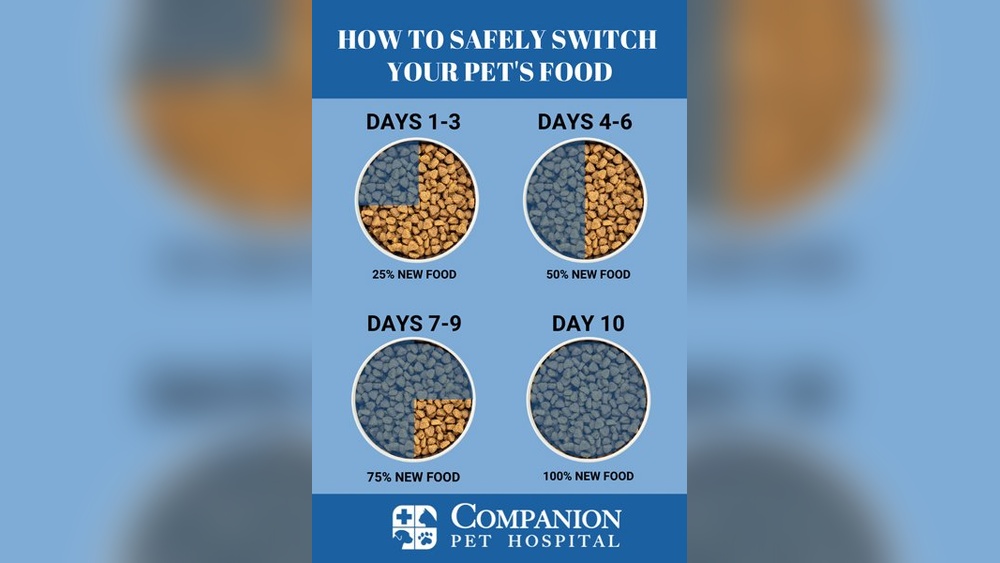
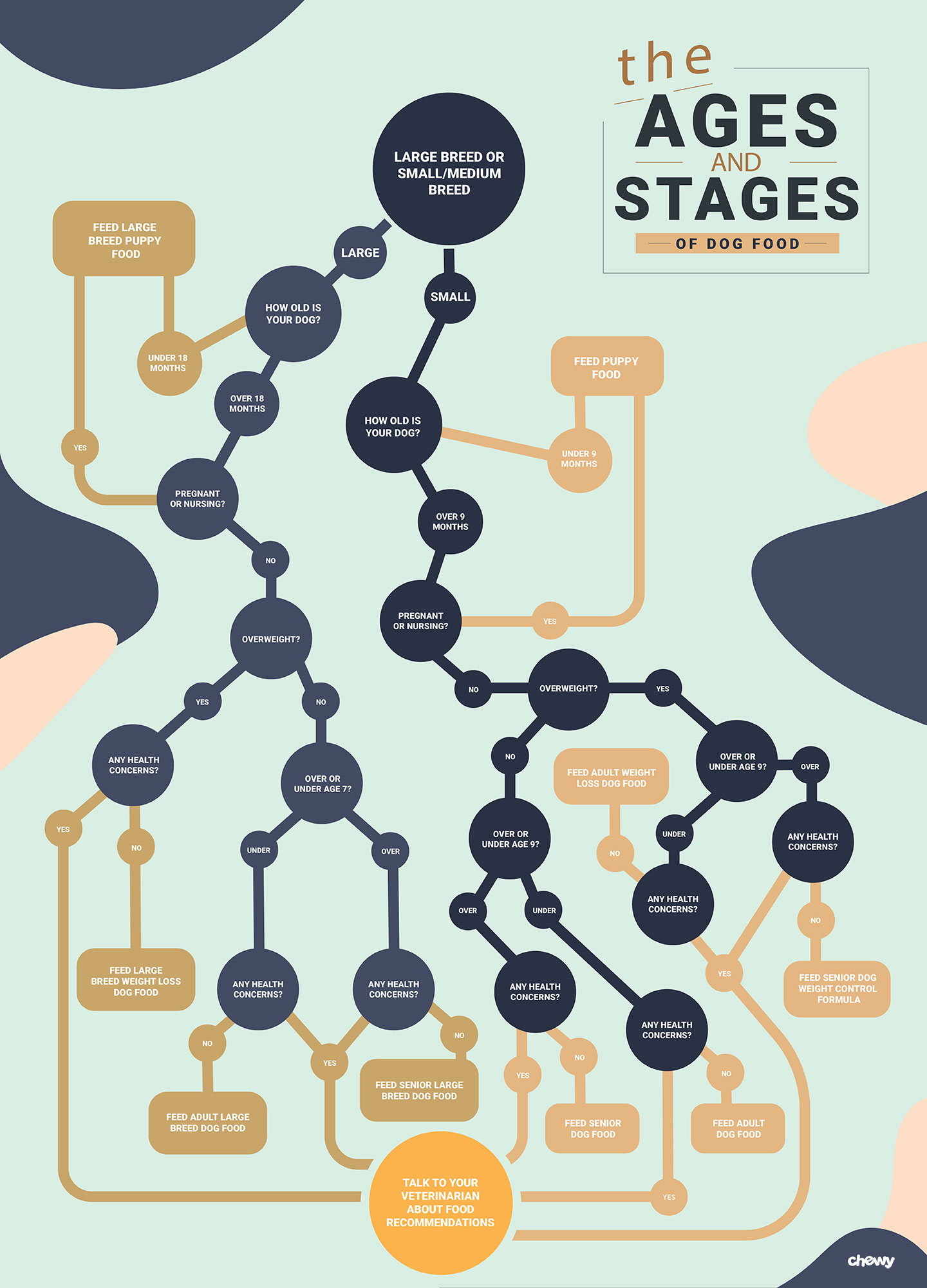
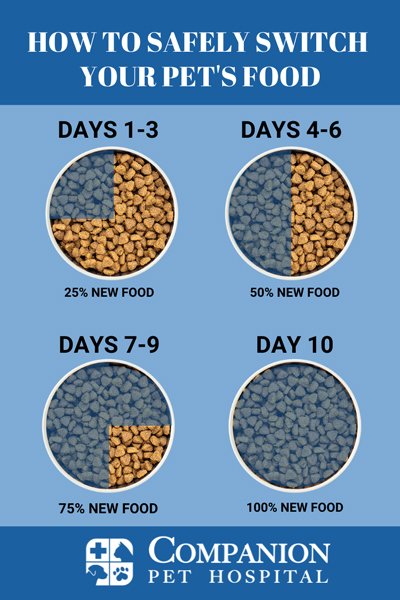
Switch to adult dog food around 12 months for most breeds. Larger breeds may need puppy food longer, up to 18-24 months. Transition gradually over 7-10 days to avoid digestive upset. Consult your vet for breed-specific guidance.
Conclusion
Feeding a puppy adult dog food can cause health problems. Puppies need more nutrients for growth and energy. Adult food lacks the right balance for young dogs. Choosing puppy food supports strong bones and healthy development. Always check labels and feeding guides carefully.
Consult a vet for the best diet advice. Healthy food helps puppies grow into strong adults. Careful feeding today means a happier dog tomorrow. Make smart food choices to protect your puppy’s health.