
You want the best for your dog, right? That means making sure your furry friend gets the right nutrition every day.
But what exactly should your dog be eating to stay healthy and full of energy? Understanding your dog’s nutritional requirements is key to giving them a happy, long life. Keep reading, and you’ll discover simple, clear answers that will help you make the best choices for your loyal companion.
Credit: www.ralphs.com
Essential Nutrients For Dogs
Dogs need a balanced diet to stay healthy and active. Essential nutrients help support their body functions and energy levels. Each nutrient plays a special role in their growth, repair, and overall well-being. Understanding these nutrients helps in providing the best care for your dog.
Proteins And Amino Acids
Proteins are the building blocks of a dog’s body. They help build muscles, skin, and organs. Dogs need essential amino acids, which come from protein sources like meat and fish. These amino acids cannot be made by the body and must come from food. Adequate protein keeps dogs strong and supports immune health.
Fats And Fatty Acids
Fats provide energy and help absorb certain vitamins. They also keep a dog’s skin healthy and coat shiny. Essential fatty acids, such as omega-3 and omega-6, reduce inflammation and support brain function. A balanced amount of fat is vital for maintaining a healthy weight and good health.
Carbohydrates Role
Carbohydrates are a good energy source for dogs. They help fuel daily activities and support digestive health. Whole grains, vegetables, and fruits provide fiber and nutrients. Fiber aids in digestion and keeps the gut healthy. Carbohydrates also help dogs feel full after meals.
Vitamins And Minerals
Vitamins and minerals support many body functions. They help with bone growth, blood health, and immune defense. Important vitamins include A, D, E, and B-complex. Minerals like calcium, phosphorus, and zinc are essential for strong teeth and bones. A balanced diet ensures dogs get these nutrients in the right amounts.

Credit: www.ukvetcompanionanimal.com
Daily Caloric Needs
Every dog needs the right amount of calories to stay healthy. Calories give dogs energy for daily activities and proper body functions. Knowing the daily caloric needs helps prevent health problems like obesity or malnutrition. It also supports a dog’s growth, play, and recovery.
Factors Influencing Caloric Intake
Several factors change how many calories a dog needs. Age plays a big role; puppies need more calories for growth. Size matters too. Bigger dogs burn more energy than small ones. Breed also affects metabolism and energy use. Dogs with thick fur or lots of muscles may need more food. Health status and weather can also change calorie needs.
Calories For Puppies Vs Adults
Puppies require more calories per pound than adult dogs. They are growing fast and need energy for development. Adult dogs need fewer calories to maintain weight. Feeding too many calories to adults causes weight gain. Adjust food amount as dogs grow from puppies to adults. Balanced nutrition supports healthy bones and muscles in puppies.
Adjusting Calories For Activity Levels
Active dogs burn more calories than less active ones. Working dogs and pets who exercise daily need extra food. Sedentary dogs need fewer calories to avoid weight gain. Watch your dog’s body condition and energy levels. Change calorie intake based on daily activity. Feeding the right amount keeps dogs fit and happy.
Choosing The Right Dog Food
Choosing the right dog food is important for your pet’s health. Dogs need a balanced diet to stay active and strong. Good nutrition helps with energy, coat shine, and overall happiness. There are many options to choose from. Knowing the differences helps you pick the best food for your dog’s needs.
Commercial Vs Homemade Diets
Commercial dog food is easy to find and comes in many types. It is made to meet basic nutrition rules. It saves time and effort for busy owners. Homemade diets allow control over ingredients and freshness. You can avoid fillers and additives. But homemade meals need careful planning to be complete and safe.
Reading Dog Food Labels
Labels show important facts about dog food. Look for protein sources near the top of the ingredient list. Avoid foods with too many fillers like corn or wheat. Check for added vitamins and minerals. Ingredients should be clear and simple. Avoid artificial colors, flavors, and preservatives. Labels also show the food’s expiration date.
Benefits Of Grain-free And Organic Options
Grain-free dog food is good for dogs with allergies or sensitivities. It replaces grains with vegetables and other carbs. Organic dog food uses natural ingredients without pesticides or chemicals. These options may help dogs with digestion or skin problems. They often have fewer additives and are easier to digest.
Special Dietary Needs
Dogs have unique dietary needs that change with health and life stages. Special diets help manage these changes and keep dogs healthy. Understanding these needs supports better feeding choices and improves well-being.
Allergies And Food Sensitivities
Some dogs react badly to certain foods. Common allergens include beef, dairy, wheat, and chicken. Symptoms may show as itching, ear infections, or digestive upset. Identifying and avoiding these foods is key to comfort. Special hypoallergenic diets can reduce allergic reactions.
Weight Management
Overweight dogs face health risks like diabetes and joint pain. Feeding low-calorie, high-fiber foods helps control weight. Portion control and regular meals prevent overeating. Treats should be limited to avoid extra calories. Exercise and diet work together for weight balance.
Diet For Senior Dogs
Older dogs need fewer calories but more nutrients. Protein supports muscle health, while antioxidants aid aging cells. Joint supplements may improve mobility. Senior diets often have softer textures for easy chewing. Regular vet checks adjust diet as needs change.
Feeding Pregnant And Lactating Dogs
Pregnant dogs require more energy and nutrients. High-quality protein and calcium support growth and milk production. Feeding smaller, frequent meals reduces discomfort. Lactating dogs need extra calories to feed puppies. Fresh water must be available at all times.
Hydration And Feeding Schedule
Hydration and feeding schedule are key parts of a dog’s diet. They help keep dogs healthy and active. Proper water intake supports body functions. Regular feeding times build good habits. Together, they improve digestion and energy levels.
Importance Of Water Intake
Water is vital for dogs’ survival and health. It helps regulate body temperature and flush toxins. Dogs need fresh water every day. Lack of water can cause dehydration and illness. Always provide clean water in a bowl. Monitor your dog’s drinking habits to avoid problems.
Ideal Feeding Times
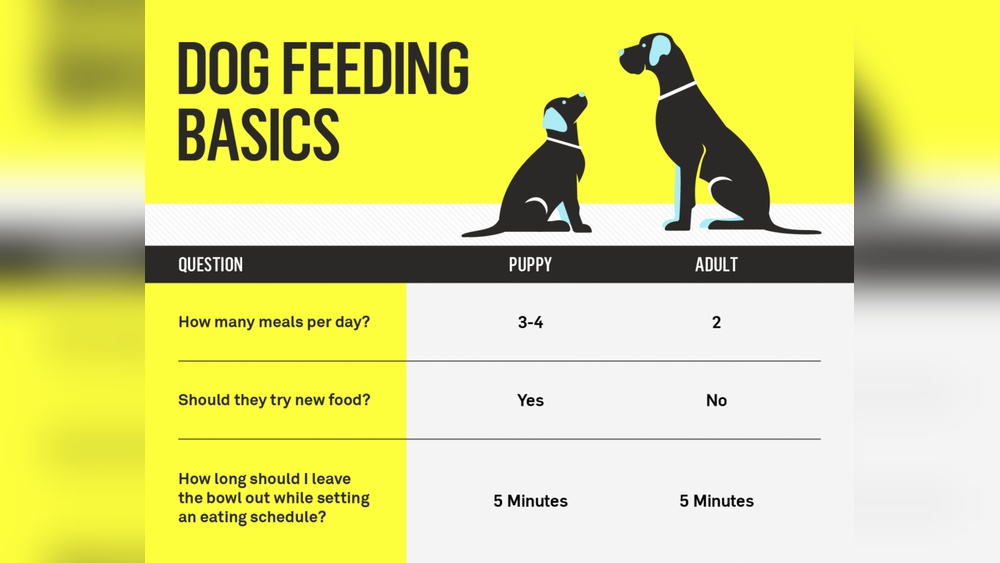
Feeding dogs at the same time daily helps their routine. Most adult dogs eat twice a day. Puppies may need three to four meals daily. Avoid feeding right before or after exercise. Consistent meal times prevent overeating and stomach issues. Set a schedule and stick to it.
Portion Control Tips
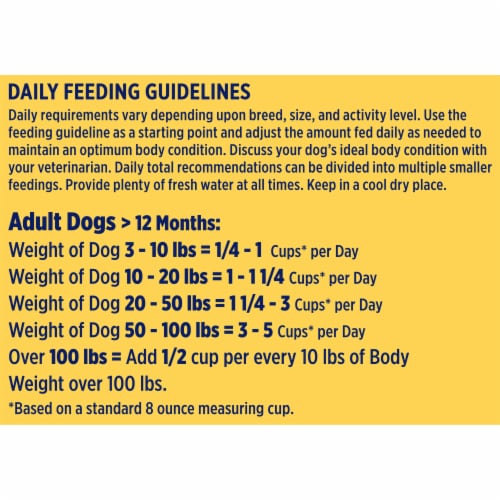
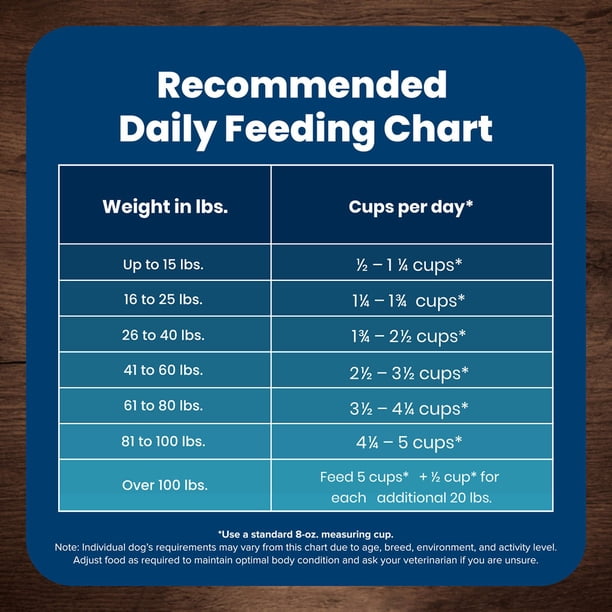
Portion size depends on dog’s size, age, and activity. Follow feeding guidelines on pet food labels. Use a measuring cup for accuracy. Avoid free feeding to control intake. Watch your dog’s weight and adjust portions as needed. Consult a vet for personalized advice.
Credit: www.samsclub.com
Common Nutritional Mistakes
Feeding a dog correctly is not always easy. Many dog owners make common mistakes that affect their pet’s health. These errors can cause serious problems over time. Understanding these mistakes helps keep dogs healthy and happy.
Overfeeding And Obesity
Overfeeding is a major problem for many dogs. Too much food leads to extra weight. Obesity causes joint pain and heart issues. Dogs need the right portion size for their age and activity. Measuring meals helps avoid giving too much food. Treats should also be limited to prevent weight gain.
Toxic Foods To Avoid
Some human foods are harmful to dogs. Chocolate, grapes, onions, and garlic can poison them. These foods cause vomiting, diarrhea, or worse. Always check if a food is safe before feeding it. Keep dangerous foods out of your dog’s reach. Knowing what to avoid keeps your dog safe.
Supplements: When And Why
Not all dogs need supplements. Some owners give them without advice. This can cause health problems or nutrient imbalance. Supplements help only when a vet recommends them. They support joint health, skin, or digestion in some dogs. Always ask a vet before adding supplements to a diet.
Frequently Asked Questions
What Are The Essential Nutrients For A Dog’s Diet?
Dogs need proteins, fats, carbohydrates, vitamins, and minerals for balanced nutrition. Proteins support muscle health. Fats provide energy. Carbohydrates aid digestion. Vitamins and minerals boost immune function and overall wellbeing.
How Much Protein Should A Dog Consume Daily?
Adult dogs require about 18-25% protein in their diet. Puppies and active dogs need higher levels. Protein quality matters, so choose animal-based sources for better absorption and muscle maintenance.
Can Dogs Eat Fruits And Vegetables Safely?
Yes, many fruits and vegetables are safe and healthy for dogs. They provide fiber, vitamins, and antioxidants. Avoid toxic ones like grapes, onions, and garlic. Always introduce new foods gradually to prevent stomach upset.
Why Is Water Important For A Dog’s Nutrition?
Water is vital for hydration, digestion, and temperature regulation. Dogs should have constant access to fresh, clean water. Proper hydration supports nutrient absorption and waste elimination, keeping dogs healthy and active.
Conclusion
A dog’s nutrition affects its health and happiness. Providing balanced food helps dogs grow strong. Proteins, fats, vitamins, and minerals all play a role. Fresh water is vital every day. Tailor meals to your dog’s age and activity. Watch for any food allergies or sensitivities.
Proper nutrition supports a long, active life. Caring for your dog’s diet shows love and attention. Healthy eating means a happier, energetic companion by your side.


