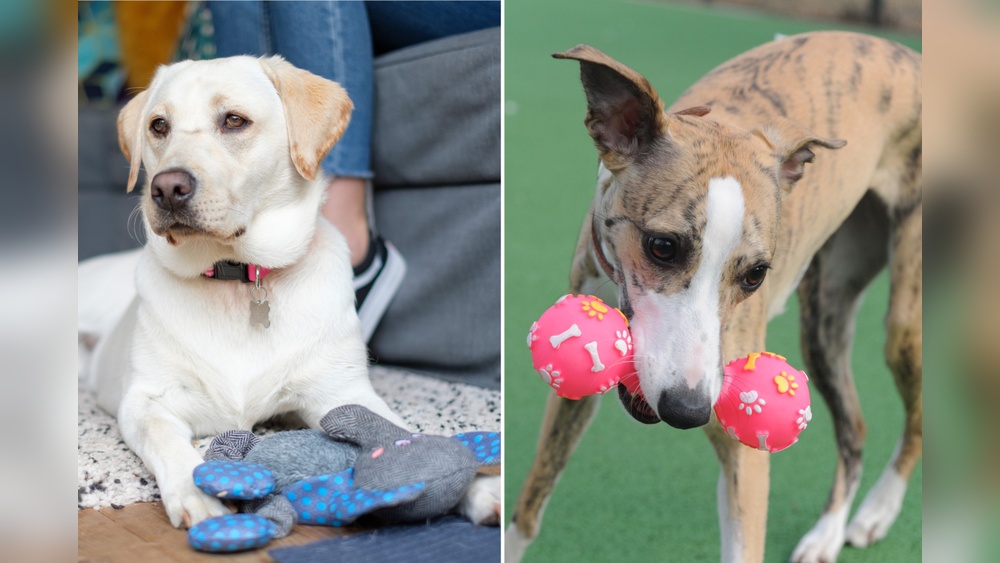
Have you ever wondered if a Toy Poodle can be more than just a cute companion? What if your small, lovable dog could actually help you in your daily life as a service dog?
You might be surprised to learn that size isn’t everything when it comes to service dogs. If you’re curious about whether your Toy Poodle can provide real support and assistance, this article will give you clear answers. Keep reading to discover how these tiny dogs can make a big difference for you.
Service Dog Criteria
Service dogs help people with disabilities in daily life. Not every dog can be a service dog. They must meet strict rules and training. These rules ensure the dog can work well and stay calm in public. Understanding the service dog criteria is key for anyone considering a Toy Poodle as a service dog.
Legal Requirements
The law defines what makes a service dog. The dog must assist a person with a disability. The dog’s task must relate directly to the disability. Only dogs trained to help with specific needs qualify. The dog must be allowed in public places by law.
Training Standards
A service dog must complete special training. This training teaches tasks to help the handler. The dog must learn to ignore distractions. The dog should respond to commands quickly and reliably. Training often takes months and needs consistency.
Behavioral Expectations
Service dogs must behave well in all places. They should not bark or act aggressively. The dog must stay calm around people and noise. It needs to walk politely on a leash. Good behavior ensures the dog can perform its job safely.
Toy Poodle Traits
Toy Poodles are small dogs with many special traits. These traits affect their role as service dogs. Understanding their physical features, temperament, and intelligence helps see their service potential.
Each trait plays a key part in how well they can assist people with disabilities. Their size, behavior, and learning skills all matter a lot.
Physical Characteristics
Toy Poodles weigh around 4 to 6 pounds. They stand about 10 inches tall. Their small size makes them easy to carry. They have curly, dense coats that shed less. This coat type suits people with allergies. Their bodies are strong and agile. These dogs can move quickly and quietly.
Temperament
Toy Poodles are friendly and gentle with people. They bond closely with their owners. They show great loyalty and affection. These dogs are alert and aware of surroundings. They can sense changes in mood or environment. They enjoy social interaction but may be shy with strangers. Their calm nature helps in stressful situations.
Intelligence And Trainability
Toy Poodles rank among the smartest dog breeds. They learn commands quickly and remember them well. They respond best to positive training methods. These dogs enjoy tasks that challenge their mind. They can perform complex service tasks with practice. Their focus and eagerness to please aid training success.
Service Tasks Suitability
Toy Poodles can perform some service tasks like alerting or guiding. Their small size may limit certain physical duties. Training and temperament play a key role in their service suitability.
Common Service Dog Roles
Service dogs help people with many needs. They guide people who cannot see. They alert those with hearing problems. They assist people with mobility issues. Some detect medical problems like seizures. Each role needs specific skills and strength.
Tasks Toy Poodles Can Perform
Toy Poodles are smart and eager to learn. They can remind owners to take medicine. They can provide calm during anxiety attacks. They are good at alerting to sounds. Their small size helps in crowded places. They can fetch small items for their owners.
Limitations In Assistance Duties
Toy Poodles are small and not very strong. They cannot pull wheelchairs or carry heavy items. They may struggle with tasks needing size and power. Some tasks need bigger dogs to be effective. Their small size limits physical assistance roles.
Training Challenges
Training a Toy Poodle as a service dog brings unique challenges. These small dogs have special needs that affect their training process. Understanding these challenges helps trainers prepare better. It also ensures the dog can perform service tasks well.
Socialization Needs
Toy Poodles need early and wide socialization. They must meet many people and animals. This helps reduce fear and anxiety. A well-socialized dog stays calm in public places. Socialization also builds confidence for new environments. Without it, the dog may become shy or nervous.
Focus And Distraction
Toy Poodles can get distracted easily. Their small size and alert nature make them curious. Training must teach them to focus on tasks. Distractions like noises or movements can break their attention. Consistent practice in different settings helps improve focus. This is key for reliable service work.
Consistency And Patience
Training a Toy Poodle requires steady effort and patience. These dogs learn best with short, regular sessions. Trainers should use clear commands and rewards. Repetition helps the dog remember tasks. Patience is important if progress is slow. Consistency builds trust and strong habits in the dog.
Legal Recognition And Access
Legal recognition and access are key for any service dog, including toy poodles. Laws protect the rights of people who rely on service dogs. These laws allow service dogs to enter public places with their handlers. Understanding these rules helps toy poodle owners ensure their pets get proper access.
Public Access Laws
Public access laws give service dogs the right to enter public spaces. These laws apply to all service dogs, regardless of size or breed. Toy poodles qualify if trained to perform specific tasks. Businesses must allow service dogs unless it causes a safety issue. This law helps handlers use their service dogs freely in daily life.
Service Dog Identification
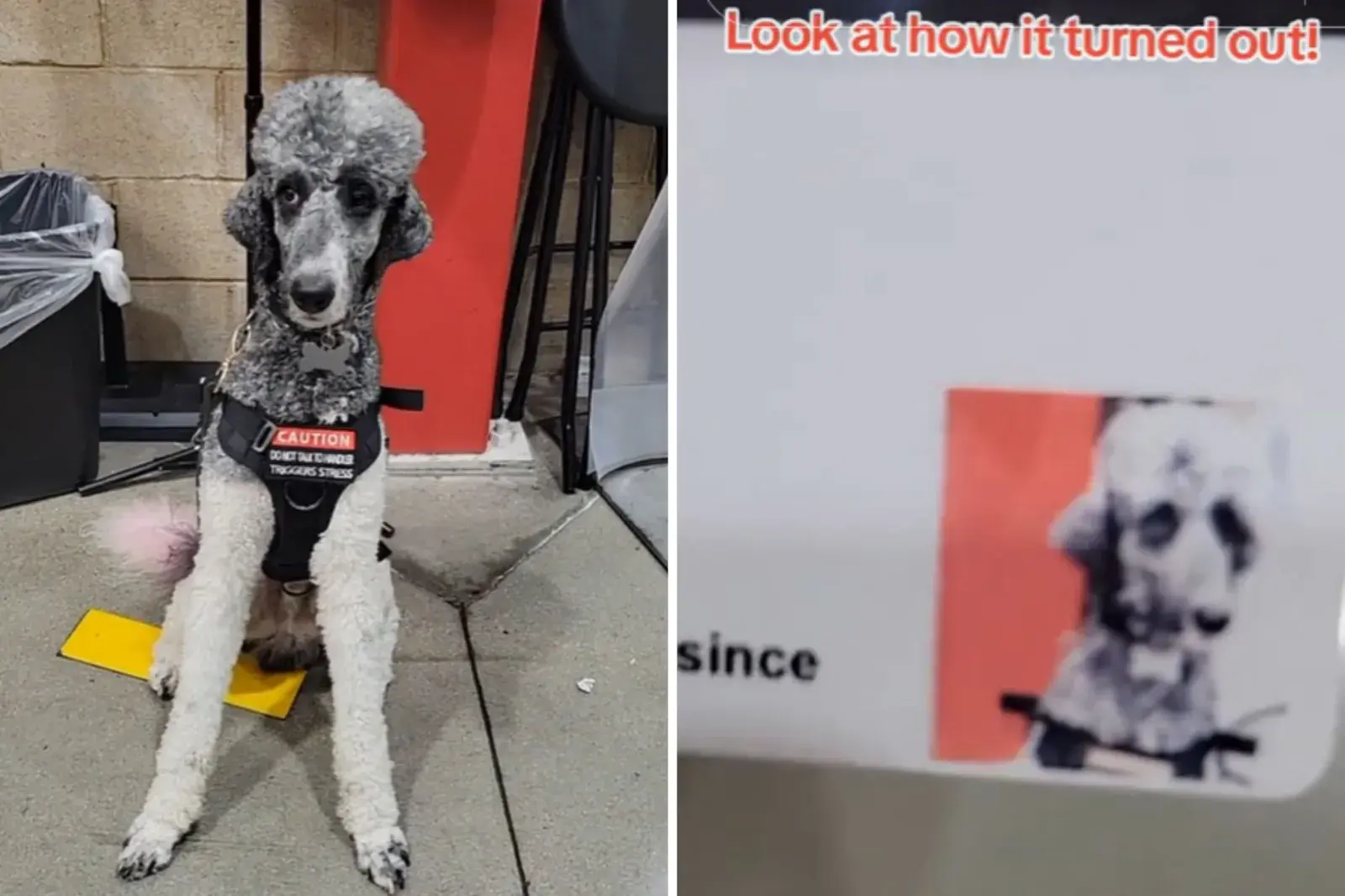
No official ID or certification is required by law. Many handlers use vests or tags to identify service dogs. This identification helps avoid confusion in public places. Toy poodles can wear service dog gear just like larger dogs. Clear identification supports smooth access and respect from the public.
Misconceptions And Fraud Risks
Many people wrongly assume all small dogs cannot be service dogs. This creates challenges for toy poodle handlers. Some misuse service dog status, causing distrust and stricter rules. Fraud risks harm genuine service dog users by raising suspicion. Honest handlers must understand laws and educate others to protect their rights.
Credit: www.newsweek.com
Emotional Support Vs Service Dogs
Understanding the difference between emotional support animals and service dogs is important. Both help people but in different ways. This section explores how these roles vary and where toy poodles fit.
Differences In Roles
Service dogs are trained to perform specific tasks. They assist people with disabilities like blindness or seizures. Emotional support animals provide comfort and reduce stress. They do not have special training to do tasks. The law treats these two types of animals differently.
Toy Poodles As Emotional Support Animals
Toy poodles can be great emotional support animals. Their small size and friendly nature make them good companions. They help calm anxiety and provide comfort. Toy poodles do not usually train for service dog tasks. They offer emotional help, not physical assistance.
Benefits For Mental Health
Emotional support from a toy poodle can improve mood. They help reduce feelings of loneliness and anxiety. Spending time with a poodle can lower stress levels. This support helps people feel safer and happier. Their presence alone can boost mental health.
Success Stories
Success stories show how Toy Poodles work well as service dogs. They prove small size does not limit their abilities. These stories inspire many who need a service dog but want a smaller companion.
Toy Poodles In Service Roles
Toy Poodles assist people with many needs. They help with anxiety and depression by providing comfort. Some guide people with limited vision or hearing. Others alert owners to health changes like seizures. Their intelligence and gentle nature make them reliable helpers.
Training Programs And Organizations
Special programs train Toy Poodles for service work. Trainers focus on their strengths and small size. Many groups accept Toy Poodles for service training. They teach important skills like obedience and public behavior. These programs ensure the dogs meet service standards.
Owner Experiences
Owners share how Toy Poodles change their lives. Many say the dogs bring independence and safety. Small size makes travel and daily tasks easier. Owners appreciate their pets’ loyalty and quick learning. These stories highlight real success and strong bonds.

Credit: www.psychdogpartners.org

Credit: www.reddit.com
Frequently Asked Questions
Can A Toy Poodle Be Trained As A Service Dog?
Yes, Toy Poodles can be trained as service dogs. They are intelligent, eager to please, and highly trainable, making them suitable for various service tasks.
What Tasks Can A Toy Poodle Perform As A Service Dog?
Toy Poodles can assist with tasks like alerting to medical conditions, providing emotional support, or guiding individuals with disabilities, depending on their training.
Are Toy Poodles Recognized As Official Service Dogs?
Toy Poodles are recognized as service dogs if properly trained and certified under the Americans with Disabilities Act (ADA) guidelines.
How Do Toy Poodles Compare To Larger Service Dogs?
Toy Poodles are smaller and more portable but may have limitations in physical tasks compared to larger service dogs.
Conclusion
Toy Poodles can make good service dogs with proper training. Their small size and intelligence help them assist in many tasks. Training takes time, patience, and consistency. Not every Toy Poodle fits every service role. Choose a dog that matches your needs and lifestyle.
Service dogs bring comfort and independence to many people. With the right care, a Toy Poodle can be a loyal helper. Think about what you need most before starting training. A well-trained Toy Poodle can improve daily life significantly.