

You want the best for your dog, right? That means giving your furry friend the right nutrition every day.
But do you really know what “Me Nutrition” means for dogs and why it matters so much? What you feed your dog affects their energy, mood, and overall health more than you might realize. Keep reading to discover simple, powerful tips that can transform your dog’s diet—and their life.
Your dog deserves it, and you’ll feel great knowing you’re doing the best for them.
Credit: www.mypedigree.ca
Nutritional Needs Of Dogs
Dogs need good nutrition to stay healthy and active. Their bodies require a balance of nutrients. These nutrients support growth, energy, and overall well-being. Understanding what dogs need helps owners provide the best care.
Nutrition affects a dog’s coat, teeth, muscles, and immune system. Feeding the right food ensures they live longer and feel better every day.
Macronutrients For Dogs
Macronutrients include proteins, fats, and carbohydrates. Proteins build and repair tissues. Fats provide energy and support brain health. Carbohydrates supply quick energy. All three are vital for a dog’s diet. The right balance depends on age, size, and activity level.
Essential Vitamins And Minerals
Vitamins and minerals keep a dog’s body working well. Vitamin A helps with vision and skin health. Vitamin D supports bones and teeth. Minerals like calcium and phosphorus strengthen bones. Iron is needed for healthy blood. Dogs need these in small but steady amounts.
Hydration And Its Role
Water is the most important nutrient for dogs. It keeps their body temperature stable. Water helps digestion and removes waste. Dehydration can cause serious health problems. Dogs must have fresh water available at all times.
Credit: www.slideshare.net
Choosing The Right Dog Food
Choosing the right dog food is important for your pet’s health and happiness. Dogs need balanced nutrition to stay active and strong. Not all dog foods are the same. Picking the best option means understanding different diets and your dog’s unique needs.
Commercial Vs. Homemade Diets
Commercial dog foods are convenient and come in many varieties. They include dry kibble, canned food, and freeze-dried options. These foods are made to provide balanced nutrition. Manufacturers follow rules to meet dog nutrition standards.
Homemade diets let you control ingredients. You can avoid fillers and allergens. Cooking at home takes time and effort. You must ensure the meals have all essential nutrients. Consulting a vet or pet nutritionist is best before switching to homemade food.
Reading Dog Food Labels
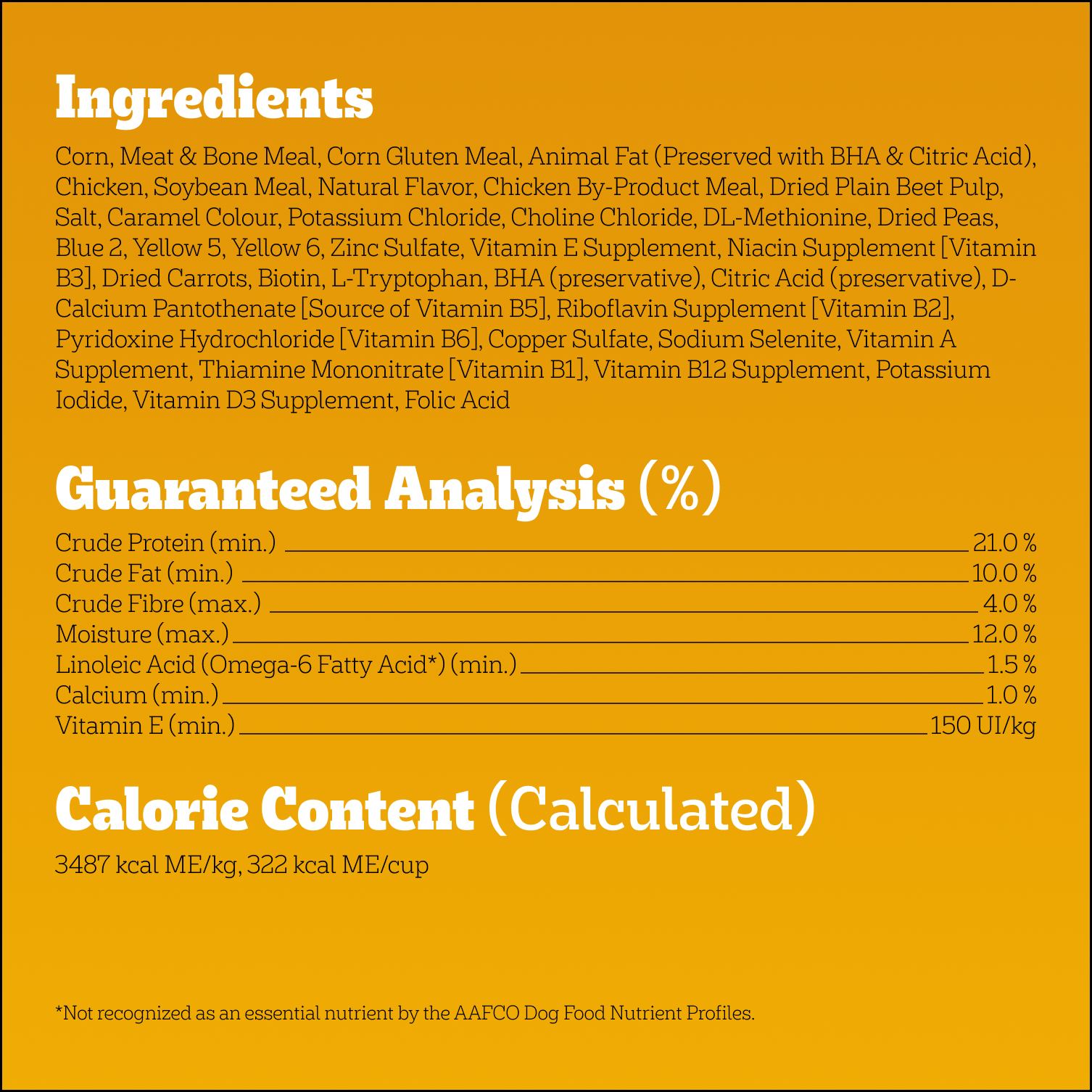
Dog food labels contain key information about the product. Look for the list of ingredients first. The main ingredient should be a good source of protein, like chicken or beef. Avoid foods with many fillers like corn or wheat.
Check for vitamins and minerals. These support your dog’s body functions. The label must state the food meets the AAFCO standards. This means the food is tested for balanced nutrition. Serving size and calorie count help with portion control.
Age And Breed Considerations
Puppies, adult dogs, and seniors have different nutritional needs. Puppies need more protein and calories to grow. Adult dogs require maintenance diets to keep weight and energy balanced. Senior dogs benefit from food with joint support and fewer calories.
Breed size affects food choice too. Small breeds often need smaller kibble and more calories per pound. Large breeds need nutrients that support bones and joints. Tailoring food to age and breed helps your dog live a healthy life.
Common Dietary Supplements
Dietary supplements help dogs get extra nutrients their food might miss. They support health and fix small nutrient gaps. Many dog owners use supplements for specific health needs. These supplements target areas like joints, digestion, and overall wellness.
When Supplements Are Necessary
Supplements become useful if a dog has health problems or poor diet. Vets may suggest supplements for puppies, seniors, or sick dogs. Dogs with allergies or food sensitivities might need extra nutrients. Supplements help when dogs recover from illness or surgery. Not all dogs need supplements; vet advice is important.
Popular Supplements For Joint Health
Joint supplements keep dogs active and reduce pain. Glucosamine and chondroitin improve cartilage and joint function. Omega-3 fatty acids reduce inflammation and support mobility. Many older dogs benefit from these supplements daily. These supplements help prevent arthritis and joint stiffness.
Probiotics And Digestive Support
Probiotics improve gut health by adding good bacteria. They help digestion and reduce diarrhea or upset stomach. Prebiotics feed these good bacteria for better effect. Digestive enzymes can help dogs absorb nutrients better. These supplements keep a dog’s digestive system balanced and healthy.
Credit: www.gallant.com
Feeding Schedules And Portions
Feeding schedules and portion sizes are key to your dog’s health. Proper timing and amounts help maintain energy and weight. Dogs thrive on routine and balanced meals. This section explains how often to feed and how much to give.
Frequency Of Meals
Most adult dogs do well with two meals daily. Puppies need more frequent meals, about three to four times a day. Feeding at regular times helps digestion and behavior. Avoid free feeding to control weight and prevent overeating.
Portion Control Tips
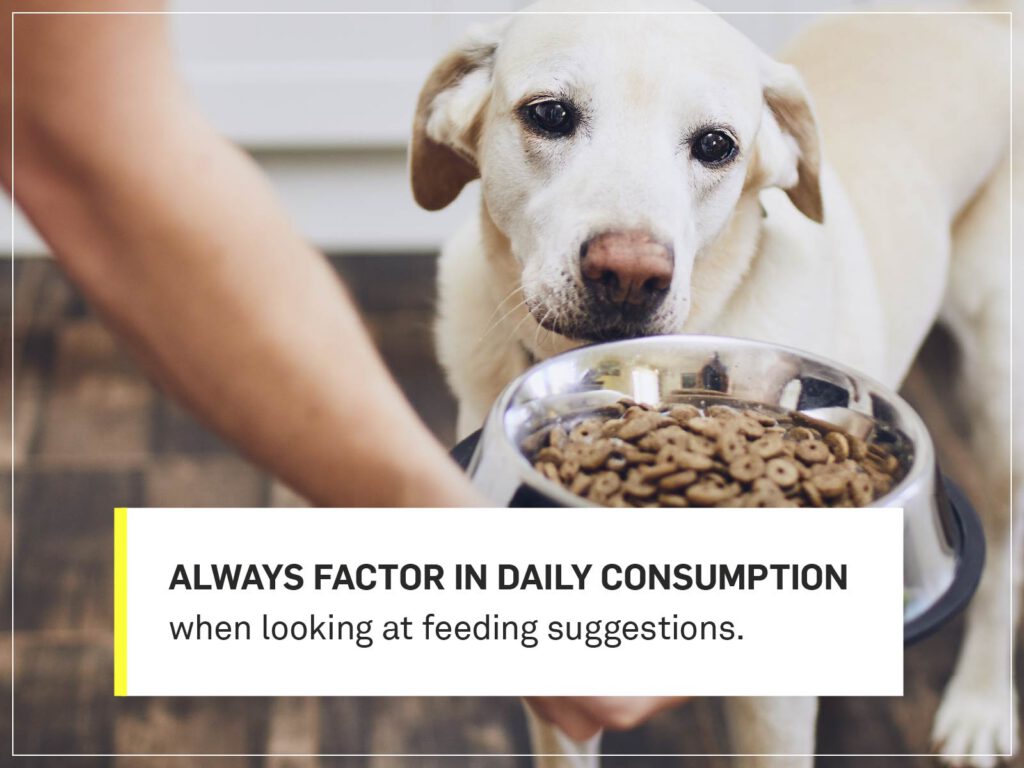
Measure your dog’s food using a standard cup or scale. Follow package or vet guidelines based on weight and breed. Watch your dog’s body shape for signs of too much or too little food. Adjust portions slowly to avoid stomach upset.
Adjusting Diet For Activity Levels
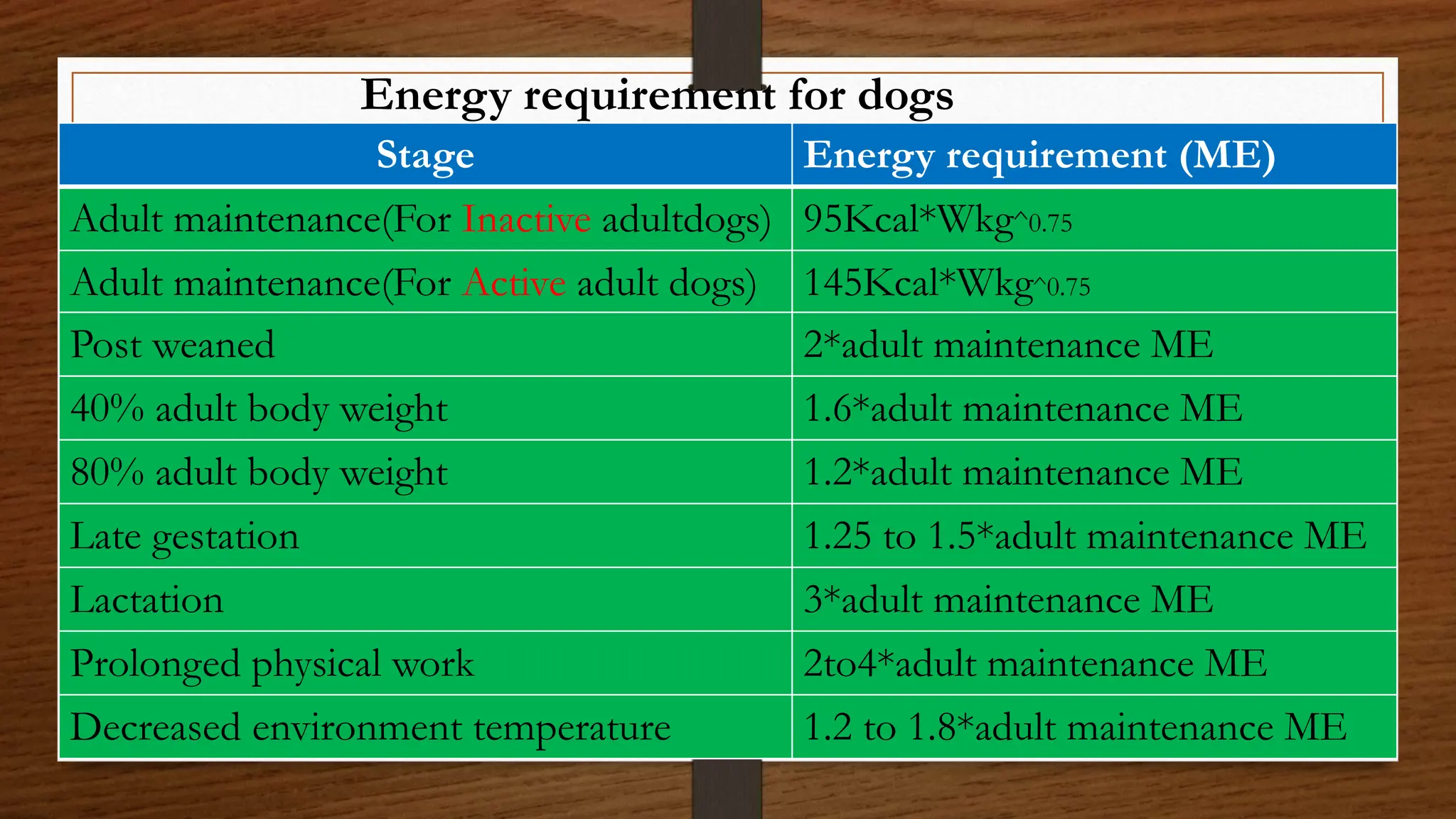
Active dogs need more calories and nutrients. Less active or older dogs require fewer calories to avoid weight gain. Change food amount based on daily exercise and health. Monitor your dog’s weight regularly and adjust portions accordingly.
Foods To Avoid For Dogs
Choosing the right foods for your dog is very important. Some common foods can harm your pet. Knowing which foods to avoid keeps your dog safe and healthy. This section lists foods that can be dangerous for dogs. Learn about toxic human foods, unsafe treats, and how to spot food poisoning signs.
Toxic Human Foods
Many human foods are toxic to dogs. Chocolate contains a chemical called theobromine. It can cause vomiting, diarrhea, and even death. Grapes and raisins can damage a dog’s kidneys. Onions and garlic can harm red blood cells, leading to anemia. Avoid giving dogs alcohol, caffeine, and anything with xylitol. These substances are very harmful and should never be fed to dogs.
Unsafe Treats And Snacks
Some dog treats and snacks can also be unsafe. Bones, especially cooked ones, can splinter and cause choking or injury. Fatty foods can cause pancreatitis, a painful illness. Avoid salty snacks like chips or pretzels, which can cause dehydration. Store treats in safe places to stop dogs from eating harmful items. Always check ingredients before giving any snack to your dog.
Recognizing Signs Of Food Poisoning
Food poisoning in dogs shows clear signs. Vomiting and diarrhea are common symptoms. Weakness, excessive drooling, and loss of appetite may also occur. Some dogs may have seizures or difficulty breathing. If you see these signs, contact a vet immediately. Quick action can save your dog’s life.
Monitoring And Maintaining Health
Monitoring and maintaining your dog’s nutrition is key to their health. Regular checks help catch problems early. Good nutrition supports energy, growth, and a strong immune system. Watch your dog closely and make changes if needed. Simple steps keep your dog happy and healthy.
Tracking Weight And Body Condition
Check your dog’s weight often. A steady weight shows good health. Use a scale or feel their ribs. Ribs should be easy to feel but not see. Look at their waist from above. A visible waist means a healthy body condition. Sudden weight gain or loss needs attention.
Signs Of Nutritional Deficiencies
Watch for dull fur or skin problems. Weakness or tiredness can mean missing nutrients. Slow healing wounds or frequent infections may show a lack of vitamins. Poor appetite or bad breath can also be signs. Keep an eye on your dog’s energy and mood.
When To Consult A Veterinarian
Visit the vet if you notice changes in weight or behavior. Seek help if your dog shows signs of illness. Regular vet visits help prevent nutrition problems. Ask the vet for advice on the best diet. Early help can avoid serious health issues.
Frequently Asked Questions
What Is Me Nutrition In Dogs?
Me Nutrition refers to essential minerals and elements dogs need. It supports their growth, immunity, and overall health. Balanced Me Nutrition prevents deficiencies and related health problems in dogs.
Why Is Me Nutrition Important For Dogs?
Me Nutrition is crucial for dogs’ metabolism and organ function. It helps maintain strong bones, healthy skin, and a robust immune system. Proper nutrition improves energy and longevity.
How Can I Improve My Dog’s Me Nutrition?
Feed a balanced diet with quality protein, vitamins, and minerals. Include foods rich in calcium, phosphorus, and zinc. Consult a vet for tailored supplements if needed.
What Are Signs Of Poor Me Nutrition In Dogs?
Signs include lethargy, weak bones, dull coat, and poor growth. Dogs may also show digestive issues or frequent infections. Early detection helps in timely dietary adjustments.
Conclusion
Proper nutrition keeps dogs healthy and happy every day. Balanced meals support their energy, growth, and immune system. Choosing the right food helps prevent many health problems. Pay attention to your dog’s needs and preferences. Fresh water must always be available.
Regular check-ups with a vet ensure your dog stays in good shape. Small changes in diet can make a big difference. Healthy dogs live longer and enjoy life more. Feeding your dog well shows you care deeply. Nutrition matters for every dog, no matter the age or size.


